
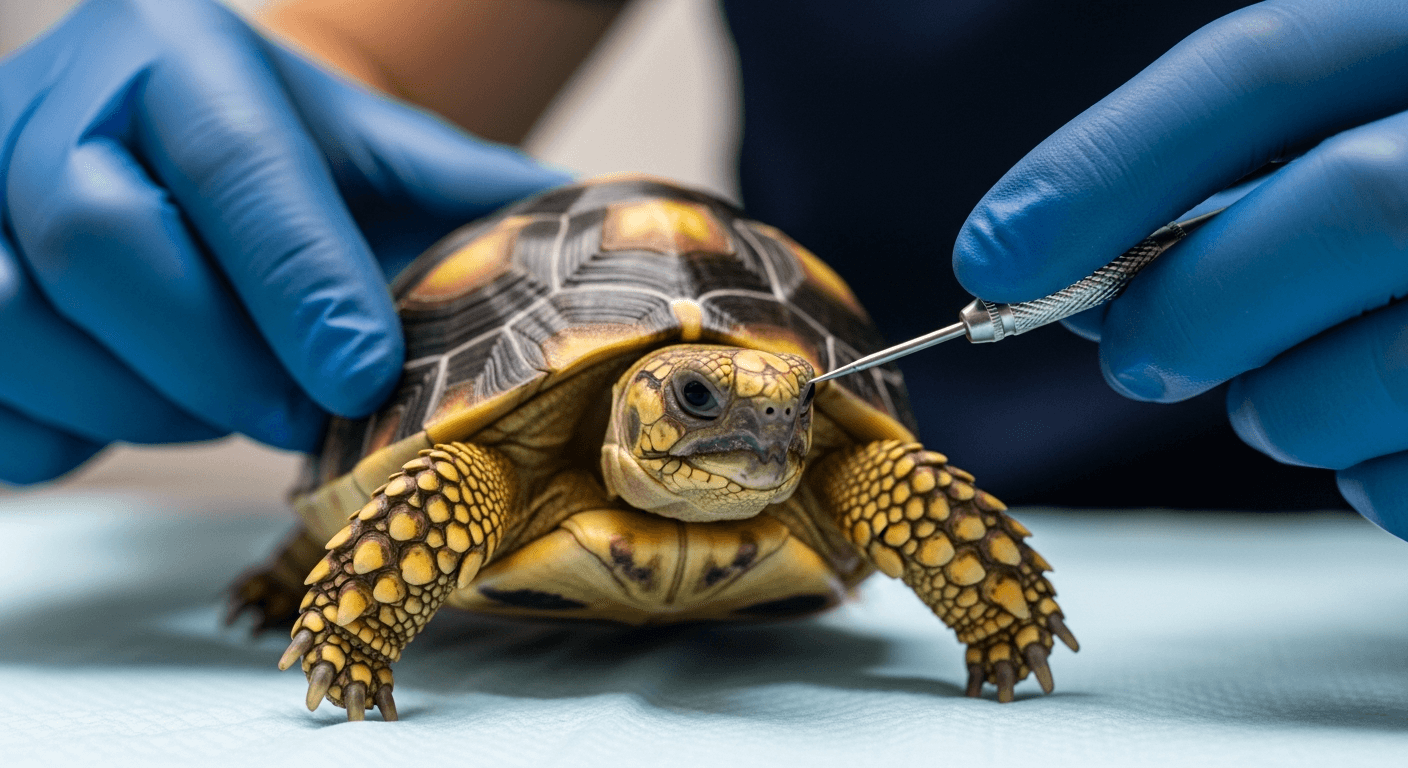
What the Shell Tells You About Turtle Health
A turtle's shell is a modified rib cage made of living bone covered by keratin scutes. It is not a removable house — it is part of the turtle's body, with nerves and blood supply. Problems with the shell often reflect underlying systemic health issues, particularly calcium metabolism, vitamin D3 status, and environmental conditions.
Shell problems fall into several categories: metabolic (soft shell), infectious (shell rot), structural (pyramiding), and traumatic (injury). Each has different causes, management, and urgency.
First 3 Steps at Home
- Check for shell softness: Gently press along the top of the shell (carapace) and the underside (plastron). A healthy shell should feel rigid and firm. A soft or flexible shell indicates calcium/vitamin D3 deficiency — metabolic bone disease. This is serious and requires veterinary attention and immediate environmental correction (UVB + calcium).
- Assess for shell rot (ulcerative shell disease): Shell rot appears as white, yellow, or gray discoloration with soft or pitting areas in the scutes, sometimes with a foul odor. In early stages it is superficial; in advanced stages it penetrates the bone. Clean visible lesions gently with dilute povidone-iodine (0.5%) using a cotton swab, keep the turtle dry for several hours daily, and see a vet promptly.
- Examine pyramiding scutes: Pyramiding (raised, pyramid-shaped scutes rather than smooth scutes) in tortoises is associated with improper humidity and nutrition, particularly in growing animals. While mild pyramiding cannot be reversed, it should not worsen with age in properly maintained animals. Worsening pyramiding in a juvenile signals environmental problems.
When to Go to the Vet Immediately
- Soft shell — metabolic bone disease requires veterinary diagnosis and treatment
- Deep shell rot with exposed bone or foul odor
- Shell injury with cracks penetrating into the bone layer
- Any shell area that bleeds when touched
- Turtle unable to retract head or limbs fully — may indicate shell deformity causing internal pressure
Follow-Up Care Checklist
- Provide appropriate UVB from a quality bulb replaced annually
- Supplement calcium — calcium powder without D3 on food several times per week
- Ensure the enclosure has a dry basking area — chronic dampness causes shell rot
- Keep the turtle's environment clean — substrate changed regularly
- Photograph the shell monthly to track any changes over time
Track Shell Health with TailRounds
Monthly shell photos and health notes in the TailRounds Daily Log create a visual timeline that helps you and your vet monitor progression or resolution of any shell issue.
Book a Vet Appointment
Shell problems are best assessed in person. Book at Happy Paws — our exotic team can assess shell health, test calcium levels, and recommend specific treatment protocols for your turtle's species and condition.
Summary for Your Clinic Visit
Note when you first observed the shell change, describe the appearance (soft, discolored, damaged), bring photos if the problem is intermittent, and provide current UVB setup details and diet including calcium supplementation frequency.
Continue Reading
 🐢 Turtle & Tortoise Health
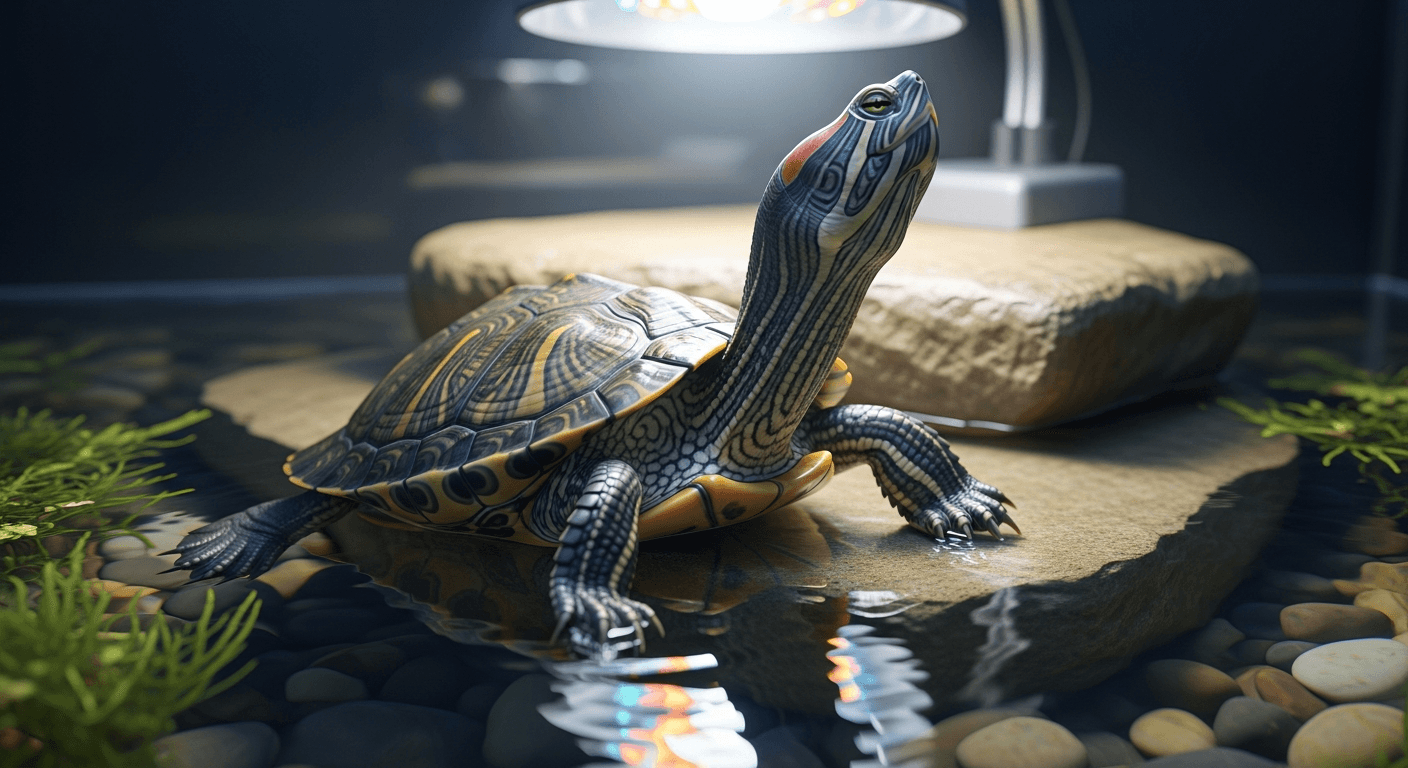
My Turtle Won't Eat: Causes, What to Check at Home, and When to See a Vet
A turtle refusing food may be hibernating, stressed, or ill. Learn how to tell the difference and when refusal to eat requires immediate veterinary attention.
 🐢 Turtle & Tortoise Health
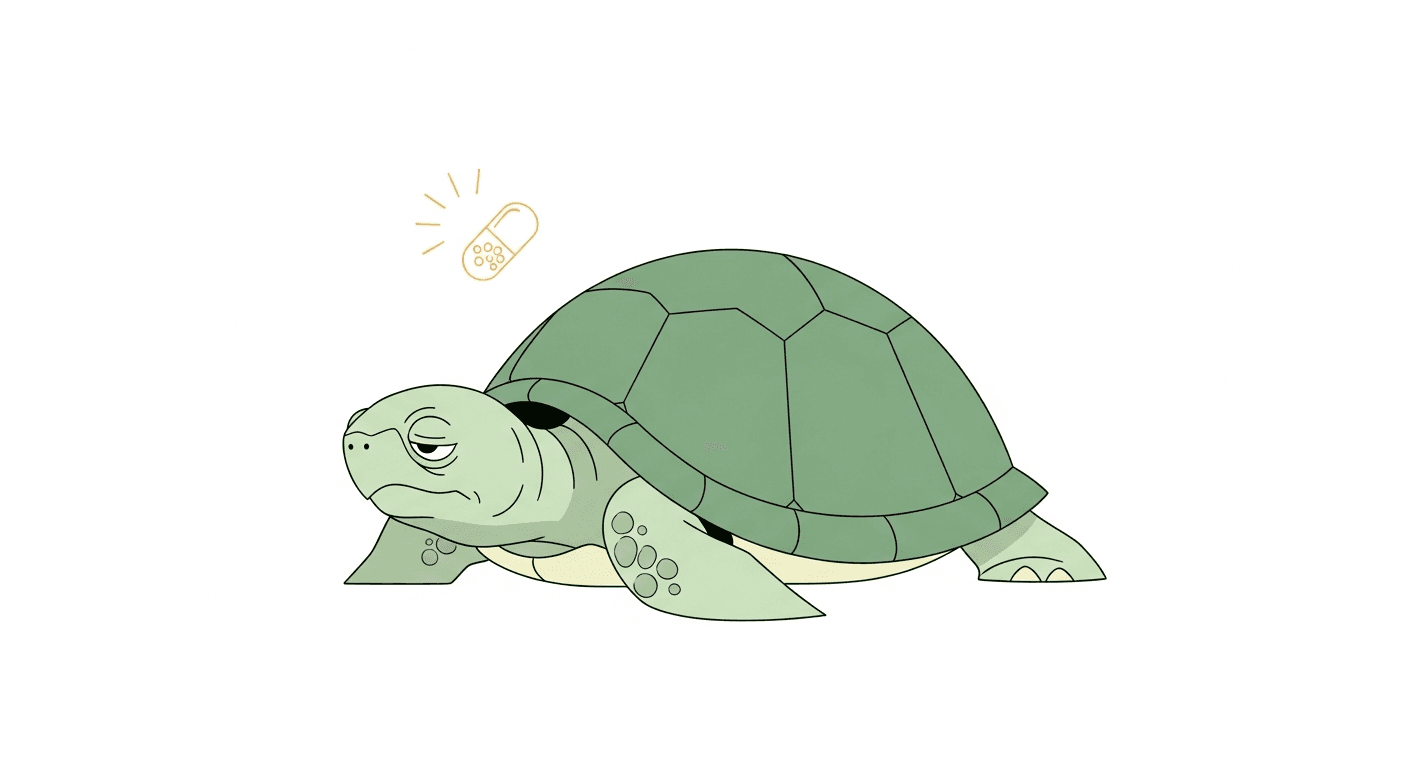
Vitamin Deficiencies in Turtles: Vitamin A, D3, and Calcium Explained
Nutritional deficiencies cause most preventable illness in captive turtles. Learn which vitamins matter most, how deficiency presents, and how to correct it safely.
 🐢 Turtle & Tortoise Health
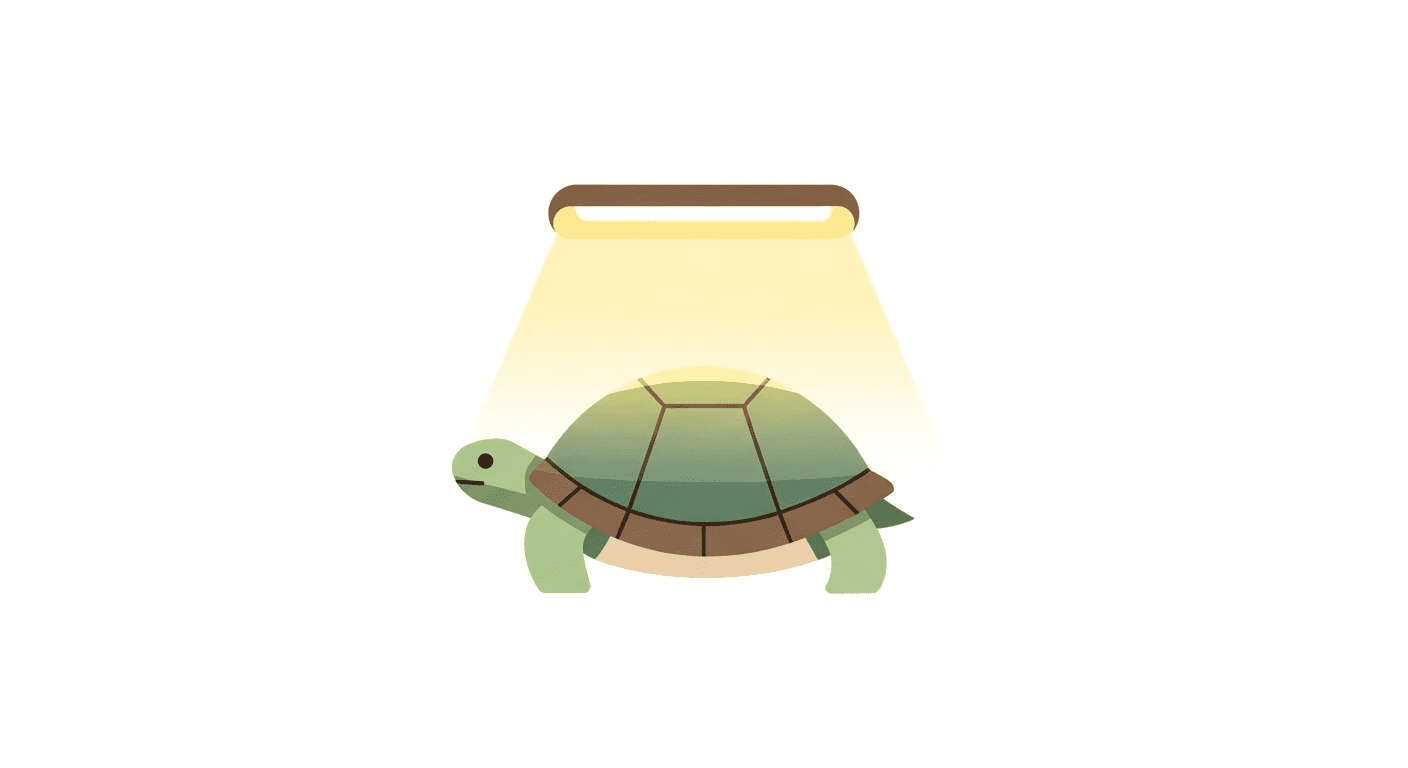
UVB Lighting for Turtles and Tortoises: Getting It Right to Prevent Disease
UVB is essential for turtle health and most problems in captive turtles trace back to inadequate UVB. Learn how to choose, install, and replace UVB lighting correctly.
 🐢 Turtle & Tortoise Health
Daily Care Checklist for Turtles and Tortoises: Building Habits That Prevent Disease
Consistent daily care prevents most common turtle health problems. Use this checklist to build a daily routine that catches problems early and maintains long-term health.