
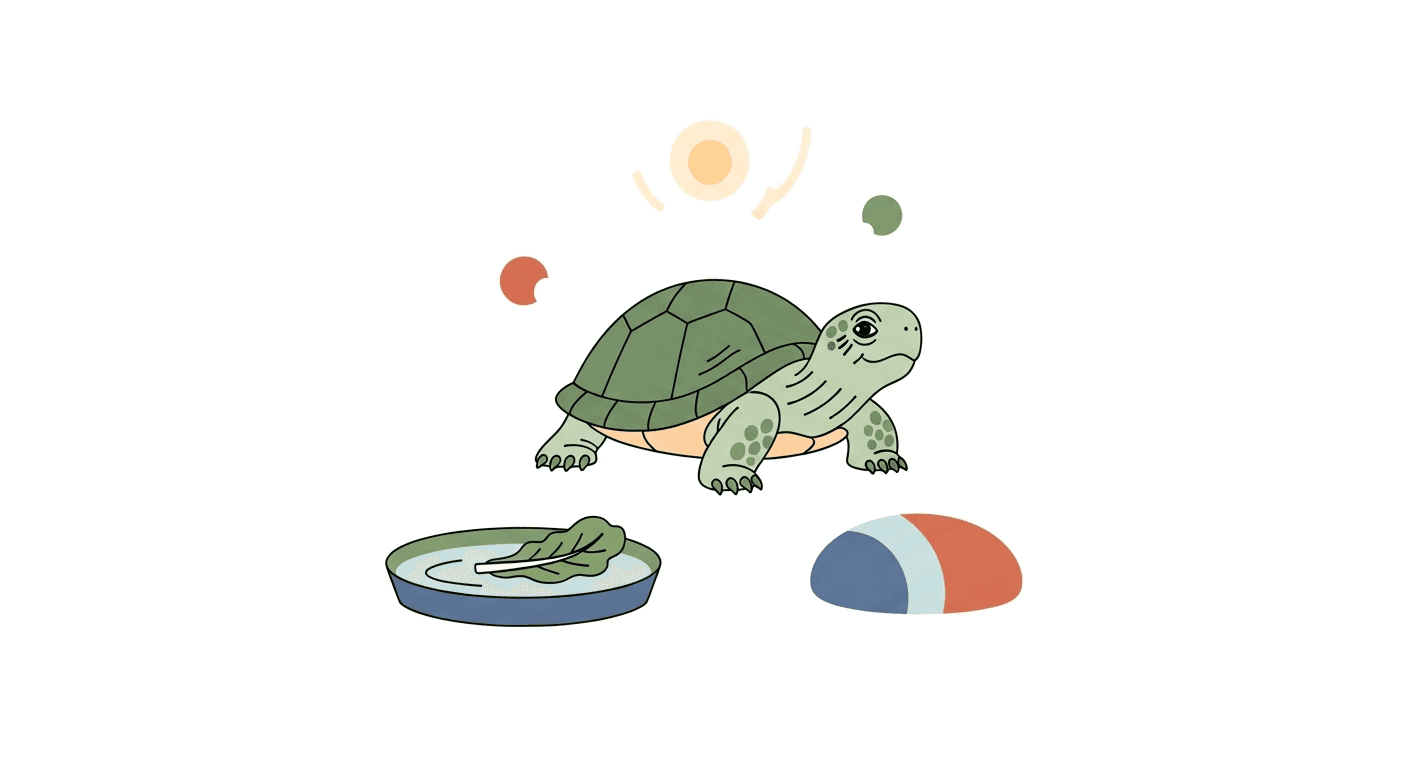
How Age Affects Turtle and Tortoise Health
Turtles and tortoises are remarkably long-lived animals, and many chelonians in captivity have excellent health into their second, third, or even fourth decade. However, aging does bring increased susceptibility to certain conditions: kidney disease, reproductive problems in females, arthritis and joint changes, reduced immune competence, and a greater sensitivity to environmental stressors.
The definition of "senior" varies enormously by species — a tortoise at 30 years may be middle-aged, while a small turtle species at 15 years may be genuinely old.
First 3 Steps at Home
- Increase wellness exam frequency: An annual exam is appropriate for most adult turtles. For individuals over 15–20 years, semi-annual exams allow earlier detection of age-related changes including kidney function decline (bloodwork), reproductive tract issues (ultrasound), and joint changes (physical examination). Early detection is the only intervention that makes a difference for most age-related conditions.
- Monitor weight more closely: Age-related muscle wasting, reduced appetite, and metabolic changes all lead to weight loss in older turtles before other symptoms appear. Increase weighing frequency from monthly to bi-weekly for older animals. A consistent downward trend without explanation warrants prompt veterinary assessment.
- Optimize the environment for reduced mobility: Older tortoises with joint changes may need a flatter, lower enclosure with easier access to food, water, and the basking site. Older aquatic turtles may need lower water levels if swimming strength has decreased. Small environmental adjustments maintain quality of life as mobility changes.
When to Go to the Vet Immediately
- Sudden weight loss in a previously stable older turtle
- Behavioral changes: increased aggression, confusion, loss of normal foraging behavior
- Any new swelling, discharge, or physical change
- Female older than 10 years that hasn't been reproductively assessed — ovarian/reproductive problems increase with age
Follow-Up Care Checklist
- Annual bloodwork (uric acid, kidney values, calcium) helps detect metabolic changes before they become crises
- Maintain optimal temperatures — older turtles may have reduced thermoregulatory ability
- Continue UVB even for very old animals — vitamin D3 synthesis remains important
- Provide easily accessed, highly palatable foods if appetite has reduced
- Consider whether brumation remains appropriate for very elderly animals — discuss with your vet annually
Track Senior Health with TailRounds
For older turtles, the TailRounds Daily Log becomes even more important — log weight, appetite, activity, and any new physical observations at every check to build a detailed aging health record.
Book a Vet Appointment
Semi-annual exams for older turtles are the best investment in healthy aging. Book at Happy Paws for a comprehensive senior wellness assessment including bloodwork.
Summary for Your Clinic Visit
Bring your full weight history, note any behavioral or physical changes over the past 6–12 months, describe any adjustments you've made to the environment, and mention all supplements and their frequency.
Continue Reading
 🐢 Turtle & Tortoise Health
Monitoring Your Turtle's Weight: Why It Matters and How to Do It Right
Regular weight monitoring is the most reliable way to catch health problems early in turtles. Learn how often to weigh, what changes mean, and the Jackson Ratio for tortoises.
 🐢 Turtle & Tortoise Health
Vitamin Deficiencies in Turtles: Vitamin A, D3, and Calcium Explained
Nutritional deficiencies cause most preventable illness in captive turtles. Learn which vitamins matter most, how deficiency presents, and how to correct it safely.
 🐢 Turtle & Tortoise Health
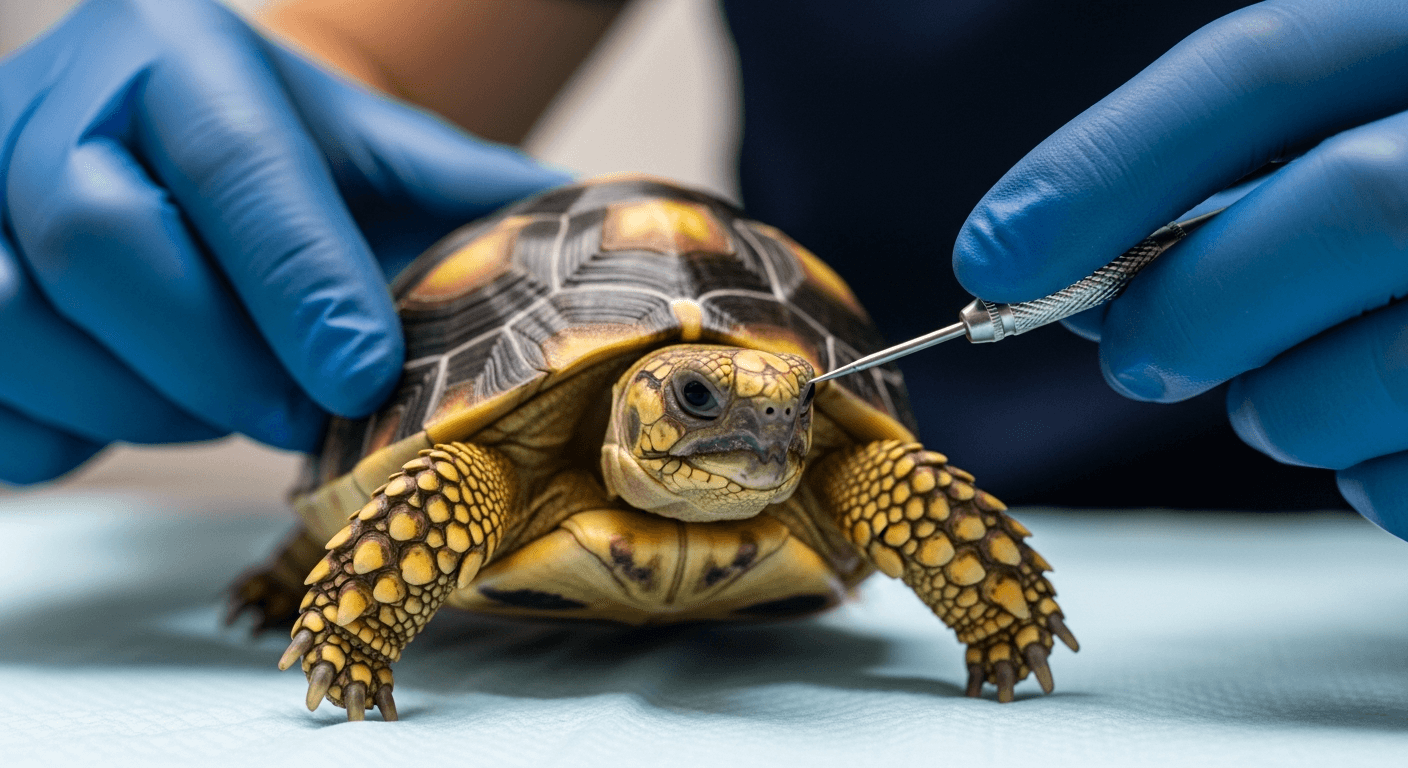
Turtle Shell Problems: Soft Shell, Shell Rot, and Pyramid Scutes Explained
The shell is a turtle's most visible health indicator. Learn to recognize soft shell (metabolic bone disease), shell rot, injuries, and what each requires in terms of treatment.
 🐢 Turtle & Tortoise Health
Daily Care Checklist for Turtles and Tortoises: Building Habits That Prevent Disease
Consistent daily care prevents most common turtle health problems. Use this checklist to build a daily routine that catches problems early and maintains long-term health.