
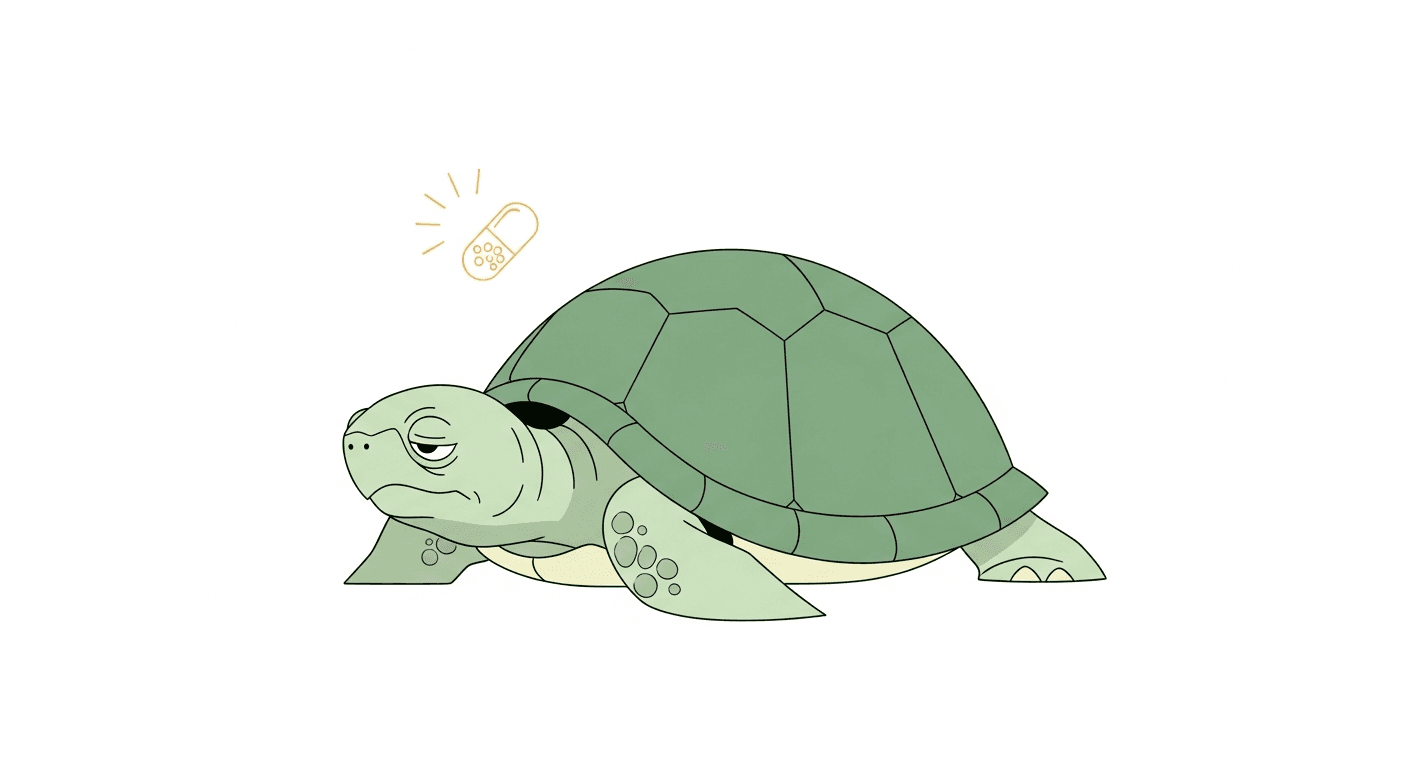
Why Nutritional Deficiency Is the Leading Cause of Illness in Captive Turtles
Wild turtles eat a diverse range of foods appropriate for their environment and bask under natural sunlight. Captive turtles often receive a limited diet and inadequate UV exposure, making deficiency of several critical nutrients the norm rather than the exception in poorly maintained animals. Vitamin A, D3, and calcium deficiencies are the three most common nutritional problems — each producing a distinct and recognizable pattern of illness.
First 3 Steps at Home
- Assess for vitamin A deficiency signs: Vitamin A deficiency (hypovitaminosis A) is extremely common in aquatic turtles fed primarily pellets of low quality or a feeder fish-only diet. Signs include swollen eyelids (the most characteristic symptom), ear abscesses, abnormal skin shedding, and increased susceptibility to respiratory infection. Do not self-treat with vitamin A supplements — over-supplementation causes vitamin A toxicity, which is as dangerous as the deficiency.
- Check for calcium/D3 deficiency: Soft shell, limb deformity, muscle weakness, and tremors all suggest calcium or D3 deficiency. Correct by improving UVB provision (see UVB article) and adding appropriate calcium supplementation. For aquatic turtles, calcium can be provided via cuttlebone placed in the tank; for tortoises, calcium powder dusted on food. Both should be calcium without added D3 if UVB is correct.
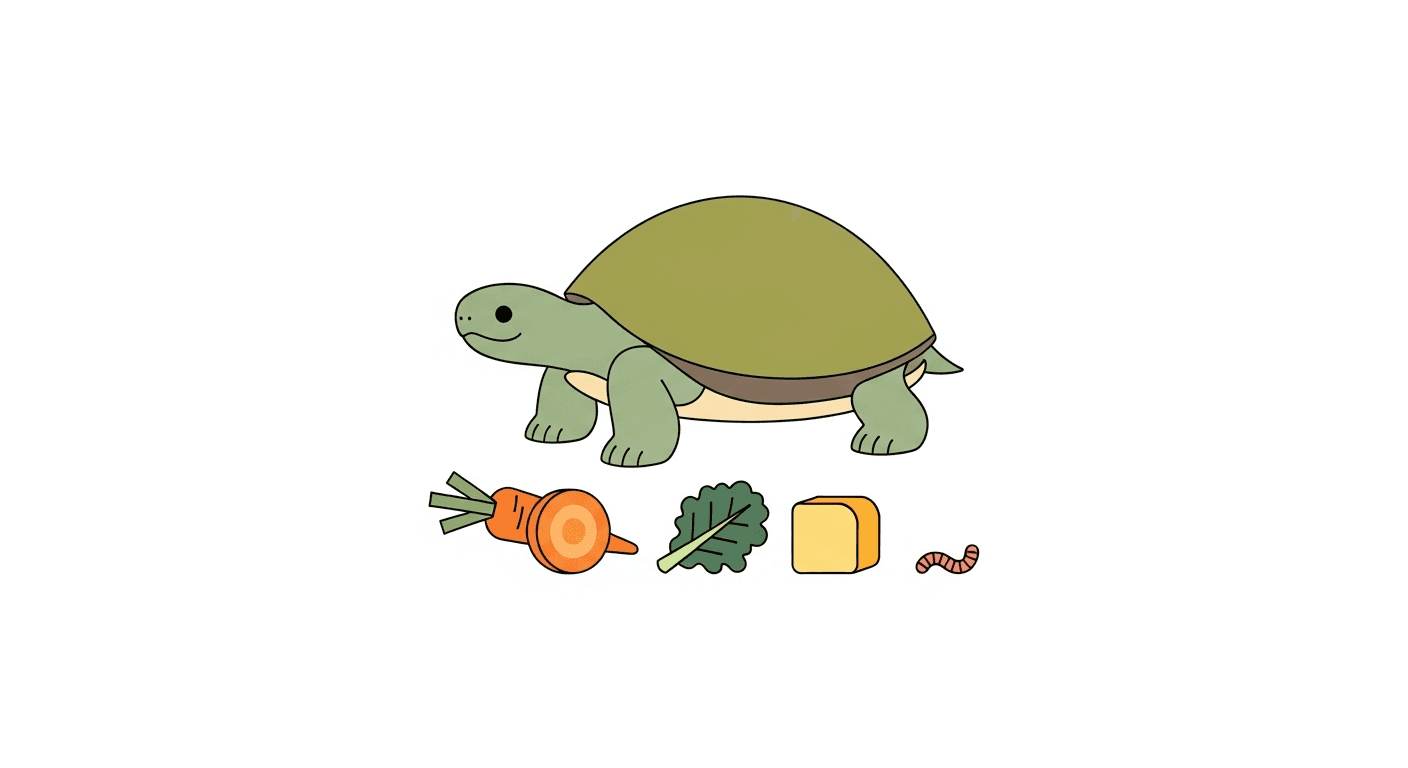
- Review the diet for overall diversity: A single food item, however nutritious, does not meet all turtle nutrient needs. Aquatic turtles need protein sources (insects, worms, quality pellets), aquatic plants, and occasional leafy greens. Tortoises need primarily mixed leafy greens, hay, and edible weeds — not fruit, which is too high in sugar for most tortoise species.
When to Go to the Vet Immediately
- Swollen, closed, or partially closed eyes — vitamin A deficiency requiring veterinary injection
- Ear swelling or abscess
- Muscle tremors or seizures — possible hypocalcemia emergency
- Complete inability to open eyes combined with refusal to eat
- Shell softness with other signs of systemic illness
Follow-Up Care Checklist
- Offer dark leafy greens (dandelion, kale, collard greens) as the primary diet for tortoises
- Use quality commercial aquatic turtle pellets as the primary base for aquatic turtles supplemented with whole prey and plants
- Dust food with calcium 3–5 times per week
- Use a multivitamin with D3 once weekly if UVB provision is suboptimal
- Never supplement vitamin A at home without specific veterinary guidance
Track Supplementation with TailRounds
Log supplement types, frequency, and diet observations in the TailRounds Daily Log. Consistent supplementation records help identify whether a deficiency is likely to develop before symptoms appear.
Book a Vet Appointment
Suspected vitamin deficiency requires veterinary assessment. Blood calcium and vitamin levels can be tested. Book at Happy Paws with our exotic team for a nutrition-focused wellness exam.
Summary for Your Clinic Visit
Describe current diet in detail, supplementation routine, UVB setup, and specific symptoms observed. Bring any supplement product labels to show your vet.
Continue Reading
 🐢 Turtle & Tortoise Health
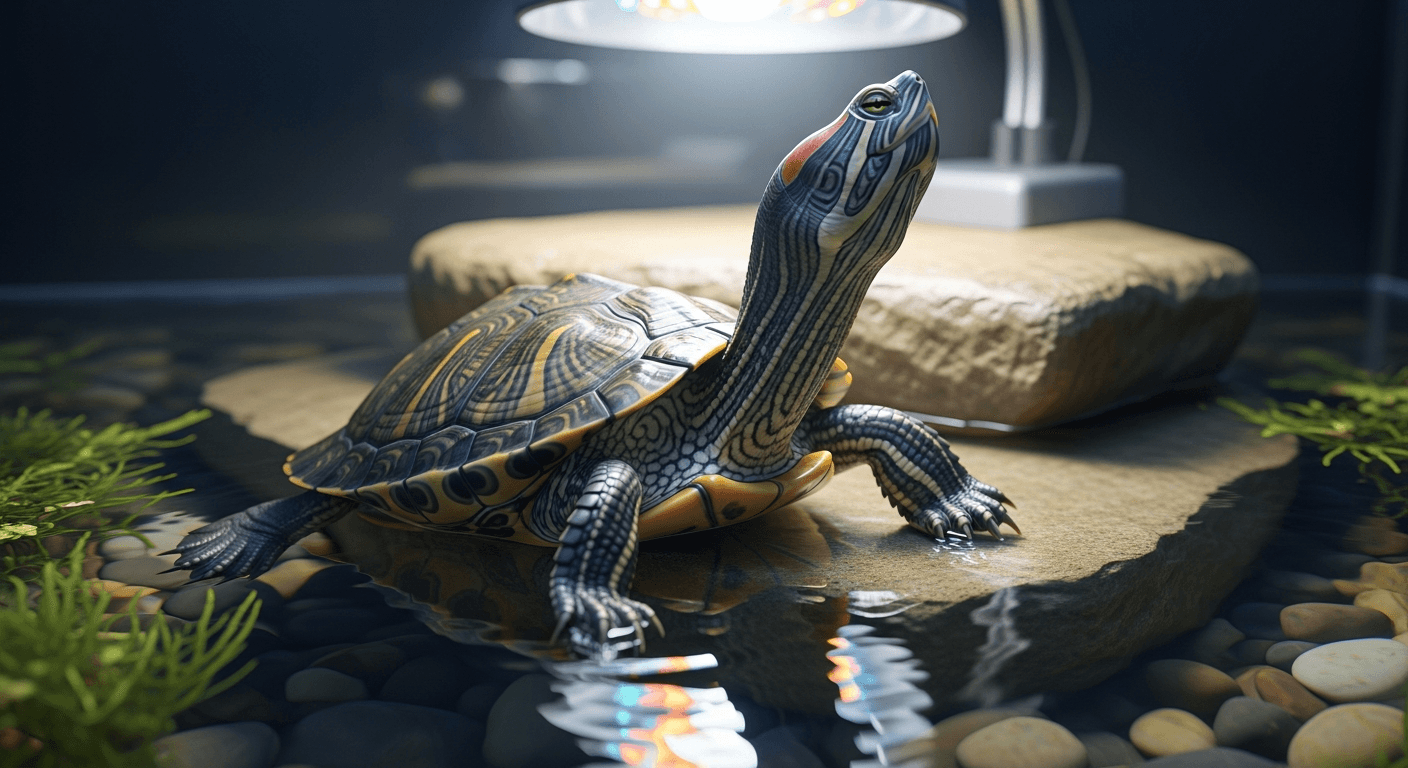
My Turtle Won't Eat: Causes, What to Check at Home, and When to See a Vet
A turtle refusing food may be hibernating, stressed, or ill. Learn how to tell the difference and when refusal to eat requires immediate veterinary attention.
 🐢 Turtle & Tortoise Health
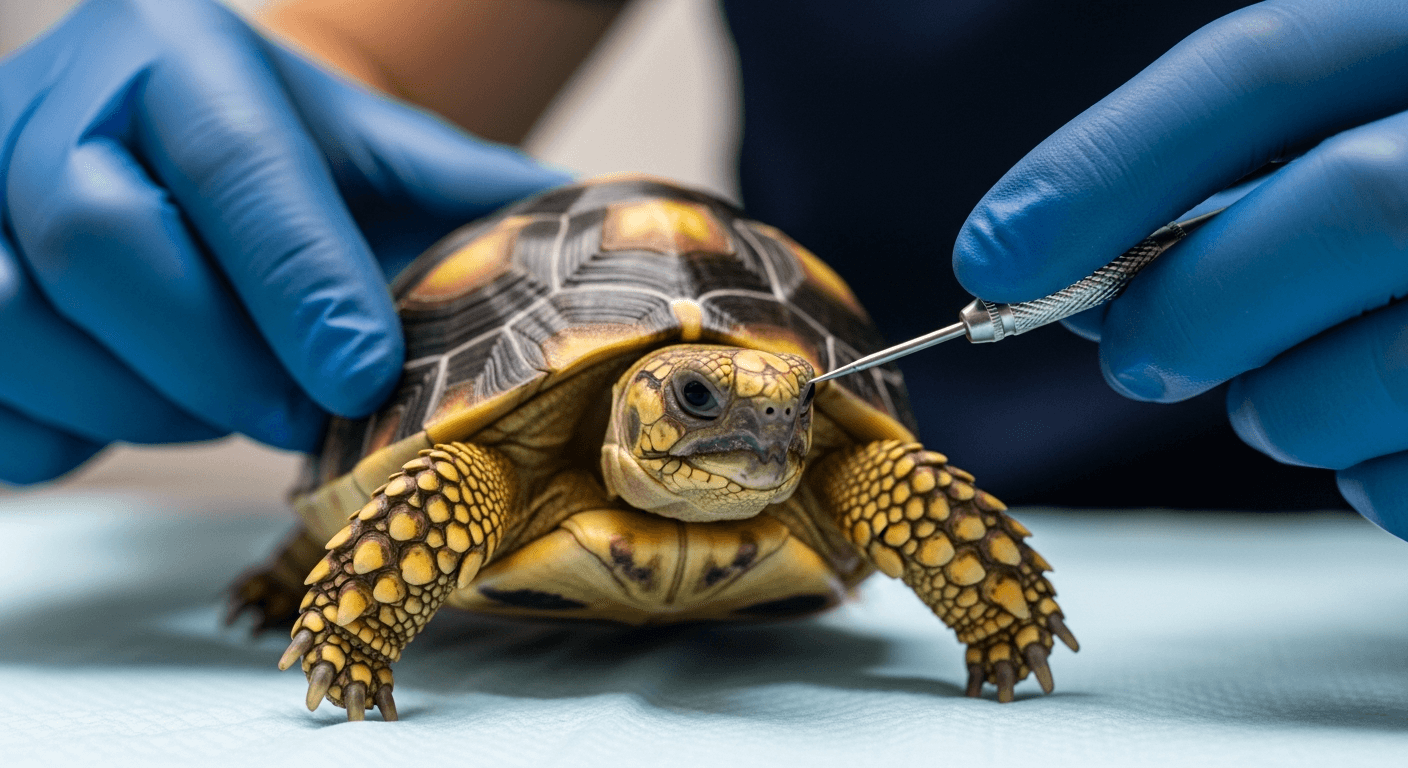
Turtle Shell Problems: Soft Shell, Shell Rot, and Pyramid Scutes Explained
The shell is a turtle's most visible health indicator. Learn to recognize soft shell (metabolic bone disease), shell rot, injuries, and what each requires in terms of treatment.
 🐢 Turtle & Tortoise Health
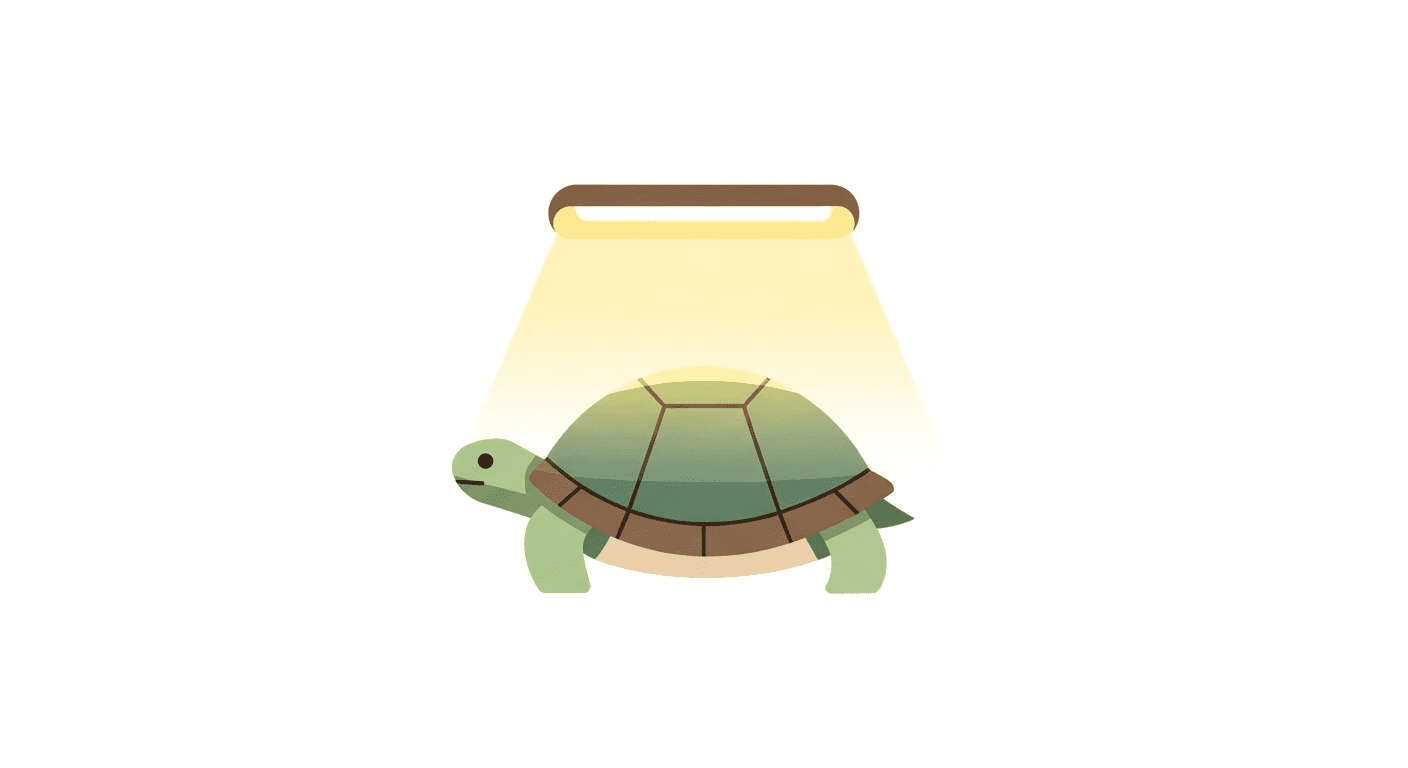
UVB Lighting for Turtles and Tortoises: Getting It Right to Prevent Disease
UVB is essential for turtle health and most problems in captive turtles trace back to inadequate UVB. Learn how to choose, install, and replace UVB lighting correctly.
 🐢 Turtle & Tortoise Health
Complete Turtle and Tortoise Diet Guide: What to Feed by Species
Feeding requirements vary enormously between turtle species. This guide covers aquatic turtles, box turtles, and tortoises with practical food lists and common mistakes to avoid.