
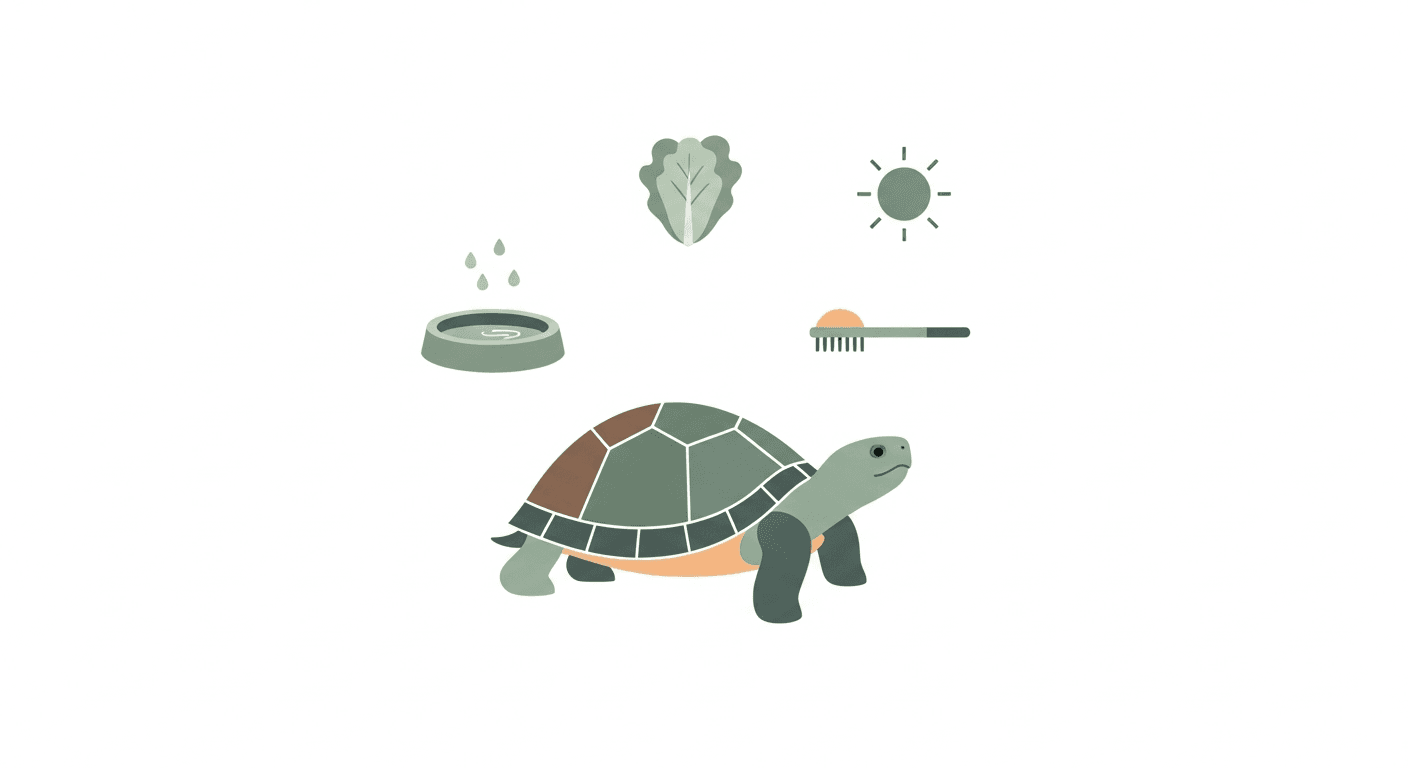
What New Turtle Owners Are Usually Not Told
Turtles and tortoises are among the most commonly surrendered pets — not because they are difficult animals in principle, but because most new owners are not given accurate information about their needs. They live for decades (tortoises frequently outlive their owners). They require specialized UVB lighting, exact temperatures, species-appropriate diet, and water quality management for aquatic species. A 20-dollar red-eared slider hatchling requires a 100-gallon tank, a high-output UVB light, and a quality canister filter as an adult.
This is not a reason not to keep turtles — it is a reason to know what you're committing to before you begin.
First 3 Steps at Home
- Set up the habitat completely before the turtle arrives: Do not bring a turtle home to an unfinished setup. For aquatic turtles, cycle the tank for 4–6 weeks before introduction. For tortoises, confirm the temperature gradient, UVB provision, and substrate depth before the animal arrives. A turtle placed in a correct environment from day one is far less stressed and healthier than one that is moved through multiple temporary setups.
- Allow a 2-week acclimation period: Do not handle a new turtle for the first 2 weeks. Allow it to acclimate to the new environment without the additional stress of handling. Observe from a distance, confirm it is eating, and let it settle. Most turtles that "don't eat" in a new home simply need time and correct environmental conditions before normal behavior resumes.
- Book a first wellness exam within 30 days: A veterinary health check within the first month serves multiple purposes: it establishes baseline health records, identifies any conditions present from the seller, checks for parasites (especially in wild-caught animals), and gives you the opportunity to review your setup with an expert. This is one of the best investments in a new turtle.
When to Go to the Vet Immediately
- Any respiratory signs in the first weeks — new animals often have subclinical infections that surface under acclimation stress
- Refusal to eat for more than 3 weeks at correct temperatures
- Any physical abnormality noticed on close inspection
- Behavioral signs of distress: persistent escape attempts, complete hiding, floating abnormally
Follow-Up Care Checklist
- Research your specific species thoroughly — requirements vary enormously between species
- Connect with reptile keeper communities for your species
- Schedule annual wellness exams and fecal parasite tests
- Plan for the animal's lifespan — some tortoises live 80–100 years and need succession planning
- Budget for veterinary care — reptile vet costs are significant; pet insurance is available for reptiles
Track New Turtle Health with TailRounds
Start your TailRounds Daily Log from day one. Early logs create the baseline that makes health changes detectable — and a new turtle's first year establishes the normal pattern you'll compare against for its entire life.
Book a Vet Appointment
Book a new turtle wellness check within the first month of ownership. Book at Happy Paws with our reptile-experienced exotic team for a health assessment and husbandry consultation.
Summary for Your Clinic Visit
Bring the turtle, a fecal sample if possible, your enclosure description (temperatures, UVB, substrate), current diet details, and any seller or rescue documentation available about the animal's history.
Continue Reading
 🐢 Turtle & Tortoise Health
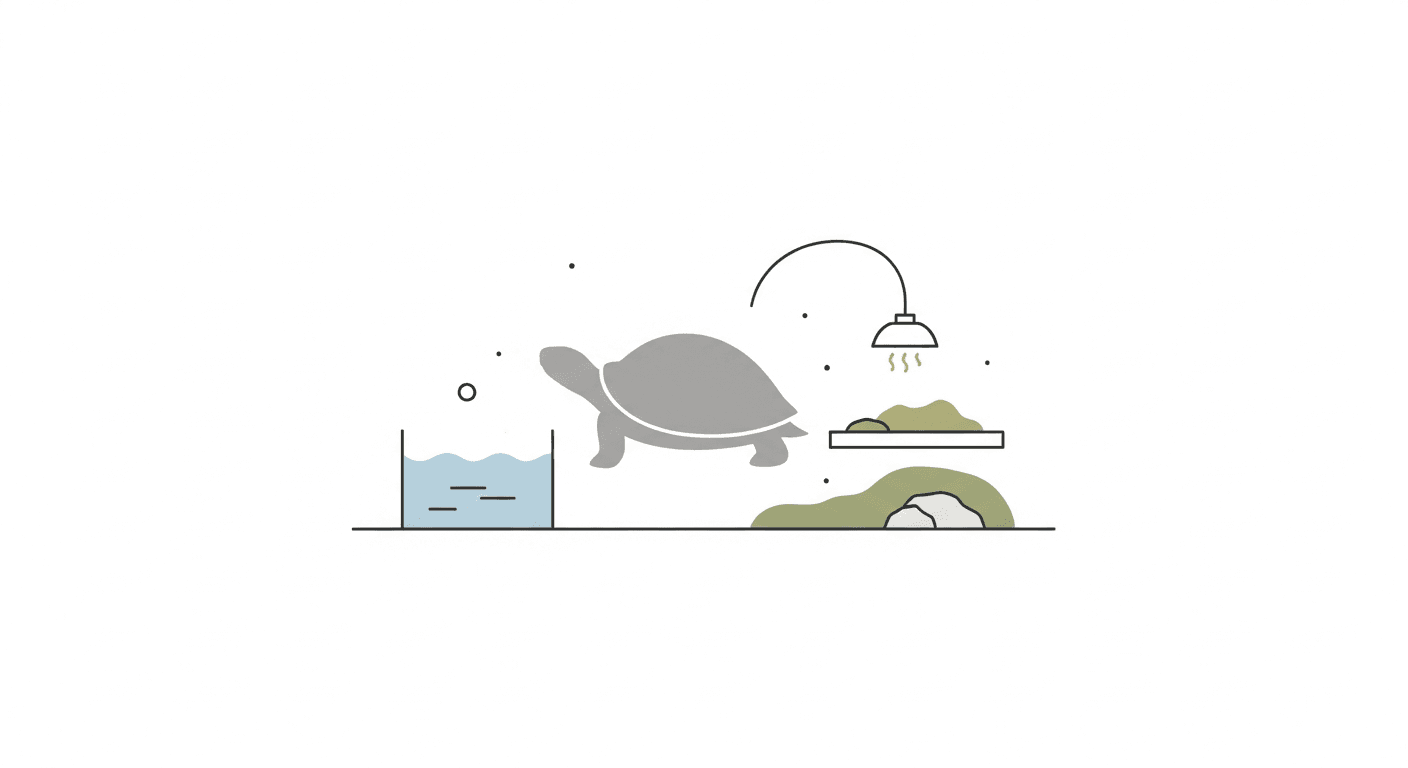
Turtle and Tortoise Housing: Species-Specific Requirements for Tanks, Terrariums, and Outdoor Pens
Turtles and tortoises have very different housing needs. This guide covers space, substrate, temperature gradients, humidity, and outdoor setups for the most common pet species.
 🐢 Turtle & Tortoise Health
UVB Lighting for Turtles and Tortoises: Getting It Right to Prevent Disease
UVB is essential for turtle health and most problems in captive turtles trace back to inadequate UVB. Learn how to choose, install, and replace UVB lighting correctly.
 🐢 Turtle & Tortoise Health
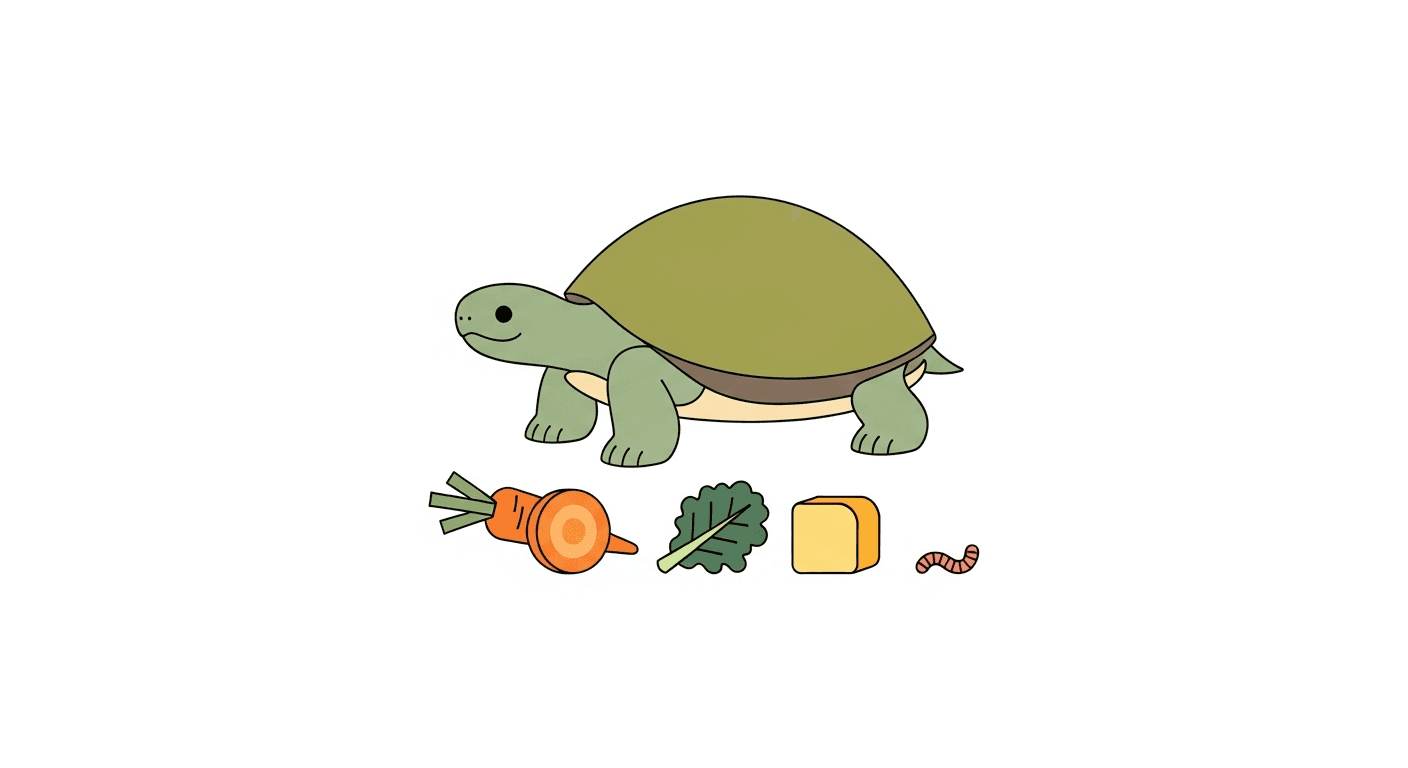
Complete Turtle and Tortoise Diet Guide: What to Feed by Species
Feeding requirements vary enormously between turtle species. This guide covers aquatic turtles, box turtles, and tortoises with practical food lists and common mistakes to avoid.
 🐢 Turtle & Tortoise Health
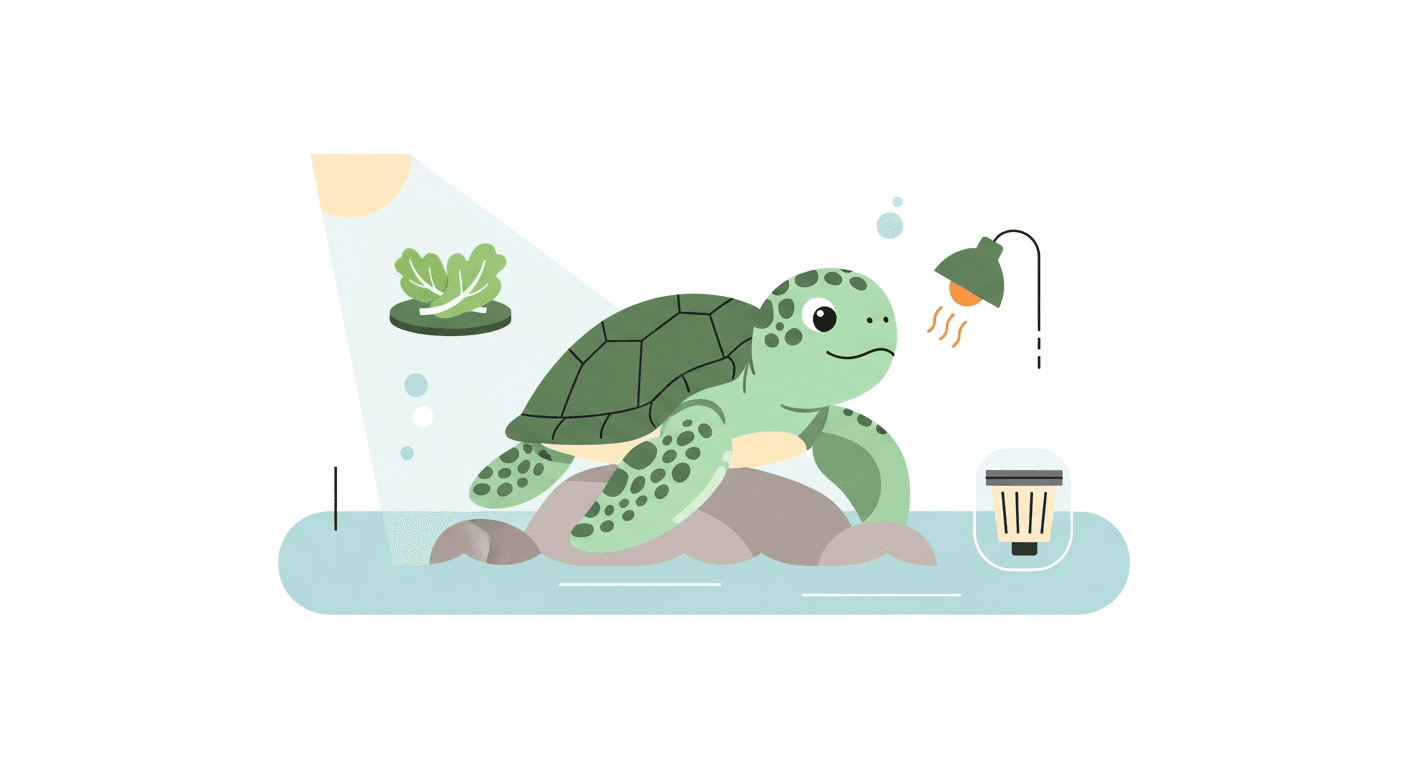
Daily Care Checklist for Turtles and Tortoises: Building Habits That Prevent Disease
Consistent daily care prevents most common turtle health problems. Use this checklist to build a daily routine that catches problems early and maintains long-term health.