
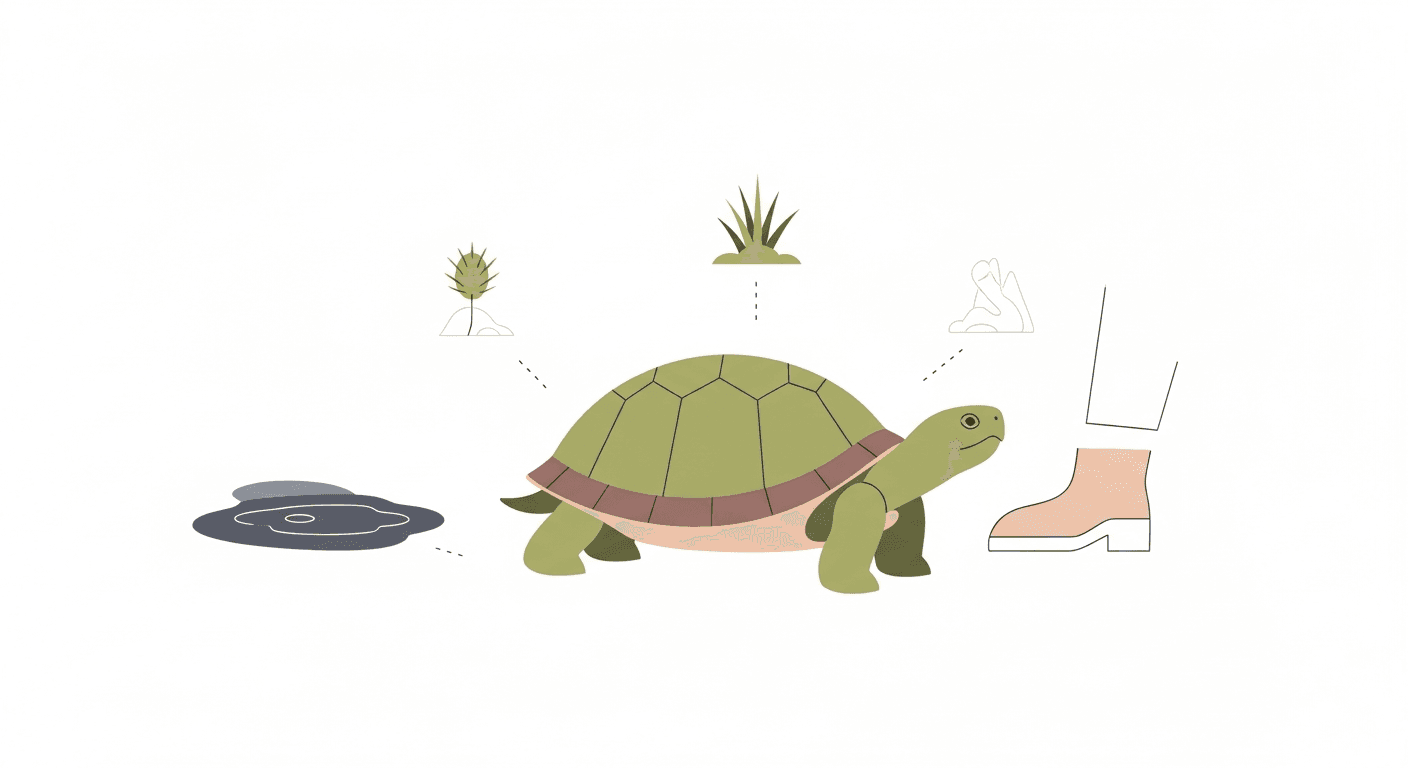
Why Outdoor Time Is Beneficial for Tortoises and Land Turtles
Natural sunlight provides a full-spectrum UVB experience that no artificial bulb can completely replicate. Natural UV levels outdoors on a clear summer day far exceed what the best T5 HO tube produces. This translates to better vitamin D3 synthesis, better calcium metabolism, stronger immune function, higher activity levels, and generally better health in tortoises given regular outdoor access.
For aquatic turtles, outdoor pond setups or seasonal outdoor time provide similar benefits alongside more natural foraging opportunities and social enrichment.
First 3 Steps at Home
- Create a secure outdoor pen: The pen must prevent escape (tortoises dig; walls need to extend below ground at least 30cm and be high enough that the tortoise cannot climb over) and prevent predator access (foxes, dogs, badgers, and even large birds of prey will attack tortoises given opportunity). A secure pen with a mesh roof is the safest option.
- Provide shade and shelter: A tortoise in direct sun with no shade option can overheat in under an hour on warm days. Provide a shaded shelter the tortoise can move to voluntarily. Never leave a tortoise or turtle outside unattended on a hot day without adequate shade.
- Check the temperature before outdoor time: Most Mediterranean tortoises are active and safe outdoors when ambient temperature is above 15°C and ideally above 20°C. Bring the animal inside or provide shelter if temperature drops below 15°C or if rain is prolonged — cold wet tortoises are at respiratory infection risk.
When to Go to the Vet Immediately
- Any injury from a predator attack — even seemingly minor wounds can harbor serious infection
- A tortoise that appears cold, unresponsive, or in respiratory distress after being outside in unsuitable weather
- Any ingestion of potential garden chemicals, pesticides, or slug pellets
- Escape and recovery after unknown period missing — may have encountered hazards or environmental stress
Follow-Up Care Checklist
- Never apply pesticides, herbicides, or slug/snail pellets to any area a tortoise accesses
- Check plants in the outdoor pen area for toxicity — some garden plants (including buttercups, daffodils, and foxgloves) are toxic to tortoises
- Worm tortoises annually if they have outdoor access — soil parasites are a real risk
- Supervise outdoor time until you are confident in your pen's security
Track Outdoor Sessions with TailRounds
Log outdoor session duration, weather conditions, and the tortoise's behavior during and after in the TailRounds Daily Log. This record helps you identify the optimal outdoor conditions for your specific animal.
Book a Vet Appointment
Annual pre-outdoor-season health checks ensure your tortoise is fit for the benefits of outdoor time. Book at Happy Paws with our exotic team each spring before the outdoor season begins.
Summary for Your Clinic Visit
Describe your outdoor pen setup, typical outdoor session duration and frequency, any hazards you've identified, and whether the tortoise has had any access to potentially treated garden areas.
Continue Reading
 🐢 Turtle & Tortoise Health
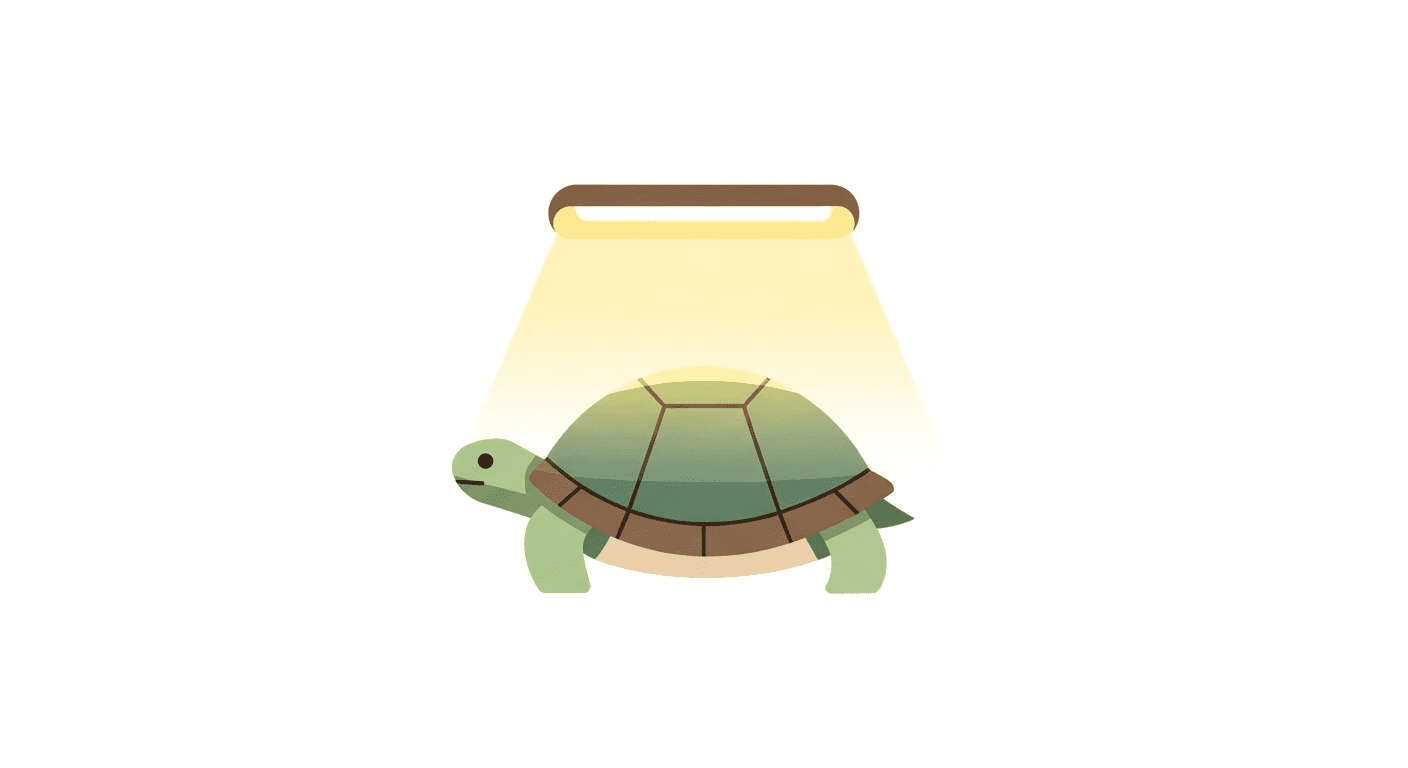
UVB Lighting for Turtles and Tortoises: Getting It Right to Prevent Disease
UVB is essential for turtle health and most problems in captive turtles trace back to inadequate UVB. Learn how to choose, install, and replace UVB lighting correctly.
 🐢 Turtle & Tortoise Health
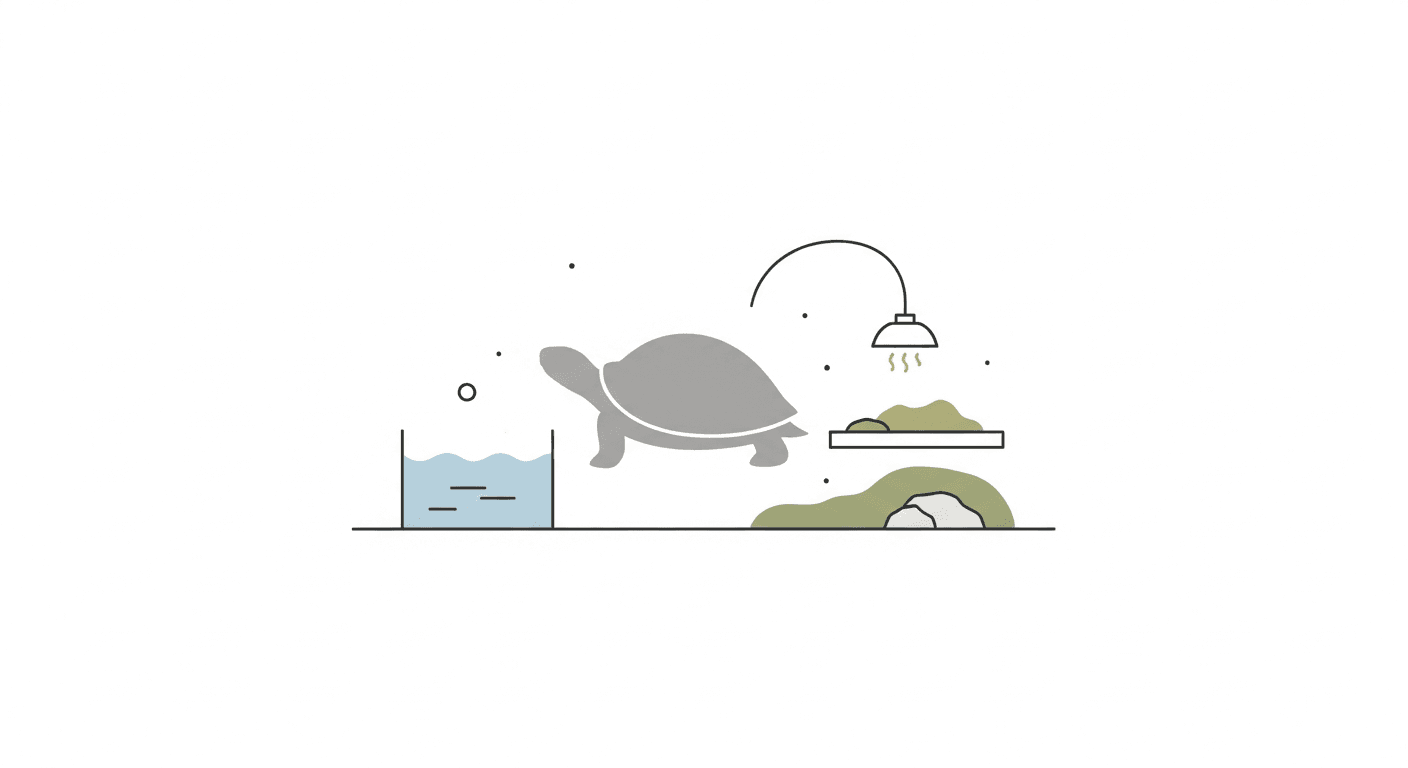
Turtle and Tortoise Housing: Species-Specific Requirements for Tanks, Terrariums, and Outdoor Pens
Turtles and tortoises have very different housing needs. This guide covers space, substrate, temperature gradients, humidity, and outdoor setups for the most common pet species.
 🐢 Turtle & Tortoise Health
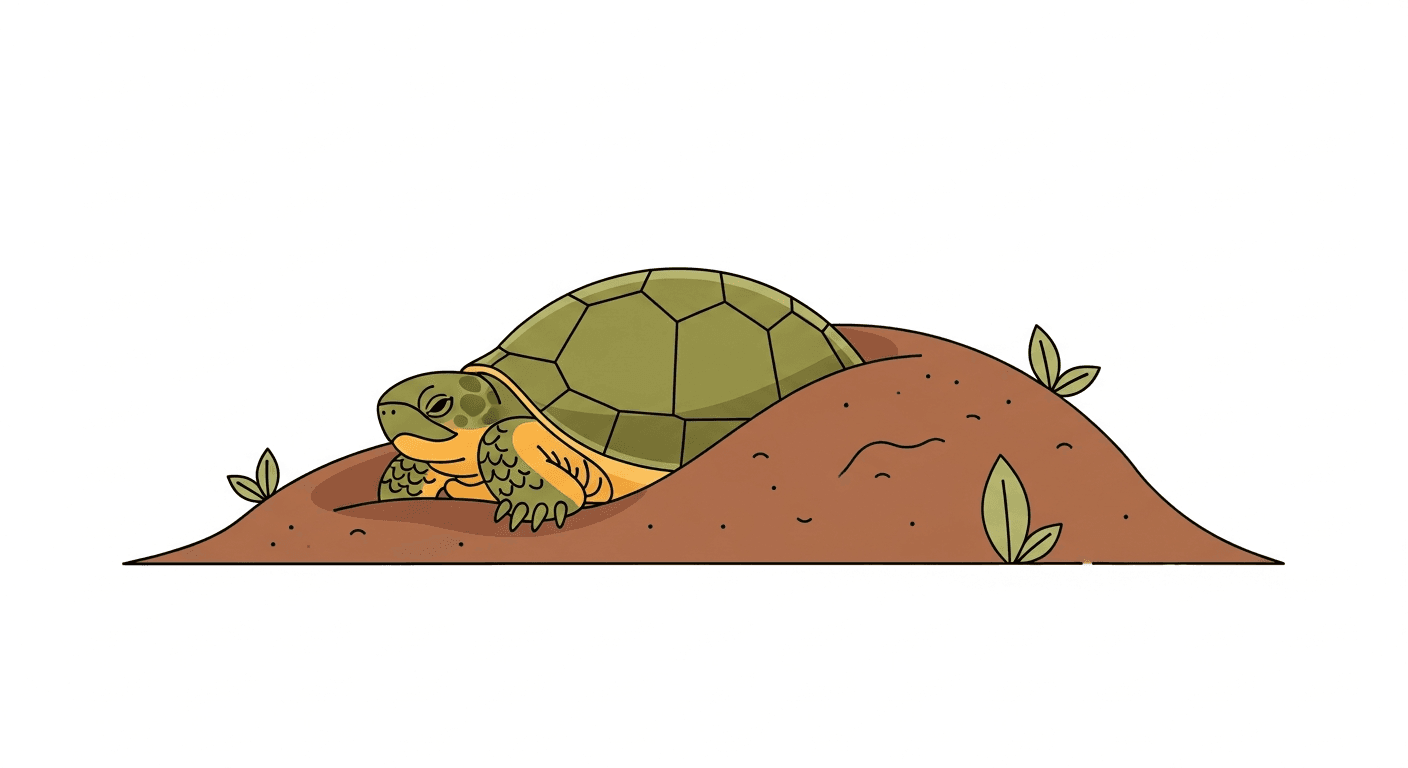
Turtle and Tortoise Hibernation (Brumation): A Safe Guide for Pet Owners
Brumation is a natural survival behavior but requires careful management in captivity. Learn when it is safe, when to skip it, and how to prevent fatalities during winter dormancy.
 🐢 Turtle & Tortoise Health
Daily Care Checklist for Turtles and Tortoises: Building Habits That Prevent Disease
Consistent daily care prevents most common turtle health problems. Use this checklist to build a daily routine that catches problems early and maintains long-term health.