
Are Turtles Social Animals?
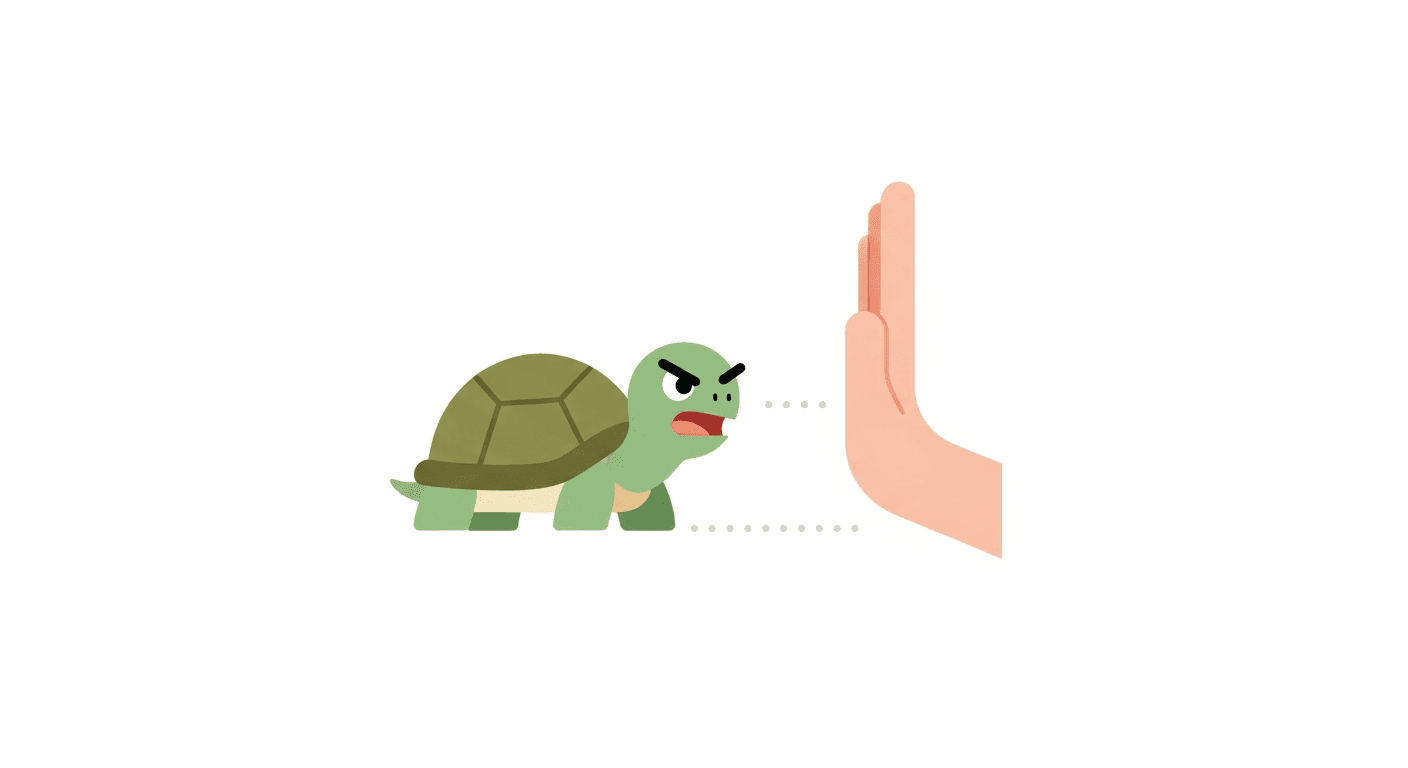
Most turtle and tortoise species are solitary in the wild and do not benefit from cohabitation in captivity. Tortoises in particular are territorial and will bite, ram, and mount other tortoises as dominance behavior — all of which cause injury, stress, and immune suppression in the subordinate animal. The injuries from turtle cohabitation are a common reason for veterinary visits, and in many cases are entirely preventable.
This does not mean turtles can never share space — but it means that cohabitation requires careful planning and constant monitoring.
First 3 Steps at Home
- Assess current cohabitation injury: Inspect all turtles in a shared space for bite marks, shell chips, limb injuries, and signs of chronic stress (persistent hiding, refusal to eat, persistent attempts to escape). Any evidence of ongoing injury or sustained stress requires immediate separation.
- Separate immediately if injury or significant stress is present: Do not try to "let them work it out" — the subordinate animal will not recover while the aggression continues. Set up a separate adequate enclosure as an immediate priority. Keep animals separate until you have a plan and appropriate setup for long-term management.
- Ensure resources are not competing: If you do maintain multiple turtles together, provide multiple basking sites, multiple feeding stations, multiple water sources, and enough space that all animals can thermoregulate, eat, and hide without competing for the same resource simultaneously. Most cohabitation aggression is resource-driven.
When to Go to the Vet Immediately
- Any bite wound — turtle bites are powerful and may cause deep tissue injury not visible on the surface
- Shell damage from ramming
- Eye injury from bite or trauma
- Any turtle that has stopped eating in a cohabited setup
Follow-Up Care Checklist
- After separating animals, monitor separated turtles for stress recovery — improved appetite and activity are good signs
- Treat any wounds with appropriate veterinary-prescribed antibiotics
- Before reintroducing animals, ensure the setup is significantly larger with multiple resource stations
- Never house two male tortoises together long-term — same-sex male cohabitation is particularly problematic
Track Behavior with TailRounds
Log individual turtle behavior, appetite, and any aggression incidents in the TailRounds Daily Log. Tracking each animal individually makes it clear whether cohabitation is causing chronic stress even when no acute injury is visible.
Book a Vet Appointment
Any bite wound or injury from cohabitation should be assessed by a vet. Book at Happy Paws for wound assessment and antibiotic treatment if needed.
Summary for Your Clinic Visit
Describe the number and species of cohabited animals, the enclosure size, any injury observed, and the duration of cohabitation. Note which animal is the aggressor and which appears chronically stressed.
Continue Reading
 🐢 Turtle & Tortoise Health
Swollen Limbs and Neck in Turtles: Causes and What to Do
Swelling of the legs, neck, or face in turtles can indicate infection, vitamin deficiency, or kidney disease. Learn what the swelling location tells you and when to seek help.
 🐢 Turtle & Tortoise Health
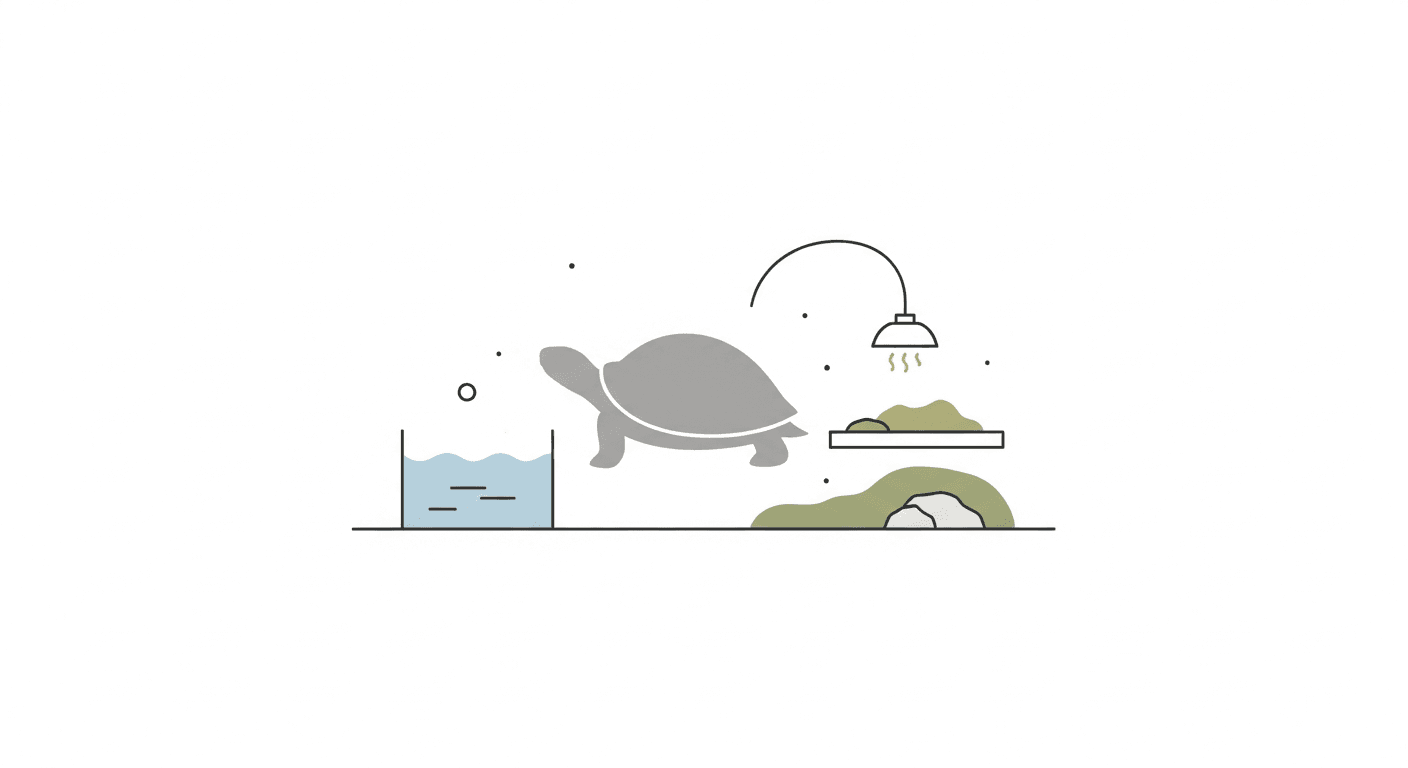
Turtle and Tortoise Housing: Species-Specific Requirements for Tanks, Terrariums, and Outdoor Pens
Turtles and tortoises have very different housing needs. This guide covers space, substrate, temperature gradients, humidity, and outdoor setups for the most common pet species.
 🐢 Turtle & Tortoise Health
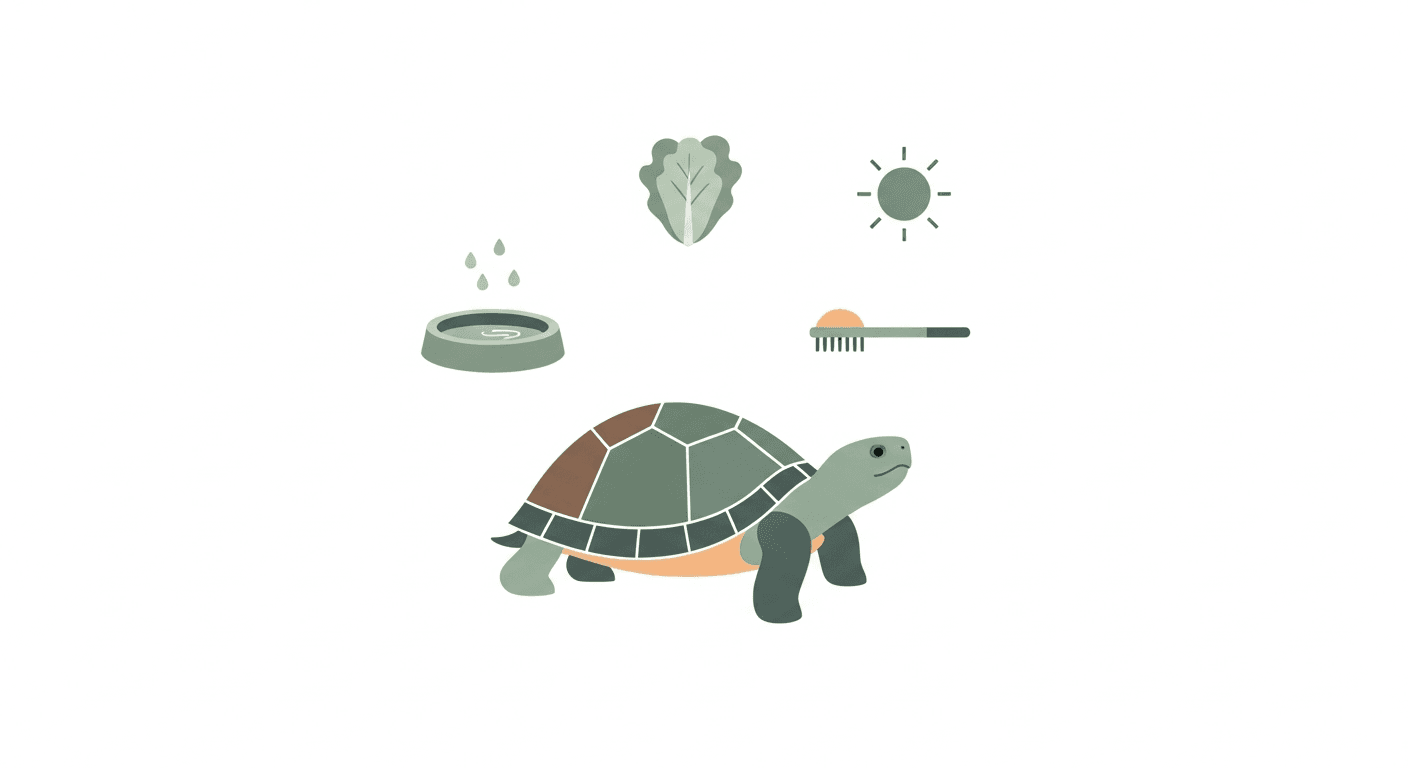
New Turtle Owner Guide: Everything You Need Before Bringing a Turtle Home
Turtles require specialized care that most pet stores don't explain. This complete guide covers what to research, what equipment you need, and the first steps after bringing your turtle home.
 🐢 Turtle & Tortoise Health
Daily Care Checklist for Turtles and Tortoises: Building Habits That Prevent Disease
Consistent daily care prevents most common turtle health problems. Use this checklist to build a daily routine that catches problems early and maintains long-term health.