
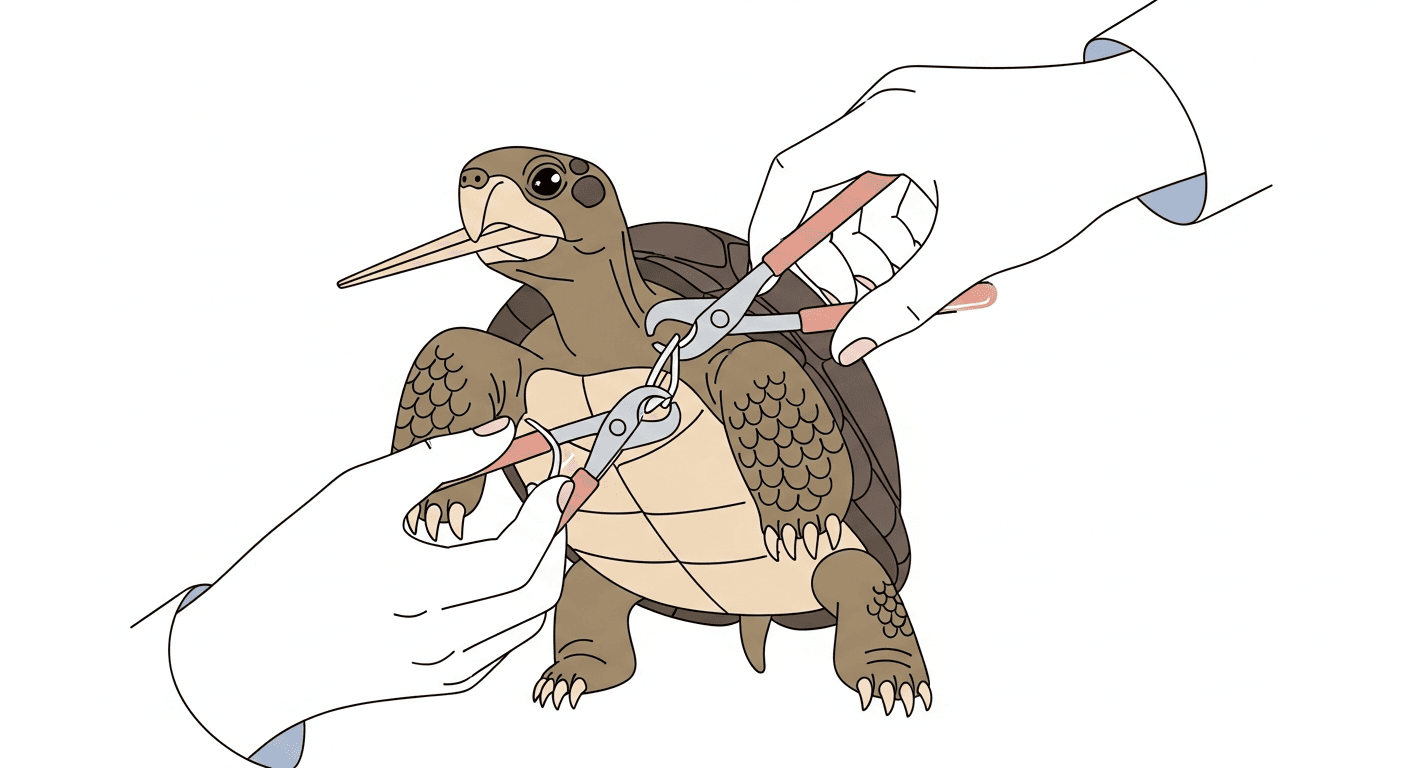
Why Captive Turtles Often Need Nail and Beak Maintenance
In the wild, turtles naturally wear down their nails and beaks through digging, foraging, and movement over rough surfaces. Captive turtles in enclosures without rough substrate or adequate physical enrichment may not wear these structures down at the same rate. Overgrown nails can catch on substrate, cause injuries, or affect gait. Overgrown beaks can misalign and prevent normal feeding, eventually causing malnutrition.
Regular assessment and appropriate substrate go a long way toward reducing the need for trimming.
First 3 Steps at Home
- Assess nails and beak at each handling: Nails should be of appropriate length for the species — not curled, not extending far beyond the toe pad. The beak should allow normal jaw closure with upper and lower jaws meeting naturally. A tortoise whose beak has grown so it overhangs the lower jaw, or hooks downward, has an overgrown beak requiring attention.
- Provide natural wear mechanisms in the enclosure: Rough stones, concrete paving slabs, and natural rock in the enclosure help wear down both nails and beaks naturally. For aquatic turtles, rough substrate and basking rocks provide nail wear. This proactive approach reduces how often manual trimming is needed.
- Nail trimming at home — only minor trimming: If you choose to trim nails at home, use sharp nail clippers and remove only the very tip — well clear of the quick (blood supply visible as a pink area in pale-nailed species). One small snip at a time. If you're uncertain or the nails are severely overgrown, book a vet visit instead — incorrect nail trimming causes pain and bleeding.
When to Go to the Vet Immediately
- Beak overgrowth severe enough to affect eating — requires professional trimming with proper tools
- Any nail that has torn, broken, or is bleeding
- Beak that has cracked or fractured
- Nail overgrowth that has resulted in difficulty walking or postural changes
Follow-Up Care Checklist
- Check nails and beak at monthly handling
- Ensure enclosure has rough surfaces appropriate for natural wear
- For beak problems in tortoises, review diet — a varied, fibrous diet including hay works the beak more than soft vegetation alone
- Include nail and beak assessment in annual wellness exam
Track Nail and Beak Condition with TailRounds
Note nail and beak observations monthly in the TailRounds Daily Log. A simple note — "nails normal, beak normal" — provides the baseline to notice when something changes over time.
Book a Vet Appointment
Beak trimming should be performed by a veterinarian or experienced exotic vet nurse. Book at Happy Paws for a routine maintenance visit if nail or beak trimming is needed.
Summary for Your Clinic Visit
Describe the severity of overgrowth, whether it is affecting eating or movement, and how long it has been noticeable. Bring the tortoise or turtle for hands-on assessment — photos are helpful but not a substitute for physical examination.
Continue Reading
 🐢 Turtle & Tortoise Health
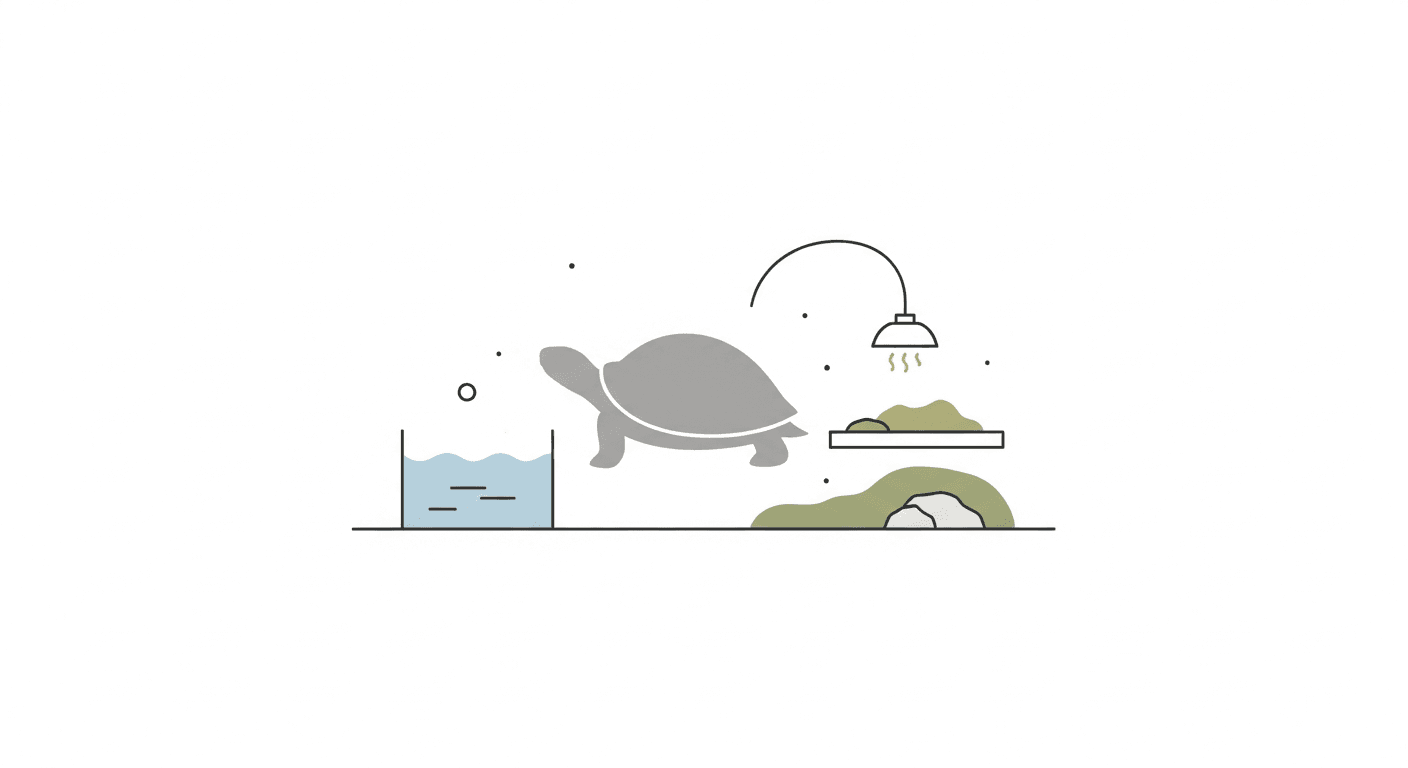
Turtle and Tortoise Housing: Species-Specific Requirements for Tanks, Terrariums, and Outdoor Pens
Turtles and tortoises have very different housing needs. This guide covers space, substrate, temperature gradients, humidity, and outdoor setups for the most common pet species.
 🐢 Turtle & Tortoise Health
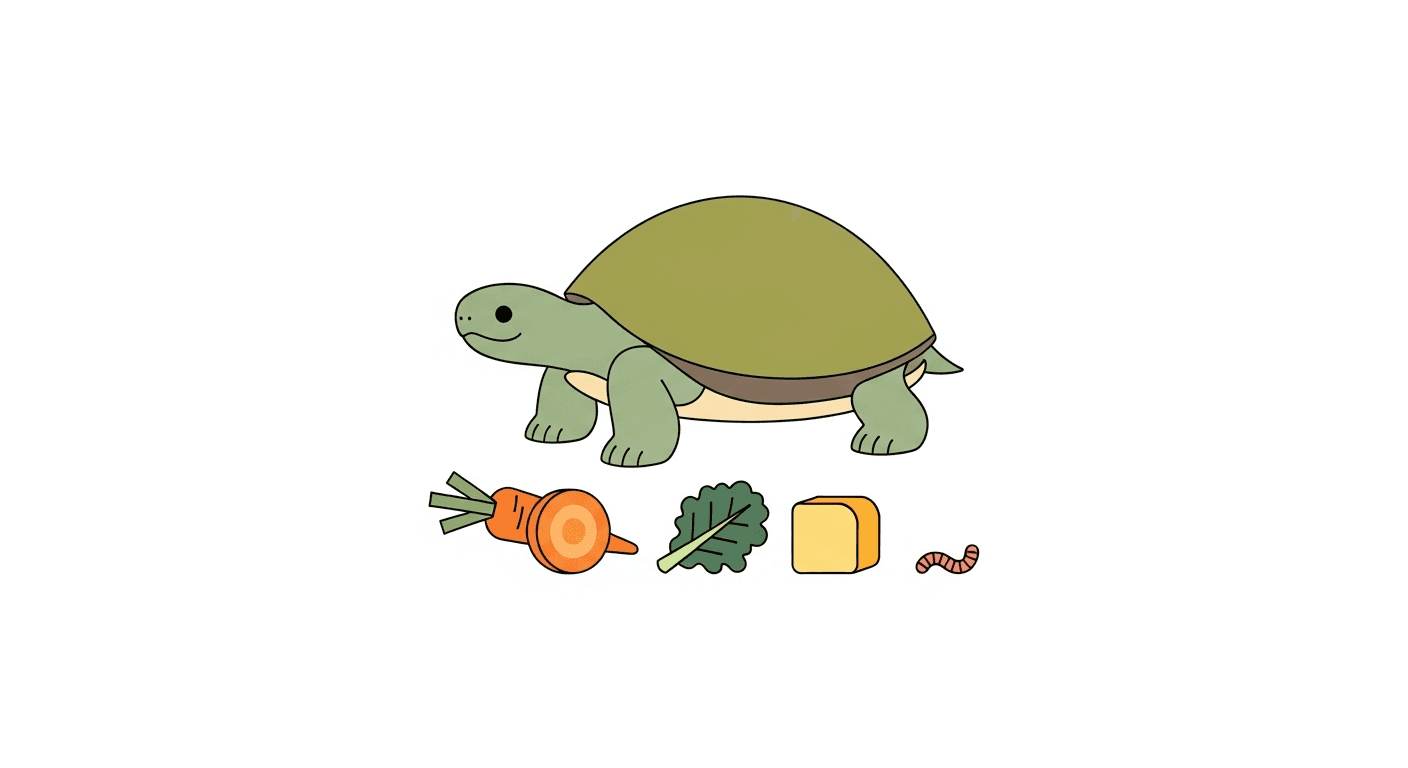
Complete Turtle and Tortoise Diet Guide: What to Feed by Species
Feeding requirements vary enormously between turtle species. This guide covers aquatic turtles, box turtles, and tortoises with practical food lists and common mistakes to avoid.
 🐢 Turtle & Tortoise Health
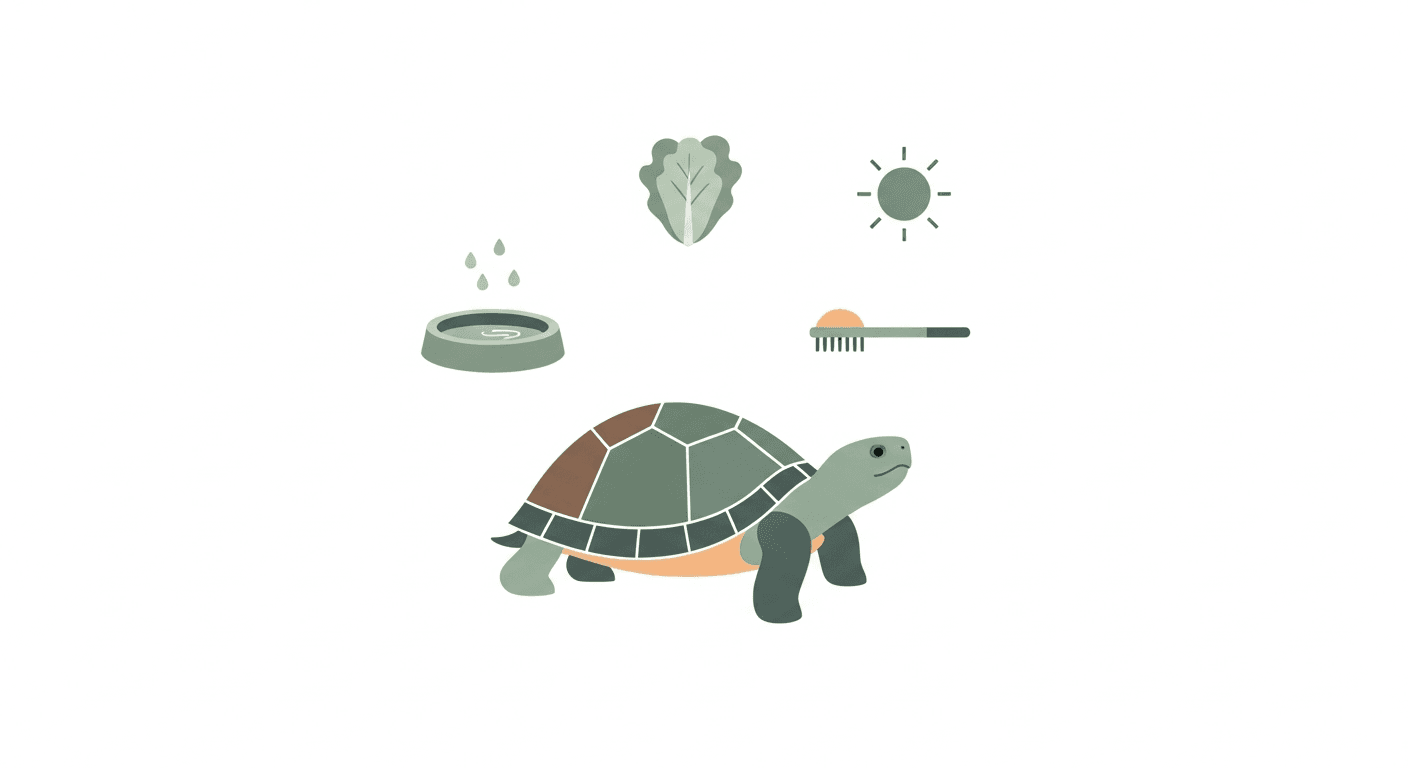
New Turtle Owner Guide: Everything You Need Before Bringing a Turtle Home
Turtles require specialized care that most pet stores don't explain. This complete guide covers what to research, what equipment you need, and the first steps after bringing your turtle home.
 🐢 Turtle & Tortoise Health
Daily Care Checklist for Turtles and Tortoises: Building Habits That Prevent Disease
Consistent daily care prevents most common turtle health problems. Use this checklist to build a daily routine that catches problems early and maintains long-term health.