
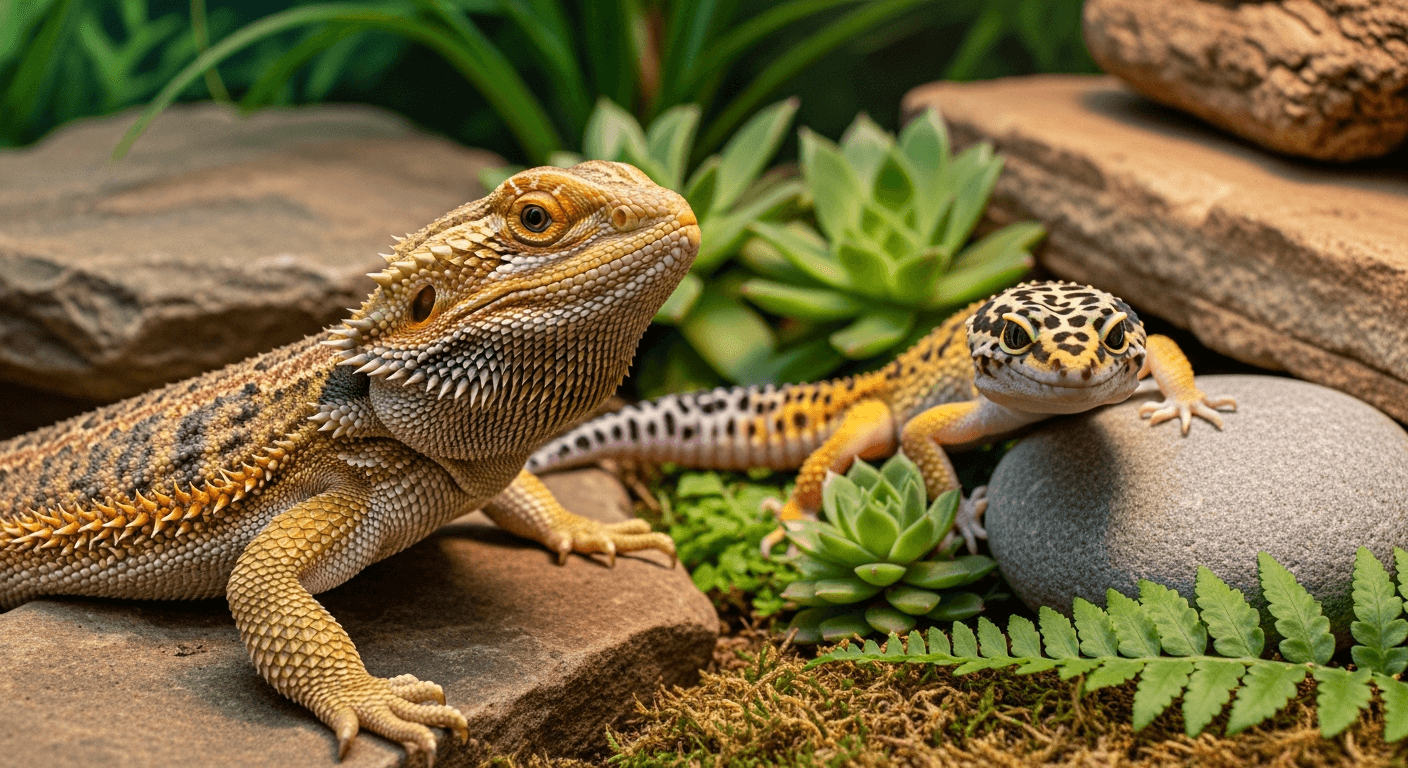
Reptile Health
Expert care guides for bearded dragons, leopard geckos, ball pythons, and other popular reptile pets.

Transporting Reptiles: Safe Transport for Vet Visits and Moves
Travel is stressful for reptiles. Learn how to transport different species safely, maintain correct temperatures during transit, and minimize health risks from transport stress.

Senior Reptile Care: Health Changes and Adjustments for Older Animals
Reptiles in captivity can live to ages wild animals rarely reach. Learn how aging affects reptile health, what conditions increase with age, and how to support a healthy senior.
Viral Diseases in Reptiles: Inclusion Body Disease, Nidovirus, and Sunshine Virus
Viral diseases in reptiles are often fatal and highly contagious. Learn about the most important viral pathogens, their signs, and what this means for prevention and quarantine.
Reptile Anesthesia: What to Know Before Your Reptile Has a Procedure
Anesthesia in reptiles carries higher risk than in mammals. Learn how to prepare your reptile, what recovery looks like, and the questions to ask your vet before any procedure.
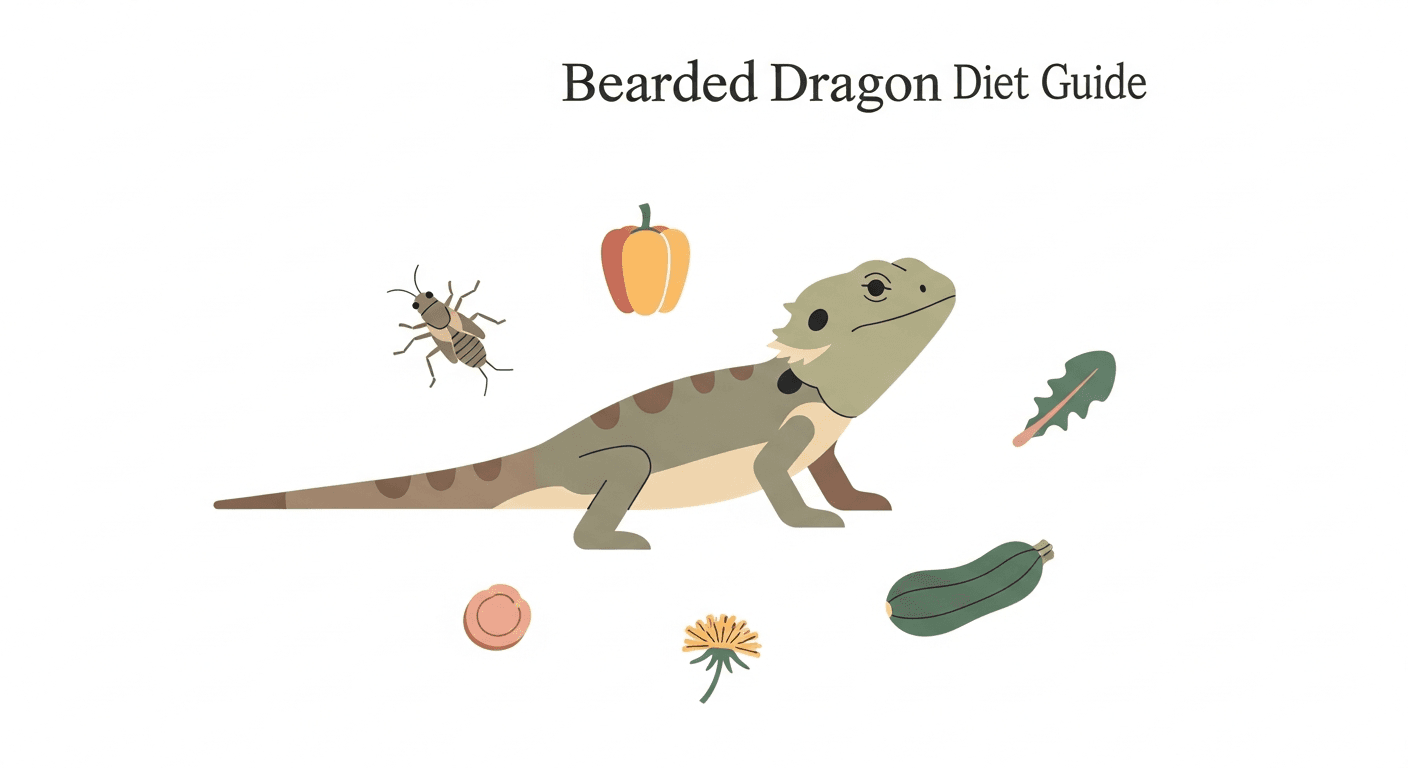
Bearded Dragon Diet Guide: What to Feed at Every Life Stage
Bearded dragon diet requirements change significantly from juvenile to adult. Learn the right protein to vegetable ratio, which foods to avoid, and how to supplement correctly.
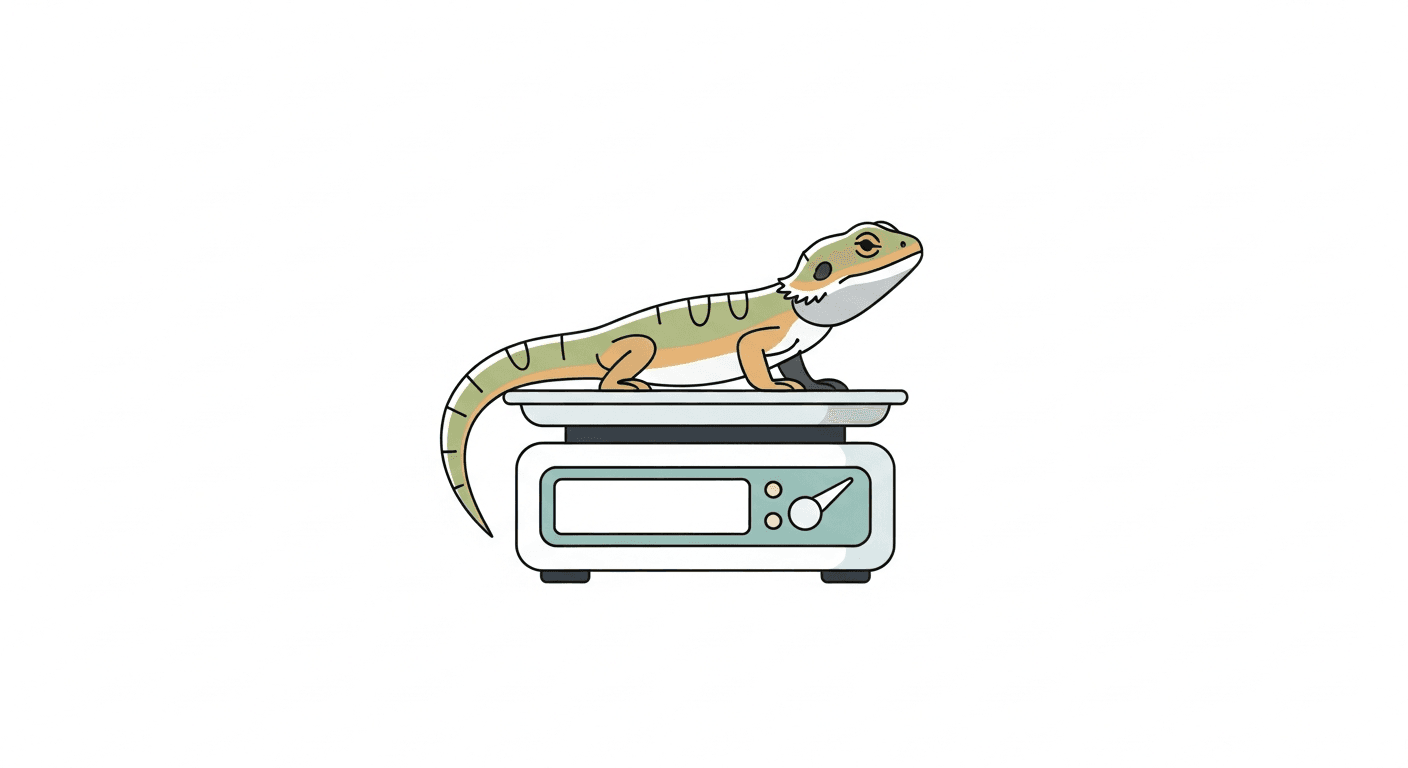
Weighing Your Reptile: Why Regular Weigh-Ins Are the Best Early Warning System
Regular weight monitoring is the most reliable way to catch health problems before they become crises. Learn how often to weigh, what changes are concerning, and how to do it accurately.
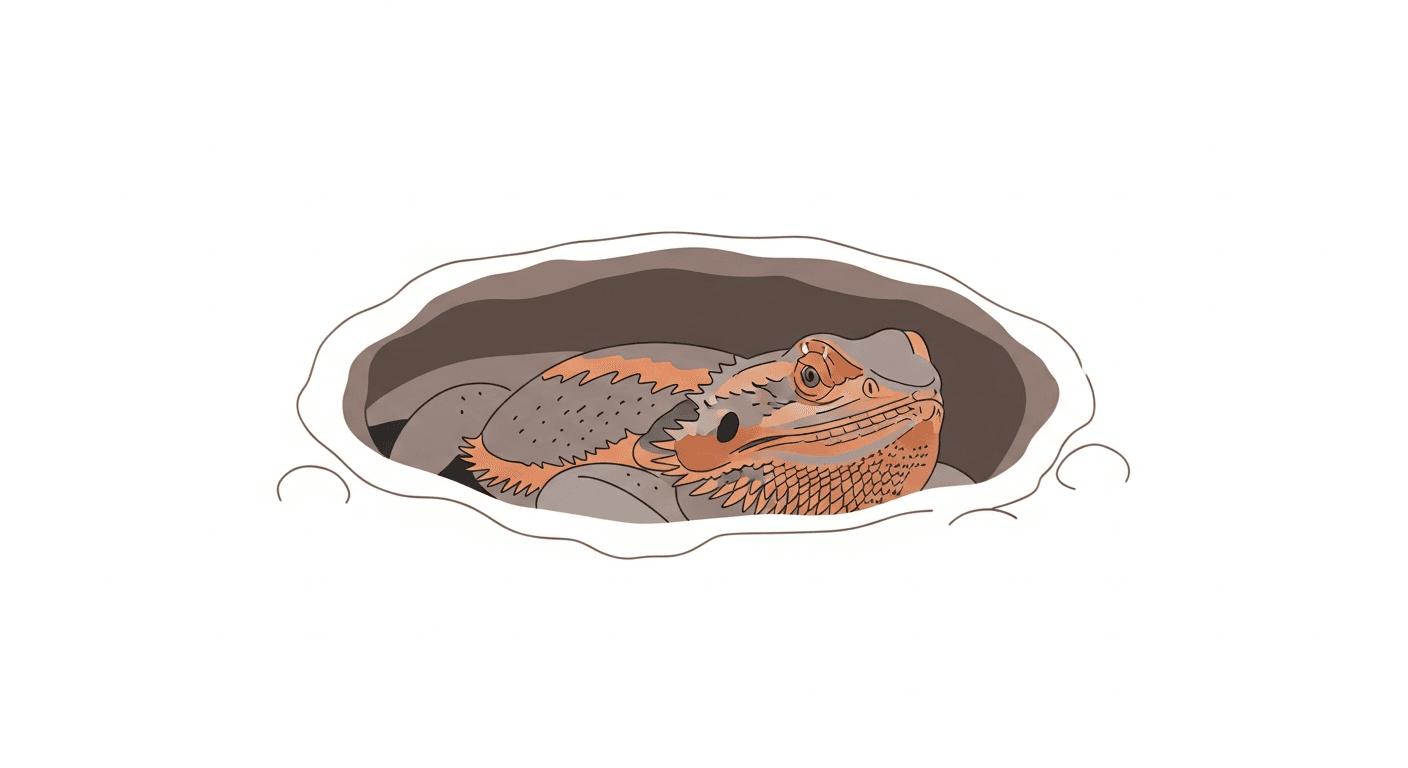
Bearded Dragon Brumation: Is It Normal and How to Manage It Safely
Brumation in bearded dragons confuses many owners. Learn what it is, how to distinguish it from illness, and how to manage the dormancy period safely.
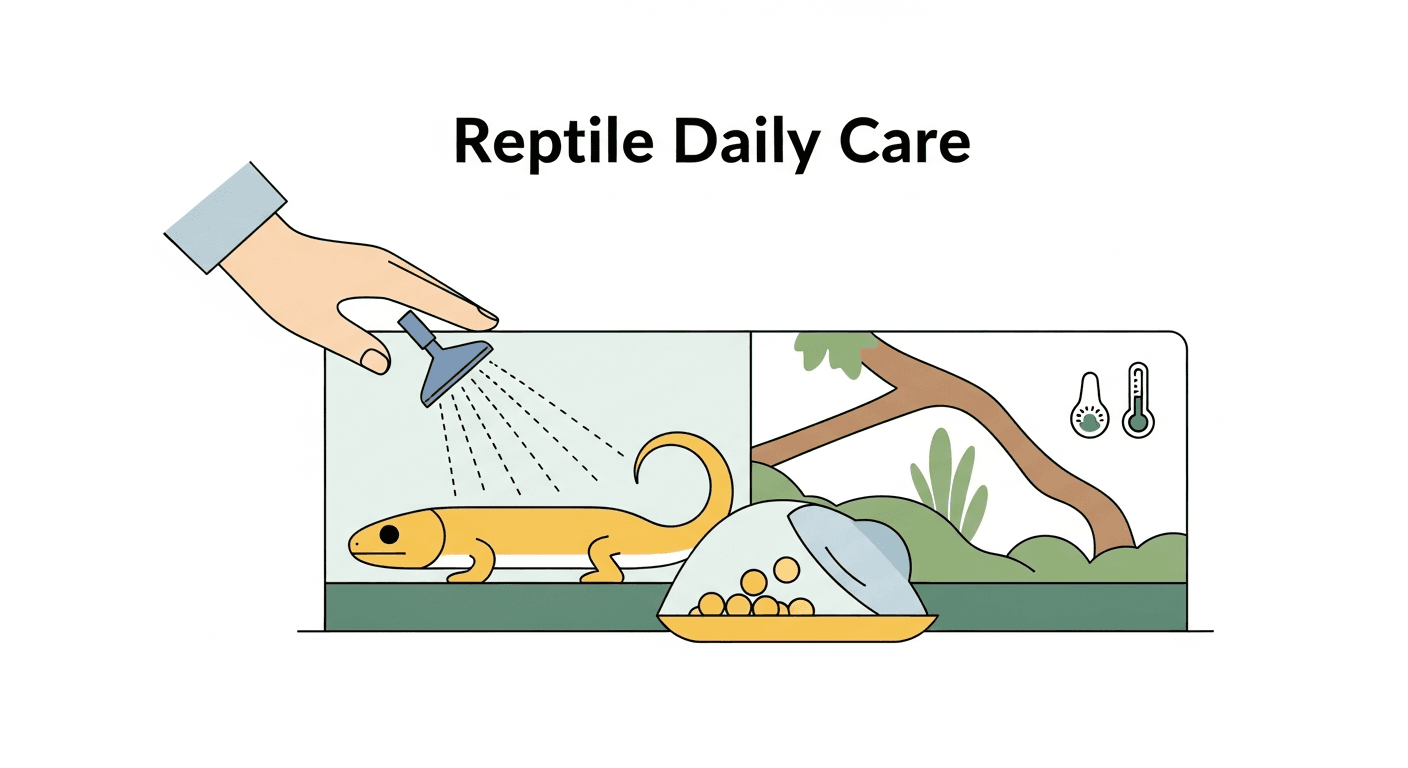
Daily Care Checklist for Reptiles: Building a Routine That Protects Your Animal's Health
A consistent daily care routine is your most powerful tool for keeping reptiles healthy and catching problems early. Use this checklist to build habits that work for any species.
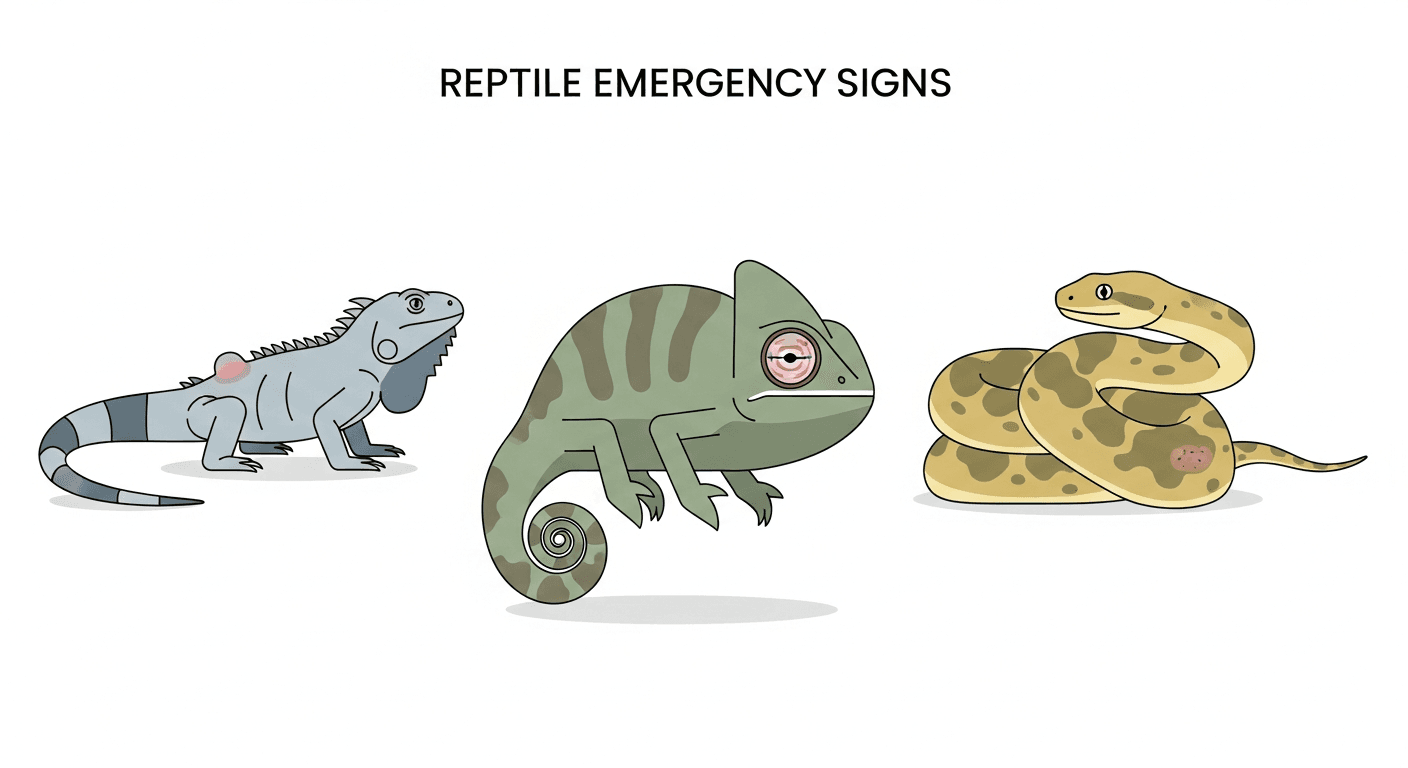
Reptile Emergency Signs: What Cannot Wait and How to Transport Safely
Reptile emergencies require immediate action. Learn the critical warning signs across snake and lizard species, and how to transport a critically ill reptile safely to the vet.

New Reptile Owner Guide: What You Need to Know Before Bringing a Reptile Home
Reptiles require specialized care that most pet stores don't explain. This guide covers what to research, what to budget for, and the essential first steps for responsible reptile ownership.

Stress Signs in Reptiles: How Chronic Stress Causes Physical Illness
Chronic stress is a hidden cause of immune suppression and disease in captive reptiles. Learn to recognize the behavioral and physical signs of stress and how to address them.

Reptile Skin Problems: Infections, Scale Rot, Burns, and What They Mean
Reptile skin conditions range from shedding problems to serious infections. Learn to distinguish the common skin problems in snakes and lizards and when veterinary care is essential.

Reptile Diet Guide: What to Feed Insectivores, Herbivores, and Omnivores
Reptile diets are as diverse as the species. Learn what to feed the most popular pet reptile types, including feeder insect rotation, dusting protocols, and foods to avoid.
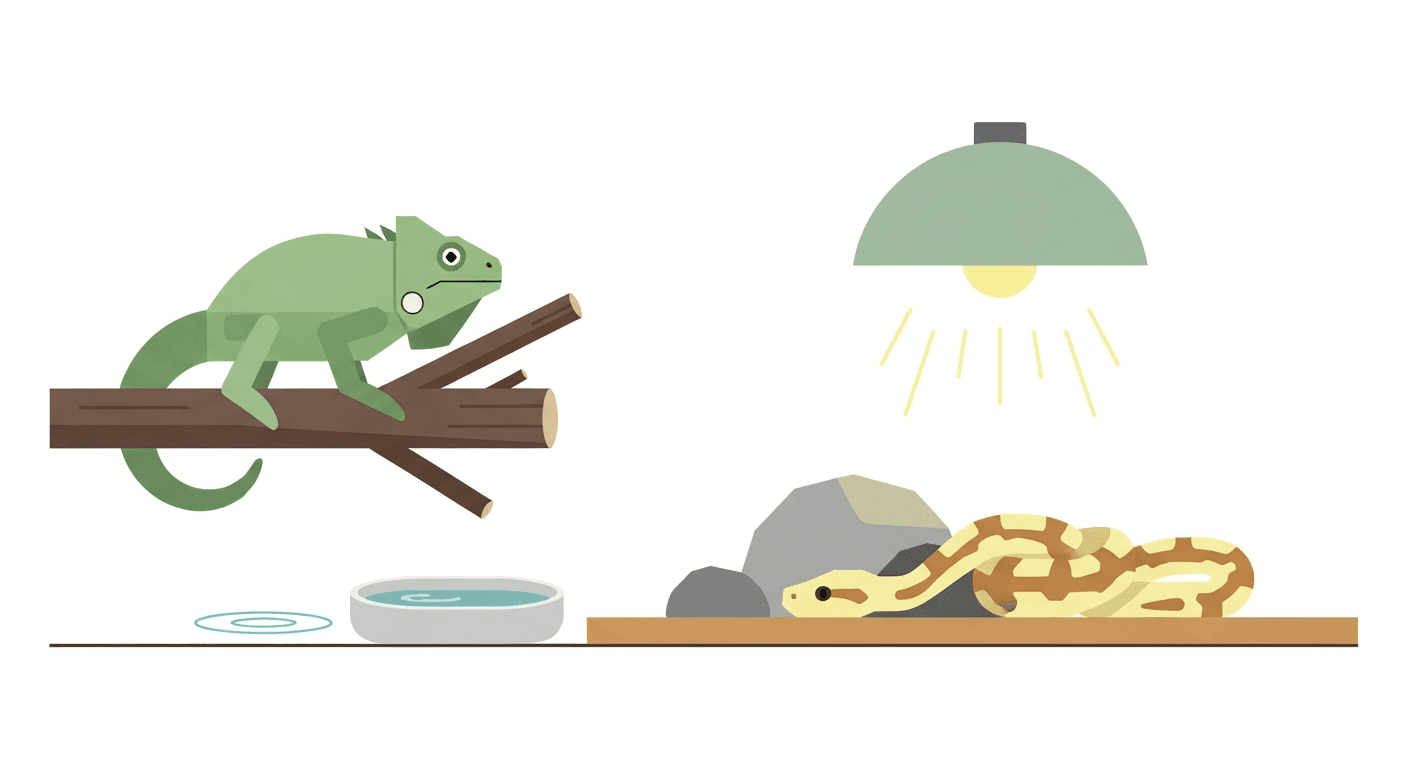
Reptile Enclosure Guide: Size, Substrate, and Setup for Common Pet Species
The right enclosure setup prevents most common reptile health problems. Learn the minimum requirements for popular species and the most common setup mistakes to avoid.

Egg Binding in Female Reptiles: Emergency Signs and What Treatment Involves
Dystocia in female reptiles is life-threatening without treatment. Learn which species are highest risk, how to recognize egg binding, and why it happens in captivity.
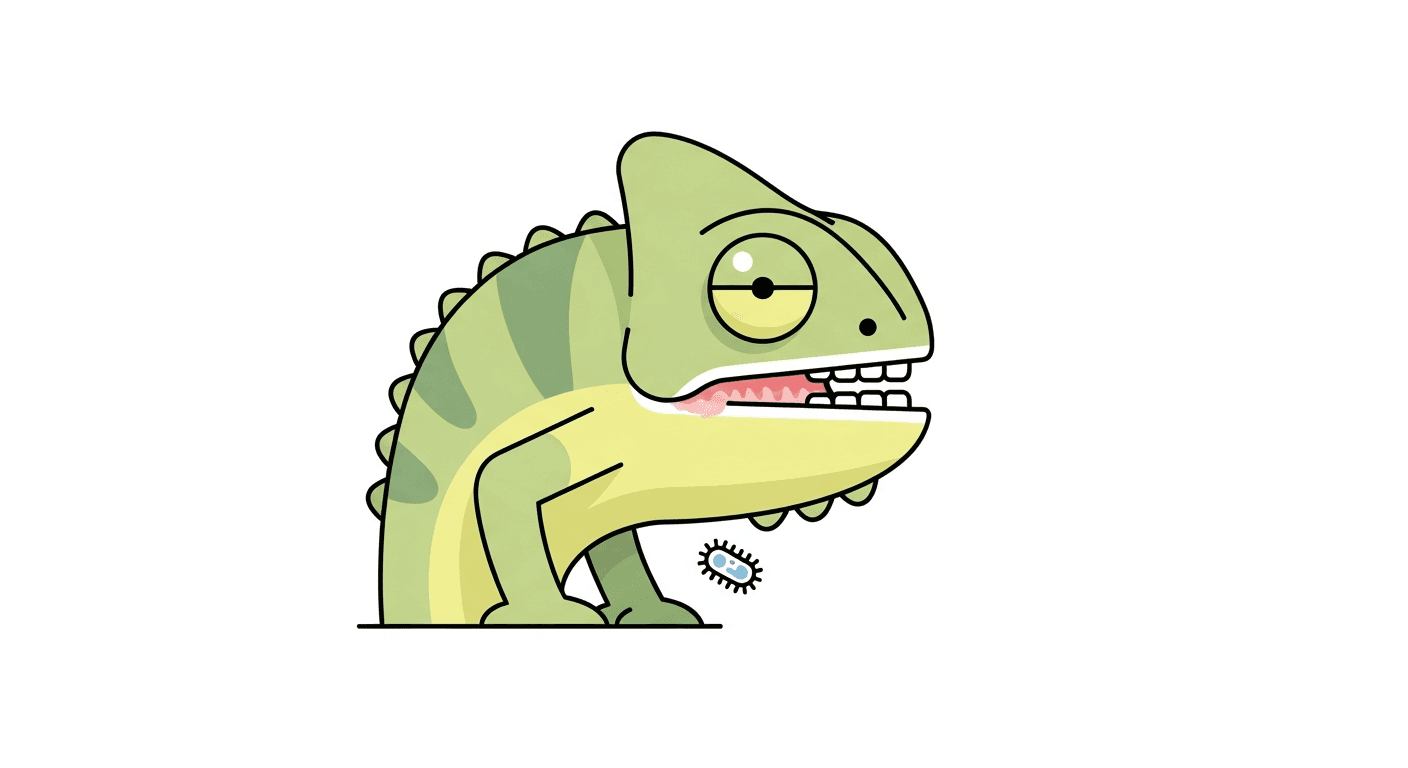
Mouth Rot (Infectious Stomatitis) in Reptiles: Signs, Causes, and Treatment
Mouth rot is a painful bacterial infection common in snakes and lizards. Learn to recognize early signs, understand why it develops, and know when veterinary antibiotics are necessary.

Shedding Problems in Lizards: Stuck Shed, Retained Eye Caps, and Digit Constriction
Dysecdysis in lizards causes retained skin that can become infected or cause permanent injury. Learn to prevent stuck shed and how to assist safely when it occurs.

Gecko Care Guide: Key Differences Between Leopard Geckos and Crested Geckos
Leopard geckos and crested geckos are the two most popular gecko species in captivity, but they have very different care needs. Learn what each requires to thrive.
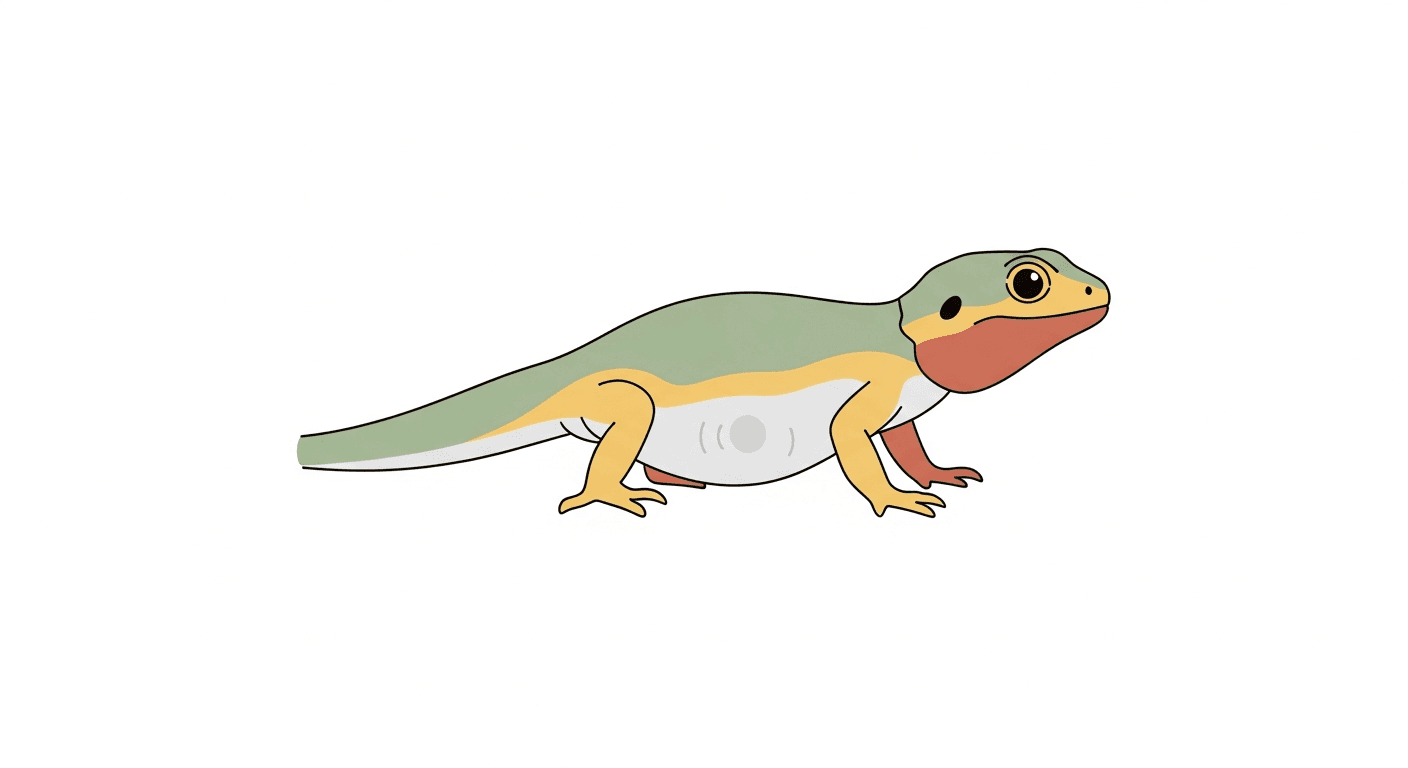
Impaction in Reptiles: When Substrate or Food Causes a Dangerous Blockage
Impaction — a gastrointestinal blockage from ingested substrate or inappropriate food — is a veterinary emergency in reptiles. Learn the risks, signs, and prevention strategies.

Dehydration in Reptiles: Signs, Species Differences, and How to Rehydrate
Dehydration is a common but often missed problem in captive reptiles. Learn the species-specific signs, how to assess hydration, and when veterinary fluid therapy is needed.
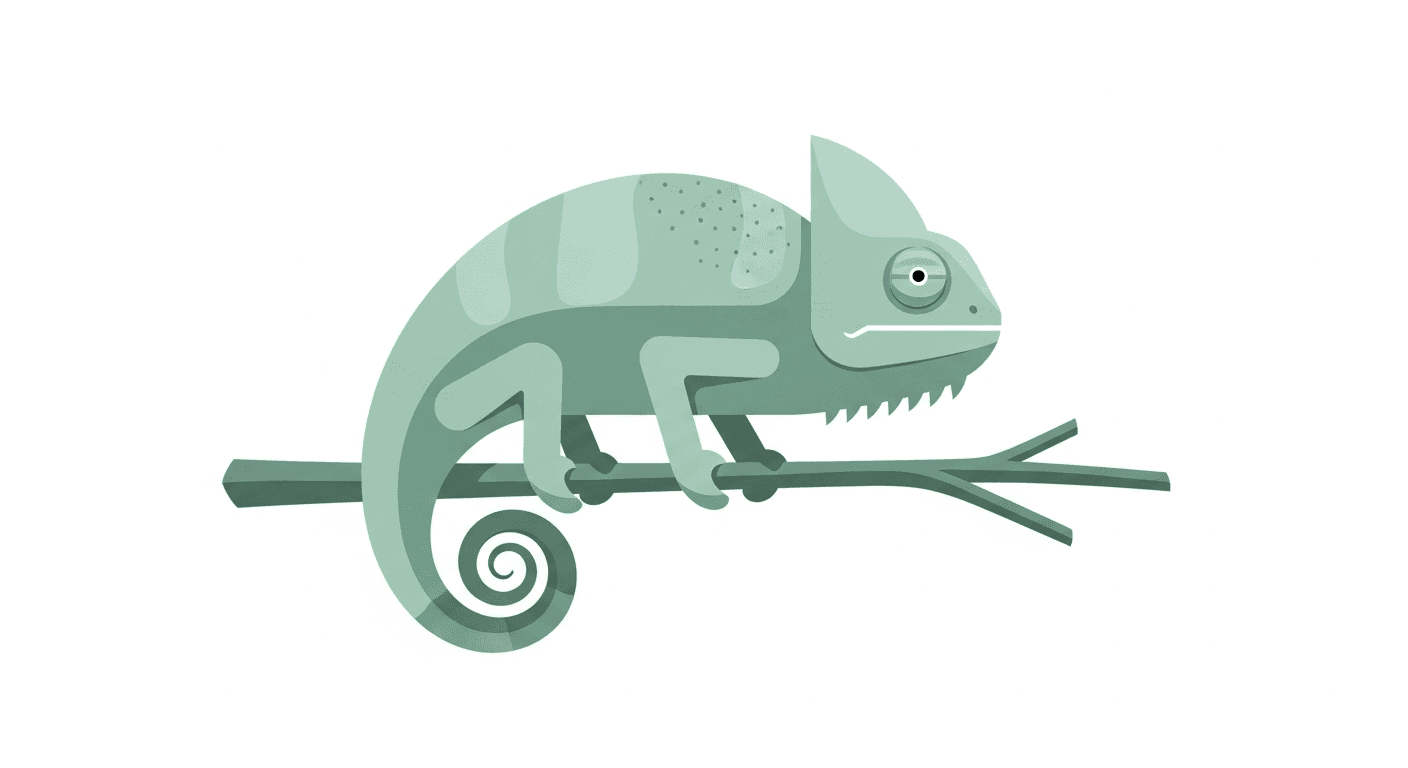
Chameleon Care Guide: Specialized Needs That Make or Break Chameleon Health
Chameleons have highly specific care requirements and are not beginners' reptiles. Learn the key needs — humidity, UVB, water delivery, and stress reduction — that determine whether a chameleon thrives.
Calcium Supplementation for Reptiles: Products, Frequency, and How to Avoid Mistakes
Calcium supplementation prevents metabolic bone disease in reptiles. Learn which products to use for different species, how often to supplement, and the risk of over-supplementation.
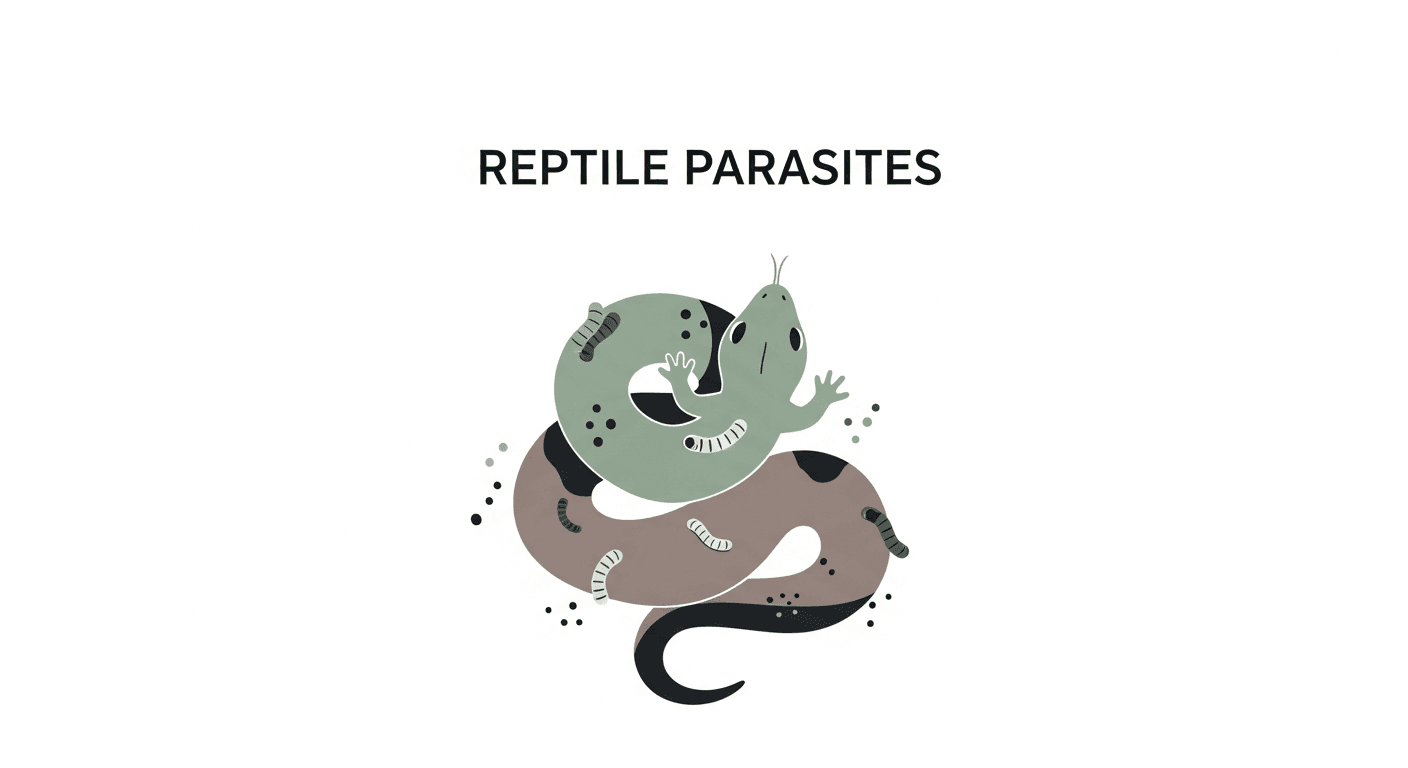
Parasites in Reptiles: Worms, Protozoa, and Mites — Detection and Treatment
Internal and external parasites are extremely common in reptiles. Learn how to detect them, when they cause disease, and what veterinary treatment involves.
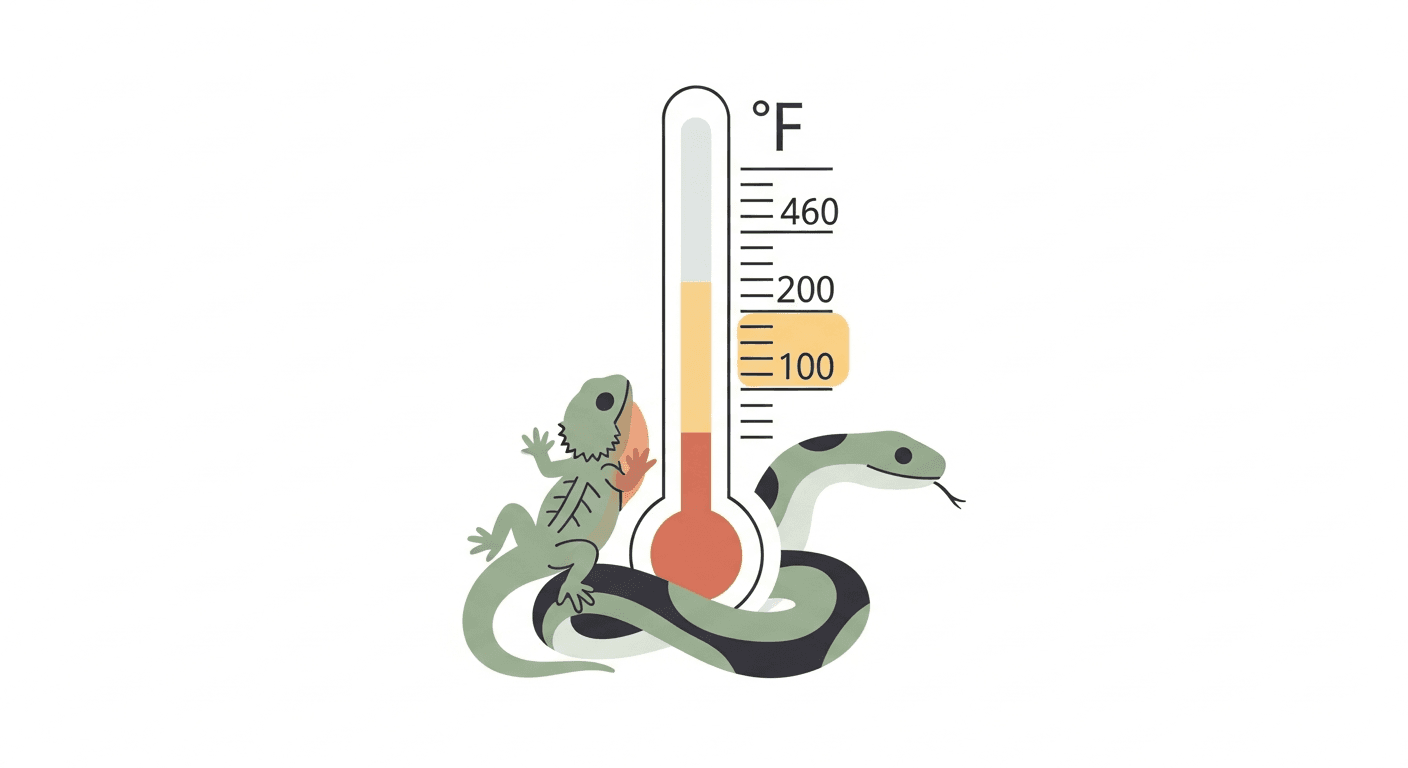
Temperature Requirements for Reptiles: Why Getting It Right Saves Lives
Every reptile species has a specific temperature range that determines its health. Learn how to create a proper thermal gradient and the consequences of getting it wrong.
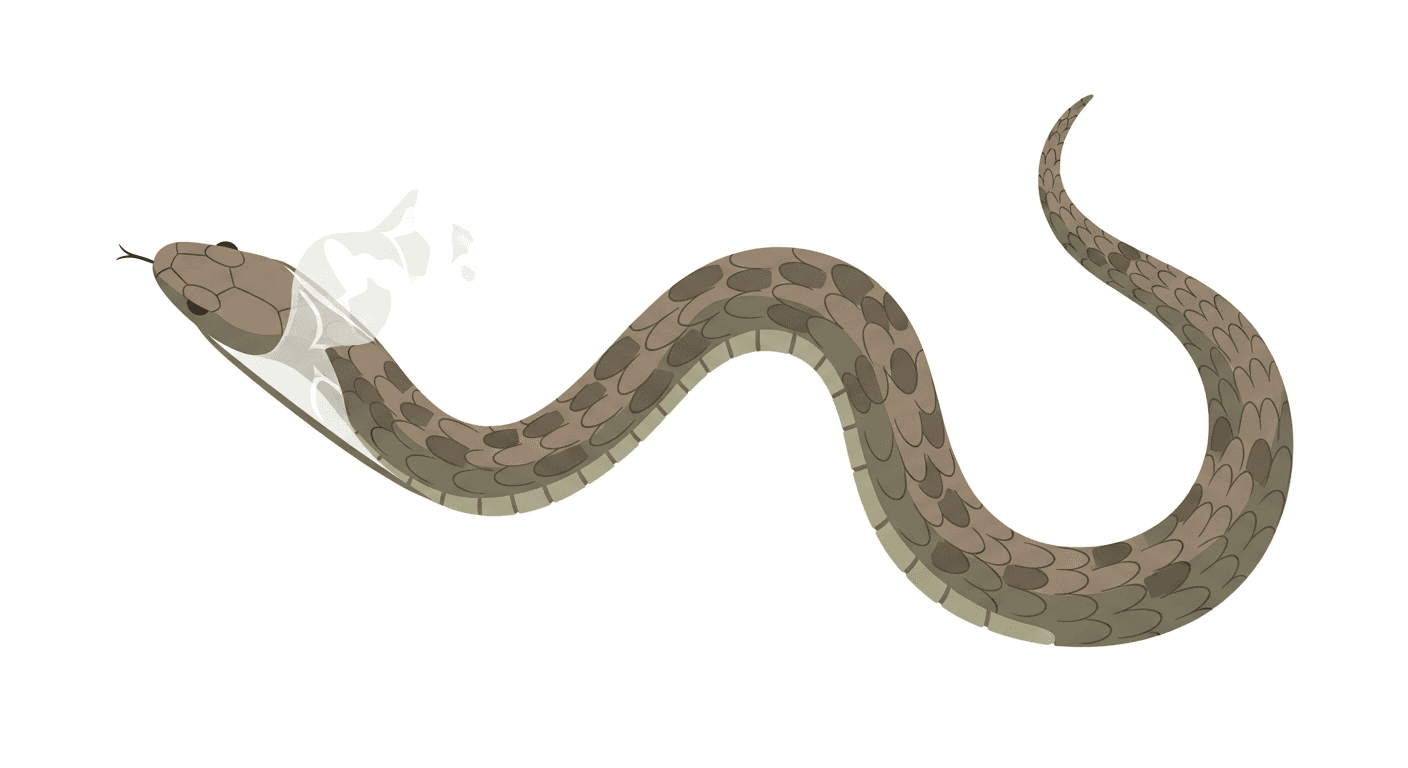
Snake Shedding: Normal Process, Stuck Shed, and How to Help
Shedding is a natural process but retained shed is a common problem in captivity. Learn the signs of stuck shed, how to assist safely, and how correct humidity prevents it.
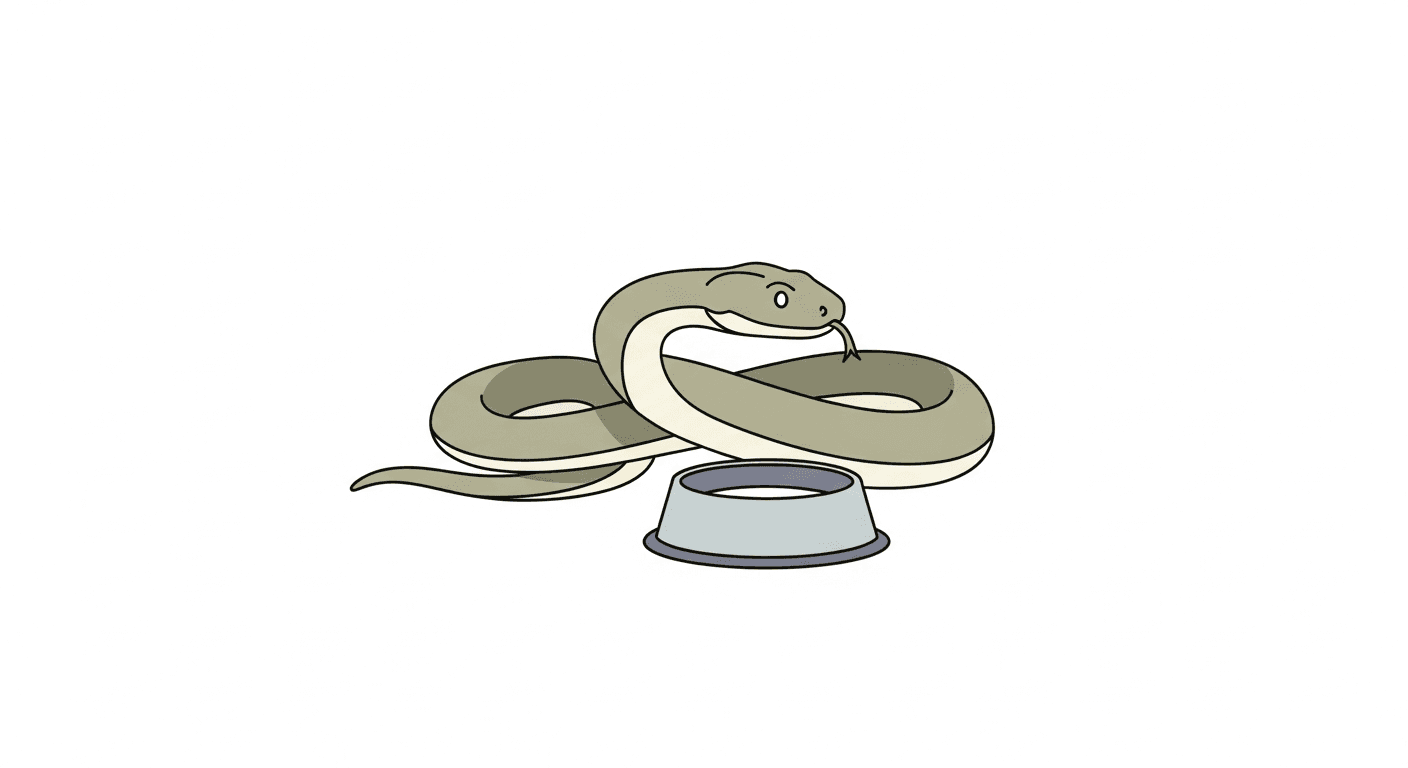
My Snake Won't Eat: Common Reasons and When to See a Vet
Snakes naturally fast for weeks at a time. Learn which causes of food refusal are normal, which require attention, and how to encourage a reluctant feeder.

Respiratory Infections in Reptiles: Signs, Causes, and What Treatment Involves
Respiratory infections are among the most common serious illnesses in captive reptiles. Learn to recognize the signs early and understand why immediate veterinary care is essential.
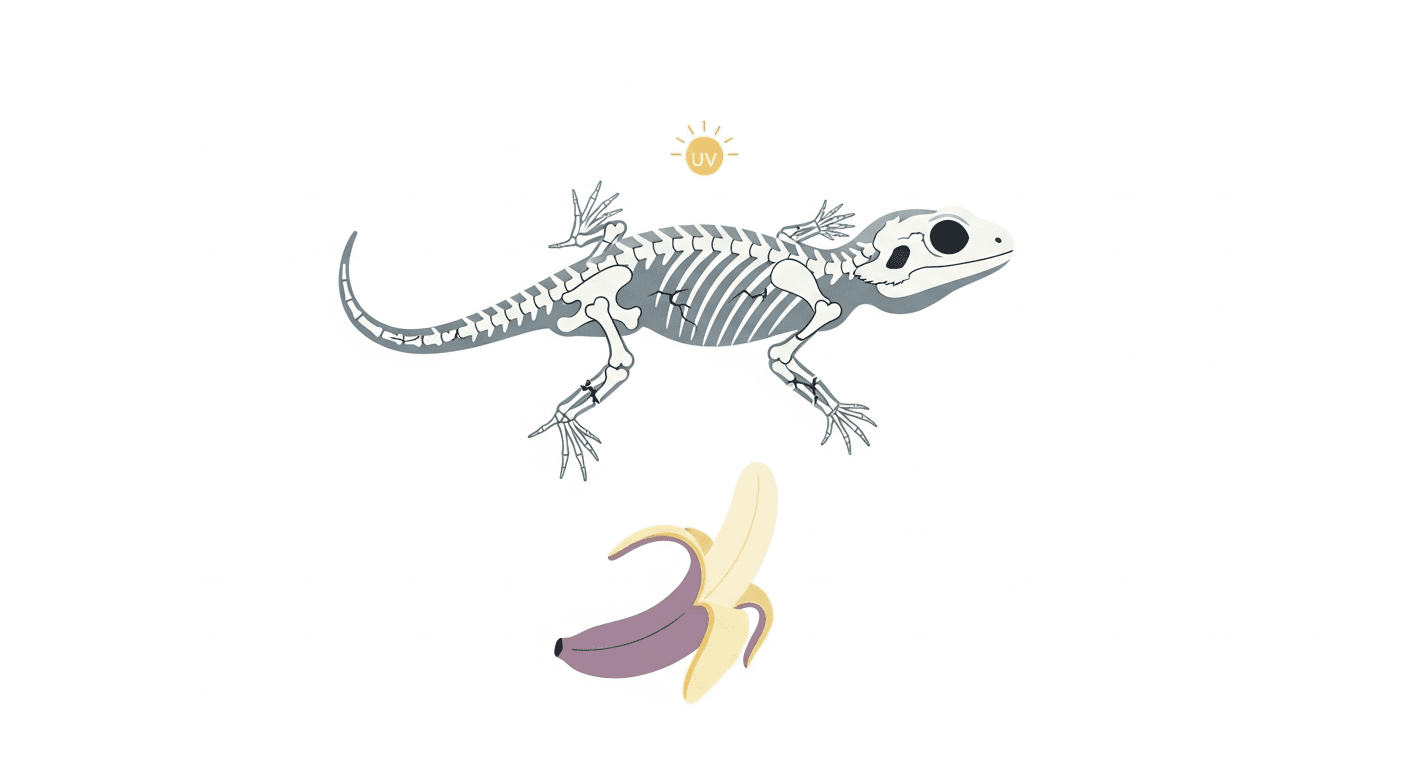
Metabolic Bone Disease in Reptiles: Prevention, Signs, and Treatment
Metabolic bone disease is the most common nutritional disorder in captive reptiles. Learn what causes it, how to recognize the early and advanced signs, and how to prevent it entirely.
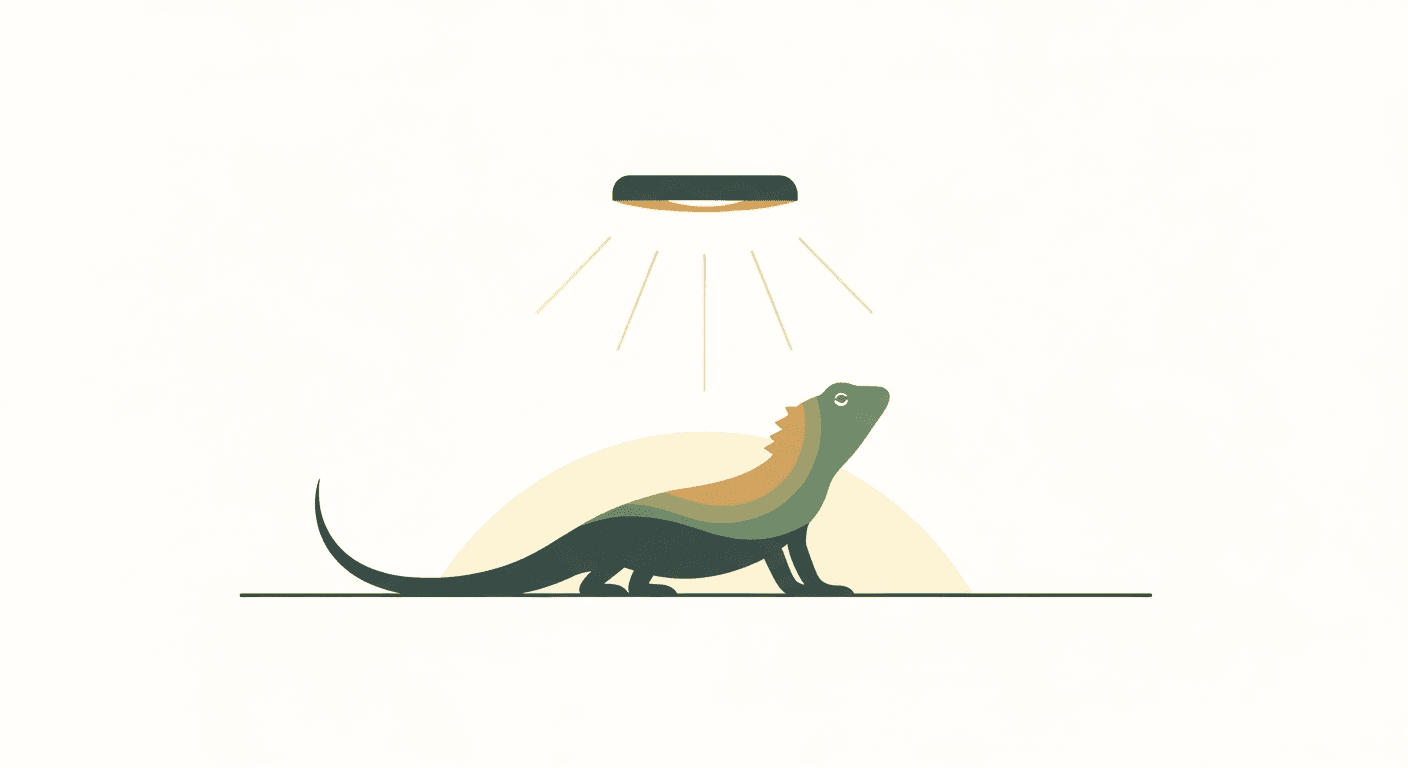
UVB Lighting for Bearded Dragons: Setup, Bulb Selection, and Common Mistakes
UVB is essential for bearded dragon health. Learn which bulb to choose, how to mount it correctly, and the mistakes that lead to metabolic bone disease.
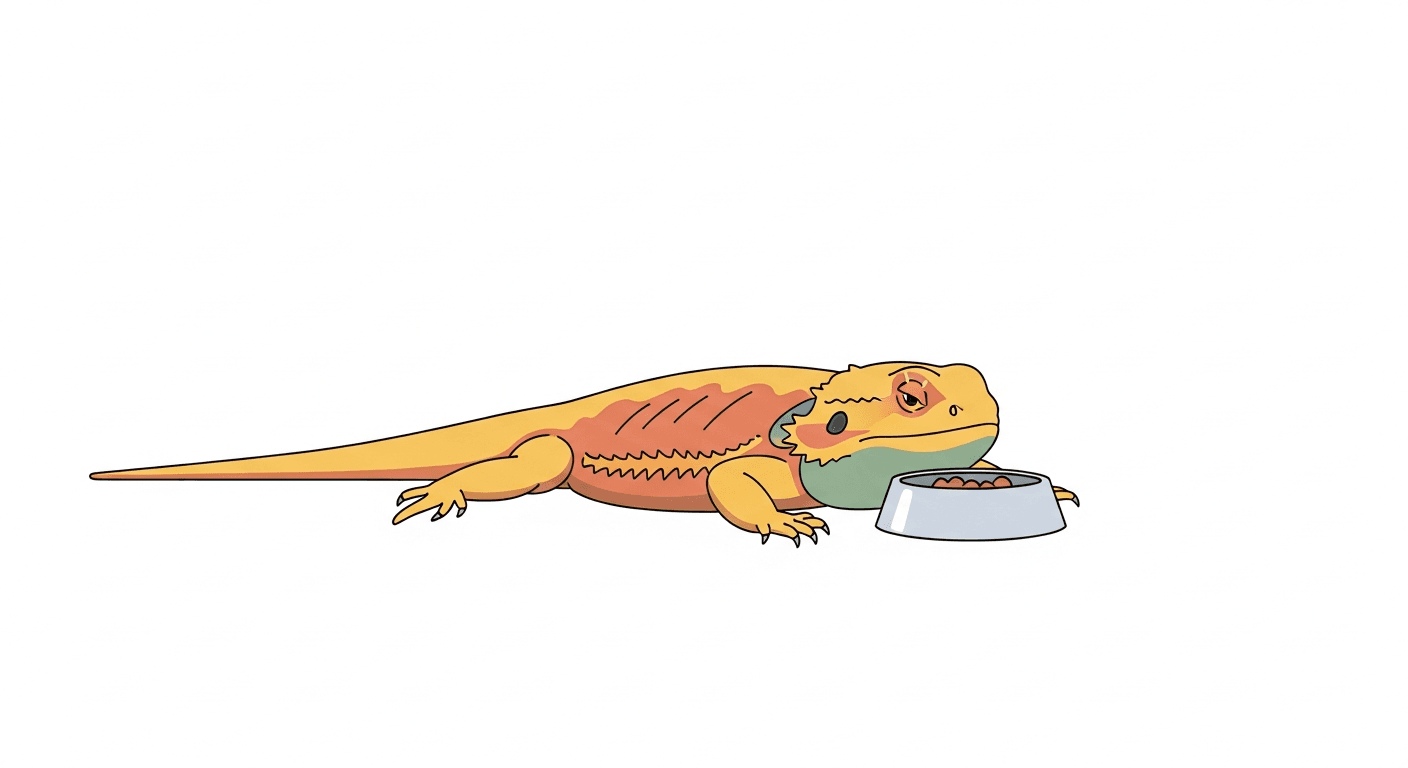
Bearded Dragon Not Eating: Reasons, What to Check, and When to Worry
A bearded dragon refusing food may be in brumation, shedding, or experiencing illness. Learn to distinguish normal from concerning and when to seek veterinary care.