

What Counts as "Senior" in Reptiles?
Senior status varies by species. A bearded dragon is generally considered senior at 6–8 years (with typical captive lifespans of 10–15 years). A ball python reaching 25–30 years is genuinely old. A tortoise at 40 years may be middle-aged. In practice, "senior" means the life stage where age-related health changes begin to appear — reduced immune competence, increased susceptibility to certain conditions, and potentially changed metabolic needs.
First 3 Steps at Home
- Increase wellness exam frequency: Annual exams are appropriate for younger healthy reptiles. For seniors, twice-yearly exams with bloodwork allow early detection of kidney disease, liver dysfunction, reproductive tract problems, and bone density changes before they become crises. Early detection is the only intervention that consistently improves outcomes for age-related conditions.
- Monitor weight more closely: Muscle wasting, reduced appetite, and metabolic changes all contribute to weight loss in older reptiles before other signs appear. Increase weighing to bi-weekly for seniors. A consistent downward trend is an early warning sign that warrants investigation even when other behavior seems normal.
- Adapt the environment to reduced mobility: Older reptiles with joint changes, reduced coordination, or diminished muscle tone may need a modified enclosure. Lower basking platforms (reduce climbing effort), easier access to food and water, and potentially reduced enclosure complexity (fewer obstacles to navigate) all maintain quality of life as physical capacity changes.
When to Go to the Vet Immediately
- Sudden weight loss in a previously stable senior
- Behavioral changes: new aggression, confusion, abnormal movement patterns
- Any new swelling, discharge, or physical change
- Failure to shed normally in a reptile that previously shed without issues
Follow-Up Care Checklist
- Annual bloodwork (kidney, liver, calcium, electrolytes) helps catch metabolic changes before clinical signs
- Continue UVB provision — vitamin D3 synthesis remains important for calcium metabolism into old age
- Provide highly palatable, easily accessible foods if appetite has declined
- Discuss whether brumation remains appropriate for aging animals with your vet annually
- Consider whether reproductive management (spay for chronic egg-binding) is appropriate
Track Senior Health with TailRounds
For older reptiles, the TailRounds Daily Log becomes even more valuable. Log weight, appetite, activity level, and any physical observations at every check to build a comprehensive aging health record that guides veterinary management.
Book a Vet Appointment
Semi-annual wellness exams with bloodwork are the best investment in your senior reptile's healthy aging. Book at Happy Paws with our reptile team for a comprehensive senior assessment.
Summary for Your Clinic Visit
Bring your weight history for the past 6–12 months, note any behavioral changes over the same period, describe any environmental adjustments you've made, and list all supplements and medications currently being given.
Continue Reading
 🦎 Reptile Health
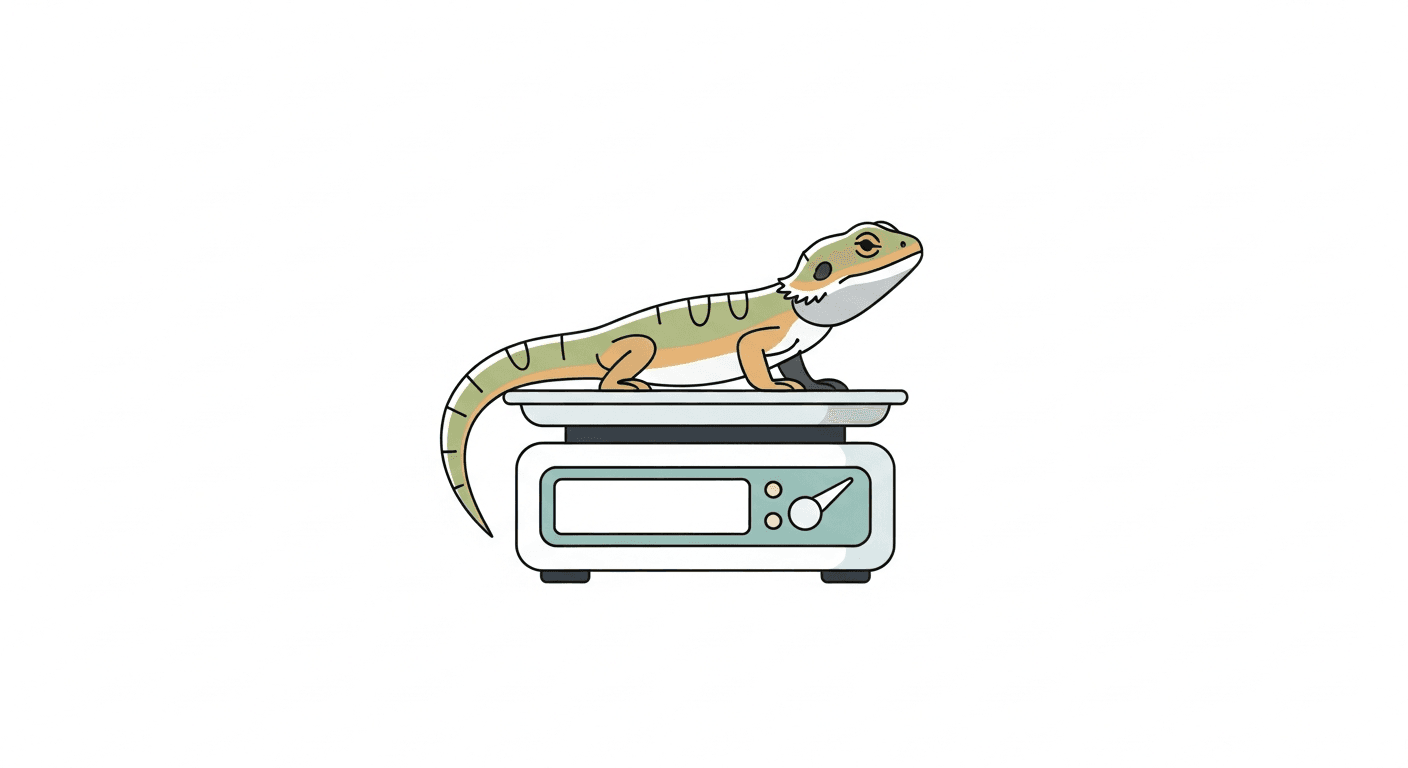
Weighing Your Reptile: Why Regular Weigh-Ins Are the Best Early Warning System
Regular weight monitoring is the most reliable way to catch health problems before they become crises. Learn how often to weigh, what changes are concerning, and how to do it accurately.
 🦎 Reptile Health
Reptile Diet Guide: What to Feed Insectivores, Herbivores, and Omnivores
Reptile diets are as diverse as the species. Learn what to feed the most popular pet reptile types, including feeder insect rotation, dusting protocols, and foods to avoid.
 🦎 Reptile Health
Temperature Requirements for Reptiles: Why Getting It Right Saves Lives
Every reptile species has a specific temperature range that determines its health. Learn how to create a proper thermal gradient and the consequences of getting it wrong.
 🦎 Reptile Health
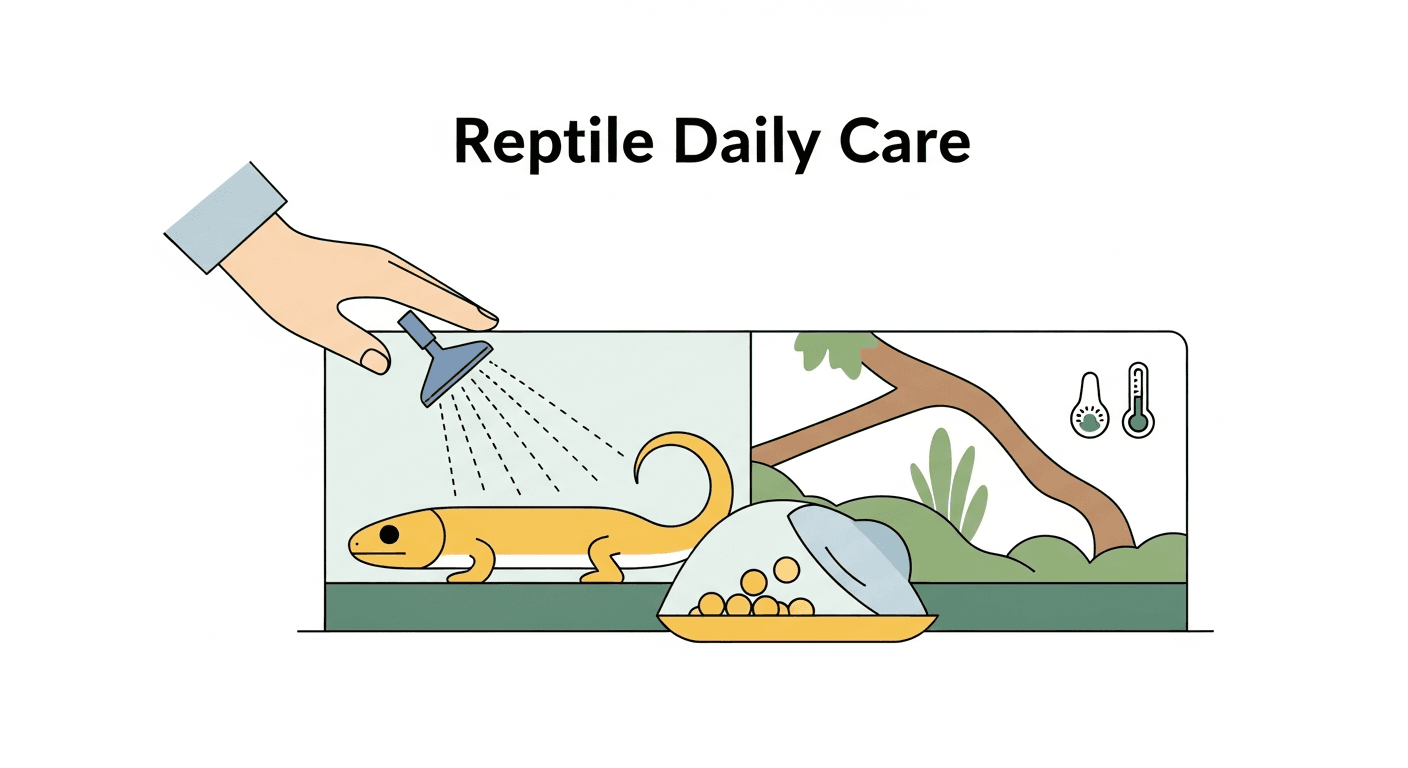
Daily Care Checklist for Reptiles: Building a Routine That Protects Your Animal's Health
A consistent daily care routine is your most powerful tool for keeping reptiles healthy and catching problems early. Use this checklist to build habits that work for any species.