
Why Transport Is a Health Risk for Reptiles
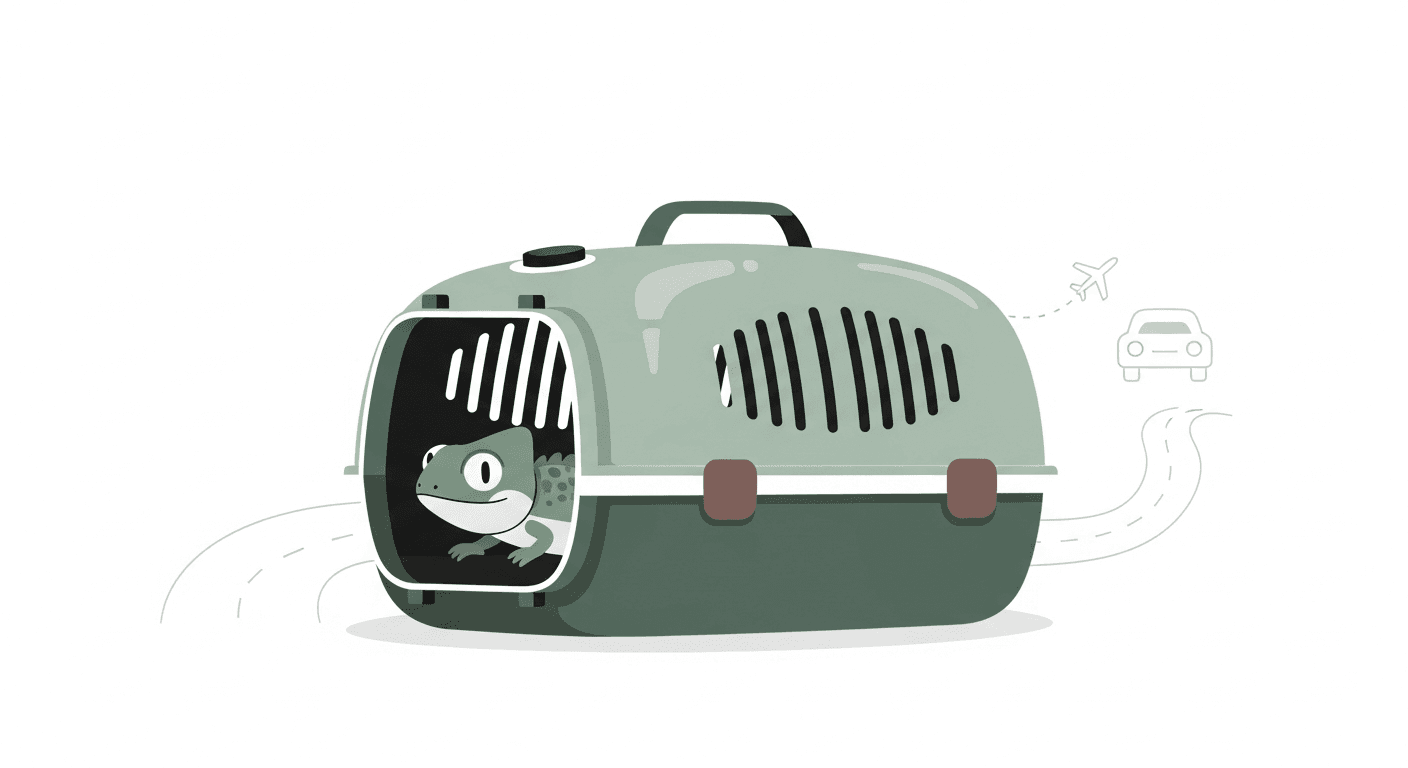
Transport disrupts the thermal environment that reptiles depend on for health, activates the stress response, removes the security of the home territory, and introduces unfamiliar sensory stimuli. Short trips to the vet are manageable with preparation. Longer moves require more careful planning. The health risks are real: cold exposure during transport triggers immune suppression, and stress-related immunosuppression can allow latent infections to become active within 48 hours of travel.
First 3 Steps at Home
- Prepare a species-appropriate transport container: Snakes travel well in a secure cloth bag (pillowcase or purpose-made snake bag) inside a ventilated tub. Lizards need a ventilated box with a hiding spot to reduce visual stimulation. Provide a small, tight hide that the animal can wedge into — reducing the size of the perceived environment reduces stress. Line the container with paper towel for traction.
- Maintain temperature during transport: Pre-warm the car. Place a heat pack (chemical hand warmer type) wrapped in a cloth outside the inner container — provides warmth without direct contact burn risk. For summer transport, ensure adequate ventilation and do not leave in a hot car. Target 25–28°C throughout the journey for most species.
- Minimize journey stress: Cover the container with a dark cloth to reduce visual stimulation. Drive smoothly — sudden acceleration and braking cause distress. Limit loud music or conversation near the container. For reptiles that don't need to be in the sun during transport, keep the container in a shaded position.
When to Go to the Vet Immediately
- Reptile that appears cold and non-responsive after transport
- Respiratory signs developing within 48 hours of transport — cold exposure triggered infection
- Any injury from escaping during transport
Follow-Up Care Checklist
- Allow the reptile to warm up under basking lights before handling after arrival
- Do not feed for 24–48 hours after stressful transport — a stressed reptile with food in the gut may regurgitate
- Monitor for stress-related behavioral changes for 7–10 days after transport
- For long moves (relocation), expect 2–4 weeks before the reptile returns to normal feeding behavior
Track Transport and Recovery with TailRounds
Log transport events, the reptile's condition on arrival, and any post-transport behavioral or health changes in the TailRounds Daily Log. Transport-related health changes caught within 48–72 hours are far more treatable than those identified a week later.
Book a Vet Appointment
If respiratory or health issues develop after transport, book promptly. Book at Happy Paws — our exotic team can assess whether transport stress has triggered a secondary health issue in your reptile.
Summary for Your Clinic Visit
Describe the transport conditions (duration, temperatures, container type), any signs of distress observed during or after the journey, and the specific symptoms you're now seeing.
Continue Reading
 🦎 Reptile Health
Stress Signs in Reptiles: How Chronic Stress Causes Physical Illness
Chronic stress is a hidden cause of immune suppression and disease in captive reptiles. Learn to recognize the behavioral and physical signs of stress and how to address them.
 🦎 Reptile Health
New Reptile Owner Guide: What You Need to Know Before Bringing a Reptile Home
Reptiles require specialized care that most pet stores don't explain. This guide covers what to research, what to budget for, and the essential first steps for responsible reptile ownership.
 🦎 Reptile Health
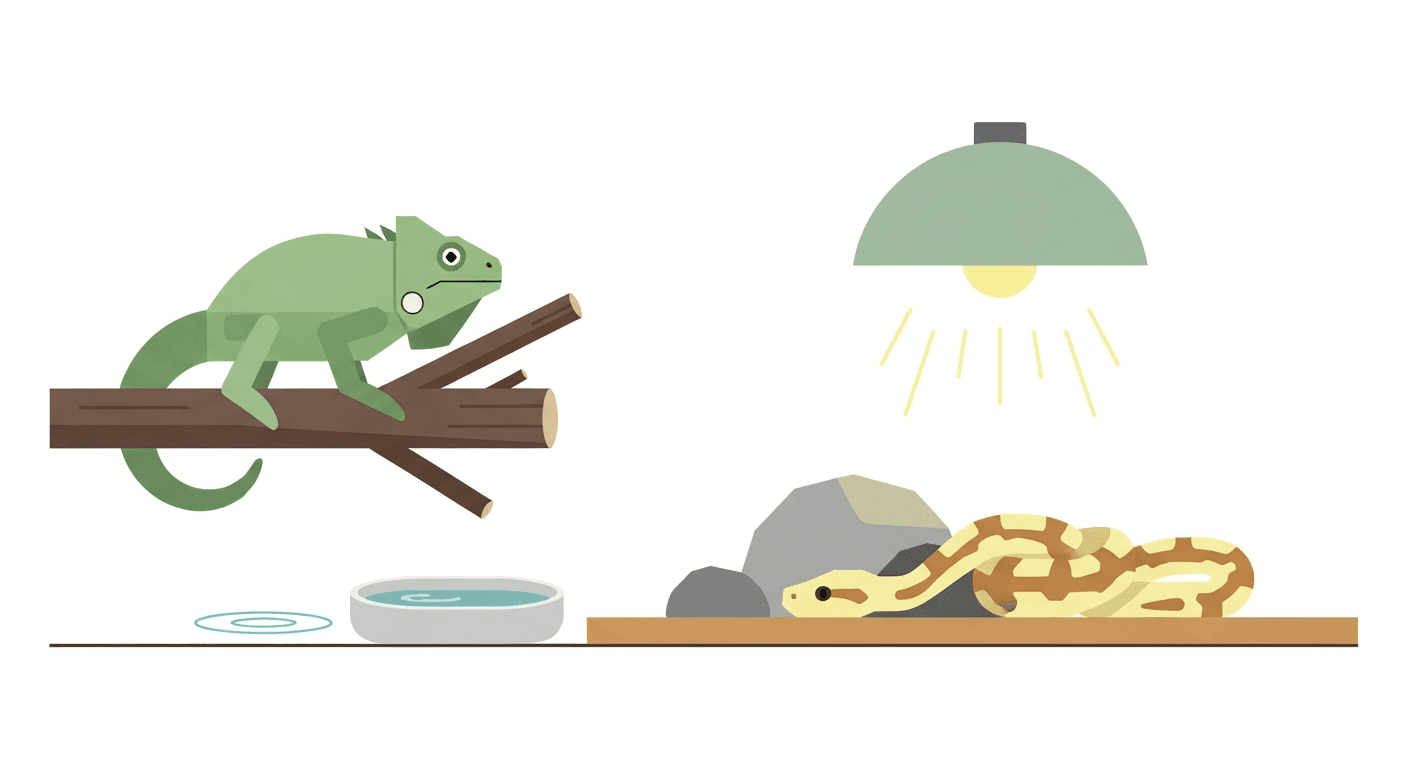
Reptile Enclosure Guide: Size, Substrate, and Setup for Common Pet Species
The right enclosure setup prevents most common reptile health problems. Learn the minimum requirements for popular species and the most common setup mistakes to avoid.
 🦎 Reptile Health
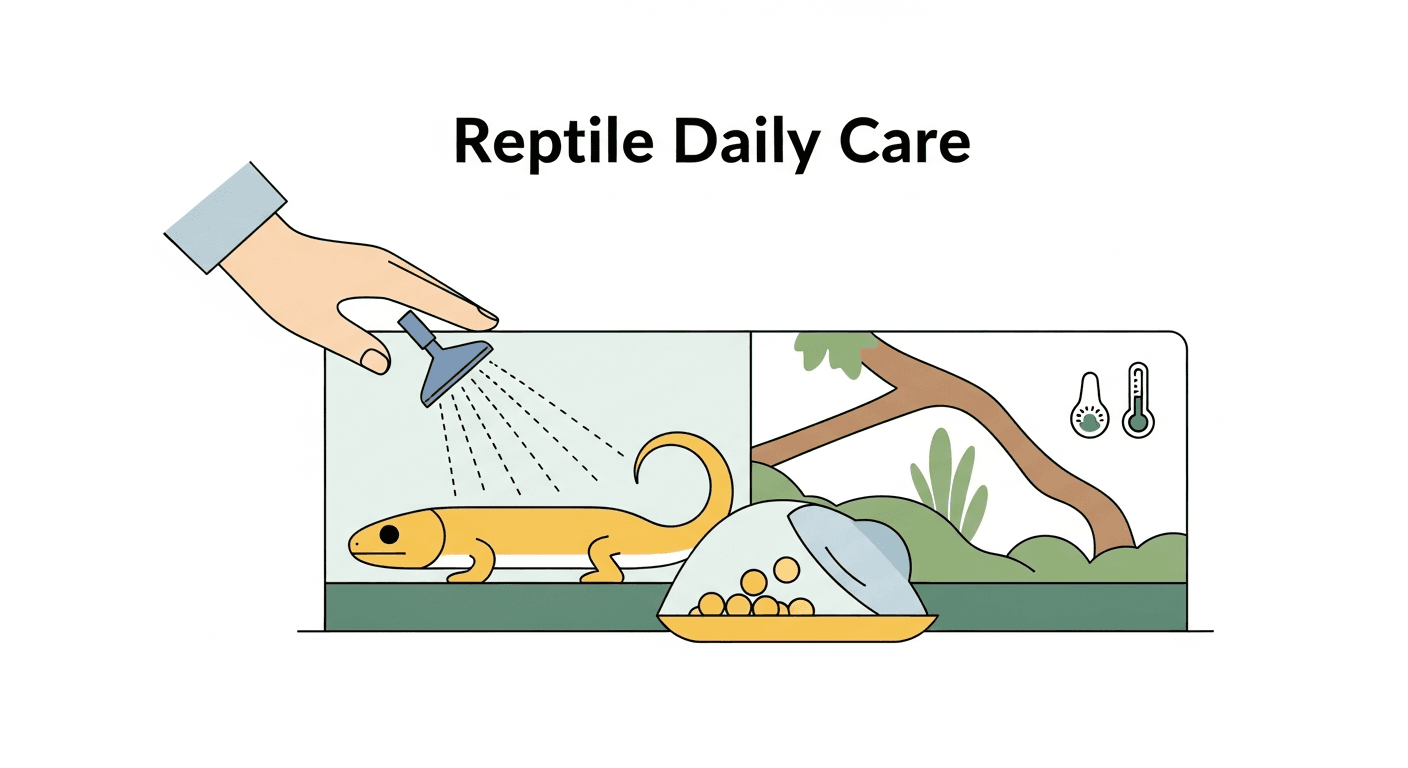
Daily Care Checklist for Reptiles: Building a Routine That Protects Your Animal's Health
A consistent daily care routine is your most powerful tool for keeping reptiles healthy and catching problems early. Use this checklist to build habits that work for any species.