

How Stress Causes Physical Illness in Reptiles
Stress activates the reptile's HPA (hypothalamic-pituitary-adrenal) axis, releasing corticosterone — the reptile equivalent of cortisol. Acute stress is a normal protective response. Chronic stress, however, keeps corticosterone elevated, which suppresses immune function, impairs digestion, disrupts reproductive physiology, and directly damages the gut lining. A reptile under chronic stress is a reptile with a suppressed immune system — vulnerable to pathogens that a healthy, relaxed animal would resist without difficulty.
First 3 Steps at Home
- Identify behavioral stress signs: Bearded dragons darken their beard persistently (not just briefly during interaction), pace enclosure perimeters repeatedly, glass surf (attempt to climb through glass), or hide constantly. Snakes remain in a defensive posture, strike repeatedly during routine observations, refuse food for extended periods, or engage in constant enclosure exploration without settling. Chameleons remain dark without brightening during active phases. These are all chronic stress indicators.
- Audit environmental stressors: Common causes of chronic stress in captive reptiles: enclosure too small, inadequate hides, too frequent handling (especially of wild-caught or newly acquired animals), placing the enclosure in a high-traffic area with constant visual stimulation, housing incompatible animals together (even in adjacent visible enclosures), and incorrect temperatures that prevent thermoregulation.
- Reduce handling during illness or stress recovery: A reptile that is already stressed or ill should have handling reduced to the absolute minimum necessary for care. Each handling event adds to the stress load. Allow at least 48–72 hours without handling between feeding attempts for a stressed feeder-refusing snake or lizard.
When to Go to the Vet Immediately
- Chronic stress combined with appetite loss exceeding 3–4 weeks — stress may have triggered secondary illness
- Any respiratory signs developing alongside chronic stress — immune suppression from stress often results in respiratory infection
- Significant weight loss from sustained food refusal
Follow-Up Care Checklist
- Address the most significant identified stressor first — multiple small improvements are less effective than fixing the primary cause
- Upgrade enclosure size if too small — stress reduction from adequate space is rapid and significant
- Add additional hides — having secure retreat options reduces environmental stress dramatically
- Give a recently acquired reptile 2–4 weeks of minimal disturbance for acclimation
Track Stress Signs with TailRounds
Note behavioral stress indicators daily in the TailRounds Daily Log — persistent glass surfing, beard darkening, defensive postures. Tracking frequency and duration shows whether your environmental changes are reducing stress over time.
Book a Vet Appointment
If environmental modifications don't reduce stress within 2–4 weeks, or if health problems have already developed, book an assessment. Book at Happy Paws — our reptile team can assess both the animal's health and advise on setup changes.
Summary for Your Clinic Visit
Describe the specific stress behaviors observed, the frequency and duration, what environmental changes you've made, and any concurrent health changes. Your vet can assess whether stress has progressed to secondary illness.
Continue Reading
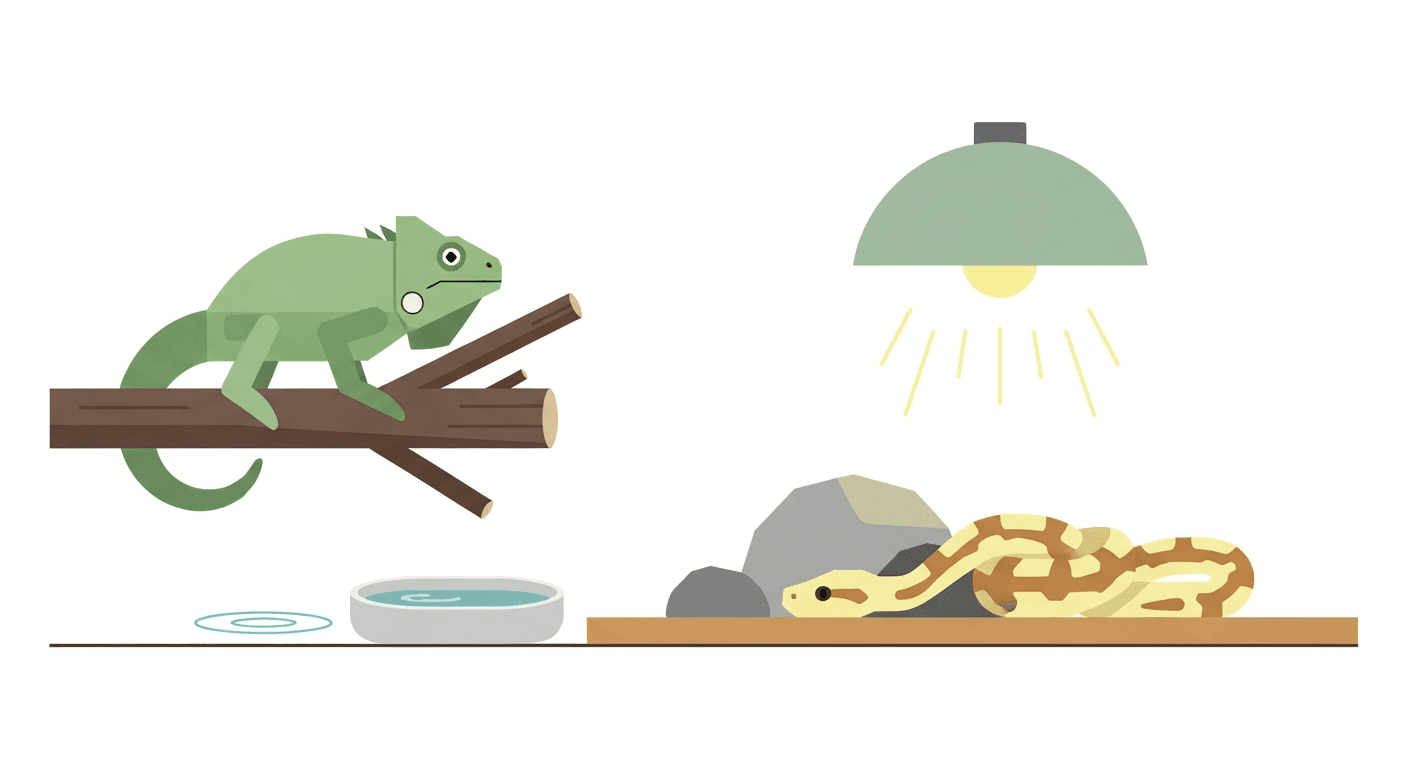 🦎 Reptile Health
Reptile Enclosure Guide: Size, Substrate, and Setup for Common Pet Species
The right enclosure setup prevents most common reptile health problems. Learn the minimum requirements for popular species and the most common setup mistakes to avoid.
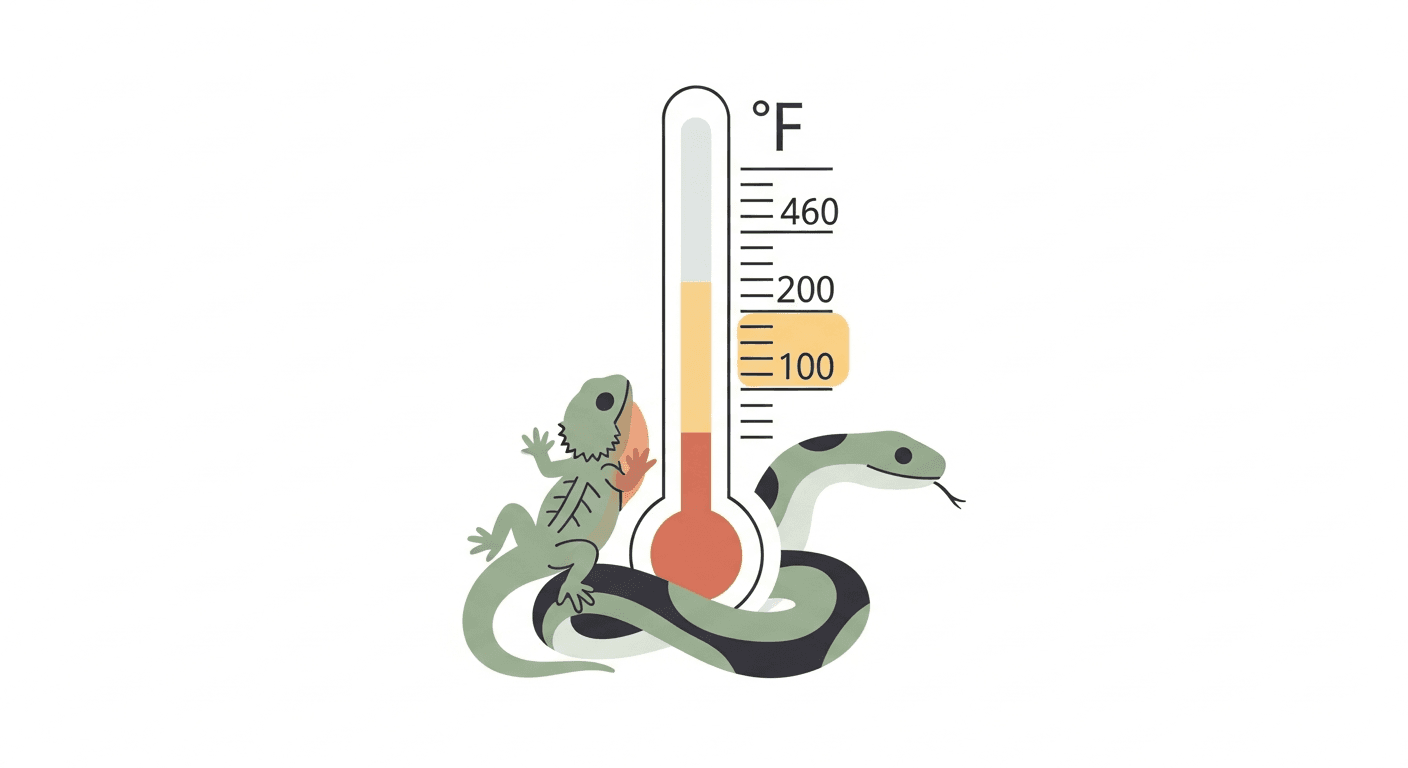 🦎 Reptile Health
Temperature Requirements for Reptiles: Why Getting It Right Saves Lives
Every reptile species has a specific temperature range that determines its health. Learn how to create a proper thermal gradient and the consequences of getting it wrong.
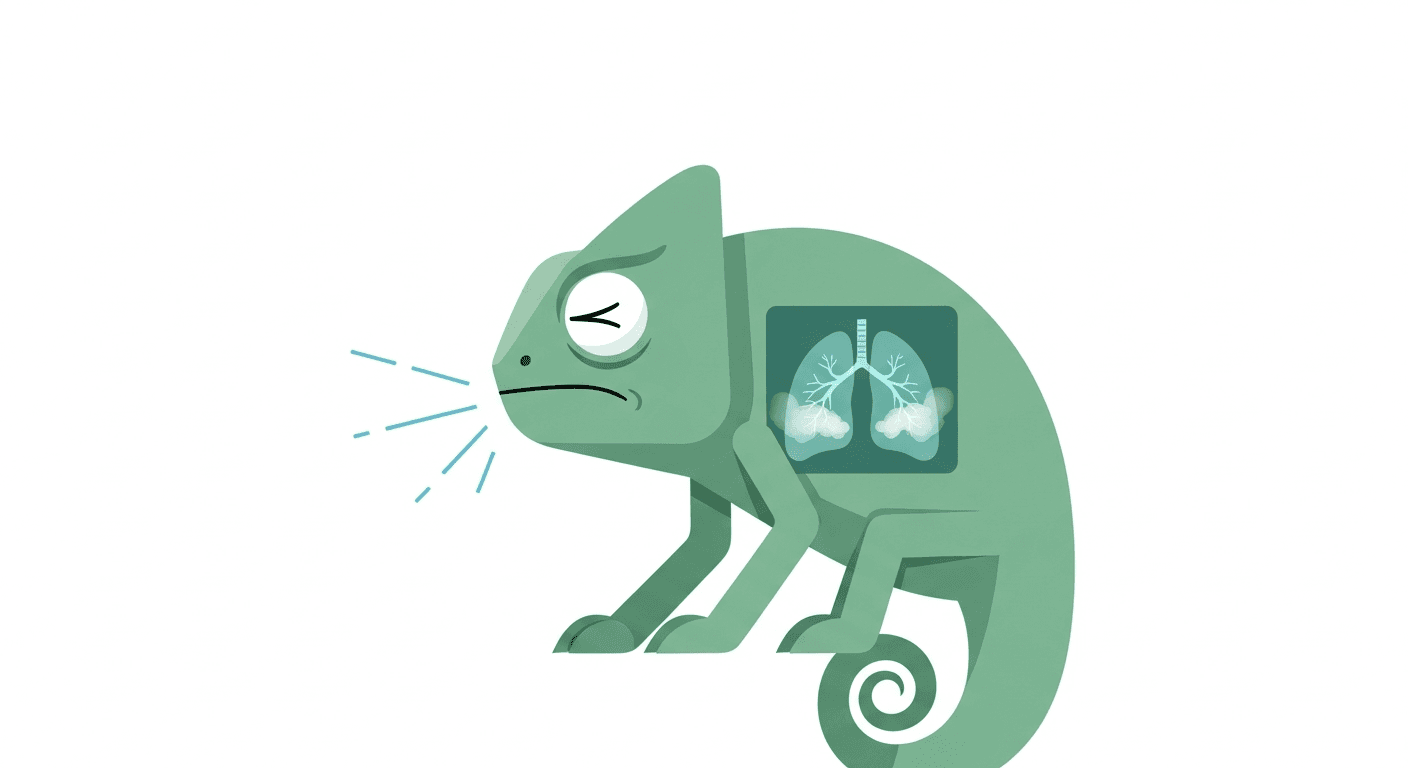 🦎 Reptile Health
Respiratory Infections in Reptiles: Signs, Causes, and What Treatment Involves
Respiratory infections are among the most common serious illnesses in captive reptiles. Learn to recognize the signs early and understand why immediate veterinary care is essential.
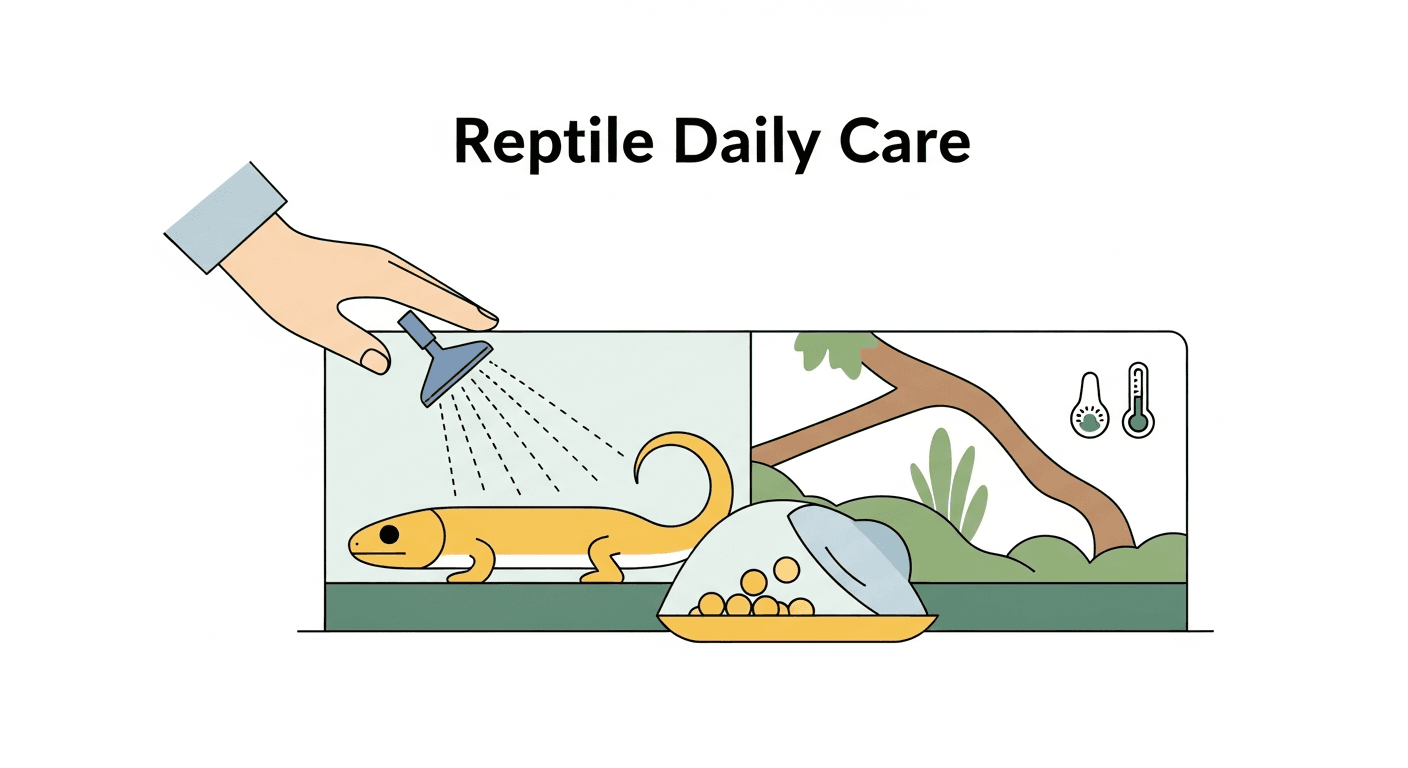 🦎 Reptile Health
Daily Care Checklist for Reptiles: Building a Routine That Protects Your Animal's Health
A consistent daily care routine is your most powerful tool for keeping reptiles healthy and catching problems early. Use this checklist to build habits that work for any species.