
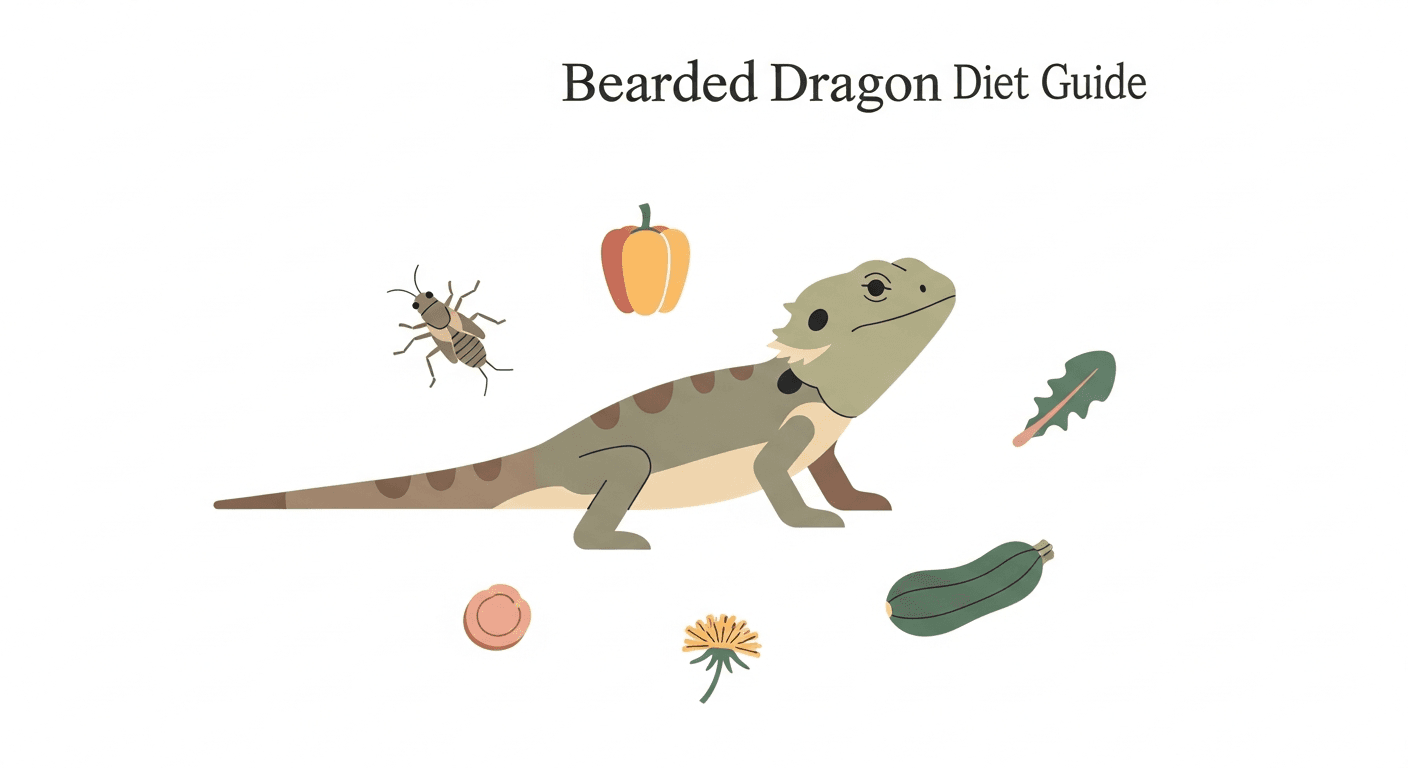
Why Bearded Dragon Diet Changes With Age
Bearded dragons are omnivores, but their nutritional needs shift dramatically as they mature. Hatchlings and juveniles are in rapid growth phases requiring high protein for muscle and skeletal development — insects dominate their diet. Adults have significantly lower growth rates and protein needs; too much protein in adults contributes to kidney disease over time. Understanding this shift and adjusting feeding accordingly is one of the most important dietary decisions bearded dragon owners make.
First 3 Steps at Home
- Juvenile diet (0–12 months): 70% feeder insects / 30% vegetables. Feed insects 2–3 times daily — as many as the dragon will eat in 10 minutes per feeding. Best insect choices: dubia roaches (highest protein-to-fat ratio), black soldier fly larvae (high calcium), crickets (widely available, good nutrition when gut-loaded). Waxworms are too high in fat — occasional treat only. Gut-load all insects 24–48 hours before offering. Dust with calcium 5x per week.
- Adult diet (18+ months): Reverse the ratio — 70% vegetables / 30% insects. Feed insects 3–4 times per week rather than daily. The vegetable base should be primarily dark leafy greens: collard greens, mustard greens, dandelion greens, endive, escarole. Butternut squash, bell pepper, and snap peas are good additions. Avoid spinach (oxalates), lettuce (no nutrition), and wild-caught insects (parasite risk).
- Foods to never offer: Avocado (toxic), rhubarb (toxic), fireflies (acutely toxic — can kill quickly), any wild-caught insect (parasites, pesticides), citrus (gut irritant), onion (toxic), and all animal protein from the mammal or reptile category. These are not just "bad choices" — some are acutely lethal.
When to Go to the Vet Immediately
- Suspected toxic food ingestion — especially fireflies
- Signs of metabolic bone disease in a dragon fed an imbalanced diet
- Kidney disease signs in an adult on high-protein diet: increased thirst, decreased appetite, weight loss
Follow-Up Care Checklist
- Transition the diet gradually when moving from juvenile to adult ratios — abrupt changes cause appetite refusal
- Offer at least 3 different vegetable types weekly for nutritional variety
- Calcium supplement: dust every feeding for juveniles; 3x per week for adults
- Annual wellness exam including weight and nutritional assessment
Track Diet with TailRounds
Log what you feed daily, including insect types and vegetable varieties, alongside weight measurements in the TailRounds Daily Log. This record shows whether the diet is nutritionally varied and helps identify any correlation between diet changes and appetite or health changes.
Book a Vet Appointment
A dietary consultation with a reptile-experienced vet is valuable at key life stage transitions. Book at Happy Paws for a nutrition-focused wellness exam.
Summary for Your Clinic Visit
Bring your feeding log, describe your current diet composition and insect rotation, note your calcium supplementation frequency and product, and provide the dragon's current weight and weight trend.
Continue Reading
 🦎 Reptile Health
Bearded Dragon Not Eating: Reasons, What to Check, and When to Worry
A bearded dragon refusing food may be in brumation, shedding, or experiencing illness. Learn to distinguish normal from concerning and when to seek veterinary care.
 🦎 Reptile Health
Calcium Supplementation for Reptiles: Products, Frequency, and How to Avoid Mistakes
Calcium supplementation prevents metabolic bone disease in reptiles. Learn which products to use for different species, how often to supplement, and the risk of over-supplementation.
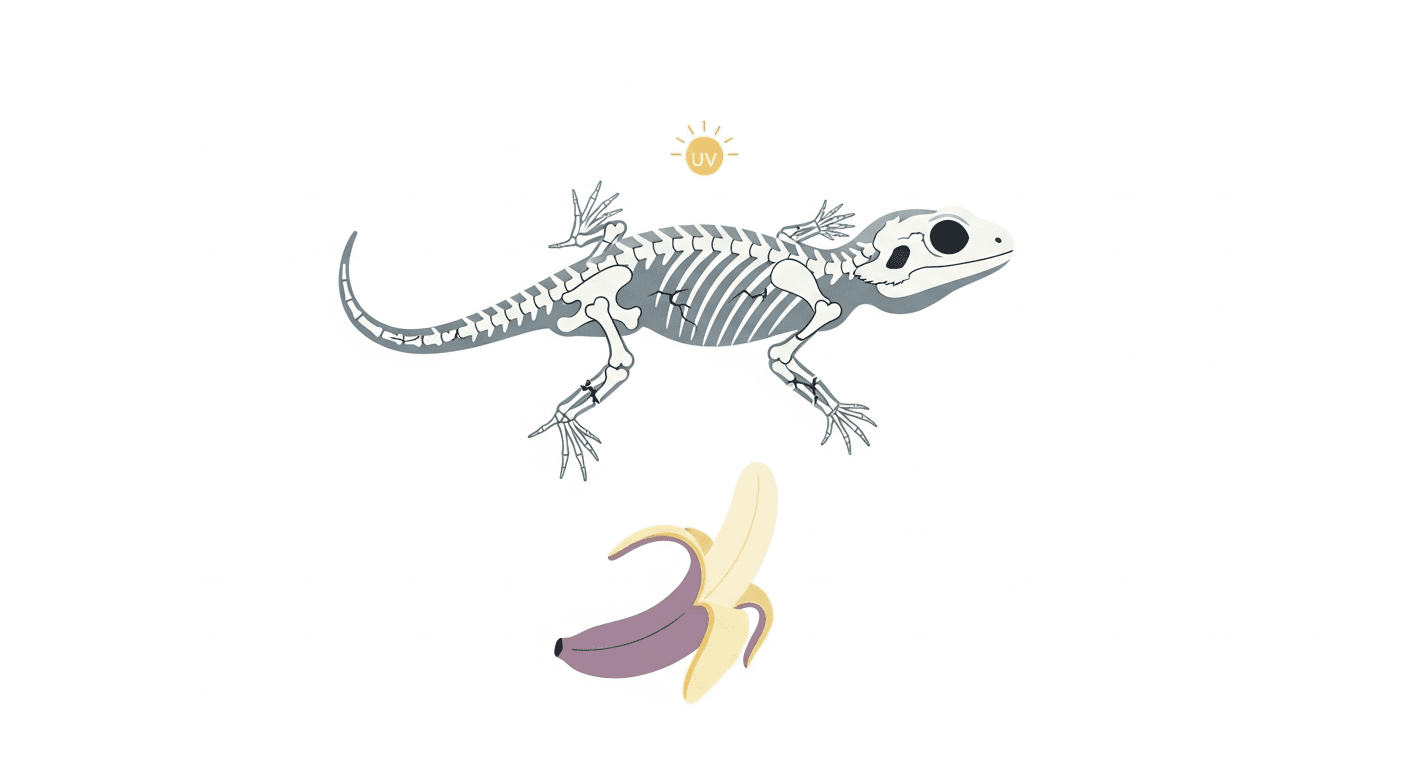 🦎 Reptile Health
Metabolic Bone Disease in Reptiles: Prevention, Signs, and Treatment
Metabolic bone disease is the most common nutritional disorder in captive reptiles. Learn what causes it, how to recognize the early and advanced signs, and how to prevent it entirely.
 🦎 Reptile Health
Daily Care Checklist for Reptiles: Building a Routine That Protects Your Animal's Health
A consistent daily care routine is your most powerful tool for keeping reptiles healthy and catching problems early. Use this checklist to build habits that work for any species.