

Why Gecko Species Matter for Care Decisions
The term "gecko" covers hundreds of species with dramatically different ecologies. Leopard geckos (Eublepharis macularius) are ground-dwelling desert reptiles from Pakistan and India. Crested geckos (Correlophus ciliatus) are arboreal rainforest reptiles from New Caledonia. Treating either one like the other results in serious health problems. Understanding your specific species is the prerequisite for correct care.
First 3 Steps at Home
- Leopard gecko temperature setup: Leopard geckos are crepuscular/nocturnal and primarily absorb heat from warm surfaces rather than basking under hot lights. Use an under-tank heater (UTH) on a thermostat set to 30–32°C (surface temperature) on one end of the enclosure. Ambient cool end should be 22–25°C. A low-output UVB light (T5 HO 6% or lower) is now recommended by many exotic vets despite the traditional no-UVB approach — it supports vitamin D3 synthesis and has been associated with improved health outcomes. Minimum enclosure for one adult: 60x30cm floor space.
- Crested gecko temperature setup: Crested geckos require cooler temperatures than most reptiles. They thrive at 22–26°C with no extreme heat source needed. Temperatures above 29°C can cause heat stress and death. They are nocturnal and tolerate lower UVB levels than diurnal species — a T5 HO 6% on 12-hour photoperiod is appropriate. They require 60–80% humidity and a tall, vertically oriented enclosure (60x45x60cm minimum) with climbing branches and live or artificial plants.
- Diet differences are significant: Leopard geckos are insectivores — their entire diet is feeder insects (dubia roaches, crickets, mealworms) dusted with calcium. Crested geckos are omnivores that eat a commercial crested gecko diet (Repashy, Pangea are widely used) supplemented with occasional feeder insects. The commercial diets are nutritionally complete — crested geckos managed on insect-only diets frequently develop nutritional problems.
When to Go to the Vet Immediately
- Tail drop in leopard geckos (can occur from stress or improper handling) — the wound needs monitoring for infection
- Crested gecko appearing white or pale and non-responsive — heat stress emergency
- Any metabolic bone disease signs: limb softness, jaw softness, tremors
- Retained shed around digits causing constriction — toe loss risk
- Any respiratory signs
Follow-Up Care Checklist
- Leopard geckos: dust feeders with calcium 5x per week (juveniles) or 3x (adults)
- Crested geckos: replace commercial diet every 24–48 hours; insects 2–3x weekly as supplemental protein
- Both species: weigh monthly to monitor nutritional status
- Both species: annual wellness exam and fecal parasite screening
- Provide appropriate hides on both warm and cool ends for leopard geckos; multiple climbing options for crested geckos
Track Daily Care with TailRounds
Log daily feeding, temperature readings, and weekly weight in the TailRounds Daily Log. Geckos are small and changes in weight or behavior can be subtle — consistent records make them visible.
Book a Vet Appointment
A new gecko wellness exam sets the health baseline and confirms your setup is appropriate. Book at Happy Paws with our reptile team within the first month of ownership.
Summary for Your Clinic Visit
Describe your enclosure setup in detail — temperatures, UVB, humidity, substrate — and current diet and supplementation. Note whether the gecko is feeding and defecating normally, and bring your weight record.
Continue Reading
 🦎 Reptile Health
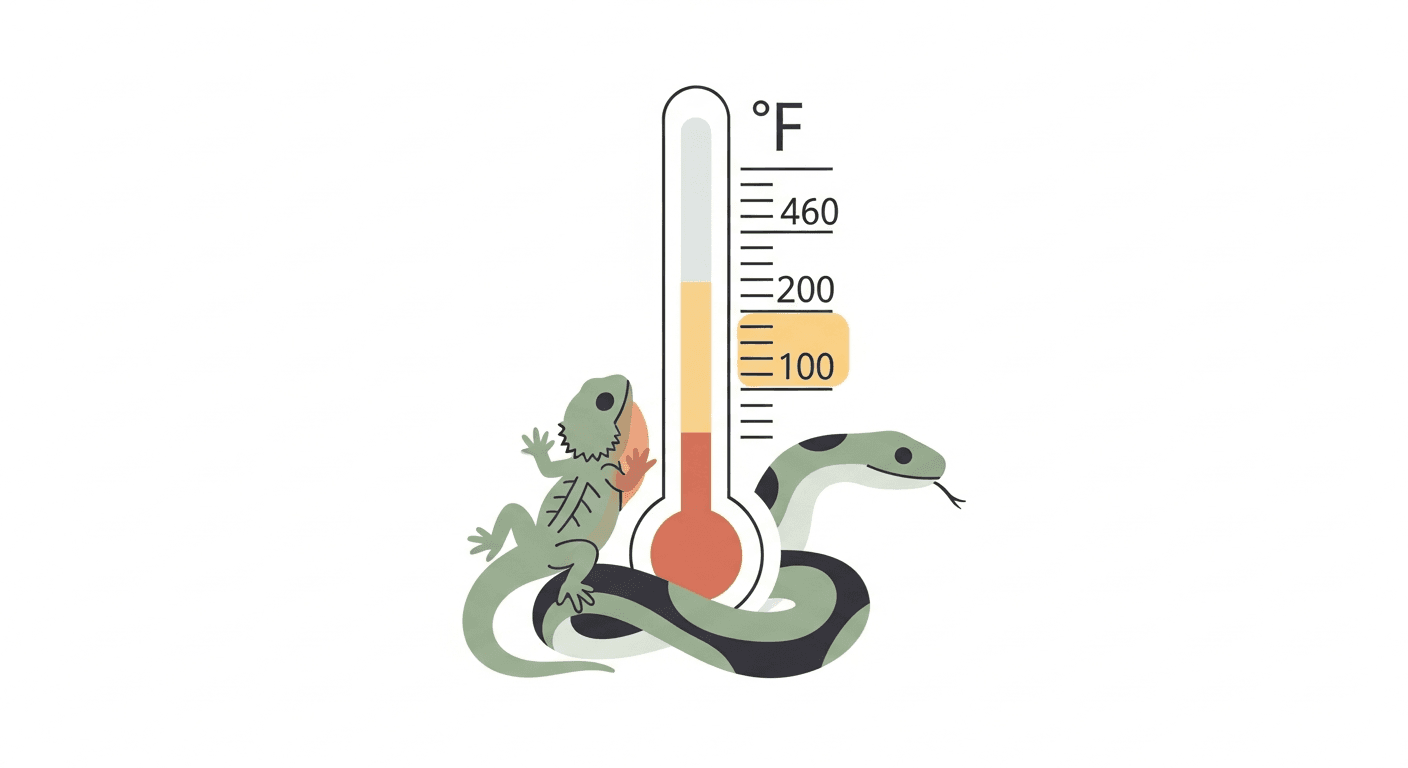
Temperature Requirements for Reptiles: Why Getting It Right Saves Lives
Every reptile species has a specific temperature range that determines its health. Learn how to create a proper thermal gradient and the consequences of getting it wrong.
 🦎 Reptile Health
Calcium Supplementation for Reptiles: Products, Frequency, and How to Avoid Mistakes
Calcium supplementation prevents metabolic bone disease in reptiles. Learn which products to use for different species, how often to supplement, and the risk of over-supplementation.
 🦎 Reptile Health
Dehydration in Reptiles: Signs, Species Differences, and How to Rehydrate
Dehydration is a common but often missed problem in captive reptiles. Learn the species-specific signs, how to assess hydration, and when veterinary fluid therapy is needed.
 🦎 Reptile Health
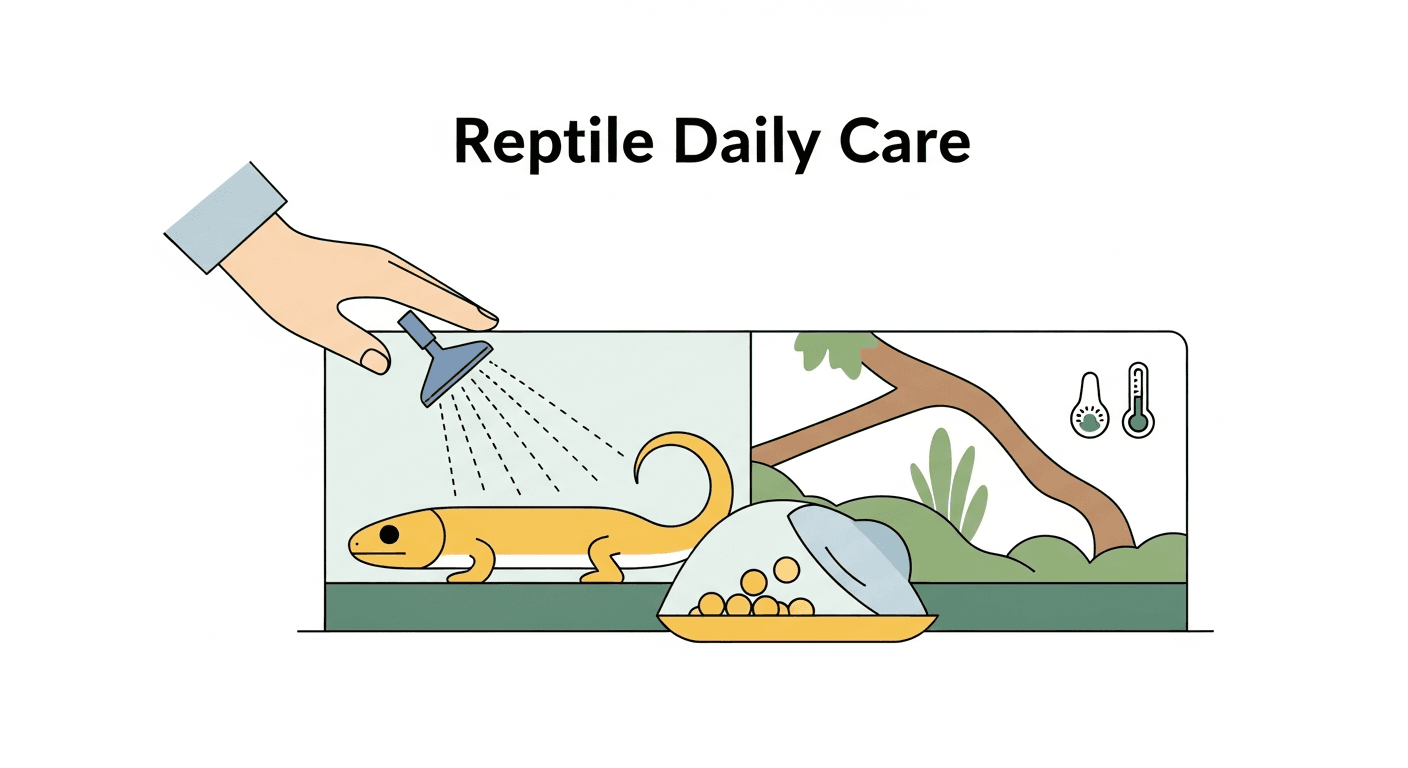
Daily Care Checklist for Reptiles: Building a Routine That Protects Your Animal's Health
A consistent daily care routine is your most powerful tool for keeping reptiles healthy and catching problems early. Use this checklist to build habits that work for any species.