
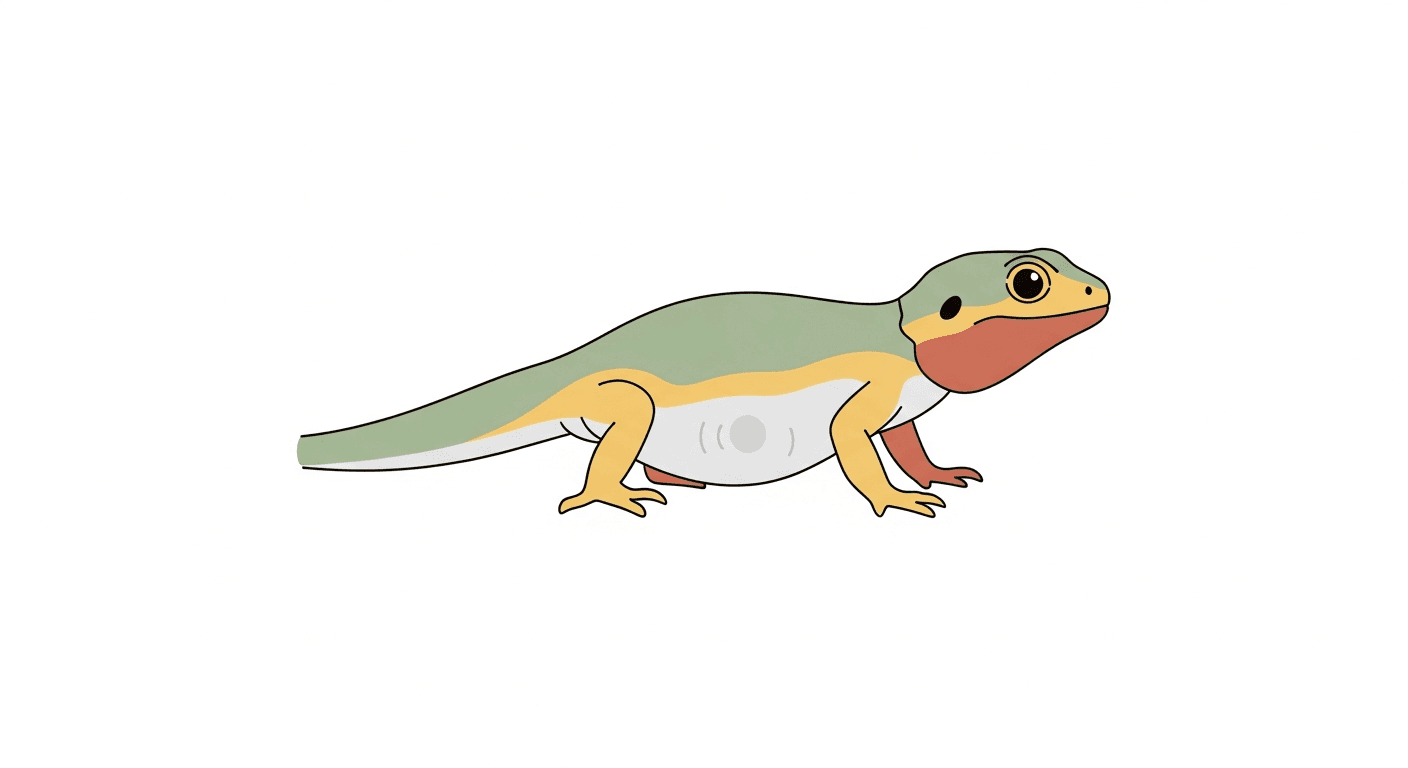
What Is Impaction in Reptiles?
Impaction is a gastrointestinal blockage caused by the accumulation of ingested material that cannot pass through the digestive tract. In reptiles, the most common cause is ingestion of loose particle substrate — sand, gravel, walnut shell, corn cob — during feeding or as a result of deliberate eating of substrate (often associated with calcium deficiency). Large prey items, fruit seeds, and fibrous plant material can also cause impaction.
Impaction ranges from mild (constipation that resolves with supportive care) to severe (complete obstruction requiring surgery). Without treatment, severe impaction is fatal.
First 3 Steps at Home
- Recognize the signs: A reptile with impaction typically shows progressively reduced or absent defecation, abdominal swelling or firmness, lethargy, and reduced appetite. In bearded dragons, you may be able to feel or see a hard lump in the abdomen when viewed from below. Straining attempts with no result, or passing only small amounts of liquid around a blockage, are late signs.
- Offer a warm soak and gentle abdominal massage: For mild constipation without confirmed impaction, a 20–30 minute soak in warm water (28–30°C) combined with very gentle circular massage of the lower abdomen may stimulate passage. Do not apply firm pressure. If this does not result in defecation within 24–48 hours, contact your vet.
- Do not offer additional food: Adding more food to a potentially blocked system worsens the obstruction. Withhold food until defecation has been confirmed and your vet has assessed the situation.
When to Go to the Vet Immediately
- Abdominal distension with hard mass palpable
- No defecation in more than 2 weeks in a reptile that was feeding
- Straining without result
- Lethargy and complete appetite loss alongside suspected impaction
- Confirmed substrate ingestion in a large amount
Follow-Up Care Checklist
- Switch to non-particle substrate: reptile carpet, ceramic tile, paper towel, or bioactive soil (no loose particles)
- Feed from a dish rather than directly on loose substrate to reduce accidental ingestion
- Ensure correct temperatures — cold temperatures impair gut motility and increase impaction risk
- Maintain adequate hydration — dry conditions contribute to constipation
- Supplement calcium appropriately — substrate eating often indicates calcium deficiency
Track Defecation with TailRounds
Log every defecation event including appearance and consistency in the TailRounds Daily Log. Knowing the normal interval and appearance for your individual animal immediately highlights when the pattern has changed.
Book a Vet Appointment
Any suspected impaction beyond mild constipation requires veterinary radiography to assess the location and severity of the blockage. Book at Happy Paws promptly — early intervention prevents surgical necessity in many cases.
Summary for Your Clinic Visit
Note the last confirmed defecation date and appearance, current substrate type, any observed substrate eating, the reptile's diet including prey and vegetable items, and current abdominal appearance and feel.
Continue Reading
 🦎 Reptile Health
Bearded Dragon Not Eating: Reasons, What to Check, and When to Worry
A bearded dragon refusing food may be in brumation, shedding, or experiencing illness. Learn to distinguish normal from concerning and when to seek veterinary care.
 🦎 Reptile Health
Temperature Requirements for Reptiles: Why Getting It Right Saves Lives
Every reptile species has a specific temperature range that determines its health. Learn how to create a proper thermal gradient and the consequences of getting it wrong.
 🦎 Reptile Health
Dehydration in Reptiles: Signs, Species Differences, and How to Rehydrate
Dehydration is a common but often missed problem in captive reptiles. Learn the species-specific signs, how to assess hydration, and when veterinary fluid therapy is needed.
 🦎 Reptile Health
Daily Care Checklist for Reptiles: Building a Routine That Protects Your Animal's Health
A consistent daily care routine is your most powerful tool for keeping reptiles healthy and catching problems early. Use this checklist to build habits that work for any species.