
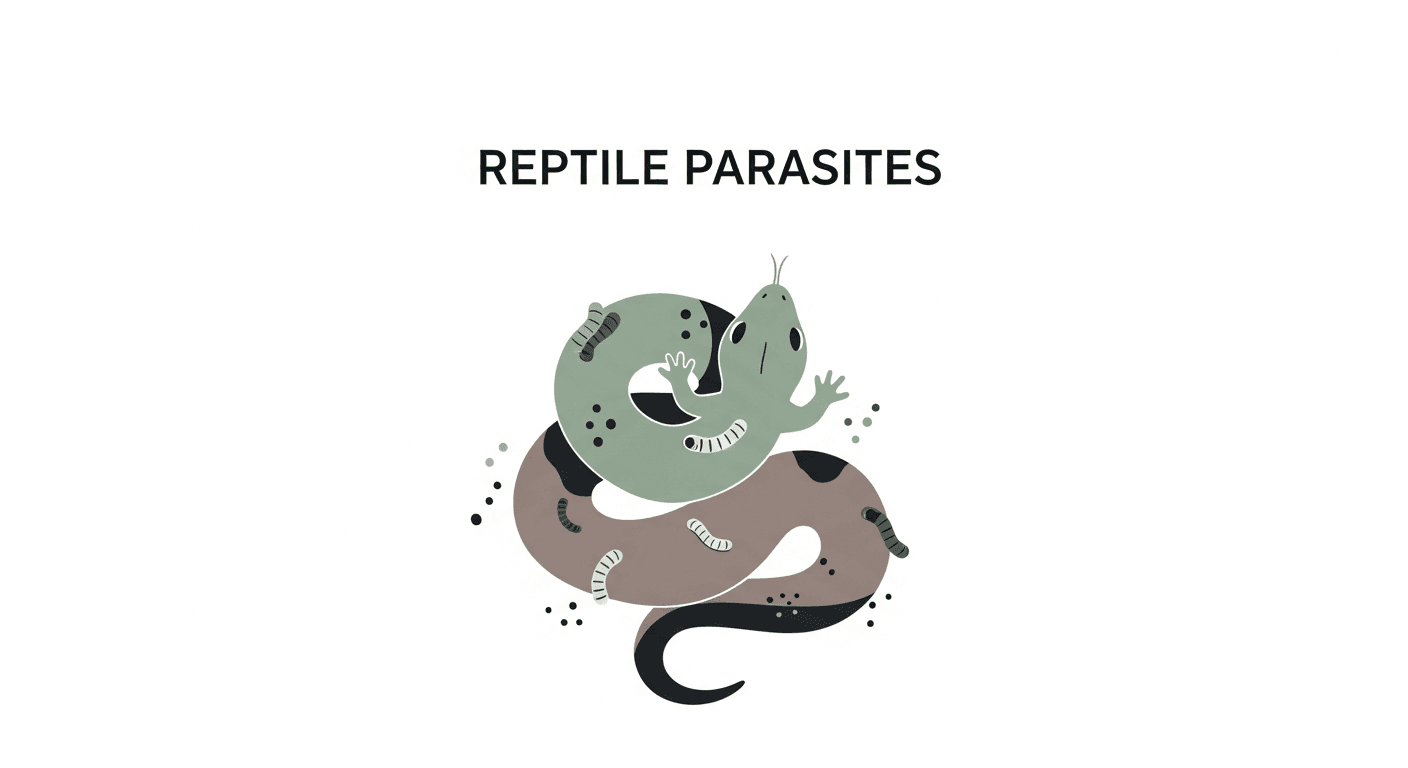
Why Parasites Are Almost Universal in Reptiles
Most wild-caught reptiles — and many captive-bred ones — carry internal parasites as part of their normal biology. In healthy wild animals with diverse natural diets and behaviors, parasite loads remain subclinical. In captivity, the closed environment allows fecal-oral reinfection cycles, stress reduces immune competence, and nutritional deficiencies impair resistance. The result is parasitic burden escalating to pathological levels that cause weight loss, anorexia, diarrhea, and death.
First 3 Steps at Home
- Annual fecal testing for all reptiles: A fresh fecal sample (collected within 24 hours) submitted to a vet for flotation and direct smear identifies most intestinal parasites. This is inexpensive, non-invasive, and the baseline of reptile preventive care. All newly acquired reptiles should have a fecal test within the first 30 days.
- Check for external mites: Reptile mites (Ophionyssus natricis in snakes, Trombiculid mites in lizards) are microscopic but visible en masse. In snakes, mites concentrate around the eyes, under chin scales, and in the folds under the chin. In lizards, they collect in skin folds and around the ears. Run a white damp cloth over the reptile — tiny moving dots indicate mites. Mites cause anemia, stress, and transmit diseases.
- Quarantine all new animals: New reptiles should be quarantined for 60–90 days in a separate room before exposure to existing animals. Parasites can be transmitted through shared equipment, water, and direct contact.
When to Go to the Vet Immediately
- Heavy mite infestation — mites can cause anemia and death in severe cases
- Weight loss with abnormal or bloody feces suggesting active gastrointestinal parasite burden
- Prolapsed rectum associated with severe intestinal infection
- Any reptile acquired from a rescue or unknown source without parasite screening
Follow-Up Care Checklist
- Complete the full antiparasitic treatment course precisely
- Deep clean and disinfect the entire enclosure during treatment to prevent reinfection
- Repeat fecal test 3–4 weeks post-treatment to confirm clearance
- For mites: treat the animal and the entire enclosure simultaneously — mites survive in substrate and decor
- Annual fecal testing for reptiles with outdoor exposure or fed feeder insects from dubious sources
Track Parasite Management with TailRounds
Log fecal test dates and results, treatment dates and products, and follow-up test dates in the TailRounds Daily Log. This record ensures follow-up tests don't get missed and treatment history is available at any vet visit.
Book a Vet Appointment
Parasite screening and treatment requires veterinary guidance — most reptile antiparasitics are prescription medications with narrow dose margins. Book at Happy Paws for a fecal test and examination.
Summary for Your Clinic Visit
Bring a fresh fecal sample collected within 24 hours, note the reptile's recent weight trend, describe any changes in fecal appearance, and list all food sources including feeder insects or rodents.
Continue Reading
 🦎 Reptile Health
My Snake Won't Eat: Common Reasons and When to See a Vet
Snakes naturally fast for weeks at a time. Learn which causes of food refusal are normal, which require attention, and how to encourage a reluctant feeder.
 🦎 Reptile Health
Bearded Dragon Not Eating: Reasons, What to Check, and When to Worry
A bearded dragon refusing food may be in brumation, shedding, or experiencing illness. Learn to distinguish normal from concerning and when to seek veterinary care.
 🦎 Reptile Health
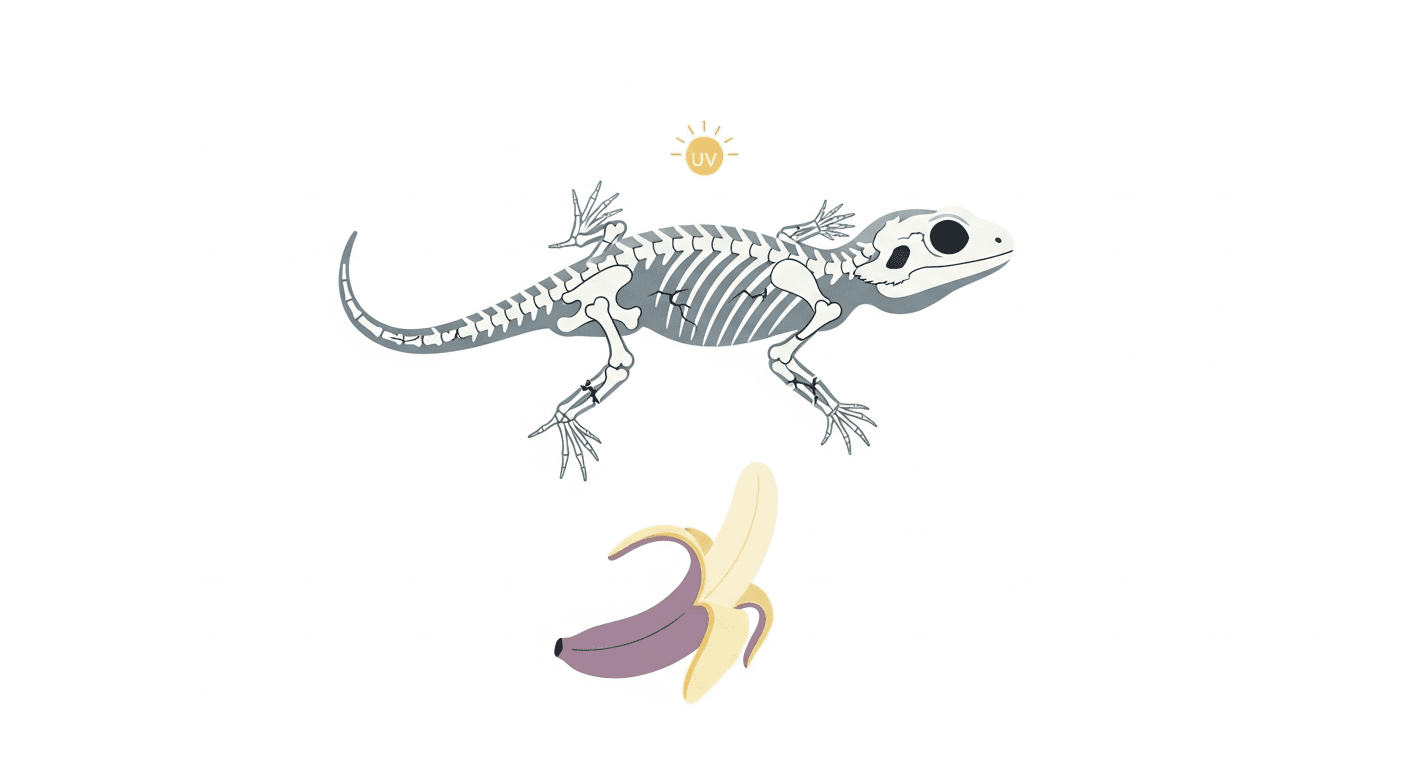
Metabolic Bone Disease in Reptiles: Prevention, Signs, and Treatment
Metabolic bone disease is the most common nutritional disorder in captive reptiles. Learn what causes it, how to recognize the early and advanced signs, and how to prevent it entirely.
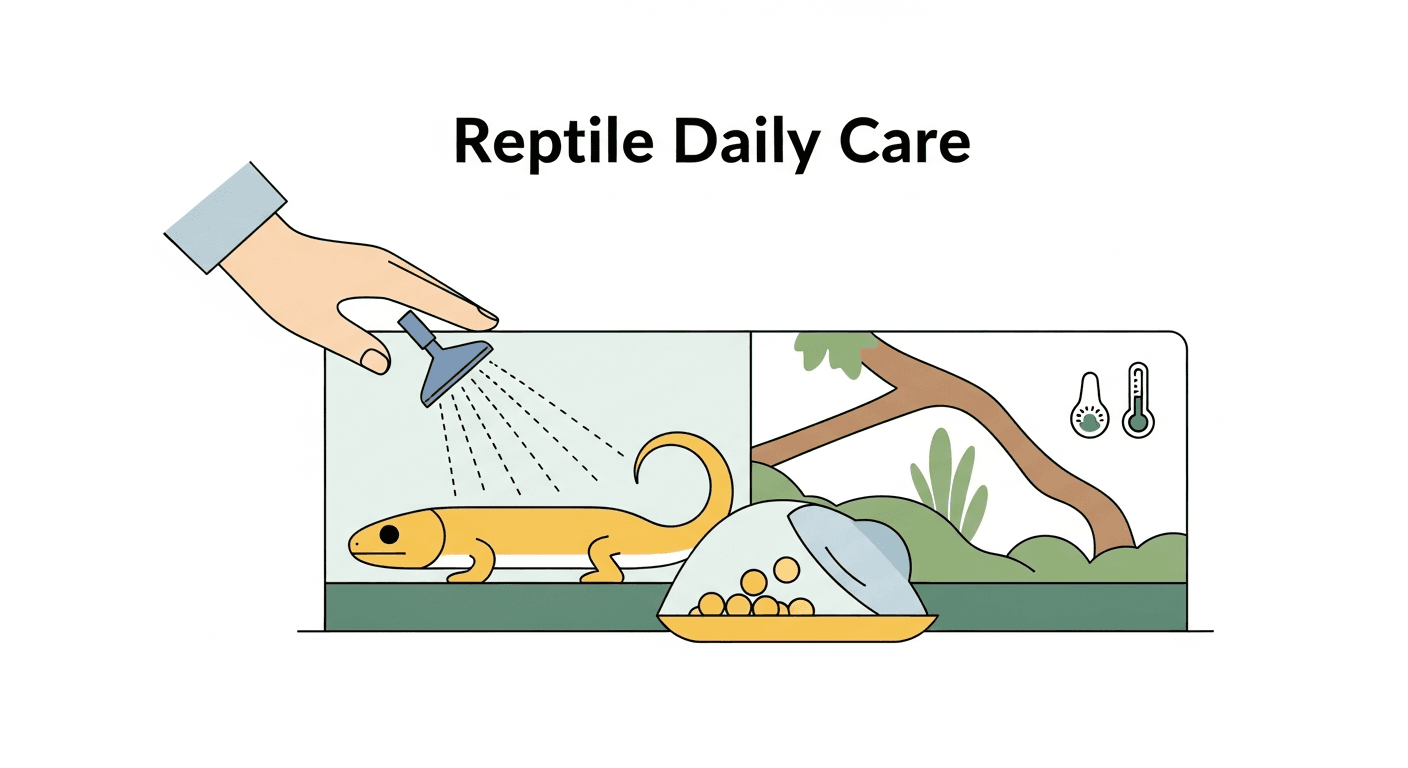 🦎 Reptile Health
Daily Care Checklist for Reptiles: Building a Routine That Protects Your Animal's Health
A consistent daily care routine is your most powerful tool for keeping reptiles healthy and catching problems early. Use this checklist to build habits that work for any species.