

What Causes Respiratory Infections in Reptiles?
Respiratory infections (RI) in reptiles are caused by bacteria (most commonly), viruses, parasites, and fungi. Bacteria including Aeromonas, Pseudomonas, and Klebsiella species are the most frequent pathogens. The underlying factor in virtually all cases is immune suppression caused by inadequate temperatures — a reptile kept too cold cannot mount an effective immune response, and opportunistic bacteria proliferate in the respiratory tract.
Additional risk factors include overcrowding, poor ventilation, high humidity for desert species, and recent stress from transport or environmental changes.
First 3 Steps at Home
- Raise temperatures immediately: Ensure the basking spot is at the upper end of appropriate range for the species and that ambient temperatures are also adequate. A warm environment is the single most important supportive measure while arranging veterinary care — without appropriate warmth, the immune system remains suppressed and the infection progresses regardless of antibiotics.
- Identify the severity: Early RI: occasional mucus around the nostrils, slightly increased breathing effort, mild appetite reduction. Moderate RI: audible breathing sounds, open-mouth breathing (dyspnea), visible mucus strands in the mouth. Severe RI: constant open-mouth breathing, inability to hold normal posture, severe lethargy, blue-tinged mouth or tongue (cyanosis). Any level beyond mild requires prompt veterinary care.
- Minimize stress during transport: A sick reptile that is stressed during transport can deteriorate rapidly. Keep the carrier warm and dark, handle minimally, and drive carefully. Call the clinic ahead so they can prepare.
When to Go to the Vet Immediately
- Any open-mouth breathing — respiratory distress
- Audible wheezing, clicking, or rattling with breaths
- Mucus visible in the mouth or nostrils
- Inability to maintain normal posture
- Refusal to eat alongside respiratory signs
- Cyanosis (bluish tongue or mucous membranes)
Follow-Up Care Checklist
- Complete the full prescribed antibiotic course — most require injections administered by or under direction of a vet
- Maintain optimal temperatures throughout treatment
- Isolate from any other reptiles during the illness
- Recheck at 2 weeks to assess treatment response
- Correct the underlying husbandry issues that contributed to immune suppression
Track Respiratory Health with TailRounds
Log daily breathing observations, appetite, and temperature readings in the TailRounds Daily Log. Respiratory infections can worsen overnight — a daily record helps you track the trajectory and communicate precisely with your vet.
Book a Vet Appointment
Respiratory infections in reptiles are serious and progress rapidly without treatment. Book at Happy Paws urgently if your reptile shows any respiratory signs — culture and sensitivity testing guides effective antibiotic selection.
Summary for Your Clinic Visit
Note the duration of symptoms, severity (mild/moderate/severe per the criteria above), current enclosure temperatures, recent environmental changes, and whether other reptiles are housed nearby.
Continue Reading
 🦎 Reptile Health
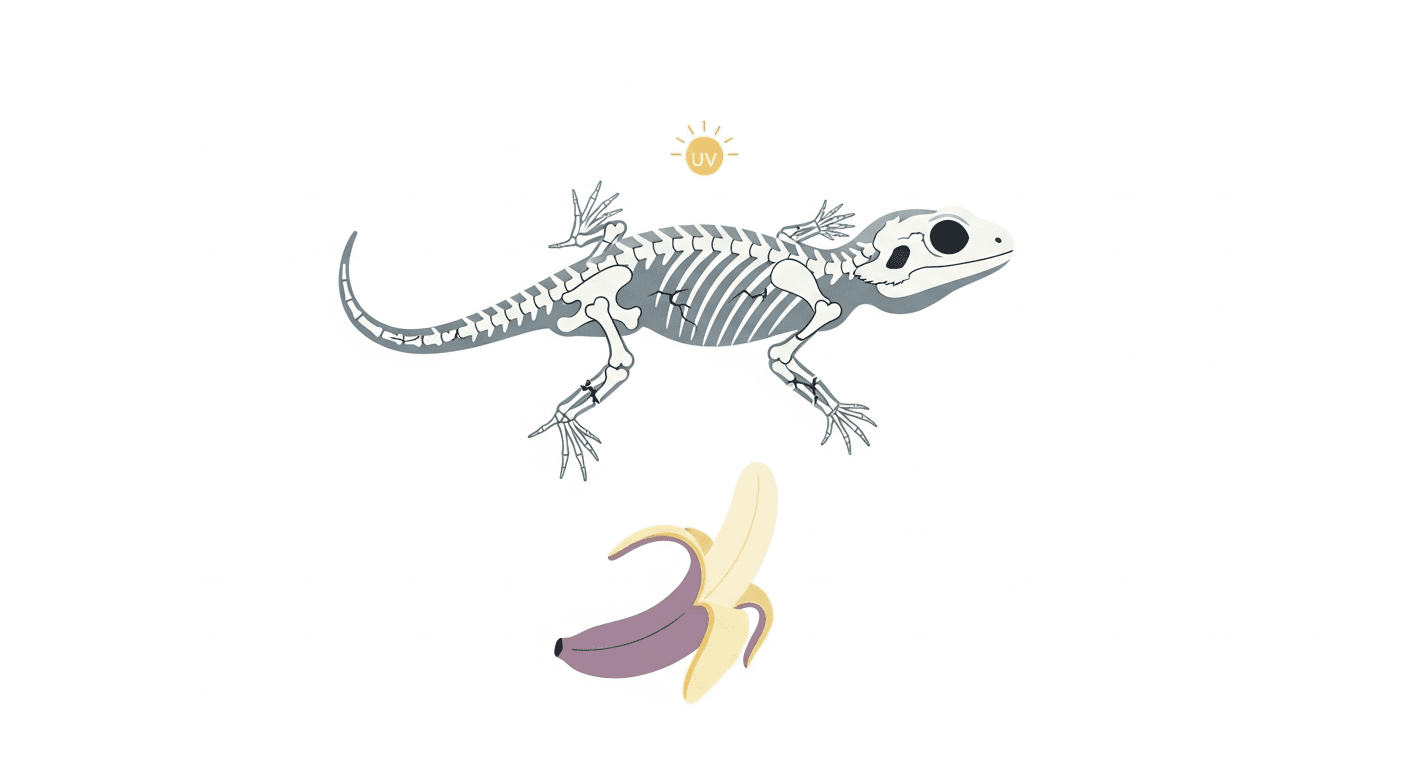
Metabolic Bone Disease in Reptiles: Prevention, Signs, and Treatment
Metabolic bone disease is the most common nutritional disorder in captive reptiles. Learn what causes it, how to recognize the early and advanced signs, and how to prevent it entirely.
 🦎 Reptile Health
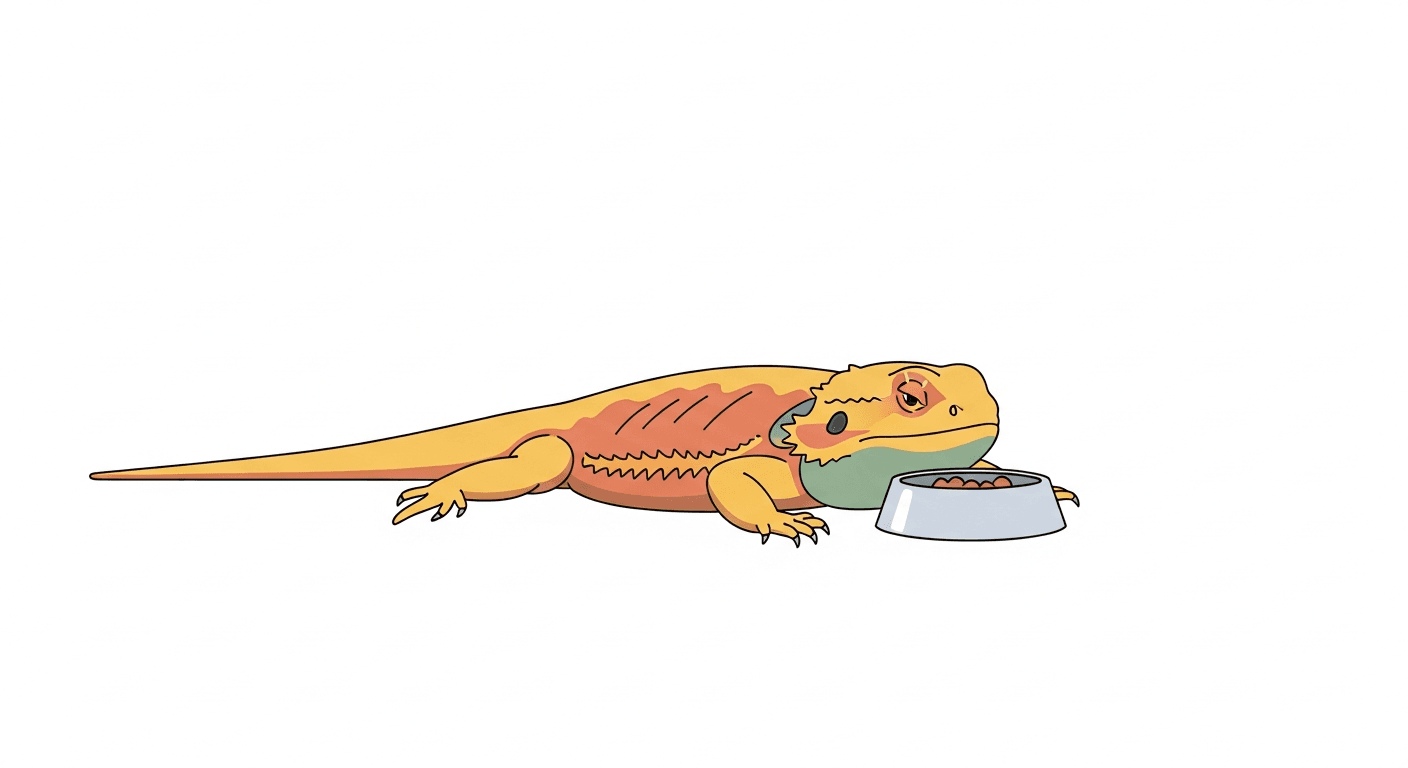
Bearded Dragon Not Eating: Reasons, What to Check, and When to Worry
A bearded dragon refusing food may be in brumation, shedding, or experiencing illness. Learn to distinguish normal from concerning and when to seek veterinary care.
 🦎 Reptile Health
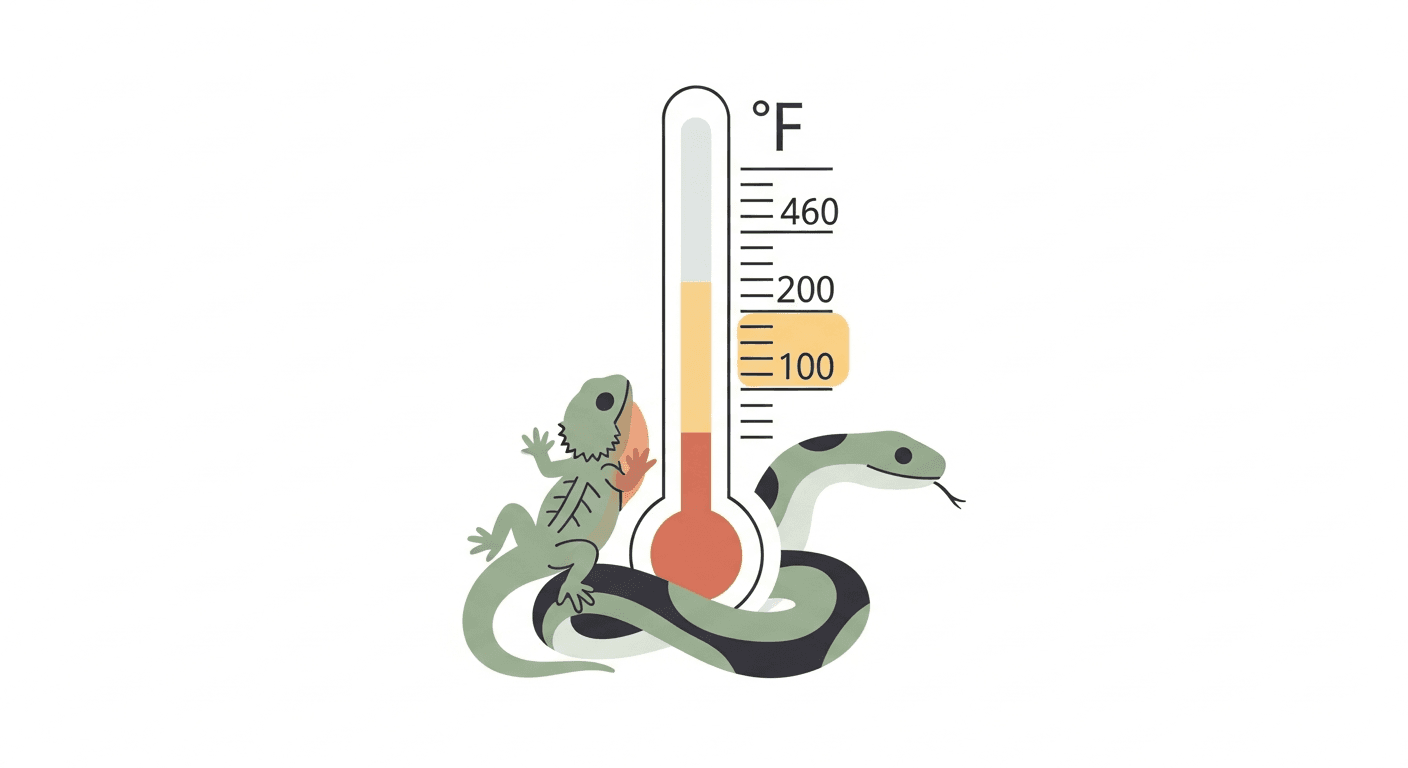
Temperature Requirements for Reptiles: Why Getting It Right Saves Lives
Every reptile species has a specific temperature range that determines its health. Learn how to create a proper thermal gradient and the consequences of getting it wrong.
 🦎 Reptile Health
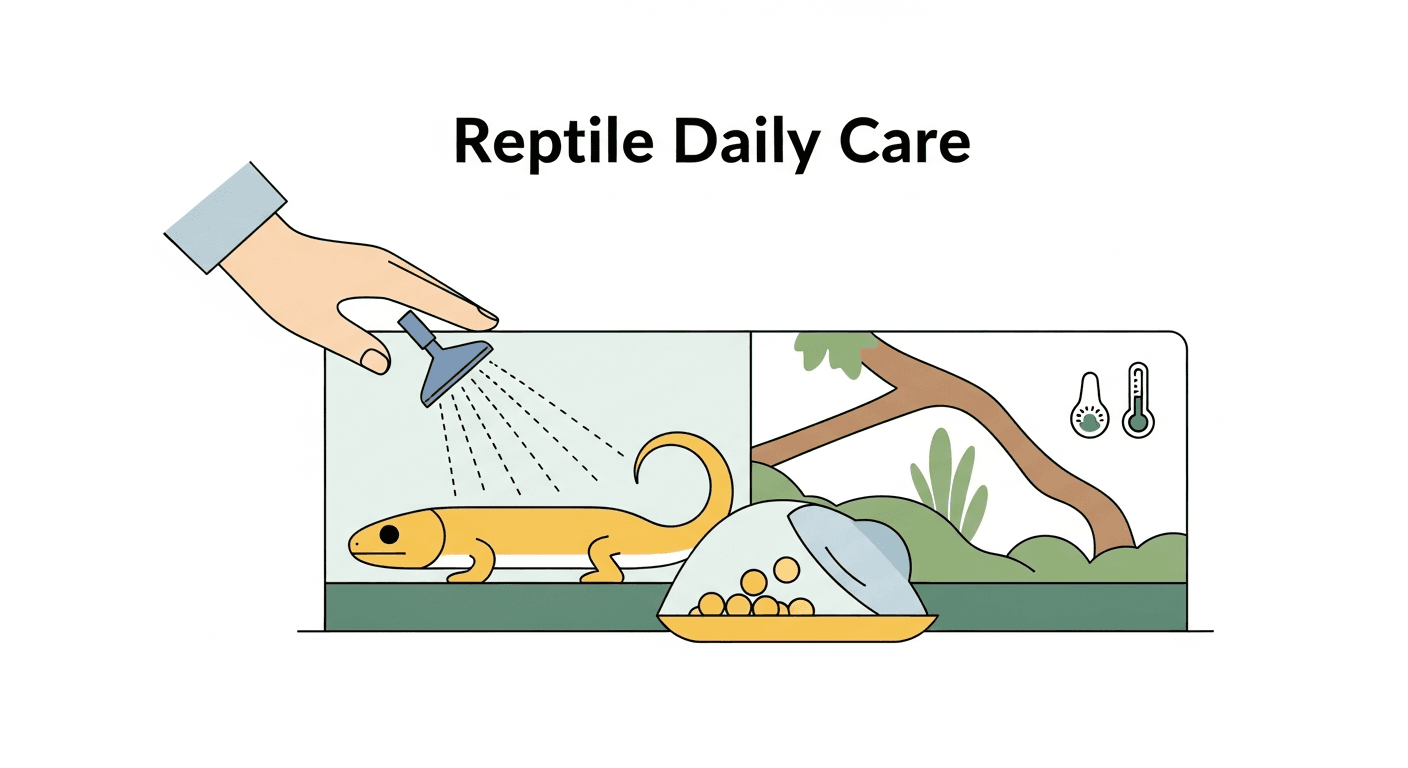
Daily Care Checklist for Reptiles: Building a Routine That Protects Your Animal's Health
A consistent daily care routine is your most powerful tool for keeping reptiles healthy and catching problems early. Use this checklist to build habits that work for any species.