

Why Dehydration Is Common in Captive Reptiles
Reptiles have lower water turnover than mammals, which can mislead owners into thinking water provision is not critical. In reality, most captive reptiles experience some level of chronic low-grade dehydration due to dry environments, inadequate water provision, or illness that reduces normal drinking behavior. Dehydration compounds any existing health problem and impairs the reptile's ability to recover.
First 3 Steps at Home
- Assess hydration with a skin tent test: Gently lift the skin on the lateral torso of a lizard or the dorsal surface of a snake. In a well-hydrated reptile, the skin returns to normal position immediately. In a dehydrated reptile, the skin retains the tent shape for 1–2 seconds or more. Sunken eyes in lizards and chameleons, a "wrinkled" appearance to the skin, and dry, tacky mucous membranes are additional signs.
- Offer a warm soak: Place the reptile in a shallow container of lukewarm water (28–30°C) at a depth that doesn't risk drowning — to the elbow for lizards, shallow enough for the snake to hold its head above water comfortably. Soak for 20–30 minutes. Many reptiles will drink during soaking. Repeat daily for mild dehydration.
- Check and correct water provision: Bearded dragons often require a shallow dish of fresh water changed daily and may need to be shown the water by placing them directly at it. Snakes need a water bowl large enough to soak in. Chameleons require dripping or misting water on leaves. Verify that your water provision method matches your species' natural drinking behavior.
When to Go to the Vet Immediately
- Severe skin tenting that doesn't improve with 24–48 hours of soaking
- Sunken eyes with concurrent lethargy and food refusal
- Any reptile with known prolonged water deprivation
- Dehydration combined with any other illness sign
Follow-Up Care Checklist
- Ensure water is fresh and changed daily — reptiles often refuse stale water
- Offer soaks 2–3 times weekly as routine preventive care, especially for desert species
- High water content food items help — fresh leafy greens for herbivorous lizards, hornworms and other high-moisture feeders for insectivores
- Monitor shed quality — poor sheds are often the first visible sign of chronic dehydration
Track Hydration with TailRounds
Log soaking sessions, observations during soaks (did the reptile drink?), and shed quality in the TailRounds Daily Log. Repeated shed problems are often the first indicator that chronic mild dehydration is present.
Book a Vet Appointment
Moderate to severe dehydration requires veterinary fluid therapy. Book at Happy Paws — subcutaneous or intracoelemic fluids given by a vet restore hydration far more effectively than soaking alone in seriously dehydrated animals.
Summary for Your Clinic Visit
Note the skin tent test result, duration of suspected dehydration, current water provision method, shed quality, and any other symptoms present. Bring the reptile for physical assessment of hydration status.
Continue Reading
 🦎 Reptile Health
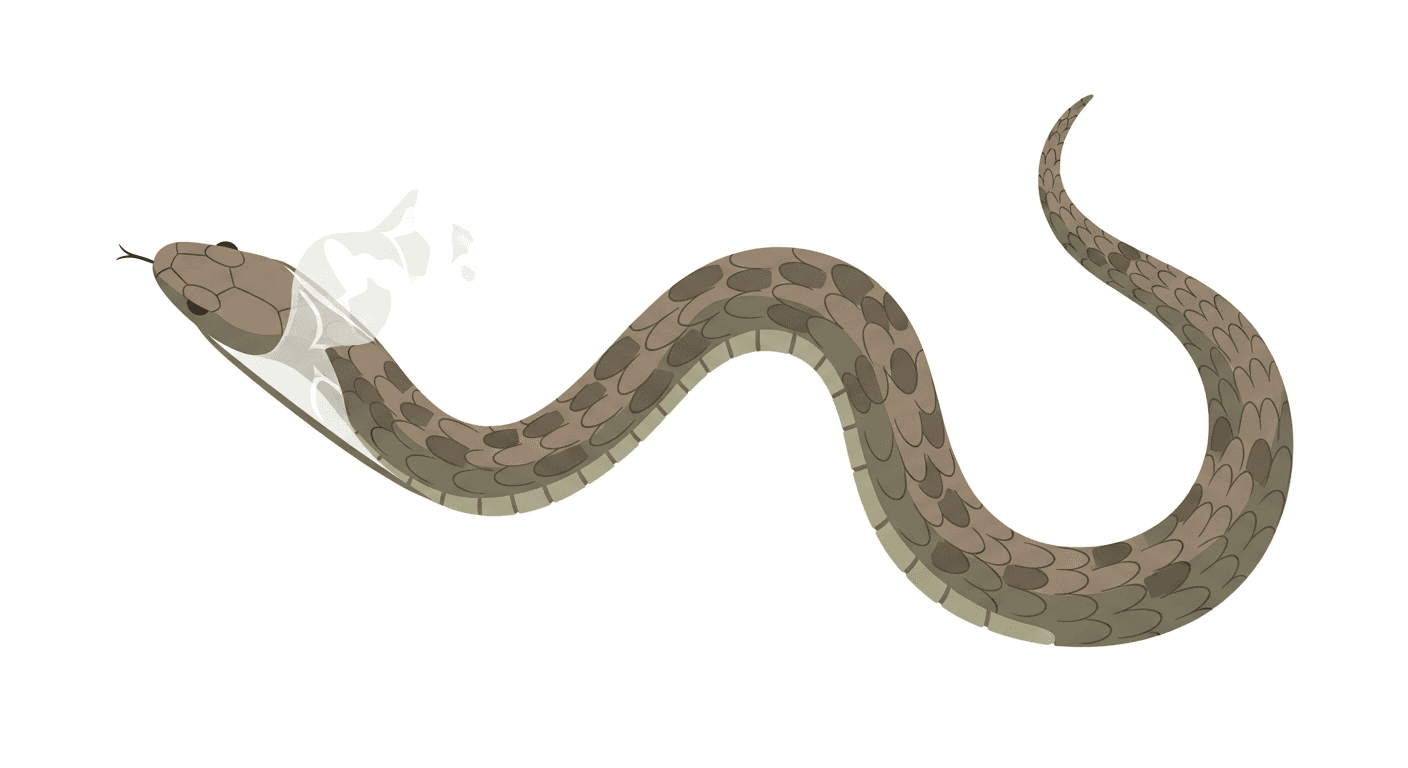
Snake Shedding: Normal Process, Stuck Shed, and How to Help
Shedding is a natural process but retained shed is a common problem in captivity. Learn the signs of stuck shed, how to assist safely, and how correct humidity prevents it.
 🦎 Reptile Health
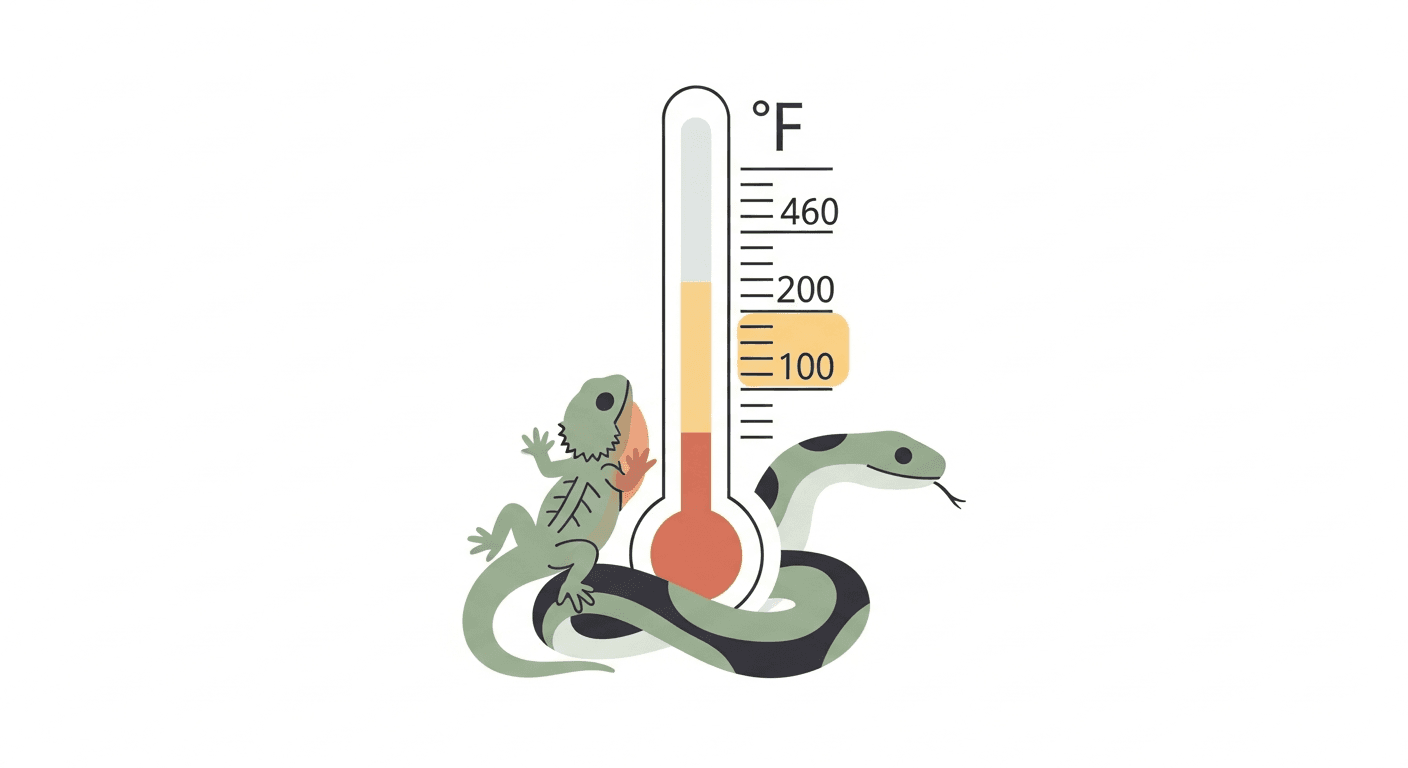
Temperature Requirements for Reptiles: Why Getting It Right Saves Lives
Every reptile species has a specific temperature range that determines its health. Learn how to create a proper thermal gradient and the consequences of getting it wrong.
 🦎 Reptile Health
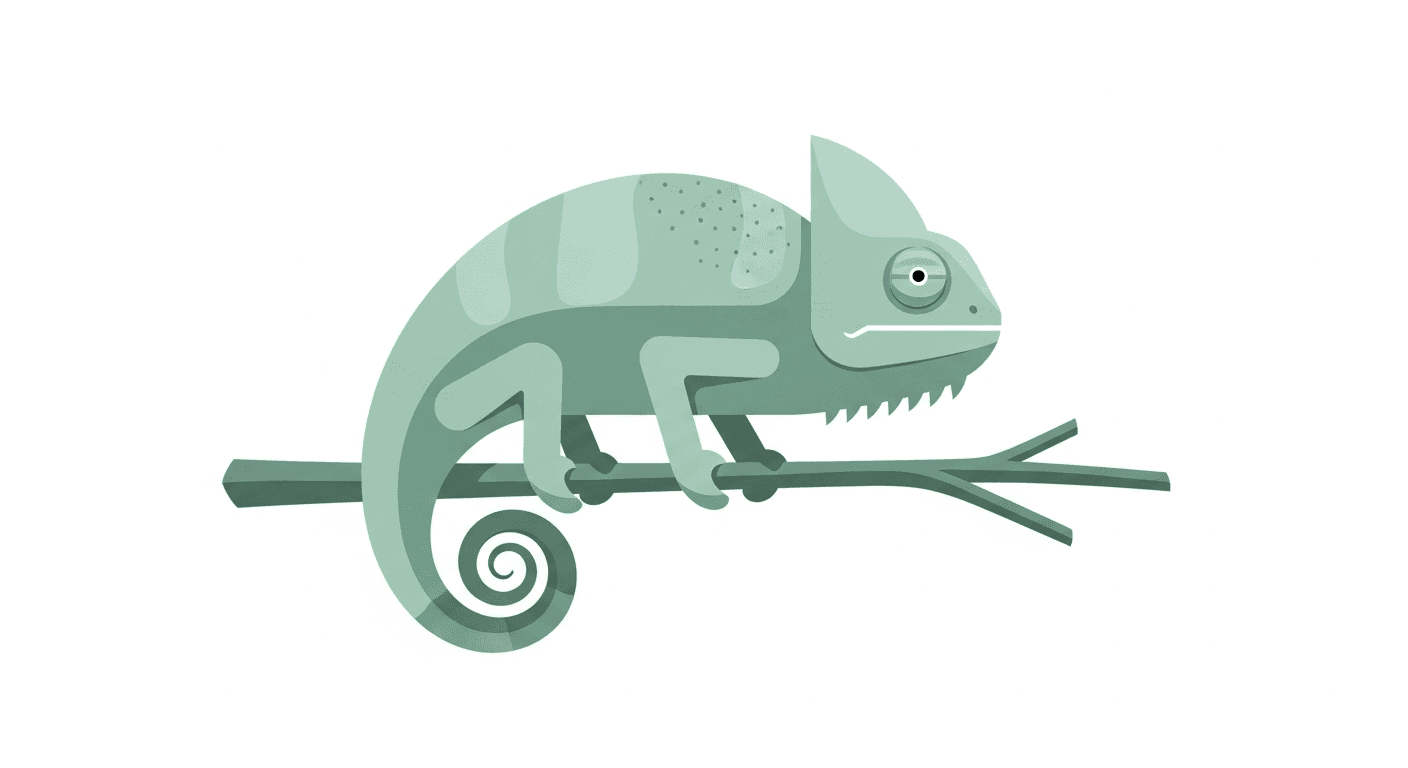
Chameleon Care Guide: Specialized Needs That Make or Break Chameleon Health
Chameleons have highly specific care requirements and are not beginners' reptiles. Learn the key needs — humidity, UVB, water delivery, and stress reduction — that determine whether a chameleon thrives.
 🦎 Reptile Health
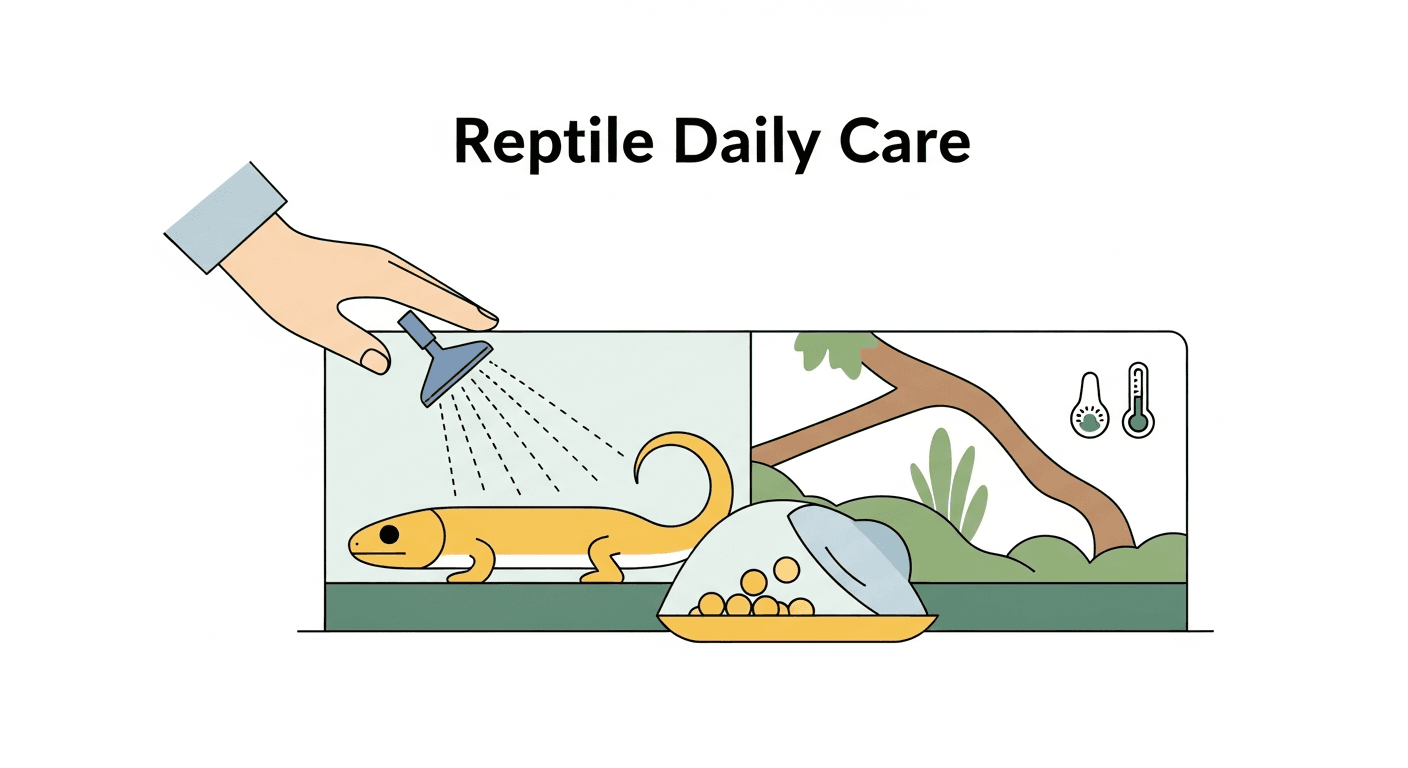
Daily Care Checklist for Reptiles: Building a Routine That Protects Your Animal's Health
A consistent daily care routine is your most powerful tool for keeping reptiles healthy and catching problems early. Use this checklist to build habits that work for any species.