

Diet Varies Enormously by Reptile Species
Reptiles occupy dietary niches that range from strict carnivores (most snakes) to pure herbivores (iguanas, many tortoises) to complex omnivores (bearded dragons, blue-tongued skinks). Feeding a reptile the wrong diet class — protein-heavy to a herbivore, or plant-only to a carnivore — causes progressive metabolic disease. Understanding your species' natural ecology is the prerequisite for appropriate feeding.
First 3 Steps at Home
- Insectivorous reptiles (leopard geckos, crested geckos, day geckos, chameleons): The diet is entirely or primarily feeder insects. Rotate insect species for nutritional variety: dubia roaches (high protein, low fat), crickets (widely available, good nutrition when gut-loaded), hornworms (high water content, occasional), black soldier fly larvae/calci-worms (high calcium). Avoid waxworms and mealworms as staples — they are too high in fat. Gut-load all feeder insects 24–48 hours before offering.
- Omnivorous reptiles (bearded dragons, blue-tongued skinks, water dragons): For juvenile bearded dragons, aim for 70% insects / 30% plants. For adults over 18 months, reverse to 70% plant / 30% insect. The plant component should be dark leafy greens (collard, mustard, dandelion, endive) with limited fruit. Avoid spinach, beet greens, and high-oxalate plants regularly. Blue-tongued skinks eat more varied omnivore diet including animal protein, cooked meat, and vegetables.
- Carnivorous reptiles (most snakes): Whole prey items (mice, rats, appropriately sized) are the correct diet for most captive snakes. Frozen-thawed prey is strongly preferred over live prey — it is safer for the snake and more humane. Feed an appropriate-sized prey item (approximately the diameter of the thickest part of the snake's body). Frequency: hatchlings every 5–7 days; adults every 10–14 days. Never handle snakes for 48 hours after feeding.
When to Go to the Vet Immediately
- Consistent food refusal (beyond species-normal fasting)
- Regurgitation of prey items after feeding — multiple occurrences
- Signs of nutritional deficiency despite adequate feeding: MBD signs, swollen eyes (vitamin A)
Follow-Up Care Checklist
- Calcium dust all feeder insects on an appropriate schedule for the species and life stage
- Weigh the reptile monthly to confirm diet is adequate
- Source feeder insects from reputable suppliers to reduce parasite transmission risk
- Review diet composition with your vet annually — requirements change with age
Track Diet with TailRounds
Log what was offered, what was eaten, and portion sizes in the TailRounds Daily Log. A comprehensive feeding record is the most useful piece of information you can bring to any veterinary assessment of a reptile health problem.
Book a Vet Appointment
Annual wellness exams should include a dietary review. Book at Happy Paws with our reptile team for species-specific feeding guidance tailored to your animal's age and current condition.
Summary for Your Clinic Visit
Bring a written record of what your reptile eats, how often, the calcium and vitamin supplementation routine, and your feeding log. Any significant recent changes to the diet should be specifically noted.
Continue Reading
 🦎 Reptile Health
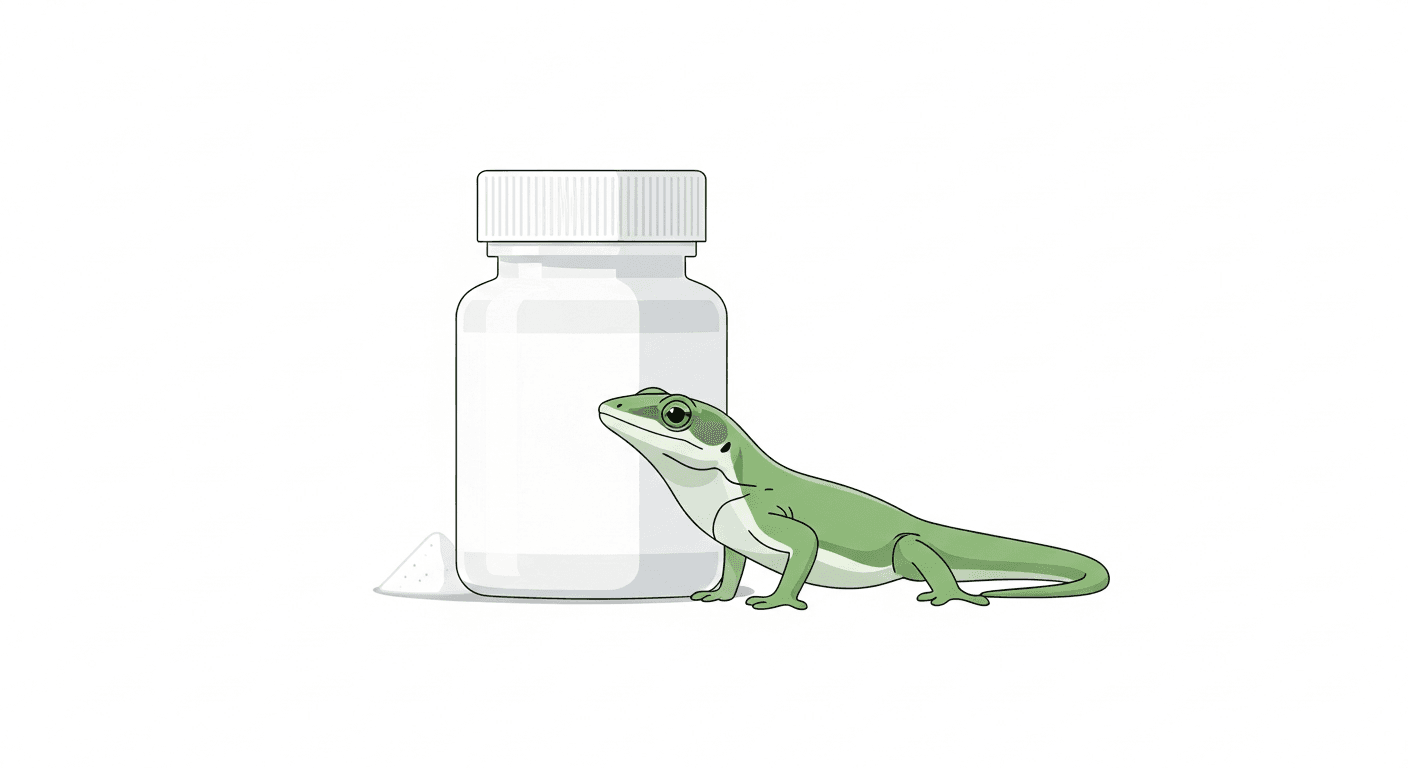
Calcium Supplementation for Reptiles: Products, Frequency, and How to Avoid Mistakes
Calcium supplementation prevents metabolic bone disease in reptiles. Learn which products to use for different species, how often to supplement, and the risk of over-supplementation.
 🦎 Reptile Health
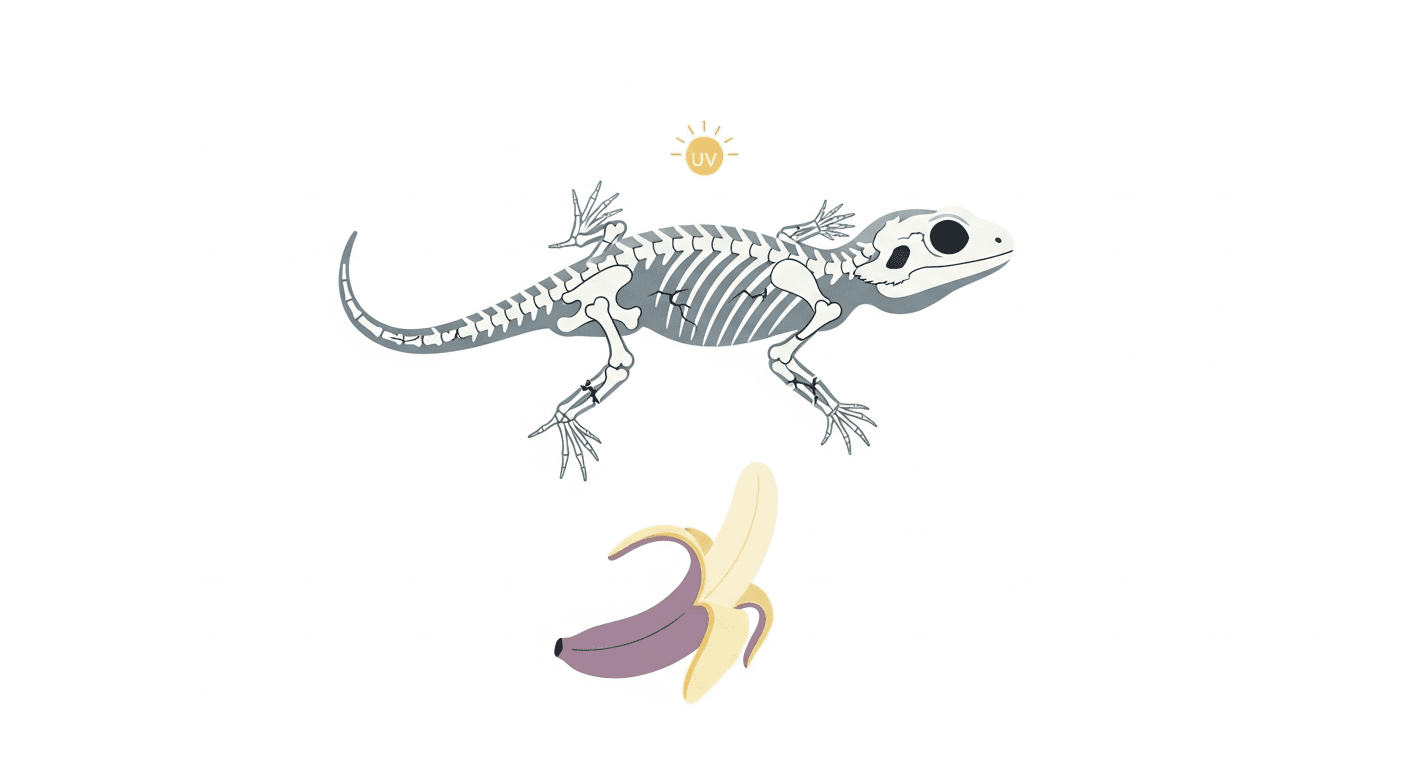
Metabolic Bone Disease in Reptiles: Prevention, Signs, and Treatment
Metabolic bone disease is the most common nutritional disorder in captive reptiles. Learn what causes it, how to recognize the early and advanced signs, and how to prevent it entirely.
 🦎 Reptile Health
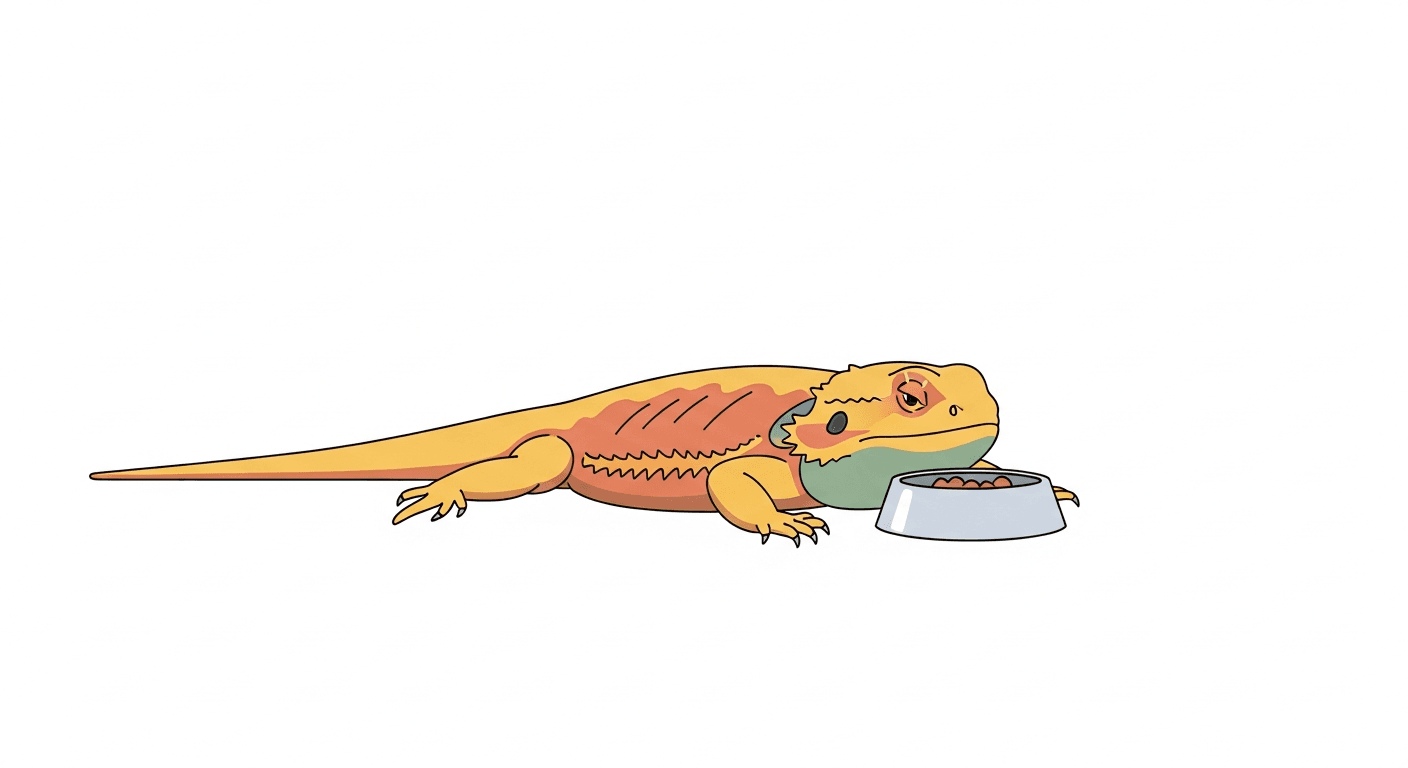
Bearded Dragon Not Eating: Reasons, What to Check, and When to Worry
A bearded dragon refusing food may be in brumation, shedding, or experiencing illness. Learn to distinguish normal from concerning and when to seek veterinary care.
 🦎 Reptile Health
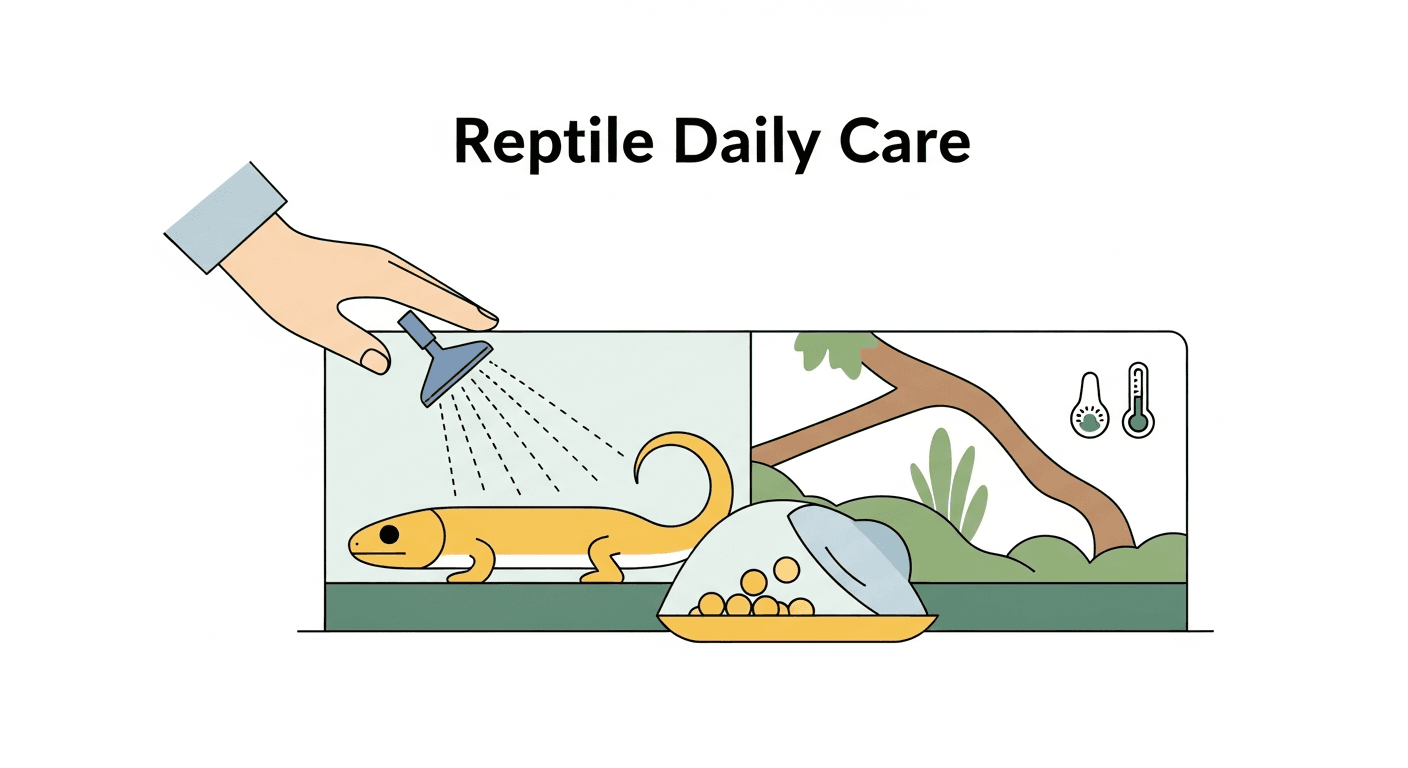
Daily Care Checklist for Reptiles: Building a Routine That Protects Your Animal's Health
A consistent daily care routine is your most powerful tool for keeping reptiles healthy and catching problems early. Use this checklist to build habits that work for any species.