
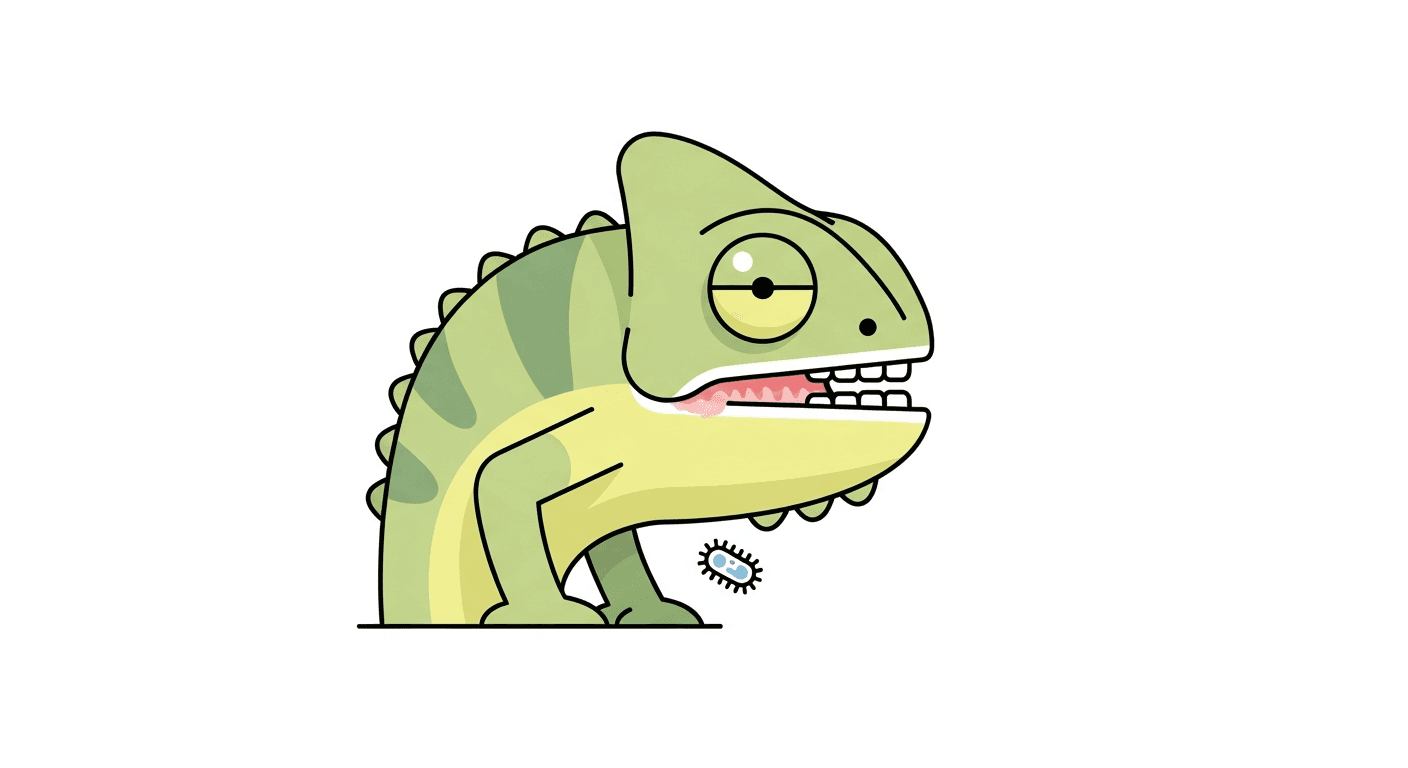
What Is Infectious Stomatitis in Reptiles?
Infectious stomatitis (mouth rot) is a bacterial infection of the oral cavity affecting snakes and lizards. It typically begins with minor physical trauma to the oral mucosa (from rough handling, prey items, or rubbing on enclosure surfaces) that becomes infected by opportunistic bacteria — Pseudomonas, Aeromonas, or Klebsiella — in the presence of immune suppression from inadequate temperatures or other stressors.
Without treatment, infection spreads to the jaw bone and underlying tissues, causing osteomyelitis that may be untreatable.
First 3 Steps at Home
- Inspect the mouth carefully: Gently open the mouth and look for redness, swelling, or petechiae (pinpoint hemorrhages) in the gum tissue. Early stomatitis appears as increased redness of the gums or small hemorrhages. Moderate stomatitis shows yellowish or white caseous deposits. Severe stomatitis shows extensive deposits, tissue death, and may have a foul odor.
- Check and correct environmental temperatures: Suboptimal temperatures are the most common predisposing factor. Correct any deficiencies immediately — the immune system function the reptile needs to fight infection is temperature-dependent. Raise the basking spot to the upper end of the appropriate range for the species.
- Do not attempt debridement at home: Removing the caseous deposits requires appropriate sedation and specific instruments. Home attempts cause pain, bleeding, and often spread the infection. Veterinary treatment includes debridement, topical antimicrobial application, and systemic antibiotics for all but the mildest early cases.
When to Go to the Vet Immediately
- Any visible white or yellow deposits in the mouth
- Swelling of the face or jaw
- Complete refusal to eat alongside mouth abnormality
- Gaping behavior — repeatedly opening and closing the mouth
- Foul odor from the mouth
Follow-Up Care Checklist
- Complete the full antibiotic course — typically 2–4 weeks of injectable or oral antibiotics for reptiles
- Return for debridement at intervals directed by the vet — multiple sessions are often needed for moderate to severe cases
- Correct underlying husbandry contributing to immune suppression
- Offer soft prey or assist feeding if pain is preventing normal feeding during recovery
- Follow-up oral examination 2–4 weeks after treatment completion
Track Oral Health with TailRounds
Log any behavioral signs suggesting oral discomfort — gaping, reluctance to feed, rubbing the mouth on surfaces — in the TailRounds Daily Log. Early detection prevents the progression from mild to severe stomatitis.
Book a Vet Appointment
Stomatitis requires veterinary antibiotic treatment. Book at Happy Paws urgently if you notice any oral infection signs — early treatment prevents spread to bone.
Summary for Your Clinic Visit
Describe the appearance and extent of the oral lesions, duration of symptoms, current enclosure temperatures, recent behavioral changes especially around feeding, and any known trauma that may have initiated the infection.
Continue Reading
 🦎 Reptile Health
Respiratory Infections in Reptiles: Signs, Causes, and What Treatment Involves
Respiratory infections are among the most common serious illnesses in captive reptiles. Learn to recognize the signs early and understand why immediate veterinary care is essential.
 🦎 Reptile Health
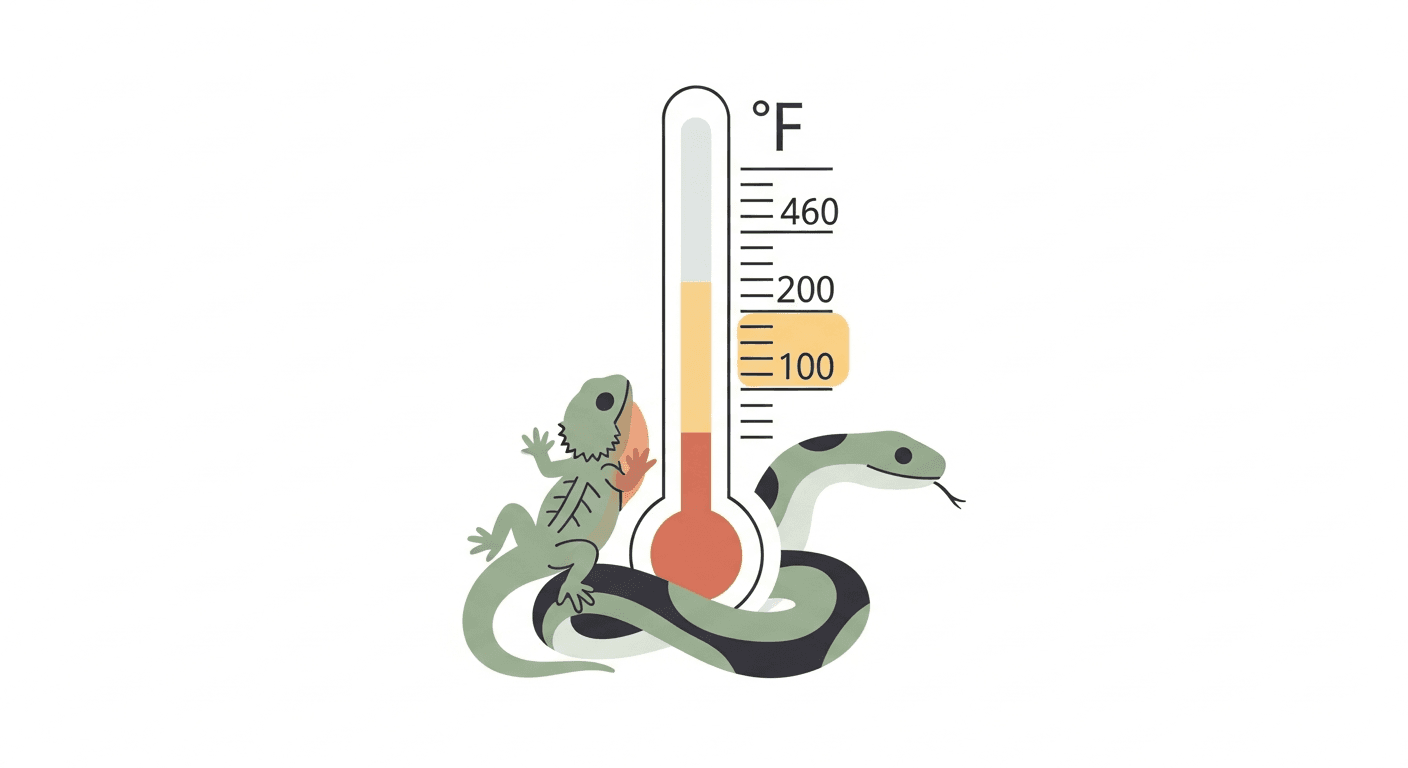
Temperature Requirements for Reptiles: Why Getting It Right Saves Lives
Every reptile species has a specific temperature range that determines its health. Learn how to create a proper thermal gradient and the consequences of getting it wrong.
 🦎 Reptile Health
My Snake Won't Eat: Common Reasons and When to See a Vet
Snakes naturally fast for weeks at a time. Learn which causes of food refusal are normal, which require attention, and how to encourage a reluctant feeder.
 🦎 Reptile Health
Daily Care Checklist for Reptiles: Building a Routine That Protects Your Animal's Health
A consistent daily care routine is your most powerful tool for keeping reptiles healthy and catching problems early. Use this checklist to build habits that work for any species.