
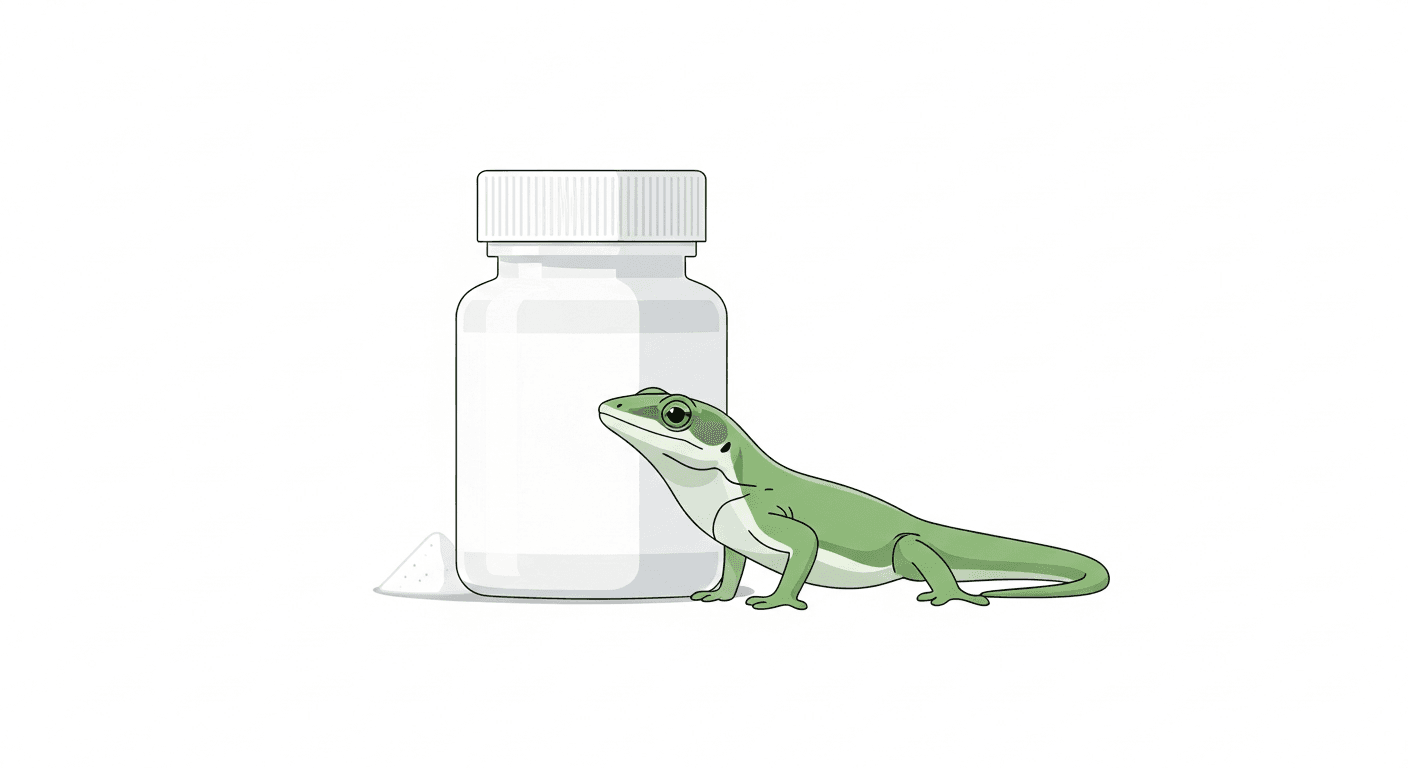
Why Calcium Supplementation Is Essential for Most Reptiles
Most feeder insects used in reptile diets are naturally low in calcium and high in phosphorus — the inverse of what reptiles need. This ratio problem, combined with the difficulty of providing natural sunlight and the limitations of artificial UVB, makes calcium supplementation a daily requirement for most insectivorous reptiles in captivity. Without it, metabolic bone disease develops over months.
First 3 Steps at Home
- Choose the right calcium product for your situation: If UVB is adequate (quality T5 HO bulb, correct mounting, less than 12 months old): use calcium carbonate powder without D3. If UVB is suboptimal or uncertain: use calcium with D3 on some supplement days. The risk with D3-containing supplements is vitamin D3 toxicity with over-supplementation — use calcium with D3 sparingly (1–2x per week maximum) if UVB is already correct.
- Dust feeder insects immediately before offering: Place feeders in a bag or container, add a small pinch of calcium powder, shake gently, and offer immediately. The coating degrades quickly — pre-dusted feeders that sit for hours provide little benefit. The coating should be light — a faint white dusting, not thick coating.
- Gut-load feeder insects 24–48 hours before feeding: Gut-loading (feeding feeder insects nutritious food before offering them to your reptile) provides calcium through the insect's gut contents. Use leafy greens, commercial gut-load products, or fresh vegetables. A well gut-loaded cricket on calcium-dusted substrate is nutritionally superior to a poorly gut-loaded one with heavy calcium dusting.
When to Go to the Vet Immediately
- Any signs of MBD: tremors, soft limbs, soft jaw, inability to walk
- Suspected vitamin D3 toxicity from prolonged heavy supplementation with D3: lethargy, anorexia, vomiting, excessive calcification visible on X-ray
Follow-Up Care Checklist
- Juveniles: dust every feeding (daily or every other day)
- Adults: dust every second or third feeding
- Pregnant or gravid females: increase to every feeding during pregnancy
- Review supplementation frequency with your vet annually
- Replace calcium powder every 6–12 months — stored powder can clump and lose efficacy
Track Supplementation with TailRounds
Note every dusting in the TailRounds Daily Log. It is easy to forget whether you dusted the last feeding — a brief log entry prevents both gaps and accidental double-dosing on D3-containing products.
Book a Vet Appointment
Annual wellness exams for reptiles should include a review of your supplementation protocol. Book at Happy Paws with our reptile team for species-specific supplementation guidance.
Summary for Your Clinic Visit
Bring your current calcium products (show the label), describe your supplementation frequency and whether you also gut-load feeders, and note your UVB setup details. Your vet can then confirm the protocol is appropriate for your species and life stage.
Continue Reading
 🦎 Reptile Health
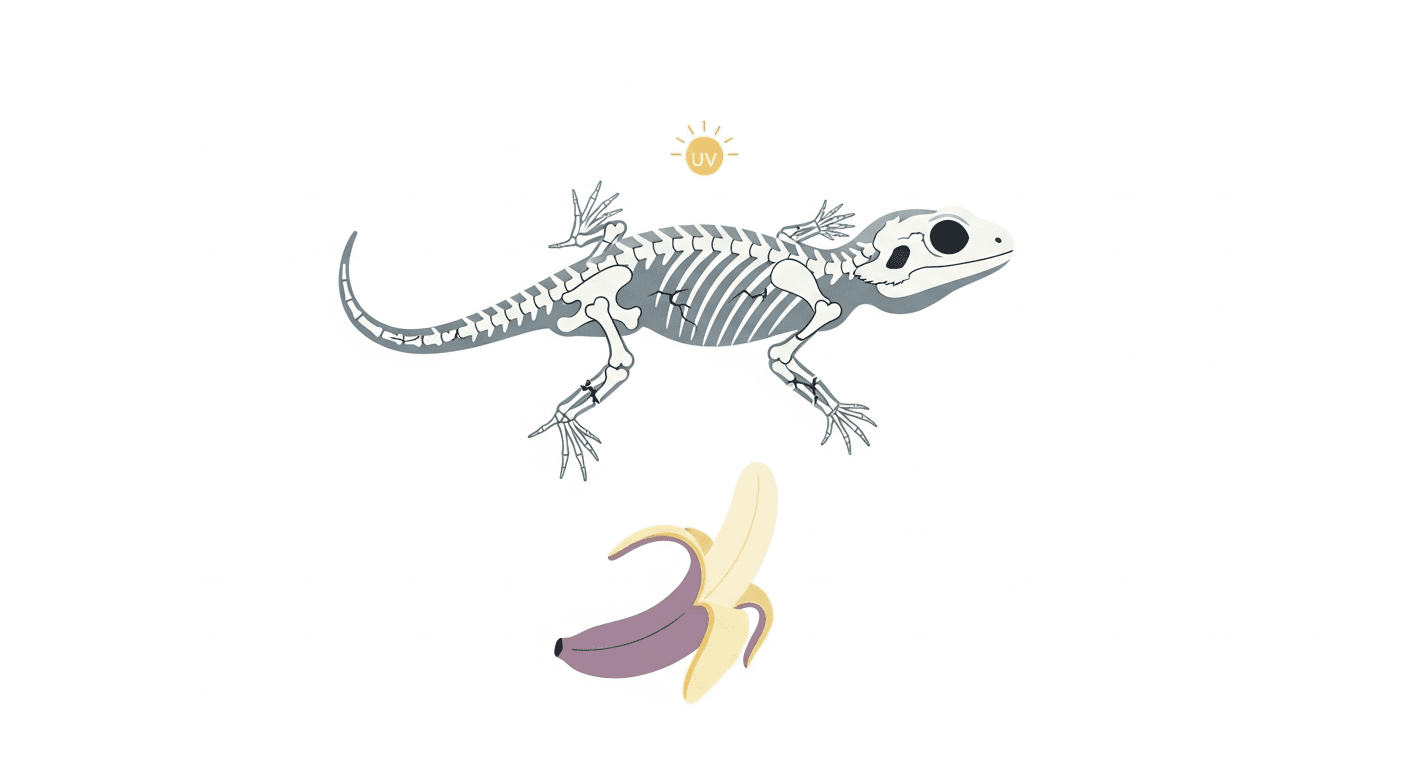
Metabolic Bone Disease in Reptiles: Prevention, Signs, and Treatment
Metabolic bone disease is the most common nutritional disorder in captive reptiles. Learn what causes it, how to recognize the early and advanced signs, and how to prevent it entirely.
 🦎 Reptile Health
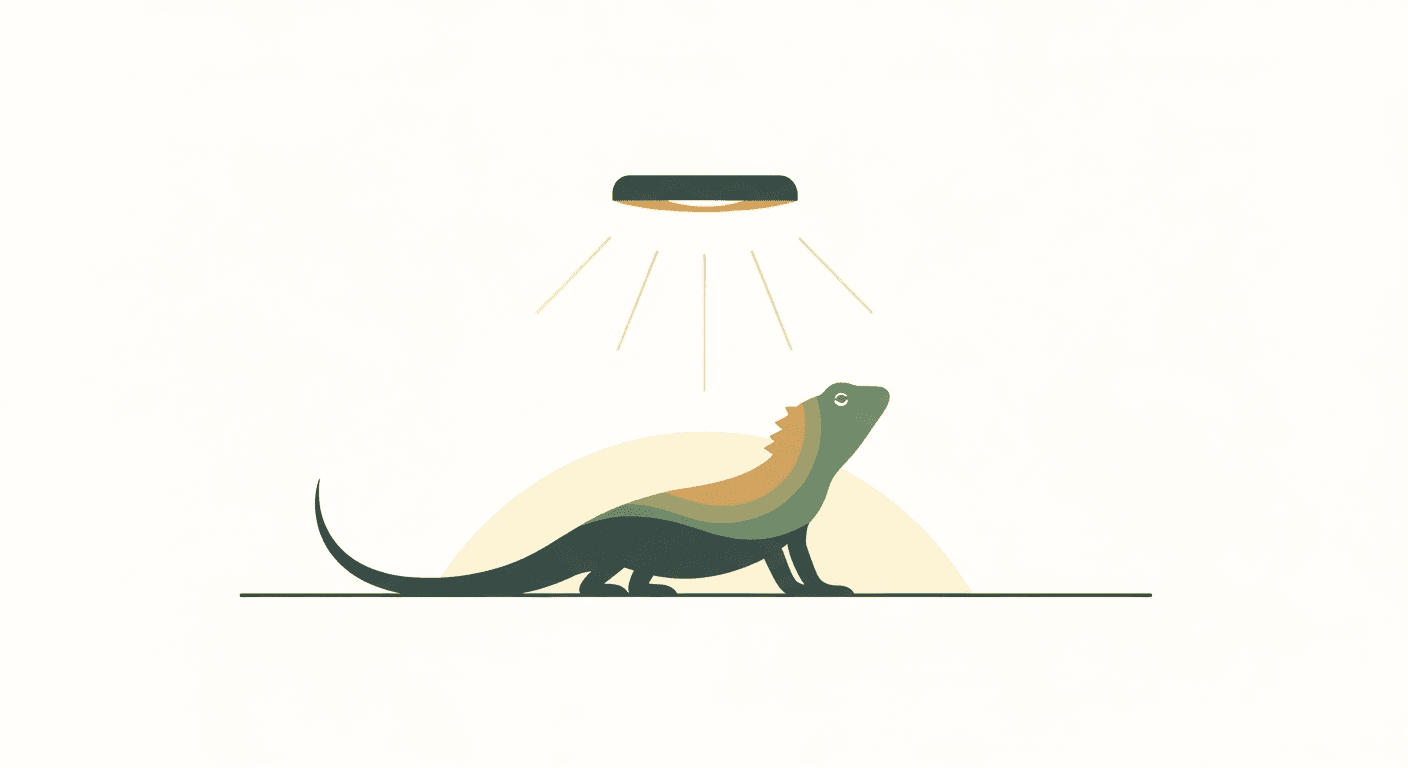
UVB Lighting for Bearded Dragons: Setup, Bulb Selection, and Common Mistakes
UVB is essential for bearded dragon health. Learn which bulb to choose, how to mount it correctly, and the mistakes that lead to metabolic bone disease.
 🦎 Reptile Health
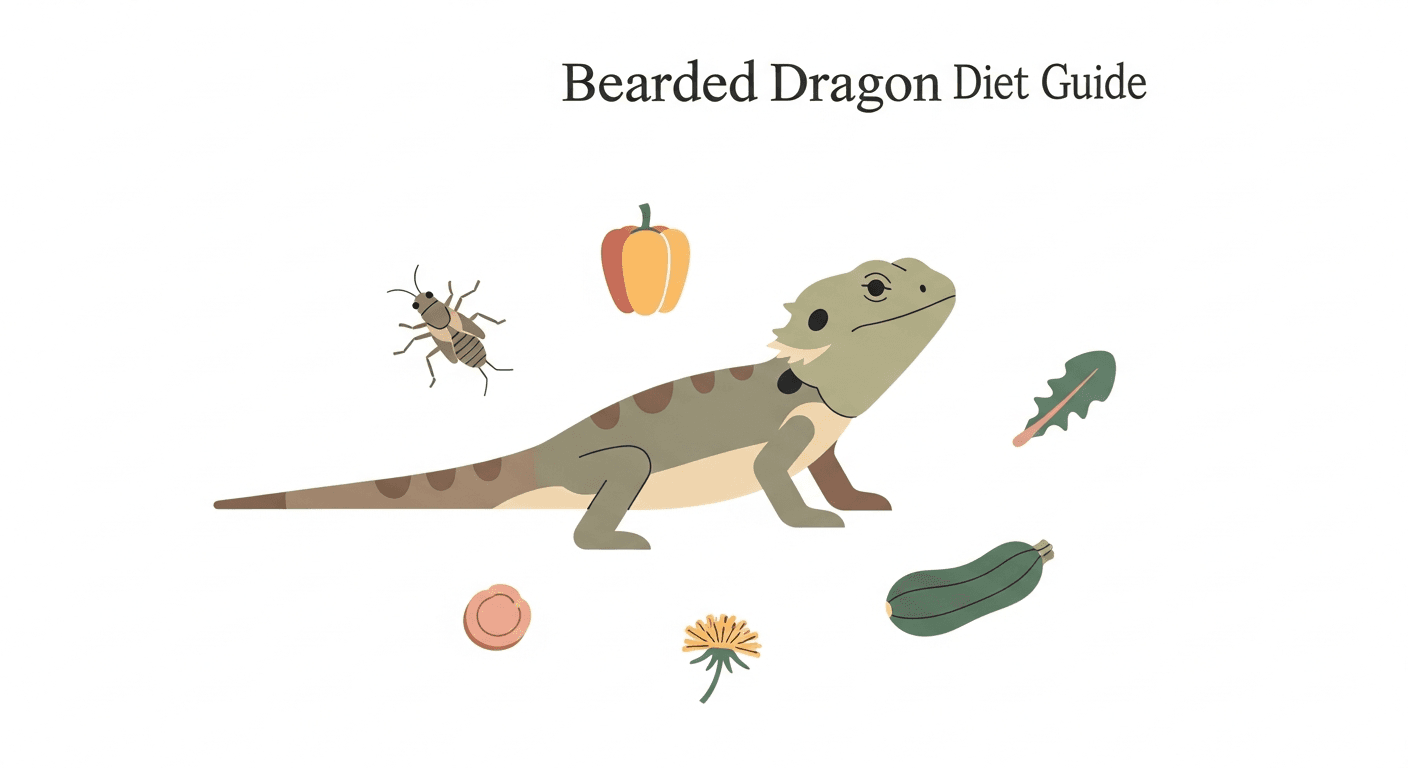
Bearded Dragon Diet Guide: What to Feed at Every Life Stage
Bearded dragon diet requirements change significantly from juvenile to adult. Learn the right protein to vegetable ratio, which foods to avoid, and how to supplement correctly.
 🦎 Reptile Health
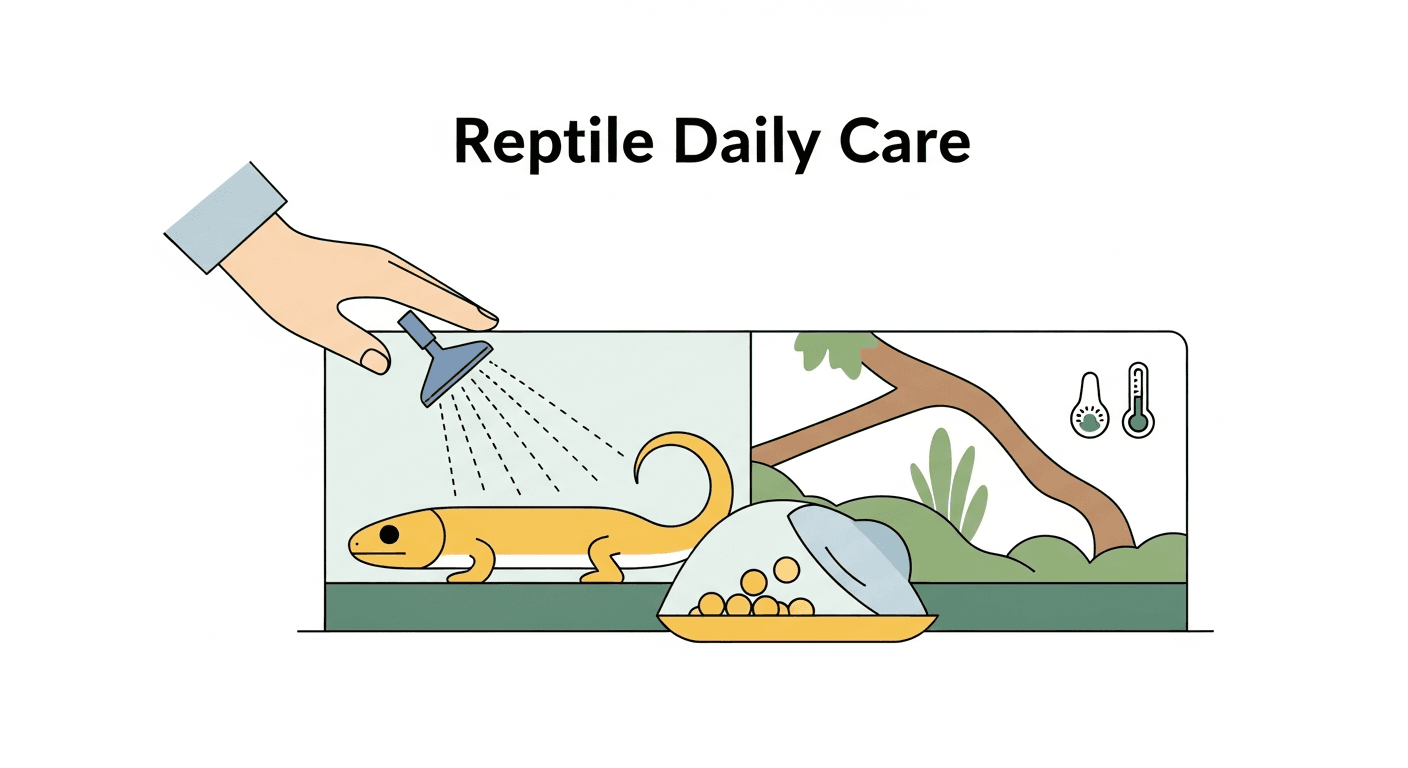
Daily Care Checklist for Reptiles: Building a Routine That Protects Your Animal's Health
A consistent daily care routine is your most powerful tool for keeping reptiles healthy and catching problems early. Use this checklist to build habits that work for any species.