

What Is Egg Binding in Reptiles?
Egg binding (dystocia) occurs when a gravid female reptile cannot deposit her eggs normally. Like turtles, female lizards and snakes can develop eggs whether or not a male is present — follicular development occurs hormonally and unfertilized eggs must still be deposited. When the animal cannot lay, eggs are retained and cause progressive deterioration.
Egg binding is more common in captive reptiles than in the wild, primarily because of inadequate nesting sites and calcium deficiency that impairs smooth muscle contractions needed for oviposition.
First 3 Steps at Home
- Provide an appropriate nesting site for gravid females: A container of moist substrate (coconut coir, topsoil, or a 50/50 mix) that is deep enough for the female to fully submerge while laying — at minimum 2–3 times the body length of the animal — must be provided for any gravid female. Many cases of egg binding are prevented simply by providing a suitable nesting site before the female begins straining.
- Recognize the signs of a gravid female: A visibly distended abdomen, reduced appetite, restlessness, digging behaviors even without appropriate substrate, and spending extended time in any available warm, enclosed area are signs of a gravid female approaching egg-laying time. Set up the nesting container immediately on seeing these signs.
- Warm soaks for early intervention: Once a gravid female is showing difficulty laying despite an appropriate nesting site, a 20–30 minute soak in 30°C water twice daily may stimulate contractions. This is supportive only — it is not a substitute for veterinary assessment if eggs are not produced within 24–48 hours of the expected laying window.
When to Go to the Vet Immediately
- 48+ hours of apparent straining or nesting behavior with no eggs produced
- Female showing systemic illness alongside gravid appearance — lethargy, color change, complete appetite loss
- Cloacal or intestinal prolapse
- Female that has previously laid eggs now failing to do so
Follow-Up Care Checklist
- Maintain calcium supplementation year-round for all reproductively active females
- Always have a nesting container available for any female reptile kept in appropriate conditions
- After successful egg laying, support recovery with high-calcium diet and warm soaks for hydration
- Discuss ovariohysterectomy with your vet if egg binding is recurrent — prevention of further reproductive cycles is an option for suitable species
Track Reproductive Health with TailRounds
Log visible gravid swelling onset, nesting behavior, any eggs produced, and the female's appetite in the TailRounds Daily Log. This timeline is critical information if egg binding develops.
Book a Vet Appointment
Egg binding is a reproductive emergency. Book at Happy Paws urgently — radiography confirms egg number and position, and treatment options range from oxytocin injection to surgical intervention.
Summary for Your Clinic Visit
Note onset of nesting behavior, duration of apparent difficulty, nesting site provided, calcium supplementation history, the female's age and reproductive history, and her current condition.
Continue Reading
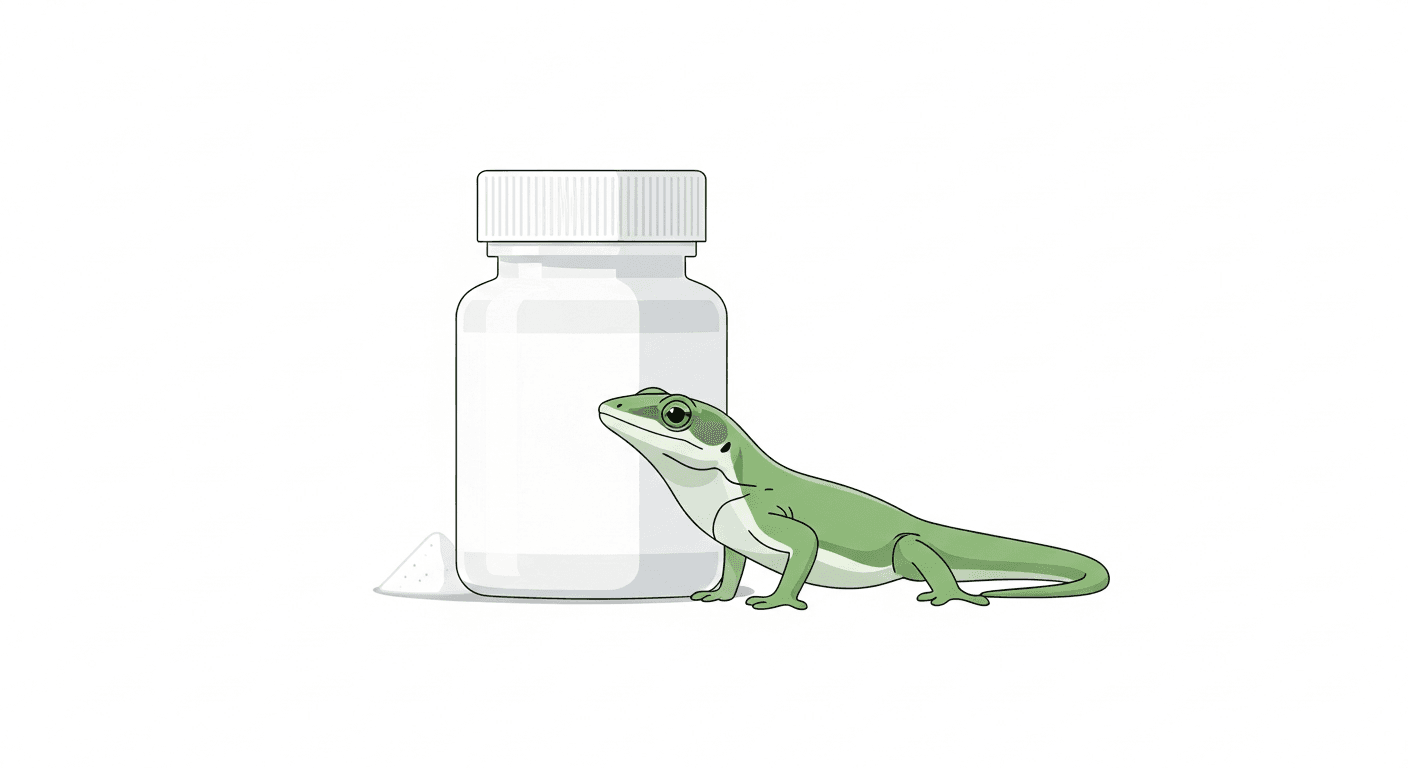 🦎 Reptile Health
Calcium Supplementation for Reptiles: Products, Frequency, and How to Avoid Mistakes
Calcium supplementation prevents metabolic bone disease in reptiles. Learn which products to use for different species, how often to supplement, and the risk of over-supplementation.
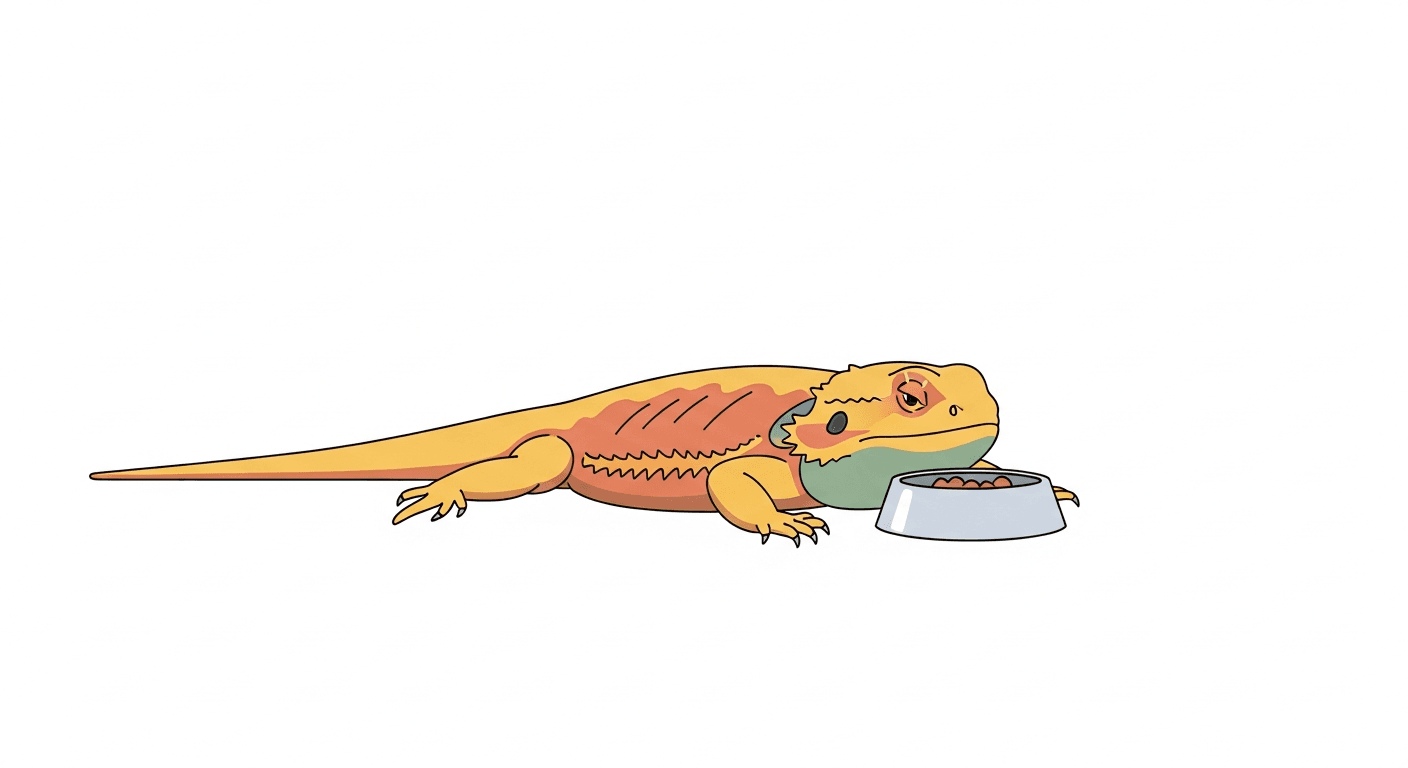 🦎 Reptile Health
Bearded Dragon Not Eating: Reasons, What to Check, and When to Worry
A bearded dragon refusing food may be in brumation, shedding, or experiencing illness. Learn to distinguish normal from concerning and when to seek veterinary care.
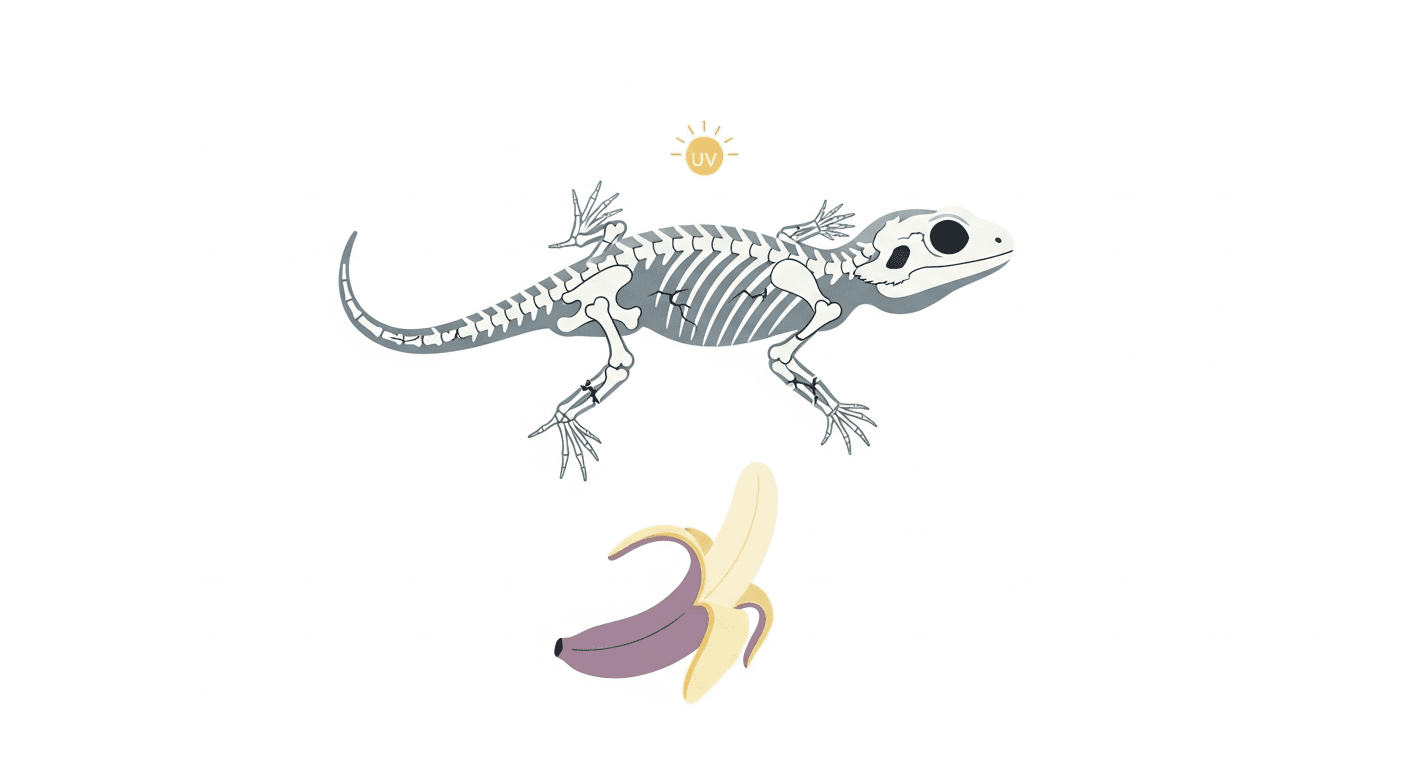 🦎 Reptile Health
Metabolic Bone Disease in Reptiles: Prevention, Signs, and Treatment
Metabolic bone disease is the most common nutritional disorder in captive reptiles. Learn what causes it, how to recognize the early and advanced signs, and how to prevent it entirely.
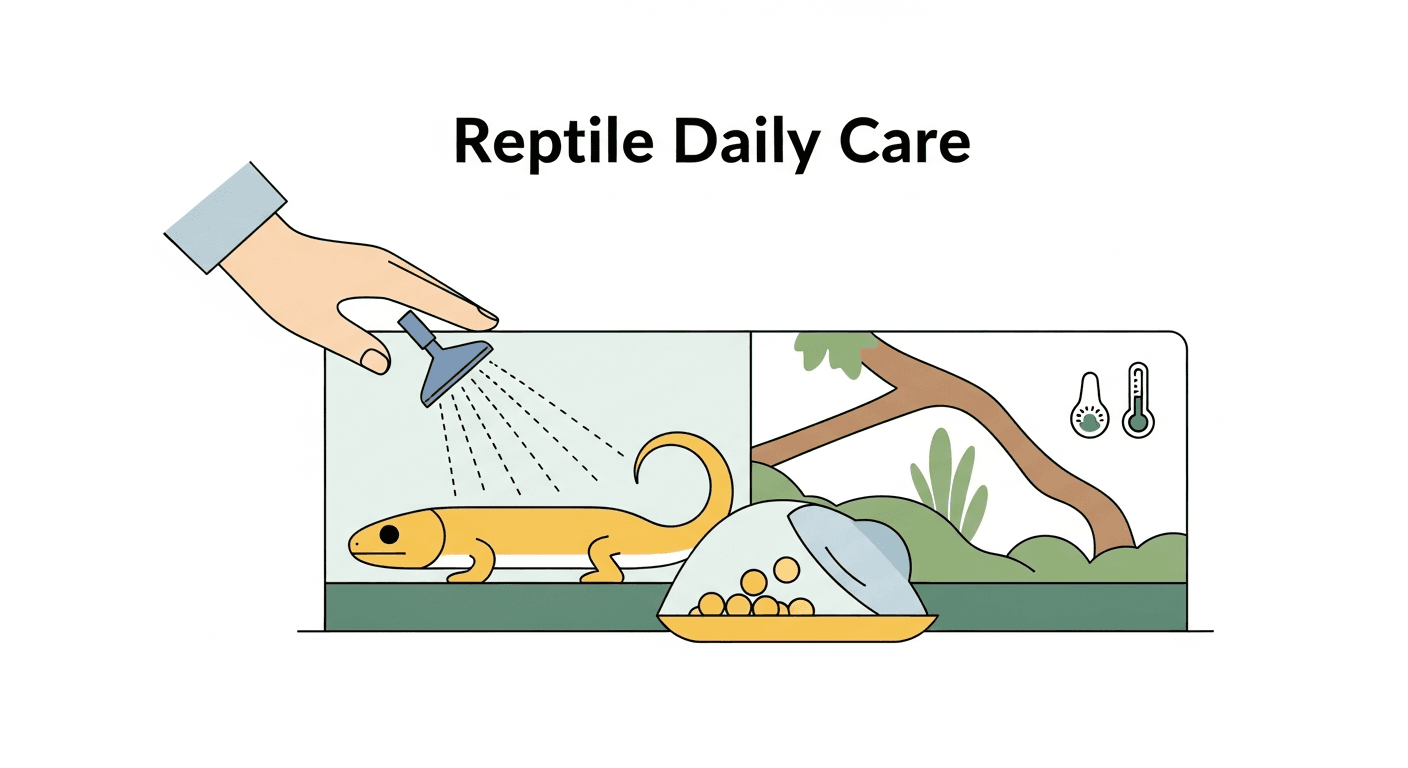 🦎 Reptile Health
Daily Care Checklist for Reptiles: Building a Routine That Protects Your Animal's Health
A consistent daily care routine is your most powerful tool for keeping reptiles healthy and catching problems early. Use this checklist to build habits that work for any species.