
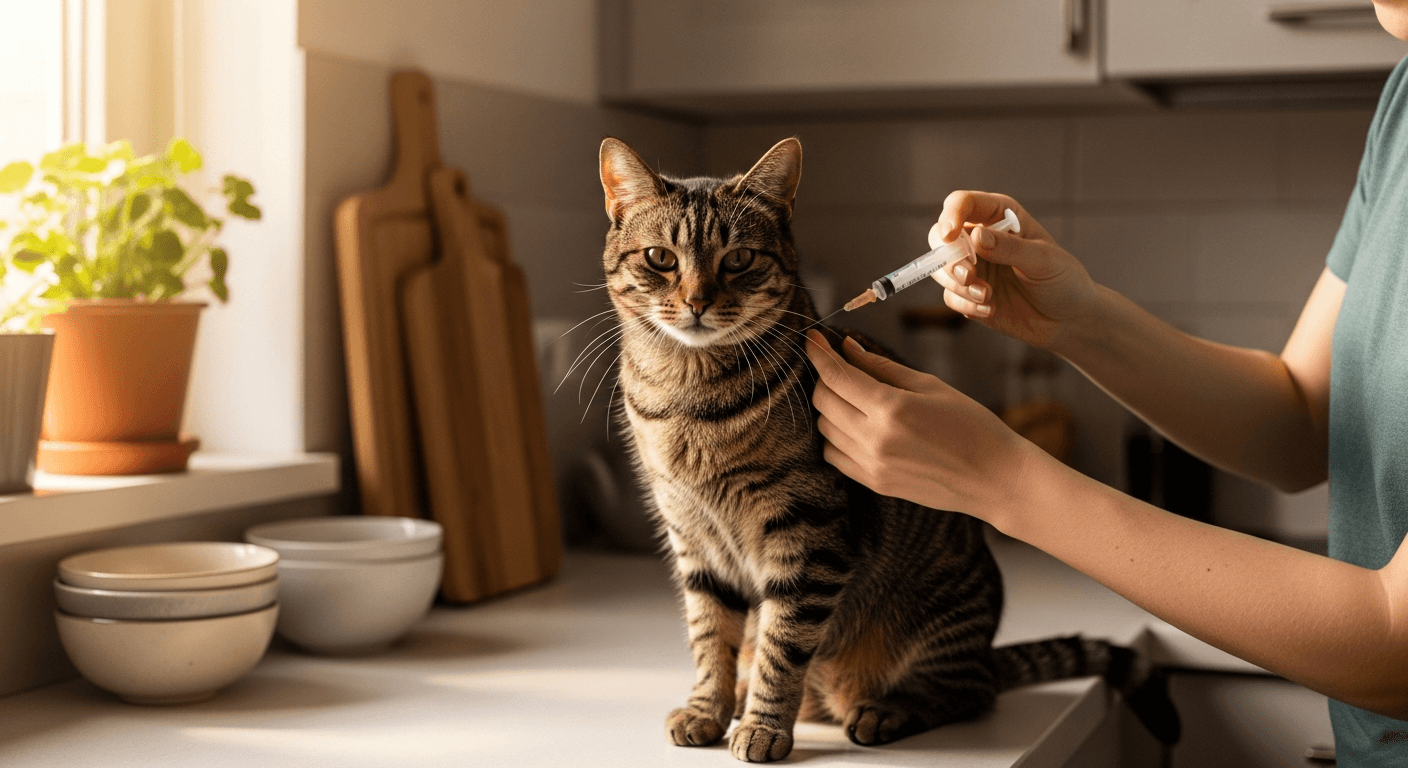
What Is Feline Diabetes?
Type 2 diabetes mellitus is the predominant form in cats. Obese cats, middle-aged to older cats, and neutered male cats are at highest risk. The pancreas either doesn't produce enough insulin or the body's cells become resistant to it, leaving blood glucose persistently elevated. Elevated glucose damages multiple organ systems over time and causes the classic symptoms. The encouraging news is that many cats achieve diabetic remission (normal glucose without insulin) when caught early and managed with diet change and insulin.
Classic Symptoms of Diabetes in Cats
- Increased thirst and dramatically increased urination (very large urine clumps in litter box)
- Weight loss despite normal or increased appetite
- Plantigrade posture — cat walking with hocks flat on the ground, a sign of peripheral neuropathy from chronically elevated glucose
- Lethargy and reduced activity
- Poor coat condition
First 3 Steps When Diabetes Is Suspected
- Book a vet appointment promptly for bloodwork and urinalysis: Diagnosis requires documentation of persistent hyperglycemia (elevated blood glucose) alongside glucosuria (glucose in the urine). A single high reading can result from stress — repeat testing confirms true diabetes.
- Begin a low-carbohydrate wet food diet: Even before insulin is started, switching to a high-protein, low-carbohydrate wet diet can substantially reduce glucose levels. Many cats that are caught very early achieve remission on diet alone.
- Prepare for insulin administration: Most diabetic cats require twice-daily insulin injections. This sounds daunting but is very learnable — your vet team will teach you the technique and help you practice with saline before giving real insulin.
When to Go to the Vet Immediately
- Known diabetic cat that is trembling, very weak, or unresponsive — hypoglycemia (too much insulin)
- Cat has not eaten but insulin was given — risk of life-threatening hypoglycemia
- Vomiting in a diabetic cat — diabetic ketoacidosis is a medical emergency
- Sudden worsening of the plantigrade posture or inability to walk normally
Follow-Up Care Checklist
- Never give insulin if the cat has not eaten — always feed first
- Glucose curves (serial glucose measurements over 12 hours) are needed every 2–3 weeks initially to adjust insulin dose
- Home glucose monitoring (ear prick or paw pad sampling) is feasible and significantly improves control
- Recheck every 3 months once stable; more frequently if unstable
Track Diabetes Management with TailRounds
Log insulin doses, feeding times, glucose readings, and any behavioral changes every day using the TailRounds Daily Log. This detailed record dramatically improves insulin dose adjustment at recheck visits.
Book a Vet Appointment
Suspect your cat might be diabetic? Book a diagnostic appointment at Happy Paws — we can run same-day bloodwork and start treatment if confirmed.
Summary for Your Clinic Visit
Tell your vet the specific symptoms you've noticed, how long they've been present, the current diet, whether the cat is indoor or outdoor, body weight trend, and any medications currently given.
Continue Reading
 🐱 Cat Health
Cat Drinking More Water Than Usual: Causes and What to Do
Increased thirst in cats — called polydipsia — is a key symptom of kidney disease, diabetes, and hyperthyroidism. Here's how to recognize it and act.
 🐱 Cat Health
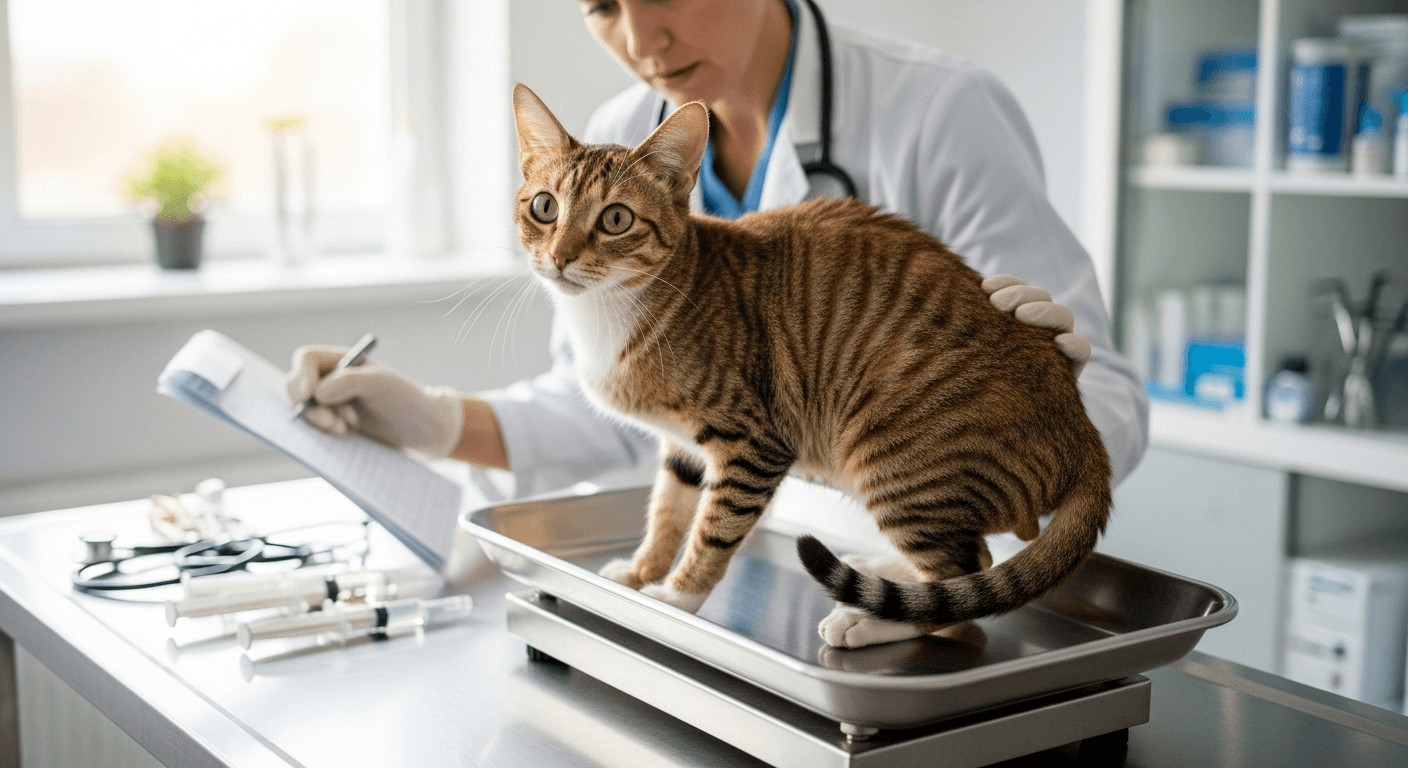
Cat Losing Weight But Still Eating: What's Going On?
When a cat loses weight despite eating well, something is preventing nutrient absorption or burning energy faster than food can supply it. Learn what to look for.
 ✂️ Cat Care
Early Kidney Disease in Cats: Signs, Diagnosis, and Management
Chronic kidney disease is the leading cause of death in cats over 12. Learn the earliest signs, how it's diagnosed, and how to slow progression significantly.
 🐱 Cat Health
Cat Not Eating: When Is It an Emergency?
Learn why your cat has stopped eating, which symptoms require immediate vet care, and how to safely encourage appetite at home.