
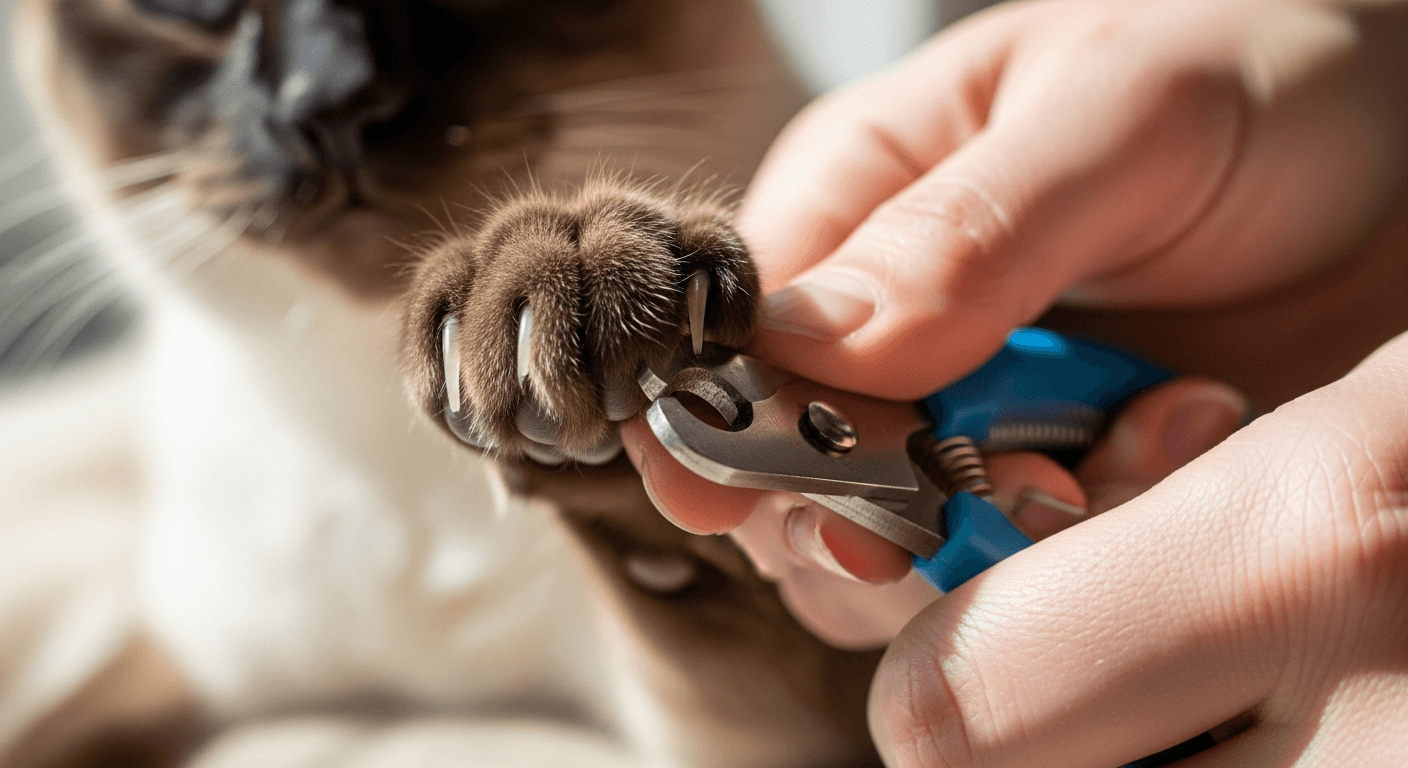
Why Do Cat Claws Need Trimming?
Outdoor cats wear their claws naturally through climbing and hunting. Indoor cats often don't, leading to overgrowth. Overgrown claws can curve back and grow into the paw pad — a painful condition requiring veterinary treatment. Senior cats are especially prone to claw overgrowth because they tend to scratch less. Regular trimming (every 3–4 weeks for most cats) prevents this, reduces scratching damage to furniture and skin, and makes handling the cat safer during vet exams.
First 3 Steps for Safe Claw Trimming
- Start with paw desensitization before trimming: If the cat isn't used to having its paws handled, begin by gently touching and holding paws daily without clippers — while giving treats or during relaxed cuddle time. This makes the trimming step far easier.
- Use proper cat nail clippers: Human nail clippers can crush or split cat nails. Use sharp, guillotine-style or scissor-style cat nail clippers. Keep styptic powder (or cornstarch as a backup) nearby in case of accidental bleeding.
- Trim only the clear tip — avoid the pink "quick": Extend the claw by gently pressing on the toe pad. The pink triangle inside the claw is the quick (blood vessels and nerves). Cut only the white, sharp tip, leaving a 2mm margin from the quick. If in doubt, take less rather than more.
When to See the Vet
- Claw has grown into the pad (common in senior cats) — requires removal under pain control
- Significant bleeding that doesn't stop within 5 minutes of styptic powder application
- Inflamed, red, or swollen tissue around a claw — possible infection
Follow-Up Care Checklist
- Trim every 3–4 weeks for indoor cats; longer intervals for cats that use scratching posts regularly
- Check the dew claws (on the inner leg, not in contact with the ground) — these never wear naturally and frequently overgrow
- If the cat is very resistant, trim one paw per session over 4 sessions rather than forcing all four at once
Track Claw Care with TailRounds
Log each trimming session date and note any concerns (ingrown nails, inflammation) using the TailRounds Daily Log. This record helps maintain the 3–4 week interval consistently.
Book a Vet Appointment
Ingrown claw or an uncooperative cat that hasn't been trimmed in months? Book a grooming appointment at Happy Paws — our team can trim all four paws safely and check paw health at the same time.
Summary for Your Clinic Visit
Tell your vet which claw is problematic, how long since the last trim, and whether there is any swelling, limping, or signs of pad injury associated with the overgrown nail.
Continue Reading
 ✂️ Cat Care
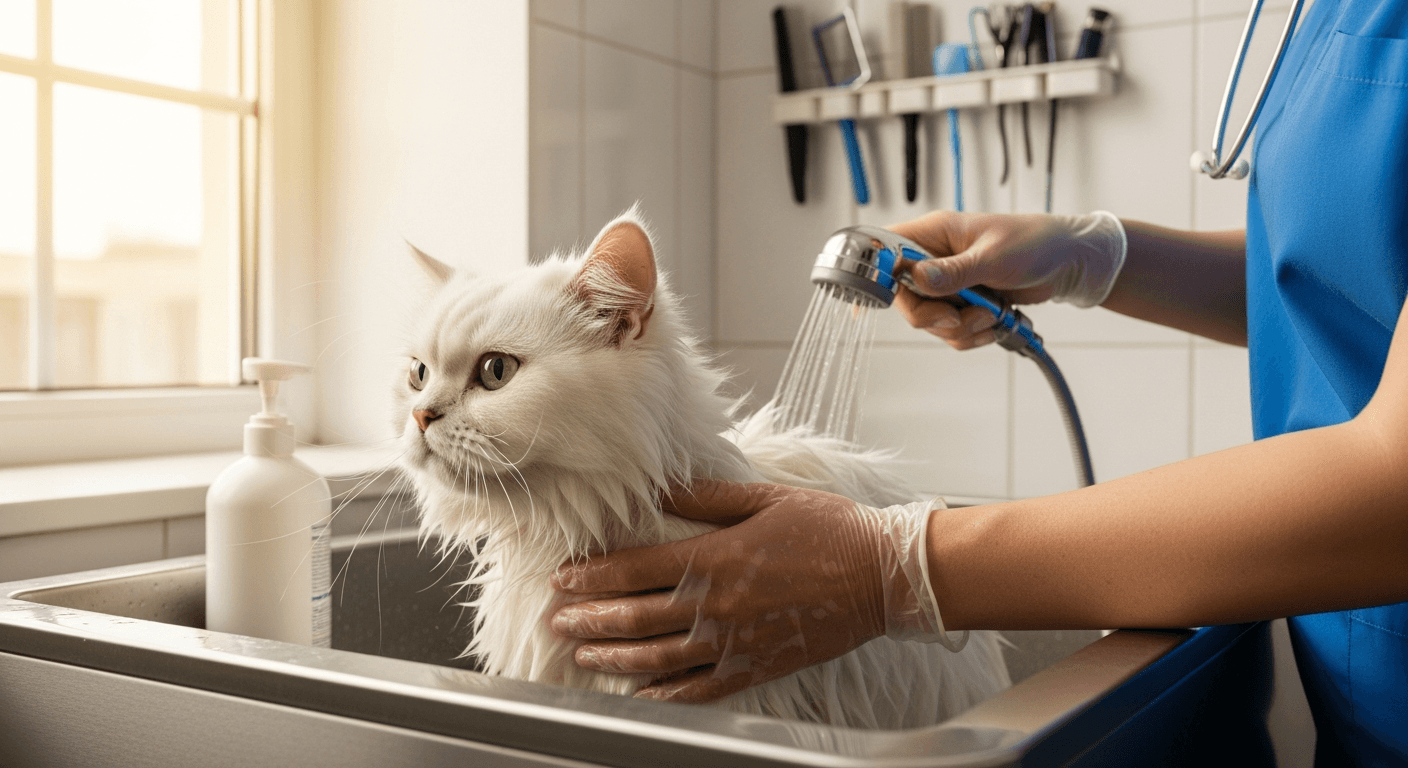
How to Bathe a Cat: When It's Necessary and How to Do It Safely
Most cats don't need baths — but some situations require one. Learn when bathing is necessary and how to do it without injuring yourself or terrifying your cat.
 ✂️ Cat Care
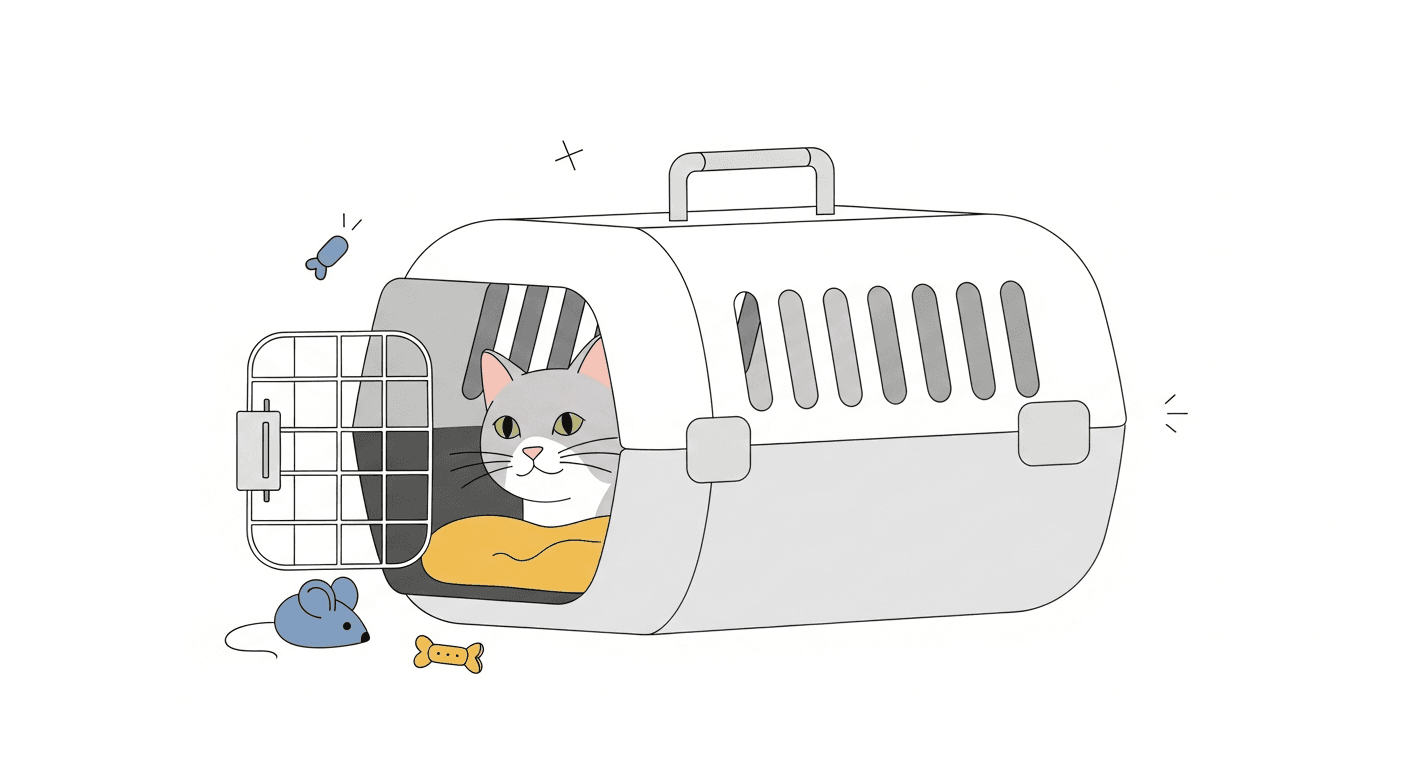
Cat Carrier Training: From Fearful to Confident in 3 Weeks
A fearful cat carrier makes every vet visit a battle. This step-by-step guide helps your cat accept — and even enjoy — the carrier in just a few weeks.
 ✂️ Cat Care
Senior Cat Care Guide: What Changes After Age 10
Cats are considered senior at age 10 and geriatric at 15. Learn how health needs change, which conditions to watch for, and how to keep senior cats comfortable.
 ✂️ Cat Care
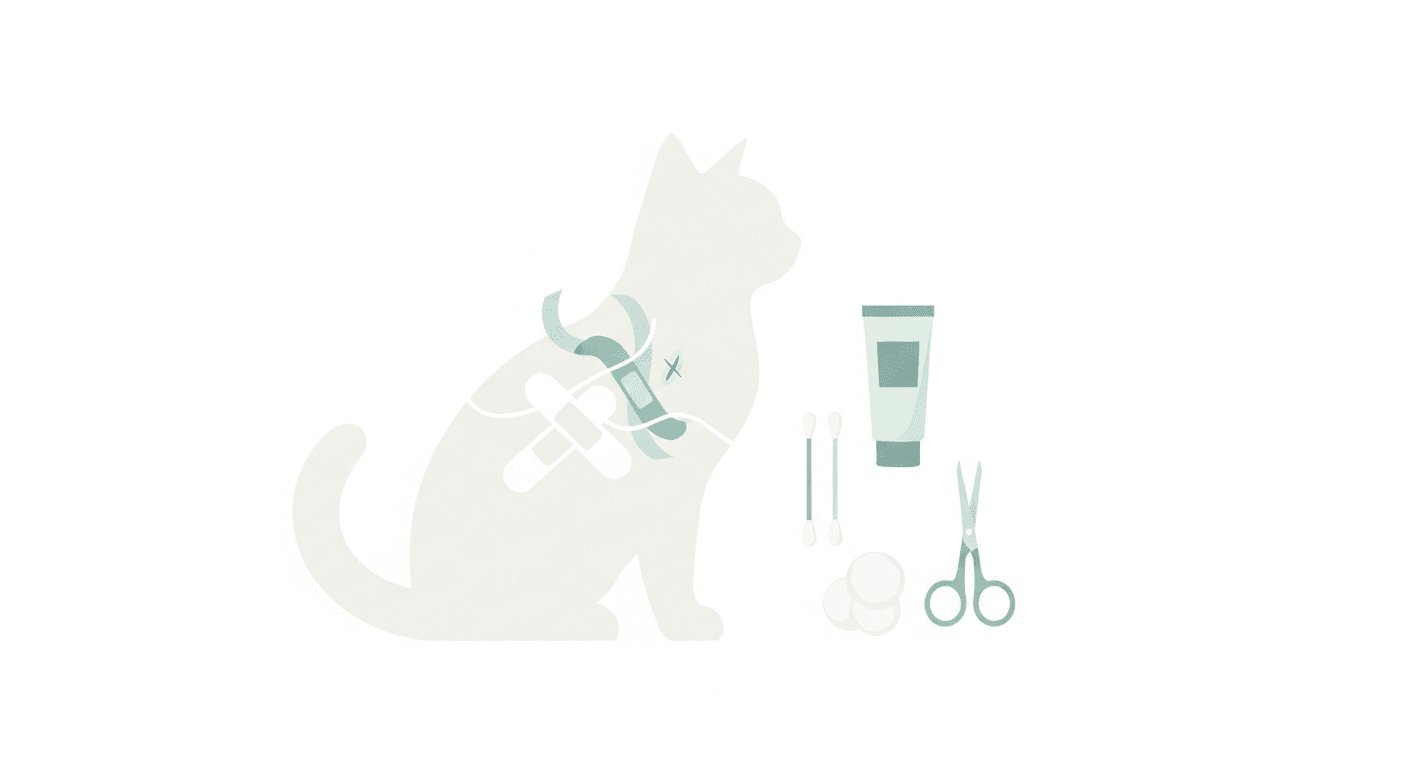
Cat Wound Care at Home: What You Can Treat and What Needs a Vet
Minor cuts can be managed at home, but cat bite wounds, deep lacerations, and puncture wounds require veterinary care. Learn the difference.