
How Does Spaying Change a Cat's Behavior?
Spaying removes the ovaries (and usually the uterus) from a female cat, eliminating the hormones that drive heat-related behaviors. Most owners notice the disappearance of yowling, restlessness, and escape attempts within 1–2 weeks of surgery. However, several other behavioral changes may occur over the following months, some expected and some requiring attention.
The most well-documented change is a reduced metabolic rate — spayed cats tend to gain weight more easily if diet is not adjusted post-surgery. Other common changes include becoming calmer and more affectionate, reduced territorial marking, and in some cats, increased appetite. All of these are manageable with appropriate care adjustments.
First 3 Steps After Spay Surgery
- Restrict activity for 10–14 days: No jumping, running, or rough play. The internal sutures need time to heal. Confine to one room if necessary to prevent overexertion.
- Check the incision site daily: Look for swelling, discharge, redness, or opening of the wound. A small amount of bruising is normal. Any separation of the incision or signs of infection (heat, pus, foul smell) requires a vet call.
- Transition to a spay/neuter-specific food: Starting 2–3 months post-surgery, switch to a food formulated for neutered cats or reduce portions to account for the reduced calorie need. Obesity post-spay is largely preventable.
When to Go to the Vet Immediately
- Incision opening, discharge, or severe swelling within the first 14 days
- Cat refusing food for more than 24 hours post-surgery
- Lethargy that worsens beyond the first 48 hours post-surgery
- Signs of pain: hunching, vocalizing when touched, reluctance to move
Follow-Up Care Checklist
- Remove the e-collar only when directly supervising — the cat needs it to prevent licking the incision
- Schedule a suture recheck at 10–14 days post-surgery
- Adjust food portions by 20–30% within the first 3 months if weight gain begins
- Maintain annual wellness exams — spaying does not eliminate the need for regular vet care
Track Recovery with TailRounds
Log the incision site appearance, activity level, and food intake daily during the first 2 weeks using the TailRounds Daily Log. This creates a clear recovery record.
Book a Vet Appointment
Any post-surgical concern warrants a call or visit. Book a post-operative recheck at Happy Paws — we include a free suture check within the standard spay package.
Summary for Your Clinic Visit
Bring information on surgery date, any post-op medication given, incision appearance, appetite and energy level since surgery, and any behaviors that concern you.
Continue Reading
 ✂️ Cat Care
Cat in Heat: Behaviors, Timeline, and What to Do
Understanding heat cycles in unspayed cats — what behaviors to expect, how long it lasts, and why spaying is the most humane solution.
 ✂️ Cat Care
Cat Post-Surgery Care: A Complete Recovery Guide
After any surgical procedure, proper home care determines recovery speed. Learn the key steps, what to watch for, and how to prevent complications.
 ✂️ Cat Care
Cat Obesity: How to Help Your Cat Lose Weight Safely
Over 50% of cats are overweight or obese. Learn why crash diets are dangerous for cats, and how to create a safe, effective weight-loss plan.
 ✂️ Cat Care
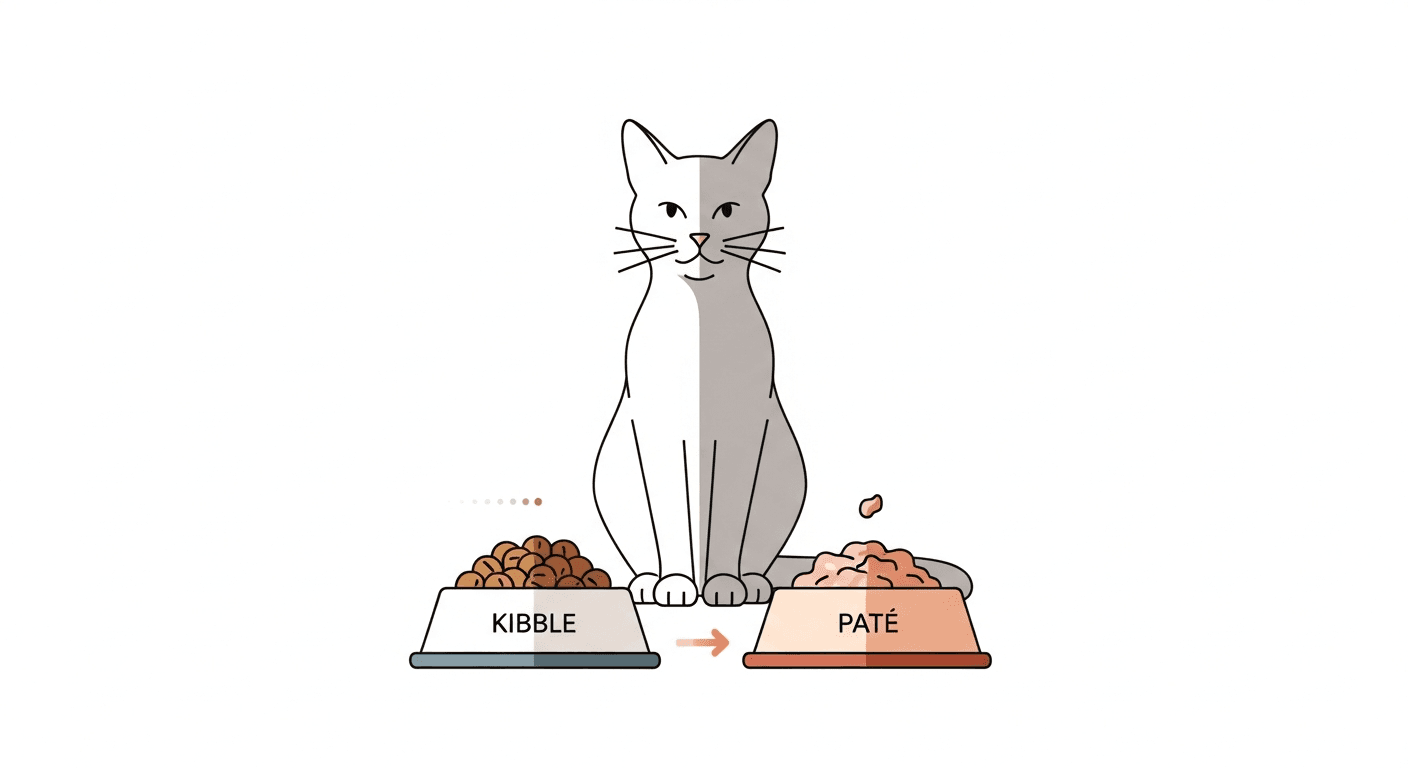
How to Change Your Cat's Food Without Causing Stomach Upset
Abrupt food changes cause vomiting and diarrhea in cats. Learn the right way to transition between foods, whether for medical reasons or a routine upgrade.