

What Are the Most Dangerous Substances for Cats?
Cats are uniquely vulnerable to many substances that are harmless to humans and dogs. Their liver lacks certain metabolic enzymes (particularly glucuronyl transferase), making them unable to detoxify many chemicals efficiently. The most dangerous common cat toxins include: lilies (all parts of true lilies — even pollen — cause acute kidney failure and are often fatal), acetaminophen/paracetamol (causes methemoglobinemia — a blood oxygen-carrying problem — and liver failure within hours), xylitol (increasingly found in toothpastes and some foods), permethrin-containing dog flea products, NSAIDs (ibuprofen, naproxen), and household cleaners including phenol-based disinfectants (common floor cleaners).
Signs of Cat Poisoning
- Sudden drooling, vomiting, or retching
- Tremors, muscle twitching, or seizures
- Difficulty breathing or open-mouth breathing
- Yellow tinge to gums or whites of eyes (jaundice)
- Blue or white gums (oxygen deprivation)
- Collapse, extreme weakness, or sudden loss of coordination
- Brown-colored gums (acetaminophen toxicity — methemoglobinemia)
First 3 Steps If Poisoning Is Suspected
- Do not induce vomiting without veterinary instruction: Unlike dogs, inducing vomiting in cats is rarely recommended at home and can cause aspiration. Call a poison control line or your vet first.
- Identify the substance if possible: Bring the product packaging, plant sample, or note the quantity ingested. This information is critical for the vet to determine treatment urgency and protocol.
- Transport to an emergency vet immediately: Most poisoning cases require treatment within 1–4 hours for best outcomes. Do not wait for symptoms to worsen — by the time severe signs appear, organ damage has often already occurred.
When to Go to the Vet Immediately
Any suspected exposure to a known cat toxin requires immediate veterinary contact or emergency clinic visit — do not wait for symptoms.
Follow-Up Care Checklist
- Remove all true lilies from the home permanently — even indoor cats explore and brush against plants
- Keep all medications (human and pet) locked away from cat access
- Never use dog flea products on cats — even brief exposure to permethrin causes severe neurological toxicity
- Check floor cleaner ingredients: phenol-containing products should not be used where cats walk
Track Exposures with TailRounds
Log any suspected toxin exposures, when they occurred, and the vet's response using the TailRounds Daily Log. This record is useful if symptoms appear later and the connection might not be obvious.
Book a Vet Appointment
If your cat may have been exposed to a toxin, call Happy Paws immediately — do not wait for symptoms. Our team can advise on urgency and prepare for your arrival.
Summary for Your Clinic Visit
Bring the product or plant involved, estimate the quantity and time of exposure, describe all symptoms observed, and tell the vet the cat's weight — this affects treatment calculations.
Continue Reading
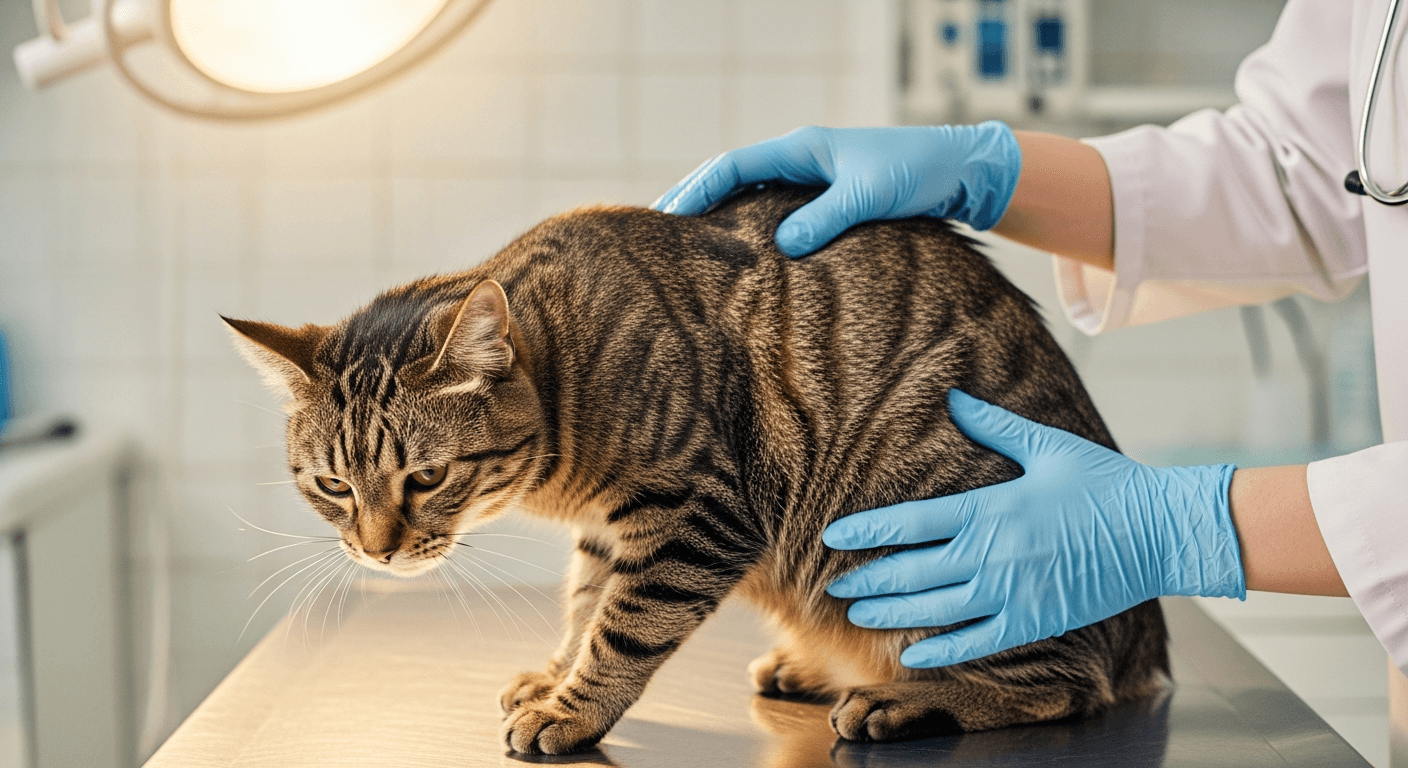 🐱 Cat Health
Cat Vomiting: Common Causes and What to Watch For
Understand why cats vomit, how to tell occasional vomiting from a medical emergency, and when to call your vet.
 🐱 Cat Health
Cat Drooling: When Is It a Problem?
Some cats drool contentedly, but excessive or sudden drooling can signal oral pain, nausea, neurological issues, or toxin exposure.
 🐱 Cat Health
Is Your Cat Too Tired? Signs of Lethargy vs Normal Rest
Cats sleep up to 16 hours a day — so how do you know when tiredness is actually lethargy? Learn the signs that distinguish normal rest from illness.
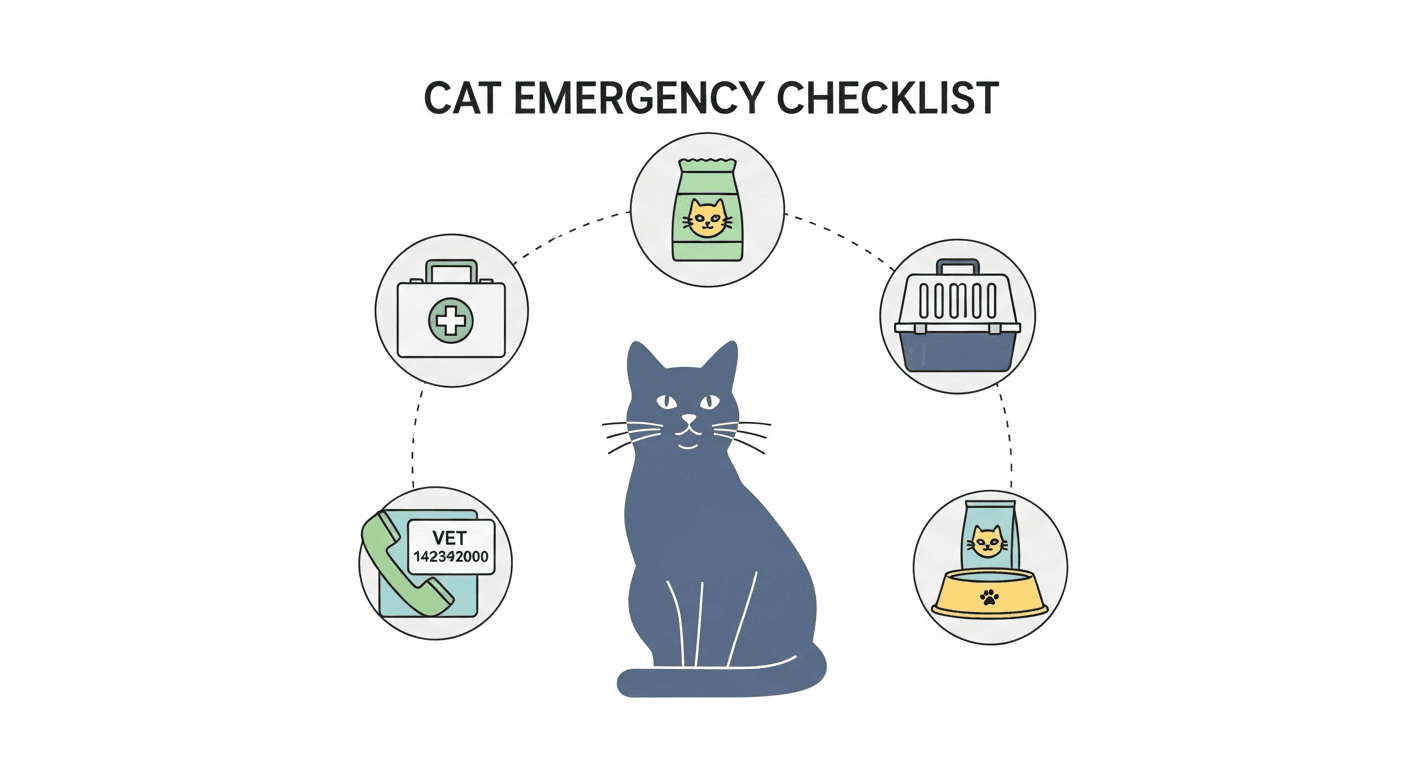 ✂️ Cat Care
Cat Emergency Checklist: Be Prepared Before It Happens
Emergencies happen without warning. Know your emergency vet, have a first aid kit, and understand which symptoms need immediate action versus monitoring.