
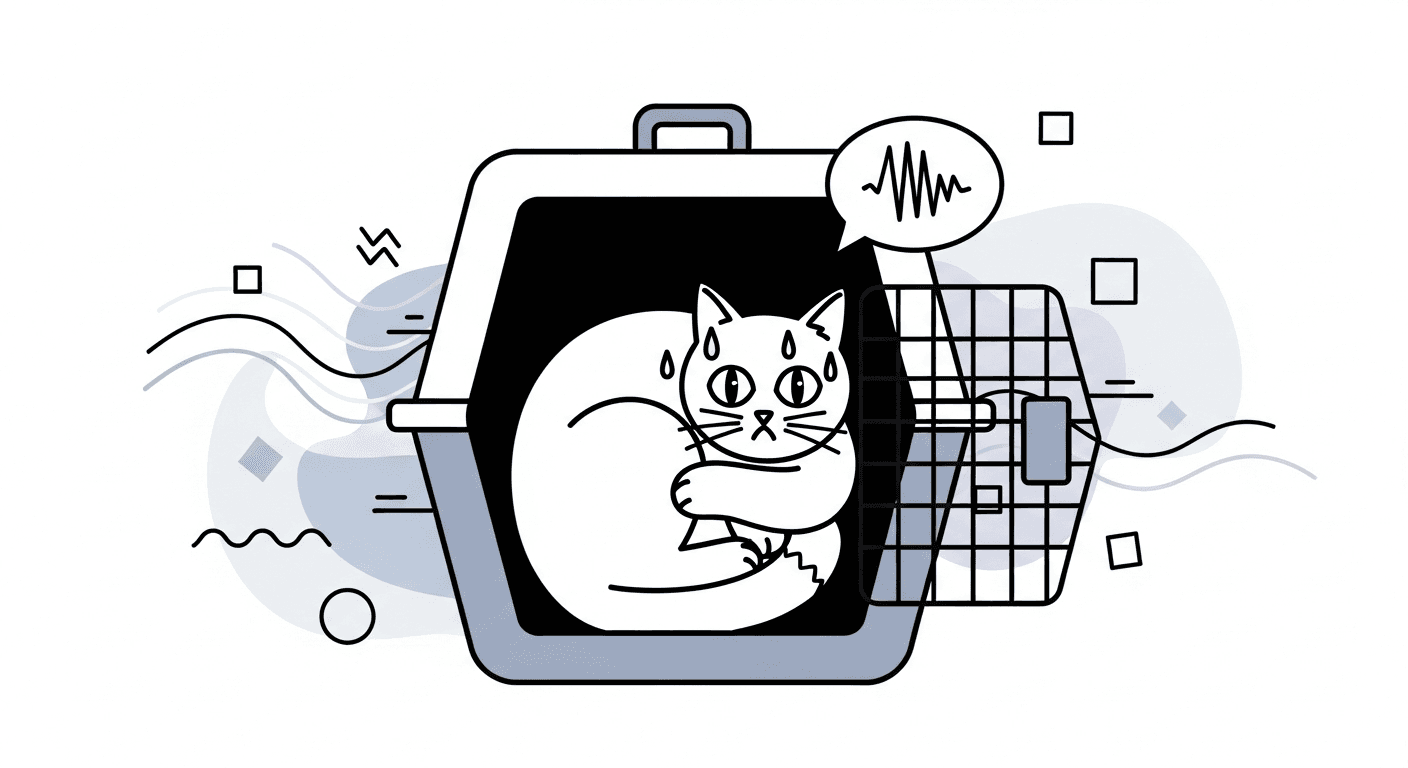
Why Do Cats Stress During Travel?
Cats are highly territorial and their sense of security depends on environmental familiarity. Being placed in a carrier, transported in a moving vehicle, exposed to unfamiliar smells, and removed from their home territory is acutely stressful for most cats. Signs of travel stress include panting, drooling, vocalizing, urinating or defecating in the carrier, hiding in the corner, or in severe cases, hyperthermia. Some cats experience motion sickness on top of anxiety, causing vomiting during car travel.
First 3 Steps to Prepare for Travel
- Carrier-train well in advance: Don't bring the carrier out only for vet visits — that association makes it terrifying. Leave the carrier out permanently as a sleeping and resting space. Feed meals inside it. Place familiar bedding in it. A cat that associates the carrier with safety travels far more calmly.
- Spray Feliway Classic inside the carrier 30 minutes before travel: Synthetic facial pheromones create a calming signal. Spray the carrier interior and allow to air briefly before placing the cat inside.
- Fast the cat for 4 hours before car travel if motion sickness is likely: An empty stomach reduces the likelihood and severity of vomiting. Withhold food (not water) from 4 hours before departure. For longer trips, ask your vet about anti-nausea medication (maropitant) prescribed for travel.
When to See the Vet Before Travel
- Cat has a history of extreme travel stress — prescription anxiolytics or sedation may be appropriate for long journeys
- Air travel is planned — discuss airline regulations for in-cabin pet transport and potential risks for brachycephalic breeds
- Cat has heart, respiratory, or other conditions — clearance for air travel is advisable
Follow-Up Care Checklist
- Offer water immediately after arrival; travel dehydrates cats
- Set up a base room at the destination with familiar bedding and litter box before releasing the cat
- Allow 24–48 hours of quiet settling before introducing the cat to new rooms or people
- For regular travelers, ongoing carrier training and pheromone use dramatically reduce cumulative stress over time
Track Travel Recovery with TailRounds
Log the cat's appetite, water intake, and behavior for 48 hours after each trip using the TailRounds Daily Log. Most cats return to normal quickly; persistent refusal to eat warrants a vet call.
Book a Vet Appointment
Planning a long trip or regularly traveling with a highly anxious cat? Book a pre-travel consultation at Happy Paws to discuss safe pharmaceutical support options.
Summary for Your Clinic Visit
Tell your vet the travel distance and duration, the cat's current reaction to carrier and car travel, any medical conditions, and what you've already tried to reduce travel anxiety.
Continue Reading
 ✂️ Cat Care
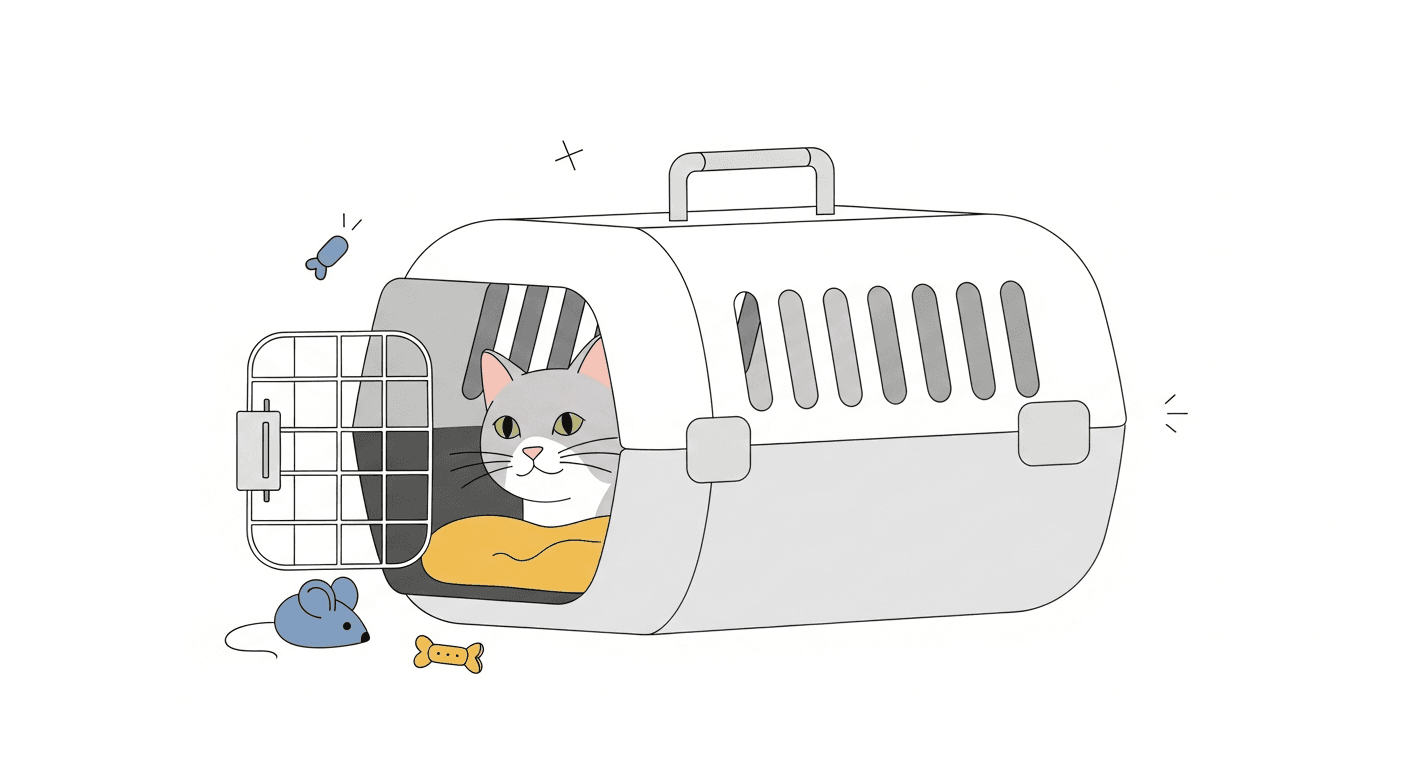
Cat Carrier Training: From Fearful to Confident in 3 Weeks
A fearful cat carrier makes every vet visit a battle. This step-by-step guide helps your cat accept — and even enjoy — the carrier in just a few weeks.
 ✂️ Cat Care
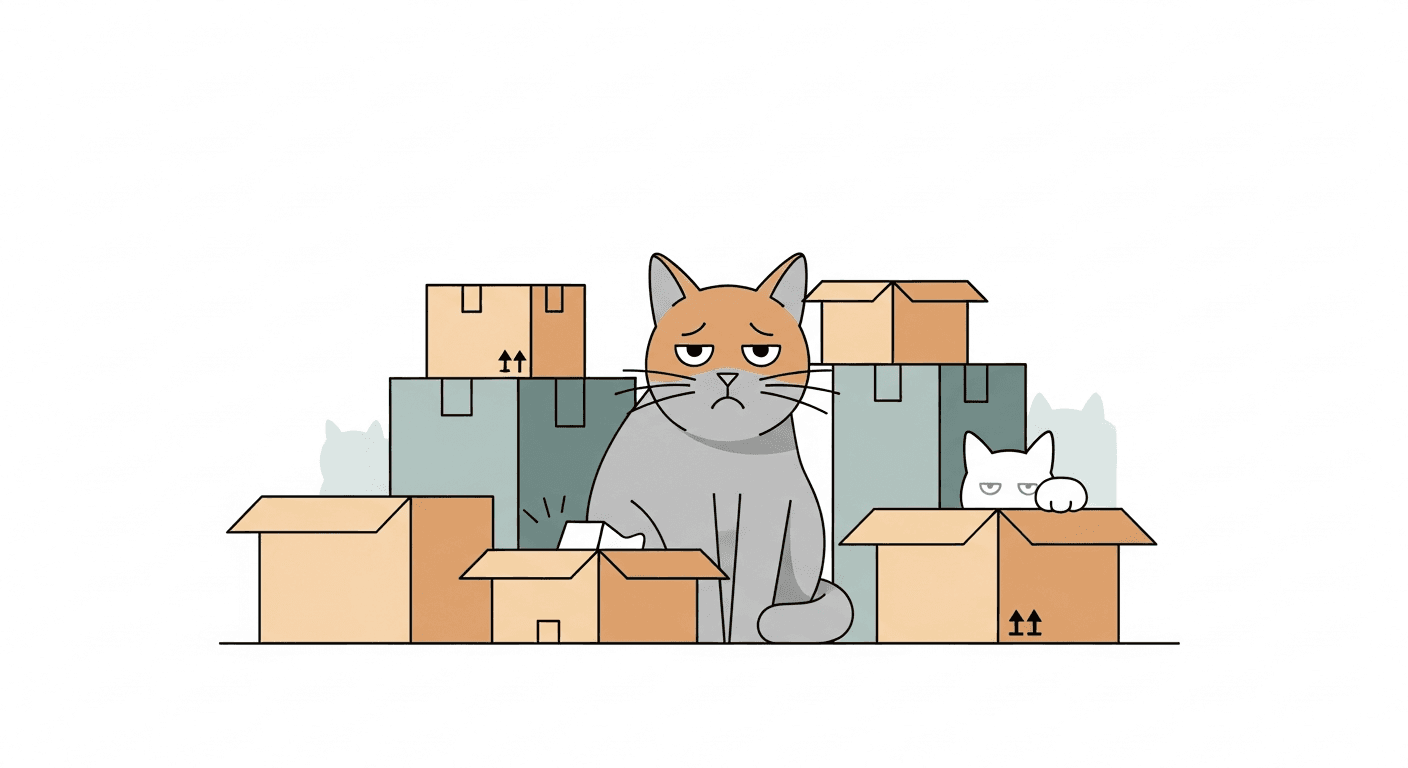
Cat Stress After Moving: How to Help Your Cat Adjust
Moving is deeply stressful for cats. Learn how to set up a new home, reduce anxiety, and recognize when stress is causing health problems.
 ✂️ Cat Care
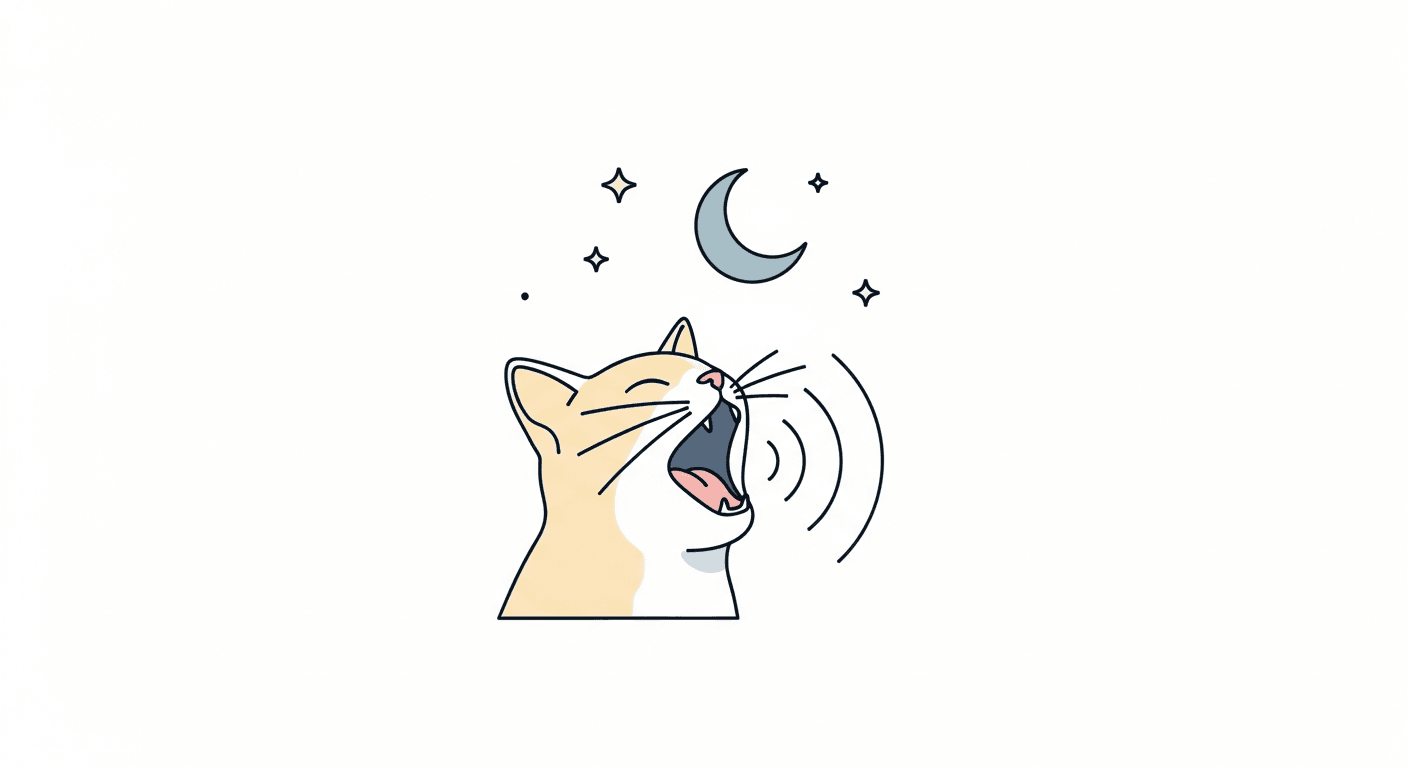
Cat Meowing or Yowling at Night: Causes and Solutions
Nighttime yowling is one of the most disruptive feline behaviors. Learn why it happens and what can be done about it — medically and behaviorally.
 ✂️ Cat Care
Cat After Vaccination: Normal Reactions and Warning Signs
Most cats have mild reactions to vaccines that resolve in 24–48 hours. Learn what's normal, what's a rare complication, and when to call your vet.