
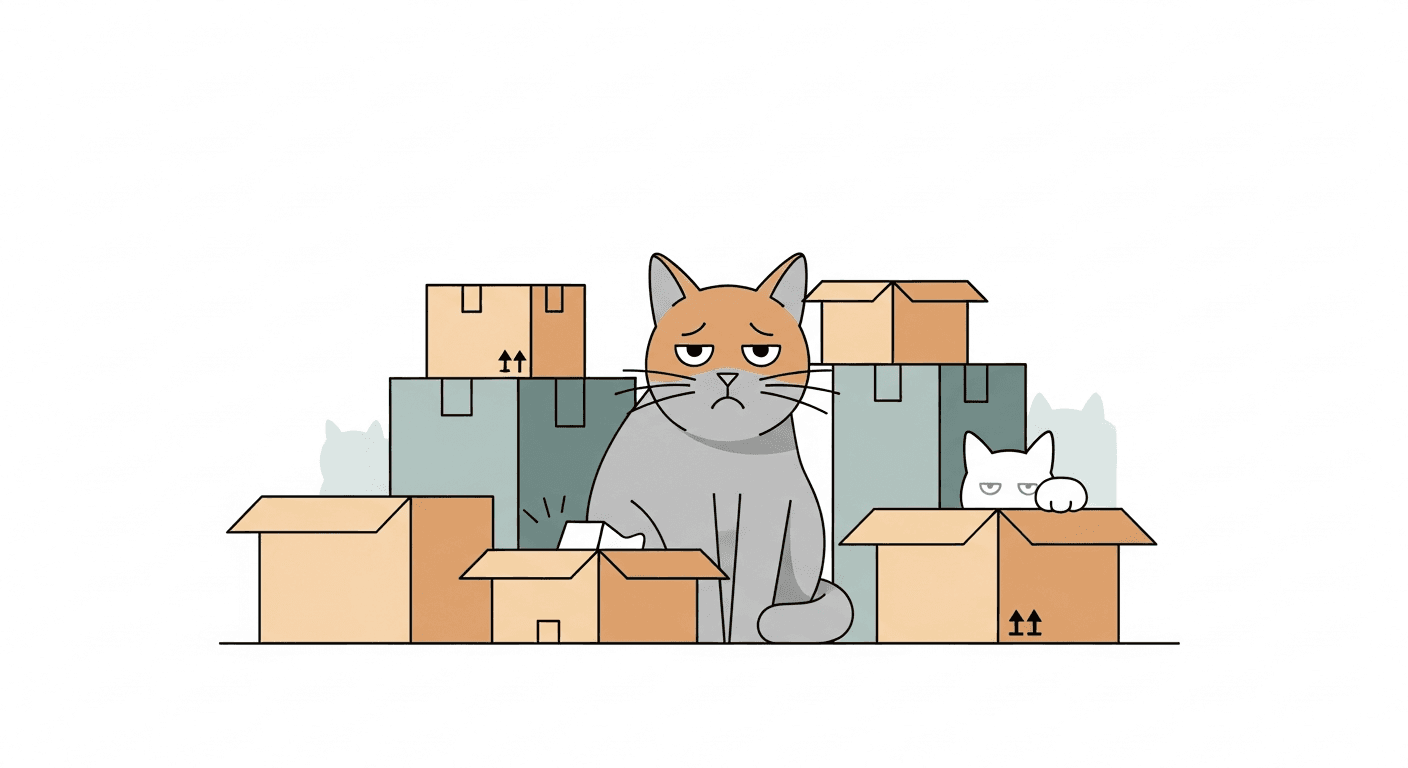
Why Is Moving So Hard for Cats?
Cats are intensely territorial animals. Their sense of security is tied to a familiar space with known scents, pathways, and resources. A move strips all of this away at once. Unlike dogs, cats don't transfer their emotional security to their owner as readily — the environment itself is the anchor. This is why moving cats is harder than moving dogs, and why some cats take weeks or months to feel comfortable in a new home.
Signs of stress include hiding, not eating, inappropriate elimination, excessive vocalization, over-grooming, and in some cats, aggression or lethargy. These behaviors typically peak in the first 1–2 weeks and gradually resolve — but for some sensitive cats, they persist and require intervention.
First 3 Steps When Moving with a Cat
- Set up a base room first: Before letting the cat roam the entire new home, confine it to one room with its familiar bedding, litter box, food, water, and toys. Let it establish a secure territory in that one space before gradually expanding access to other rooms.
- Bring familiar scents: Don't wash bedding before the move. Familiar scents on blankets and furniture are enormously comforting to a cat in an unfamiliar environment. Place items strategically in the new space.
- Use a synthetic pheromone diffuser: Feliway Classic diffusers release synthetic facial pheromones that signal safety to cats. Set one up in the base room before the cat arrives. It won't eliminate stress, but it meaningfully reduces it for most cats.
When to Go to the Vet Immediately
- Cat has not eaten for more than 48 hours since the move
- Urinating or defecating blood — stress can trigger FLUTD and urinary blockage
- Male cat not producing urine — emergency
- Cat that cannot be coaxed to drink water despite not eating
Follow-Up Care Checklist
- Gradually expand the cat's territory over 1–2 weeks as it becomes comfortable with each room
- Keep the litter box in the same position relative to the sleeping area as in the old home
- Maintain feeding and play routines at the same times as before the move
- Consider short-term anti-anxiety medication for extremely stressed cats — discuss with your vet
Track Adjustment Progress with TailRounds
Log eating, drinking, litter box use, and hiding frequency daily after a move using the TailRounds Daily Log. Seeing numbers improves helps you know the cat is adjusting normally.
Book a Vet Appointment
If your cat has refused food or water for more than 48 hours post-move, or has developed any urinary symptoms, book at Happy Paws promptly.
Summary for Your Clinic Visit
Tell your vet when the move occurred, how the cat has been behaving, whether it's eating and drinking, litter box status, and any prior history of stress-related illness.
Continue Reading
 🐱 Cat Health
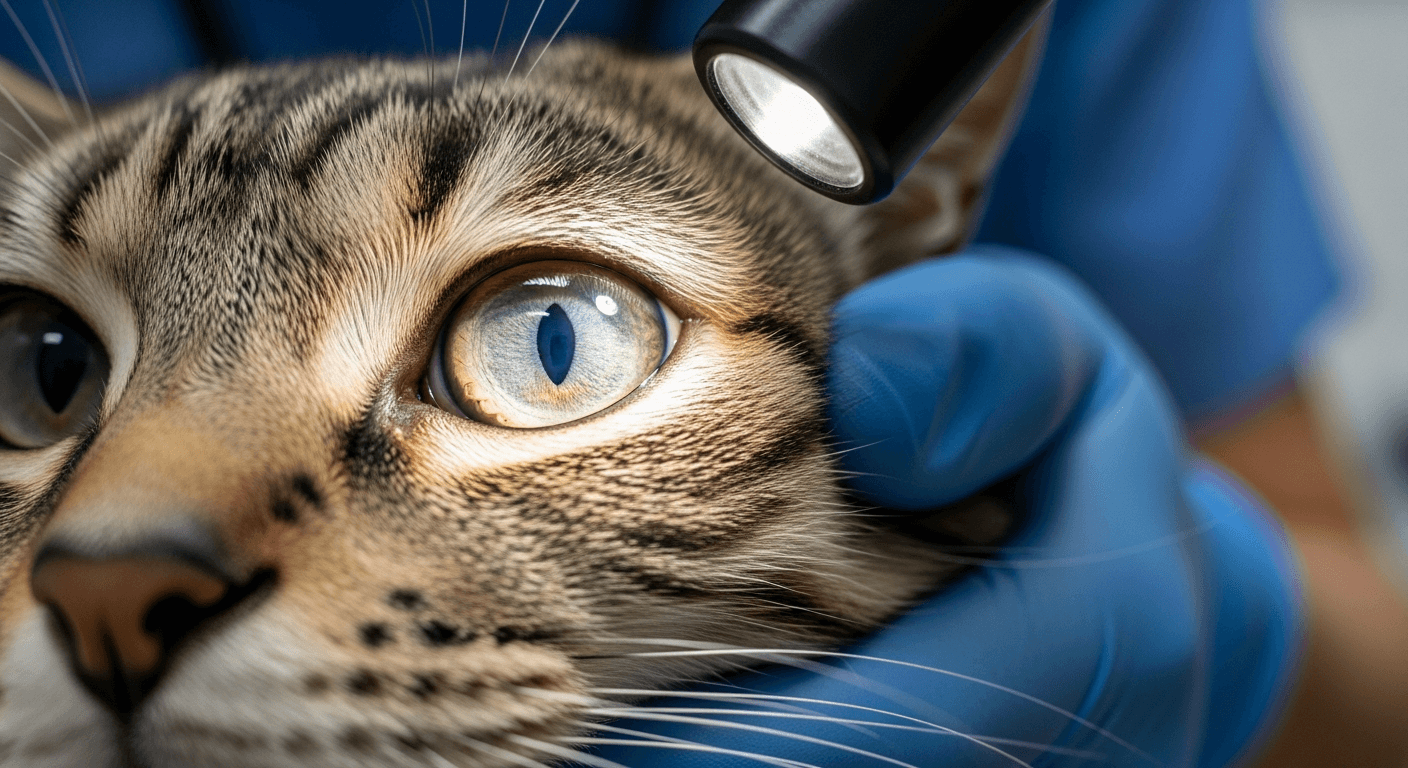
Cat Hiding More Than Usual: When Is It a Health Warning?
Cats hide when they're scared — but also when they're sick or in pain. Learn how to tell normal hiding from a health red flag.
 ✂️ Cat Care
Cat Meowing or Yowling at Night: Causes and Solutions
Nighttime yowling is one of the most disruptive feline behaviors. Learn why it happens and what can be done about it — medically and behaviorally.
 🐱 Cat Health
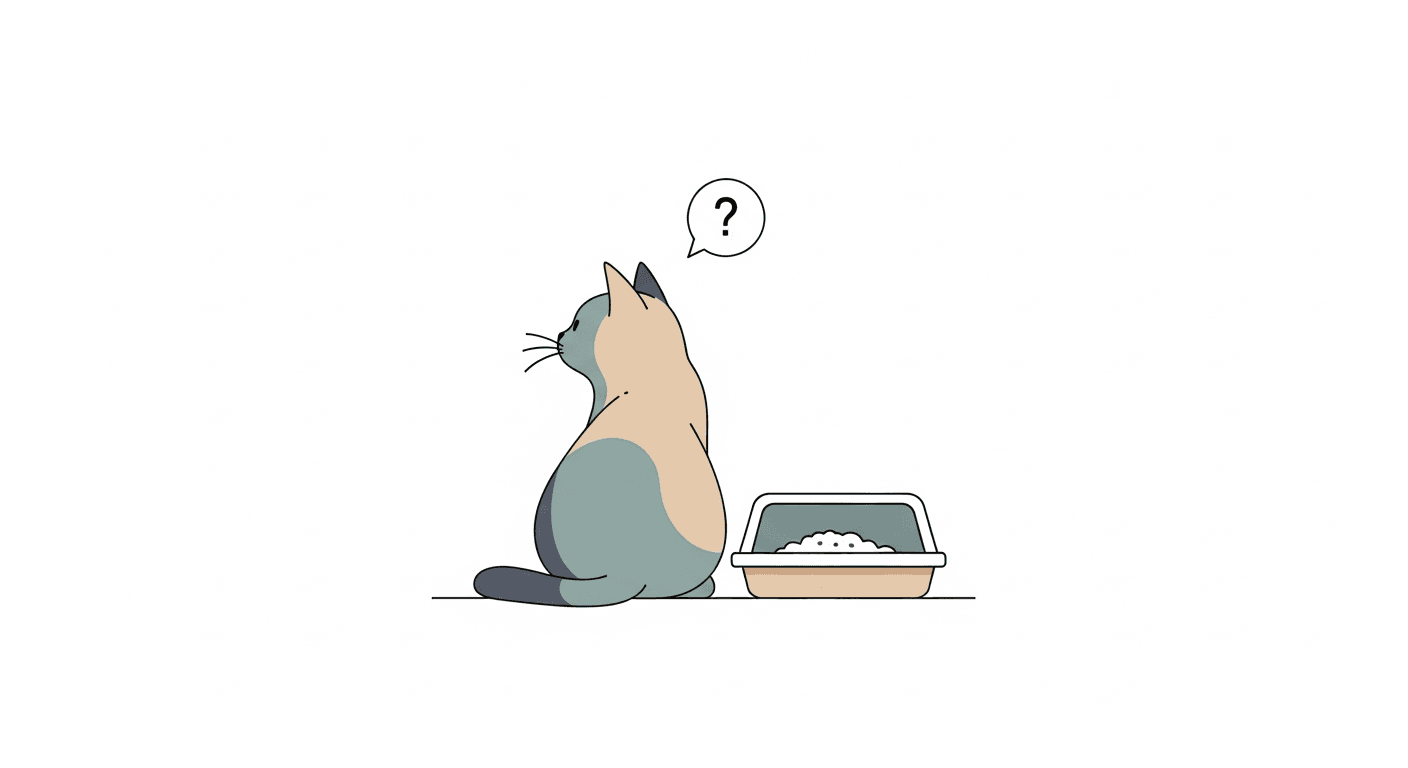
Cat Suddenly Not Using the Litter Box: 8 Common Reasons
A previously litter-trained cat avoiding the box is telling you something. Learn the 8 most common causes and how to address each one.
 🐱 Cat Health
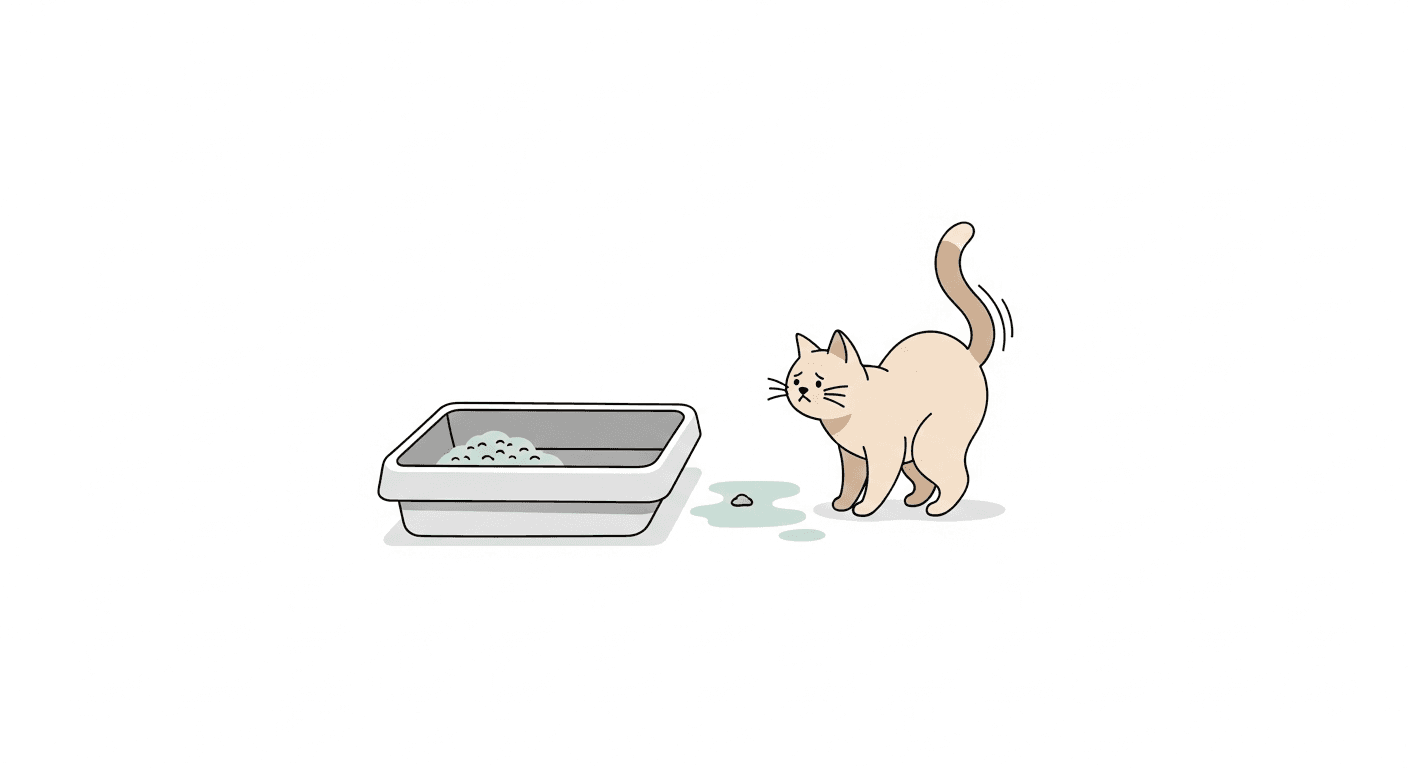
Cat Peeing Outside the Litter Box: Medical and Behavioral Causes
A cat suddenly avoiding the litter box can signal a urinary infection, crystals, or behavioral stress. Learn how to find the cause and address it properly.