
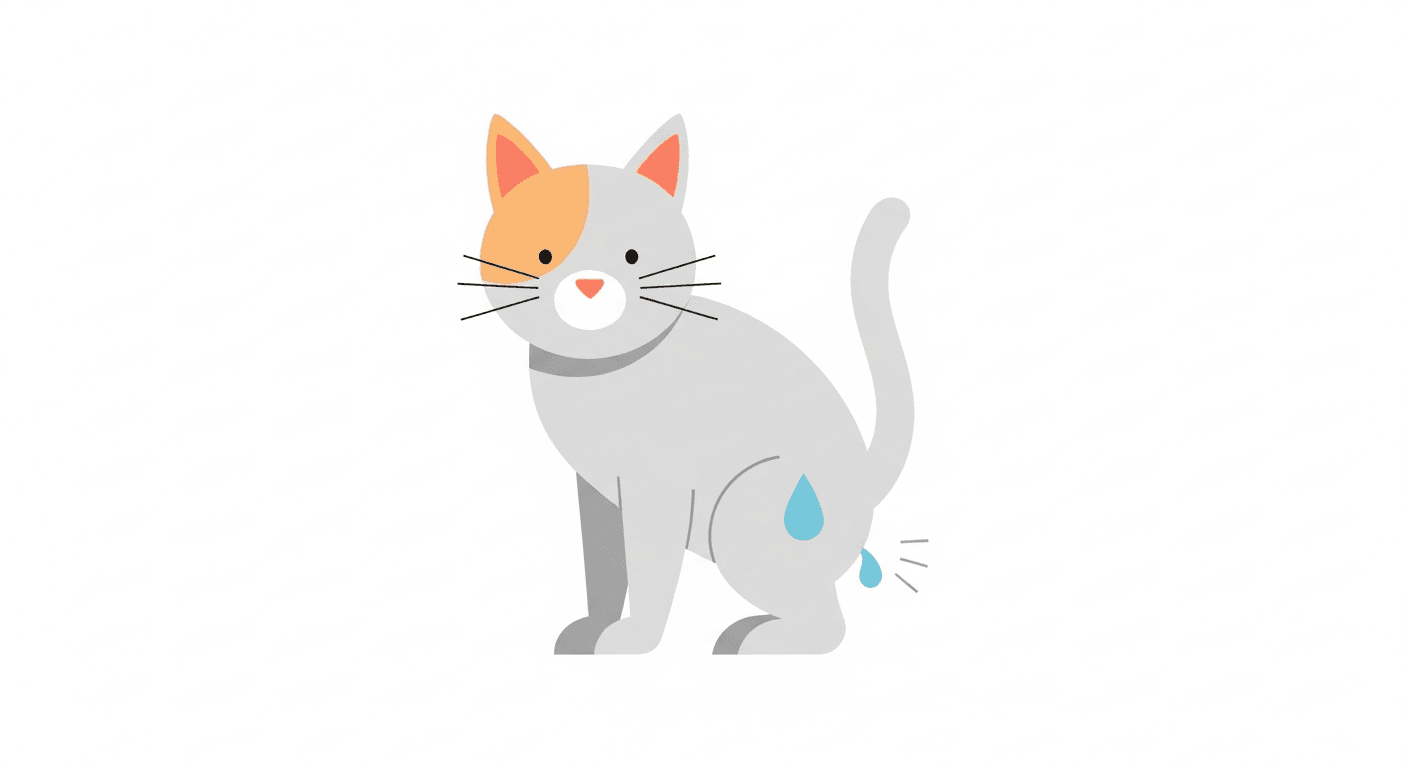
What Is a Urinary Blockage in Cats?
A urinary blockage (urethral obstruction) occurs when a plug of crystals, mucus, or inflammatory debris lodges in the urethra, preventing urine from passing. This is almost exclusively a male cat problem — female cats have a significantly wider and shorter urethra. Without treatment, the bladder fills until it ruptures or until systemic potassium toxicity causes fatal cardiac arrest. This is one of the true emergencies in veterinary medicine — a blocked cat can die within 24–72 hours of obstruction.
Signs of a Blocked Cat
- Repeatedly visiting the litter box with no urine produced
- Squatting and straining with no output or tiny drops
- Crying, vocalizing, or appearing in obvious pain
- Licking the genital area repeatedly
- Dragging the hindquarters
- Progressive lethargy and weakness — the cat that starts out crying may become quiet and collapse as uremia progresses
First 3 Steps to Take at Home
- Do not wait: This is not a "monitor overnight" situation. If your male cat has visited the litter box multiple times without producing urine, call an emergency vet immediately.
- Do not press on the abdomen: A full, tense bladder can rupture under pressure. Do not attempt to massage or press on the belly.
- Transport immediately to an emergency clinic: Place the cat in a carrier and go to the nearest open veterinary facility. Time is critical — every hour of obstruction increases the risk of bladder damage and cardiac complications.
When to Go to the Vet Immediately
This entire section applies — there is no home management for a urinary blockage. This is always a veterinary emergency requiring unblocking under sedation, IV fluids, and monitoring.
Follow-Up Care Checklist
- Transition to a prescription urinary diet (wet food) immediately post-recovery
- Dramatically increase water intake — wet food, water fountains, multiple water sources
- Discuss perineal urethrostomy (PU surgery) with your vet if the cat has had multiple blockages — this widens the urethra permanently
- Recheck urinalysis 2–4 weeks after unblocking to confirm resolution
Track Post-Blockage Recovery with TailRounds
After a urinary blockage, daily monitoring of urination is essential. Log litter box visits, urine volume, and any straining using the TailRounds Daily Log.
Book a Vet Appointment
If your male cat is straining, go now — don't wait to book. Happy Paws prioritizes urinary emergency cases. Call ahead so staff can prepare for your arrival.
Summary for Your Clinic Visit
Tell the vet how long the cat has been straining, whether any urine has been produced, the cat's diet, whether the cat has had prior blockages, and the cat's current energy level and behavior.
Continue Reading
 ✂️ Cat Care
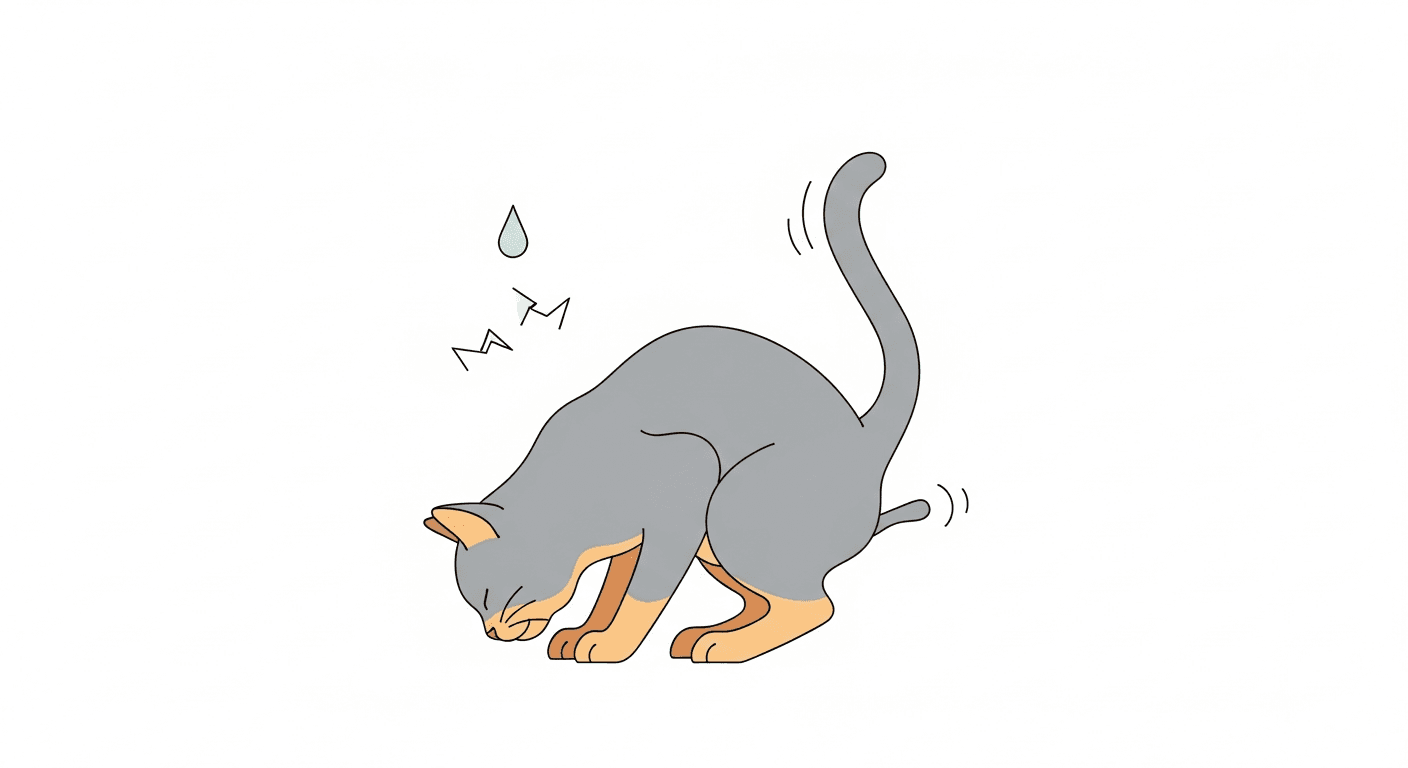
Male Cat Straining to Urinate: Emergency Signs vs. Constipation
Straining in male cats is a urinary emergency until proven otherwise. Learn how to tell urinary blockage from constipation and act appropriately.
 ✂️ Cat Care
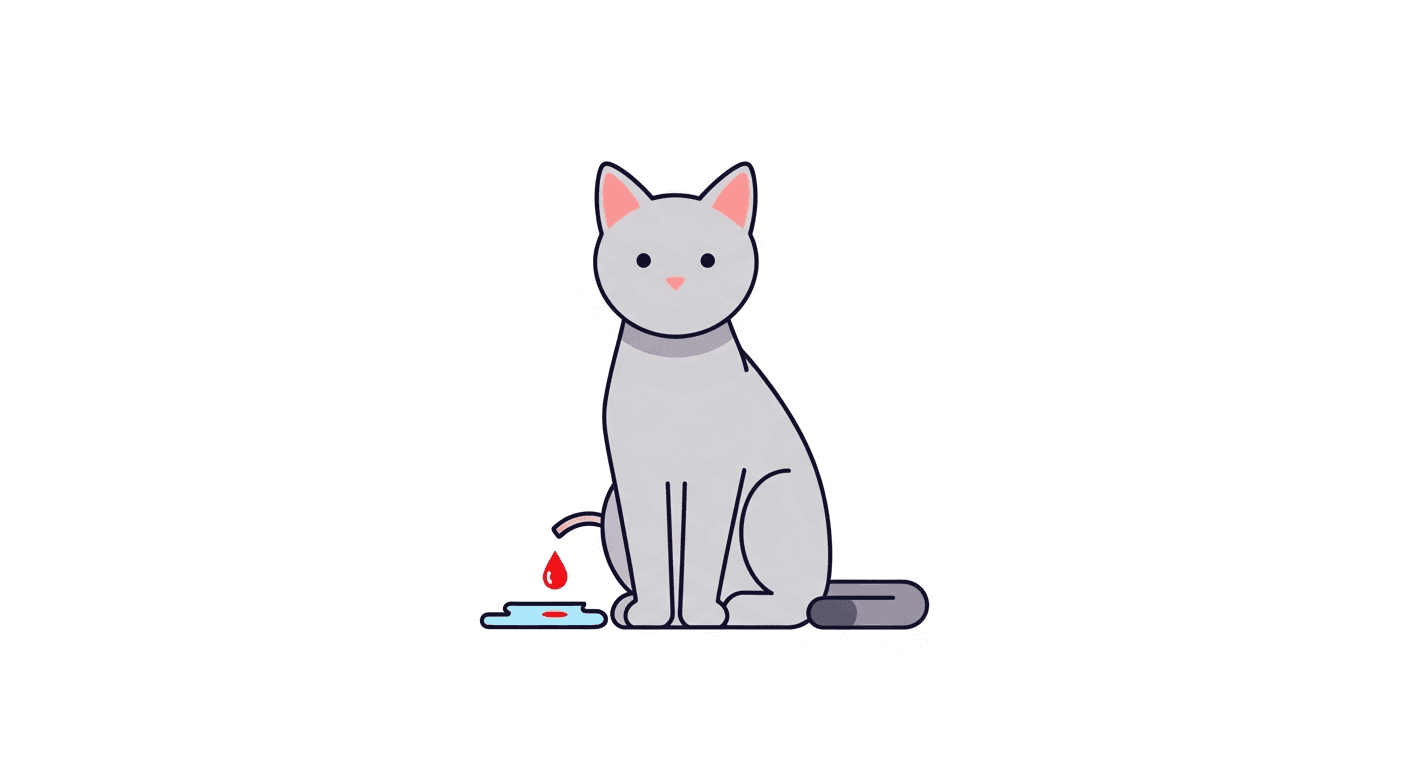
Blood in Cat Urine: Causes and What to Do
Pink, red, or brown urine in cats is always abnormal. Learn the common causes of hematuria in cats and how urgently it needs to be addressed.
 🐱 Cat Health
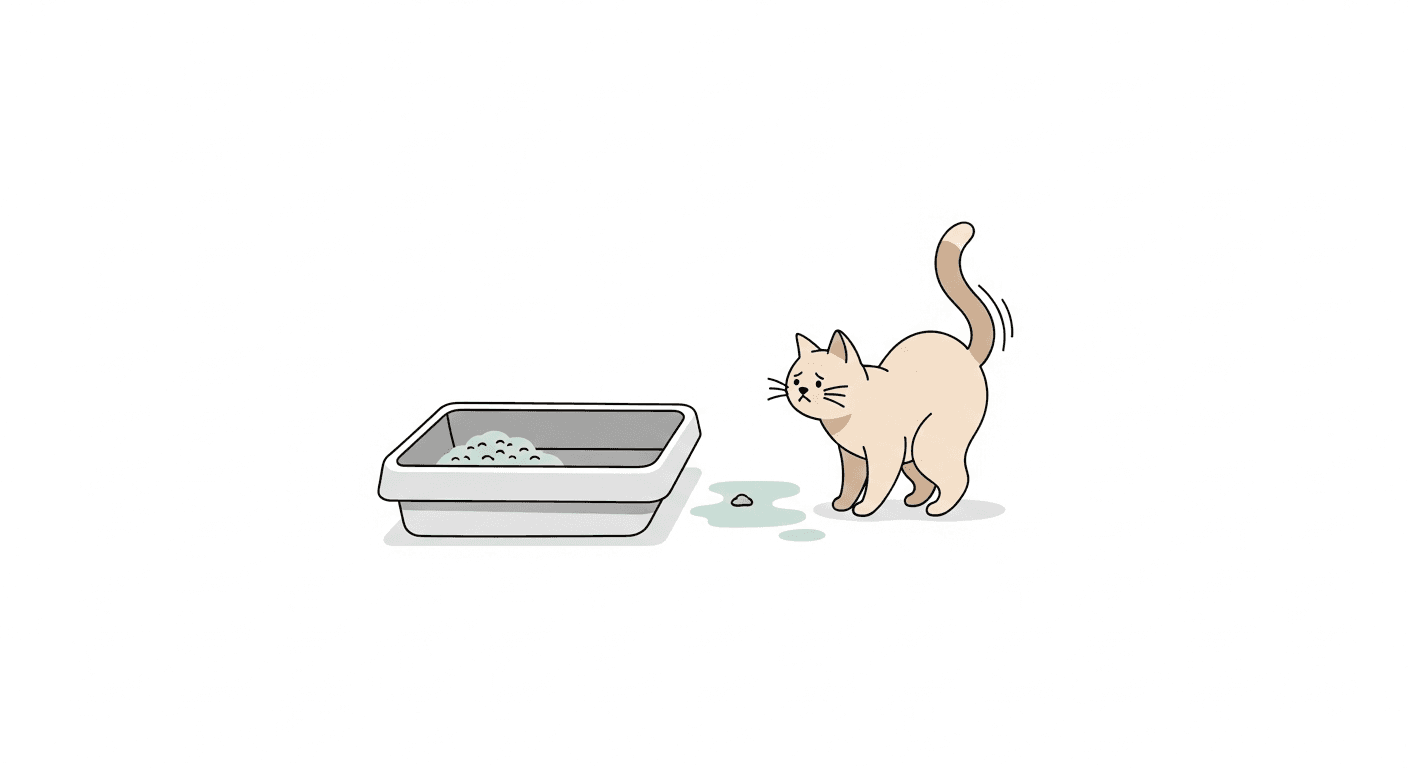
Cat Peeing Outside the Litter Box: Medical and Behavioral Causes
A cat suddenly avoiding the litter box can signal a urinary infection, crystals, or behavioral stress. Learn how to find the cause and address it properly.
 🐱 Cat Health
Is Your Cat Too Tired? Signs of Lethargy vs Normal Rest
Cats sleep up to 16 hours a day — so how do you know when tiredness is actually lethargy? Learn the signs that distinguish normal rest from illness.