
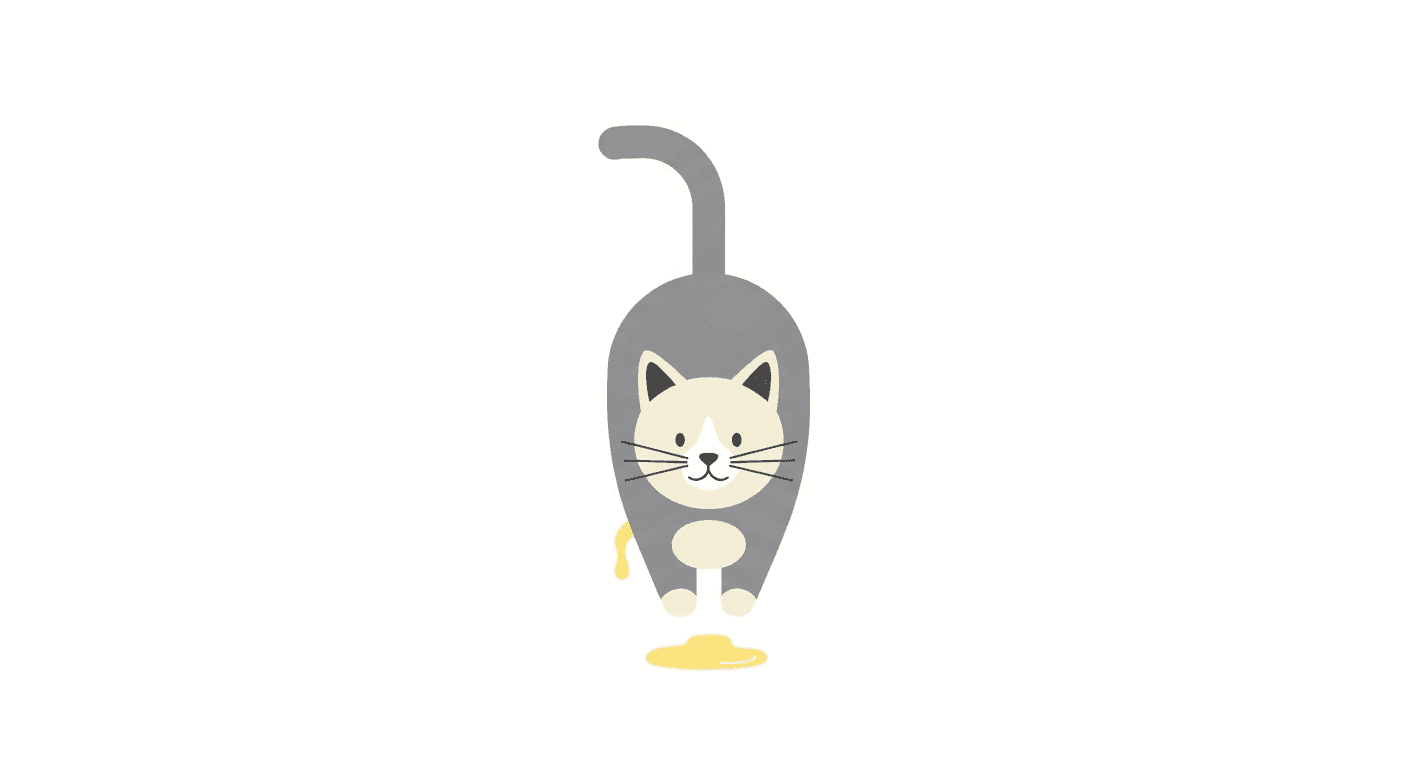
What Does Frequent Small-Volume Urination Mean?
Pollakiuria — urinating frequently in small amounts — is the cardinal sign of lower urinary tract disease in cats. The bladder feels full and irritated, triggering repeated urgent trips to the litter box, but the inflammation or obstruction prevents normal emptying. This is distinct from polyuria (producing large amounts of urine frequently), which indicates kidney disease or diabetes. The distinction matters for diagnosis and treatment.
Causes of pollakiuria include feline idiopathic cystitis (the most common cause), urinary crystals, bladder infection, and early urethral obstruction. In male cats, frequent small-volume urination should always be treated as a potential blockage until proven otherwise.
First 3 Steps to Take at Home
- Monitor litter box activity closely: Count visits to the litter box in one hour. Three or more visits with little or no urine produced is significant. Two visits producing normal amounts is not pollakiuria.
- Check for other symptoms: Is there blood visible? Is the cat crying or vocalizing in the box? Is the abdomen tense? These additional signs increase urgency significantly.
- Collect a urine sample: If you can collect even a small amount of fresh urine (using non-absorbent plastic cat litter placed in the box), this speeds diagnosis significantly at the vet.
When to Go to the Vet Immediately
- Male cat with frequent small amounts and no urine produced — possible blockage
- Blood in any urine produced
- Cat is distressed, crying, or lethargic alongside urinary symptoms
- Symptoms have lasted more than 24 hours
Follow-Up Care Checklist
- Increase water intake immediately — wet food exclusively, water fountains, multiple water stations
- Reduce household stress — a significant proportion of feline cystitis is stress-driven
- Add environmental enrichment to reduce baseline anxiety
- Recheck urinalysis 2–4 weeks after treatment
Track Litter Box with TailRounds
Count and log litter box visits, estimated urine volume, and any blood using the TailRounds Daily Log. This data is diagnostically crucial.
Book a Vet Appointment
Frequent small-volume urination needs urinalysis and possibly imaging. Book at Happy Paws for same-week assessment.
Summary for Your Clinic Visit
Tell your vet how many litter box visits per hour, whether urine is being produced, blood presence, the cat's diet, recent stressors, and how long symptoms have been present.
Continue Reading
 ✂️ Cat Care
Blood in Cat Urine: Causes and What to Do
Pink, red, or brown urine in cats is always abnormal. Learn the common causes of hematuria in cats and how urgently it needs to be addressed.
 ✂️ Cat Care
Cat Urinary Blockage: A Life-Threatening Emergency — Signs and Action
A blocked cat cannot urinate and will die within 24–72 hours without treatment. Know the signs so you can act in time.
 🐱 Cat Health
Cat Peeing Outside the Litter Box: Medical and Behavioral Causes
A cat suddenly avoiding the litter box can signal a urinary infection, crystals, or behavioral stress. Learn how to find the cause and address it properly.
 ✂️ Cat Care
Male Cat Straining to Urinate: Emergency Signs vs. Constipation
Straining in male cats is a urinary emergency until proven otherwise. Learn how to tell urinary blockage from constipation and act appropriately.