
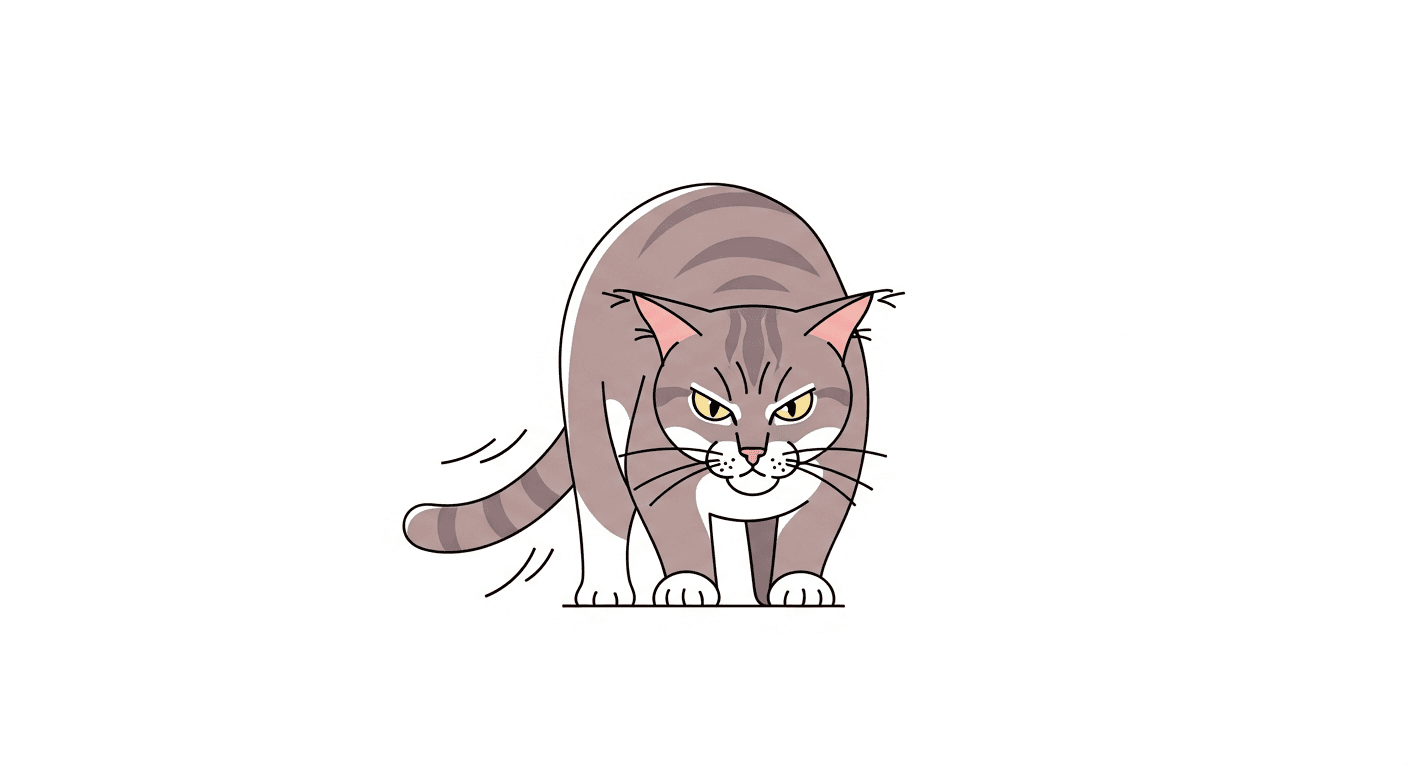
Types of Sudden Cat Aggression
Sudden, seemingly unprovoked aggression in cats almost always has a cause — even if it's not immediately obvious. The most common types are: pain-induced aggression (the cat bites when touched in a painful area), redirected aggression (the cat saw or smelled something threatening and redirected onto the nearest person), petting-induced aggression (overstimulation after extended petting), and fear aggression (a normally docile cat triggered by a specific stimulus). True unprovoked aggression with no pattern is uncommon and warrants neurological investigation.
First 3 Steps to Take at Home
- Do not punish the cat: Physical punishment or yelling escalates aggression and damages trust permanently. Calmly step away and give the cat space.
- Schedule a veterinary exam to rule out pain: Pain is the single most common medical cause of sudden aggression. Arthritis, dental pain, abdominal pain, or neurological conditions can all make a normally gentle cat lash out. This must be ruled out before any behavioral intervention.
- Learn the cat's body language cues: Flattened ears, dilated pupils, lashing tail, and skin rippling are pre-aggression signals. Learning to read and respond to these early prevents escalation to biting or scratching.
When to Go to the Vet Immediately
- Sudden onset aggression in a previously gentle cat with no behavioral history
- Aggression accompanied by apparent pain responses (vocalizing when touched, guarding a body area)
- Cat seems disoriented or is having behavior changes beyond aggression
- Deep bite wounds inflicted on a family member — cat bites have high infection rates in humans
Follow-Up Care Checklist
- For petting-induced aggression: keep sessions shorter, watch for early warning signs, and stop before the cat escalates
- For redirected aggression: identify and remove the trigger (cover windows, address outdoor cat presence)
- For fear aggression: desensitization with a professional animal behaviorist
- All bite wounds to humans should be washed immediately and assessed by a doctor
Track Aggression Episodes with TailRounds
Log every aggression incident with time, trigger (if known), and severity using the TailRounds Daily Log. This pattern data is invaluable for behavior consultants.
Book a Vet Appointment
Sudden aggression in a cat that was previously gentle needs a physical examination. Book at Happy Paws for a pain assessment and behavioral consultation.
Summary for Your Clinic Visit
Describe when the aggression started, any triggers you've identified, where on the body the cat reacts defensively, and any other behavior or health changes observed at the same time.
Continue Reading
 ✂️ Cat Care
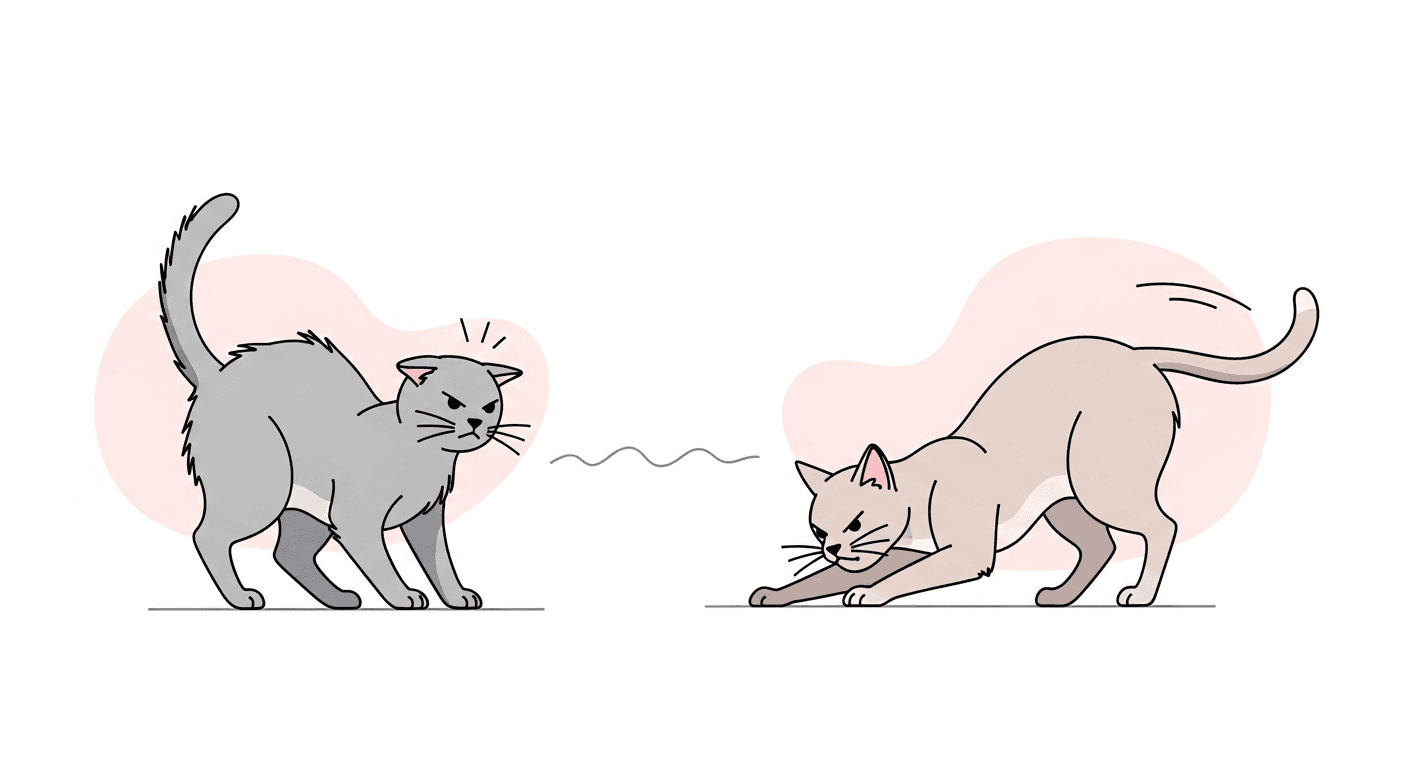
Cat-to-Cat Aggression: Why Cats Fight and How to Help
Inter-cat aggression ranges from play-fighting to serious injury. Learn to tell them apart and manage multi-cat household conflict effectively.
 ✂️ Cat Care
Cat Stress After Moving: How to Help Your Cat Adjust
Moving is deeply stressful for cats. Learn how to set up a new home, reduce anxiety, and recognize when stress is causing health problems.
 🐱 Cat Health
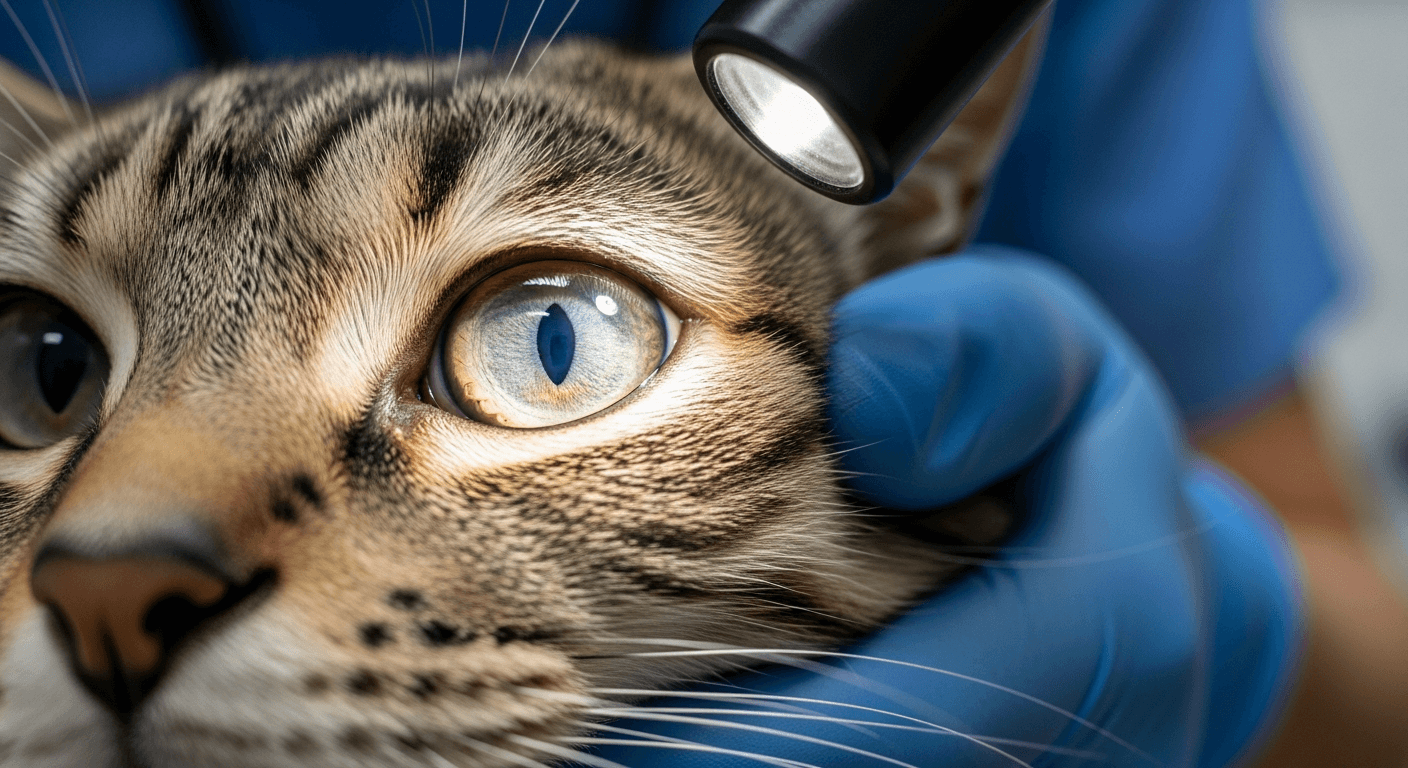
Cat Hiding More Than Usual: When Is It a Health Warning?
Cats hide when they're scared — but also when they're sick or in pain. Learn how to tell normal hiding from a health red flag.
 🐱 Cat Health
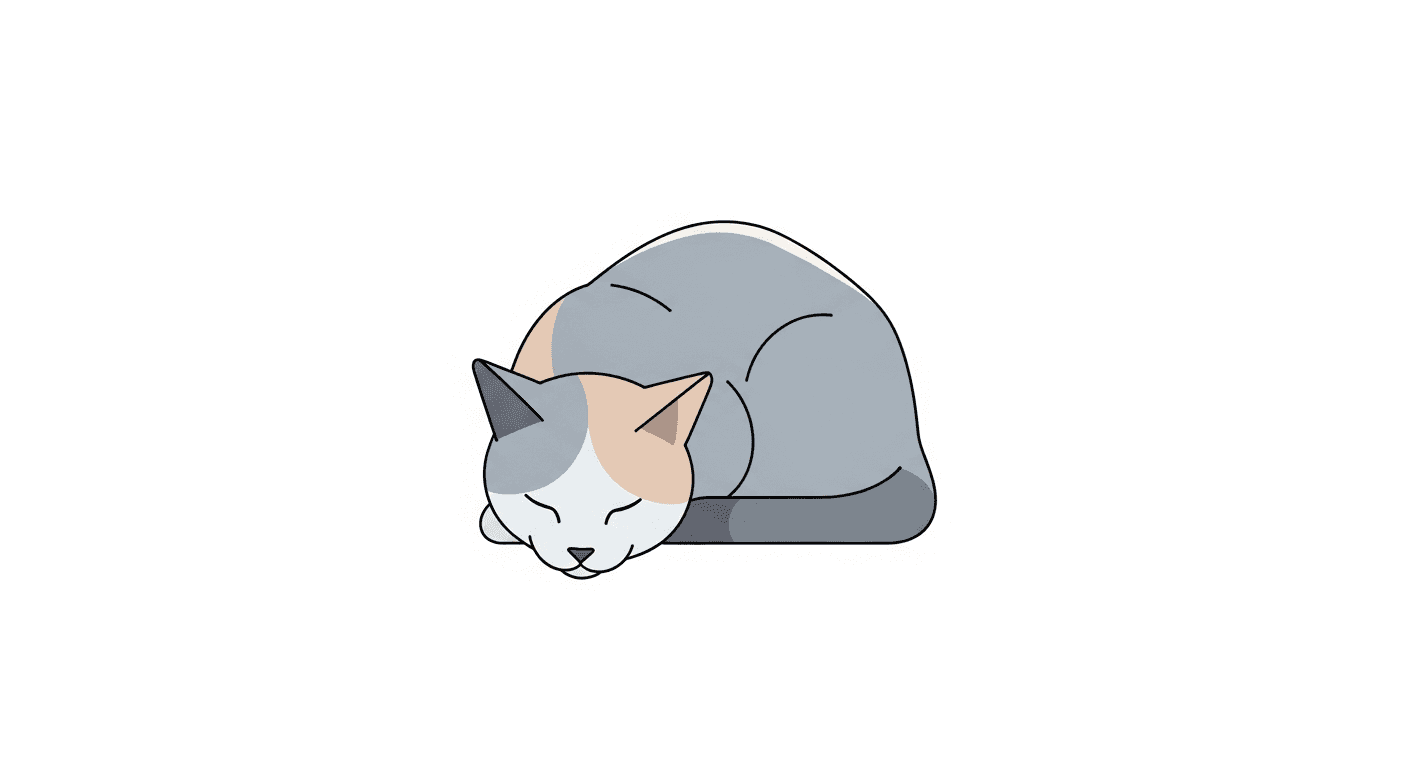
Is Your Cat Too Tired? Signs of Lethargy vs Normal Rest
Cats sleep up to 16 hours a day — so how do you know when tiredness is actually lethargy? Learn the signs that distinguish normal rest from illness.