
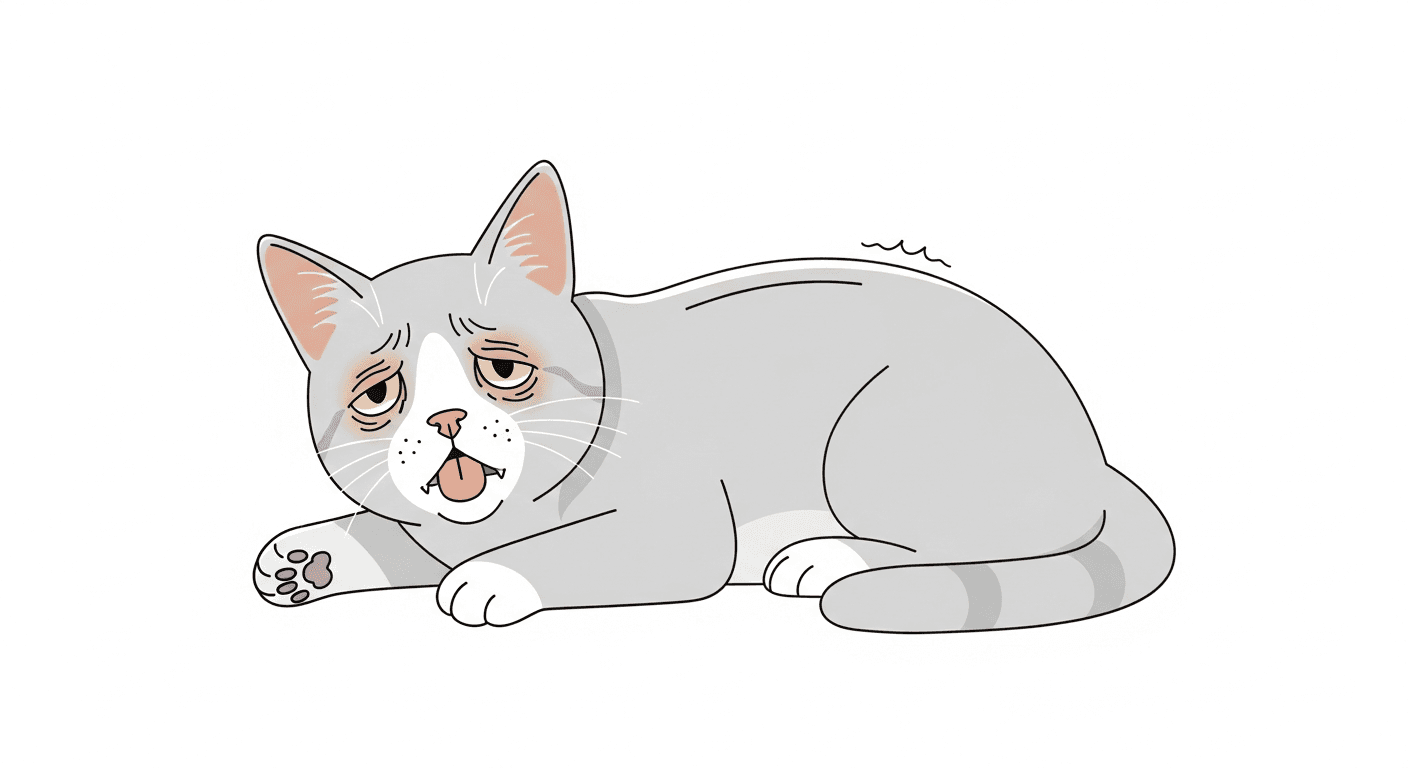
Why Are Cats Prone to Dehydration?
Cats evolved in arid environments and have a reduced thirst drive compared to dogs. They're designed to get most of their water from prey — which is approximately 70% water. Dry kibble contains only 8–10% water. A cat eating exclusively dry food is chronically mildly dehydrated compared to one eating wet food. This persistent mild dehydration is a significant contributing factor to kidney disease, urinary crystals, and constipation.
First 3 Steps to Assess Hydration at Home
- Skin tent test: Gently pinch the skin at the back of the neck and release. Normal skin snaps back immediately. Slightly dehydrated skin returns slowly (1–2 seconds). Severely dehydrated skin stays tented or returns in 3+ seconds. This test is less reliable in overweight cats.
- Check gum moisture: Press a clean finger to the gums and release. Gums should feel moist and slick. Tacky or dry gums indicate dehydration. Gums should also be pink — pale gums indicate a separate problem.
- Add a water fountain immediately: Many cats prefer moving water. A pet water fountain increases water intake by up to 50% in some cats. This is the single easiest hydration improvement most owners can make.
When to Go to the Vet Immediately
- Skin tent that doesn't snap back within 2 seconds
- Tacky or dry gums combined with lethargy or not eating
- Vomiting or diarrhea for more than 24 hours (significant fluid loss)
- Known kidney or heart disease cat showing any dehydration signs
Follow-Up Care Checklist
- Switch to wet food — this is the most effective long-term hydration strategy
- Add a small amount of water to wet food at each meal
- Place multiple water bowls in different rooms — cats prefer not to drink near their food
- Replace water daily; cats often refuse stale water
- For chronically dehydrated cats with CKD, subcutaneous fluid administration at home may be recommended
Track Hydration with TailRounds
Log water intake and gum assessments using the TailRounds Daily Log. For cats with kidney disease or urinary conditions, daily hydration tracking is part of essential monitoring.
Book a Vet Appointment
If your cat shows dehydration signs and won't drink, or if dehydration is recurring with chronic illness, book at Happy Paws for IV or subcutaneous fluid support.
Summary for Your Clinic Visit
Describe the dehydration signs you've observed, note whether the cat is eating or vomiting, mention the current diet, and bring your water intake observations if you've been measuring.
Continue Reading
 ✂️ Cat Care
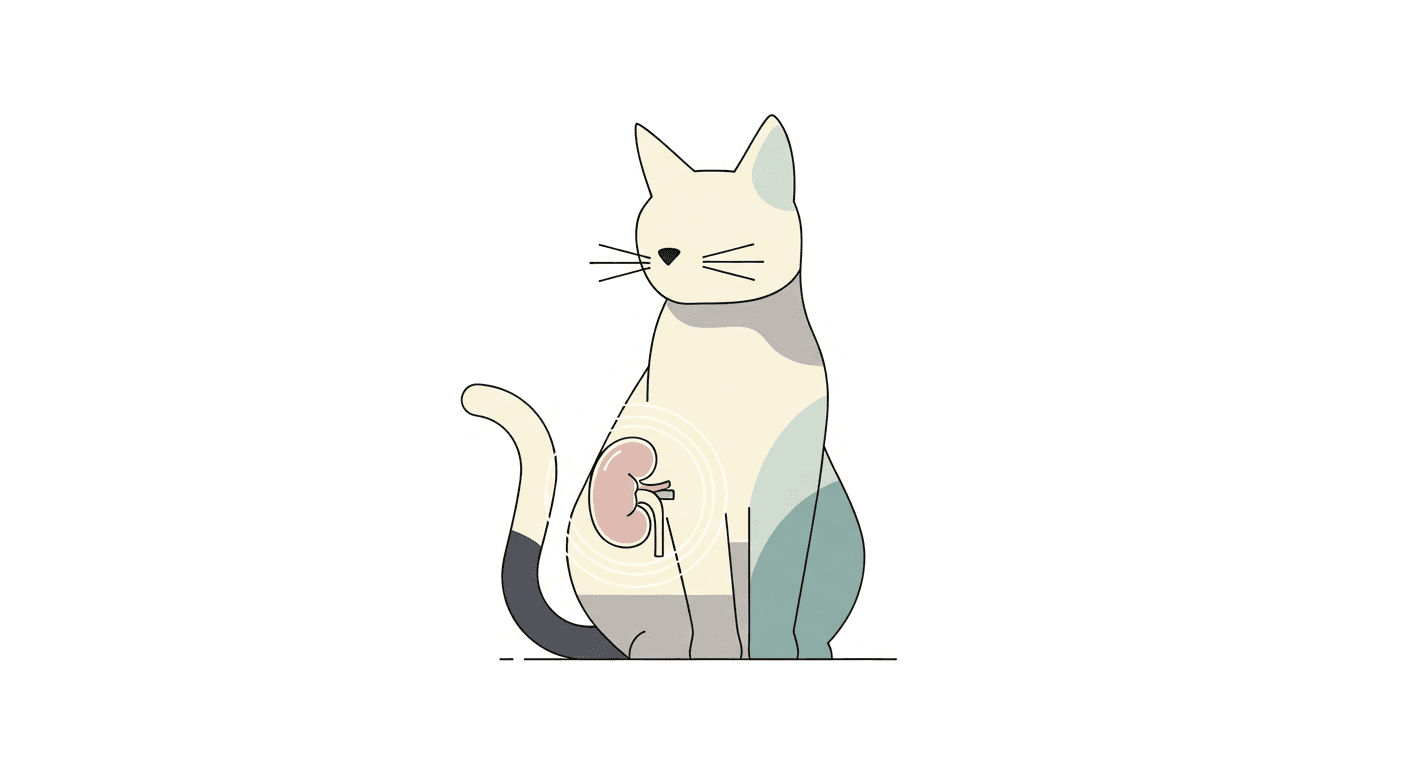
Early Kidney Disease in Cats: Signs, Diagnosis, and Management
Chronic kidney disease is the leading cause of death in cats over 12. Learn the earliest signs, how it's diagnosed, and how to slow progression significantly.
 ✂️ Cat Care
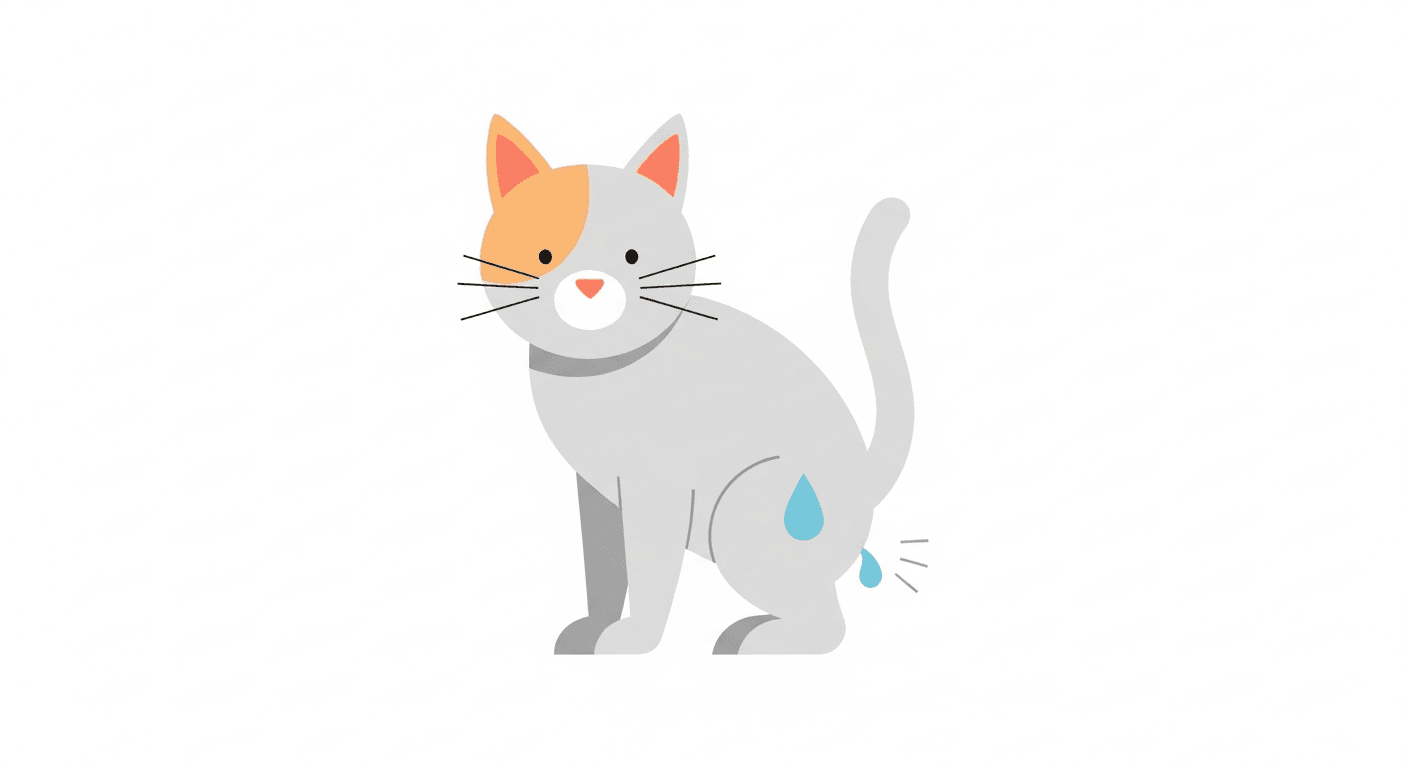
Cat Urinary Blockage: A Life-Threatening Emergency — Signs and Action
A blocked cat cannot urinate and will die within 24–72 hours without treatment. Know the signs so you can act in time.
 🐱 Cat Health
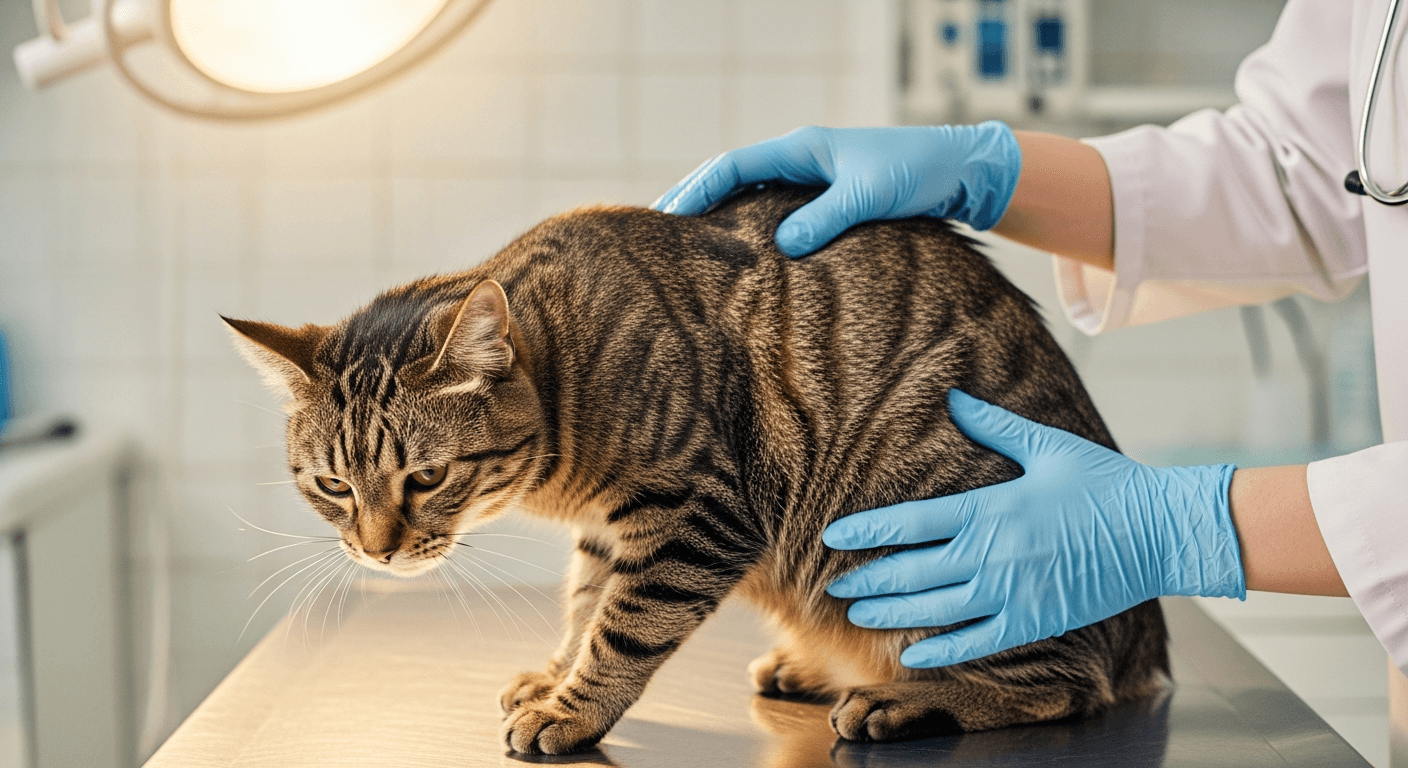
Cat Vomiting: Common Causes and What to Watch For
Understand why cats vomit, how to tell occasional vomiting from a medical emergency, and when to call your vet.
 🐱 Cat Health
Cat Not Eating: When Is It an Emergency?
Learn why your cat has stopped eating, which symptoms require immediate vet care, and how to safely encourage appetite at home.