
What Does a New Kitten Need in the First Month?
The first 30 days with a new kitten set the foundation for a lifetime of good health. This period covers initial veterinary care, beginning socialization, establishing feeding and litter routines, and identifying any health concerns early. Many kittens arrive from breeders or shelters with incomplete parasite treatment or mild upper respiratory infections. A proactive first month prevents these from becoming serious problems.
First 3 Steps When You Bring the Kitten Home
- Set up a safe "base room": Don't let the kitten roam the whole house immediately. Confine to one room with litter box, food, water, bed, and toys for the first few days. Let the kitten explore gradually as confidence grows.
- Book the first vet exam within 48–72 hours: A veterinary physical exam within the first 3 days confirms the kitten is healthy, identifies any early concerns, and starts the vaccine and deworming schedule.
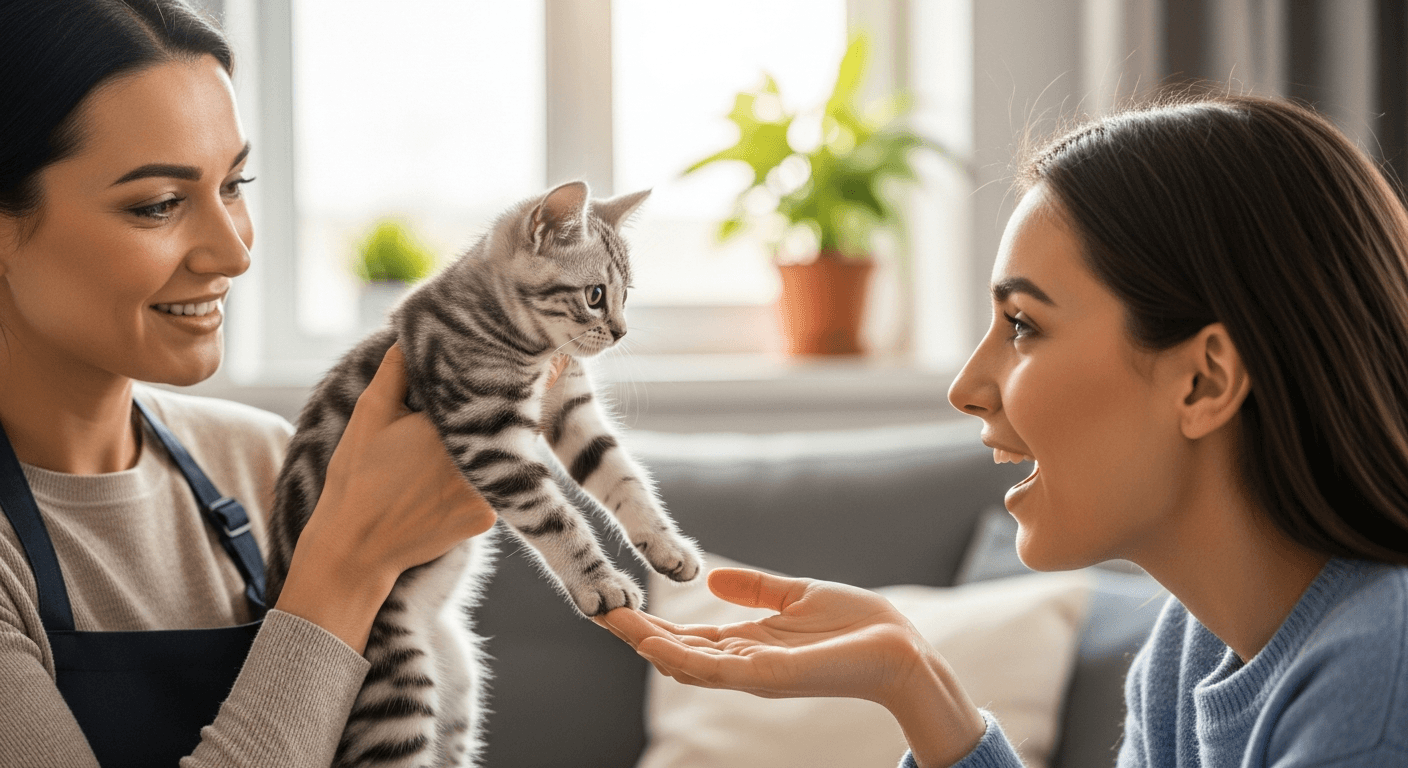
- Begin gentle socialization immediately: The socialization window for cats is 2–9 weeks. Handle the kitten gently but frequently, expose it to household sounds, and introduce it calmly to different people. Kittens socialized well in the first weeks become significantly more confident adult cats.
First Month Checklist
- Vet exam within 48–72 hours of arrival
- Fecal test for intestinal parasites
- First deworming treatment (often given at shelter, but confirm coverage)
- FVRCP vaccine first dose (if not already given at appropriate age)
- FeLV testing (especially if indoor/outdoor or multi-cat household)
- Flea prevention product appropriate for kitten age and weight
- Microchip (can be done at first vet visit)
- Spay/neuter appointment scheduled (recommended 4–6 months of age)
- High-quality kitten food established (3–4 small meals per day)
- Litter box training — clean box at all times, praised for use
When to Go to the Vet Immediately
- Kitten not eating for more than 12 hours
- Diarrhea or vomiting more than twice in one day
- Nasal or eye discharge, sneezing — URIs are common in shelter kittens and progress fast in young cats
- Pale gums, lethargy, or weakness — heavy flea/worm burden can cause anemia rapidly
Track Everything with TailRounds
The first month generates a lot of health data. Log vaccinations, deworming dates, meals, and any symptoms using the TailRounds Daily Log so nothing gets lost.
Book a Vet Appointment
Start your kitten's health journey right. Book the first kitten exam at Happy Paws — we offer a new kitten package including full exam, first vaccines, deworming, and microchip.
Summary for Your Clinic Visit
Bring any records from the breeder or shelter (vaccines, deworming history), note any symptoms observed since arrival, have the kitten's current diet ready to share, and prepare questions about spay/neuter timing.
Continue Reading
 🐱 Cat Health
Kitten Vaccination Schedule: What Every New Owner Needs to Know
A complete guide to kitten vaccines — which ones are essential, when to give them, and how to protect your kitten from serious infectious diseases.
 🐱 Cat Health
Cat Worms: Types, Symptoms, and How to Deworm Safely
Roundworms, tapeworms, hookworms — cats can carry multiple intestinal parasites. Learn the signs, safe deworming options, and how often to treat.
 🐱 Cat Health
Cat Flea Treatment: What Actually Works and What Doesn't
Not all flea treatments are equal — some are ineffective, others unsafe for cats. Learn which products work, how to treat the environment, and how to prevent reinfestation.
 🐱 Cat Health
Cat Not Eating: When Is It an Emergency?
Learn why your cat has stopped eating, which symptoms require immediate vet care, and how to safely encourage appetite at home.