
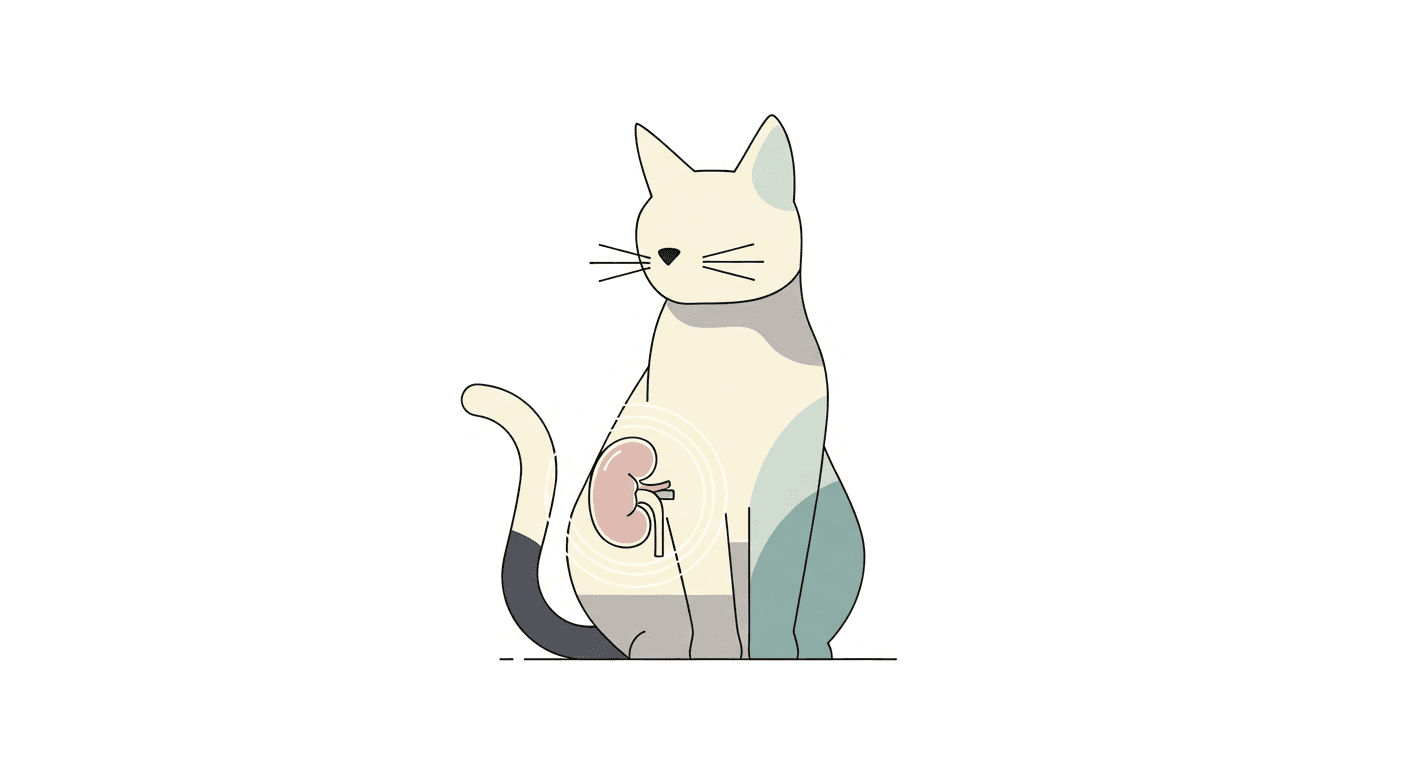
What Is Feline Chronic Kidney Disease?
Chronic kidney disease (CKD) is the most common serious health problem in older cats. The kidneys gradually lose the ability to filter waste products and maintain fluid balance. Early CKD has no obvious symptoms — the cat appears normal. By the time clinical signs appear, 65–75% of kidney function has already been lost. This is why annual (and ideally twice-yearly for seniors) bloodwork is so critical: SDMA, creatinine, and BUN levels can identify CKD at stages 1–2, when intervention is most effective.
First 3 Steps When CKD Is Suspected or Diagnosed
- Get baseline bloodwork and urinalysis: CKD diagnosis requires both blood markers (creatinine, BUN, SDMA, phosphorus) and urine specific gravity. Blood values alone can be misleading without knowing how concentrated the urine is.
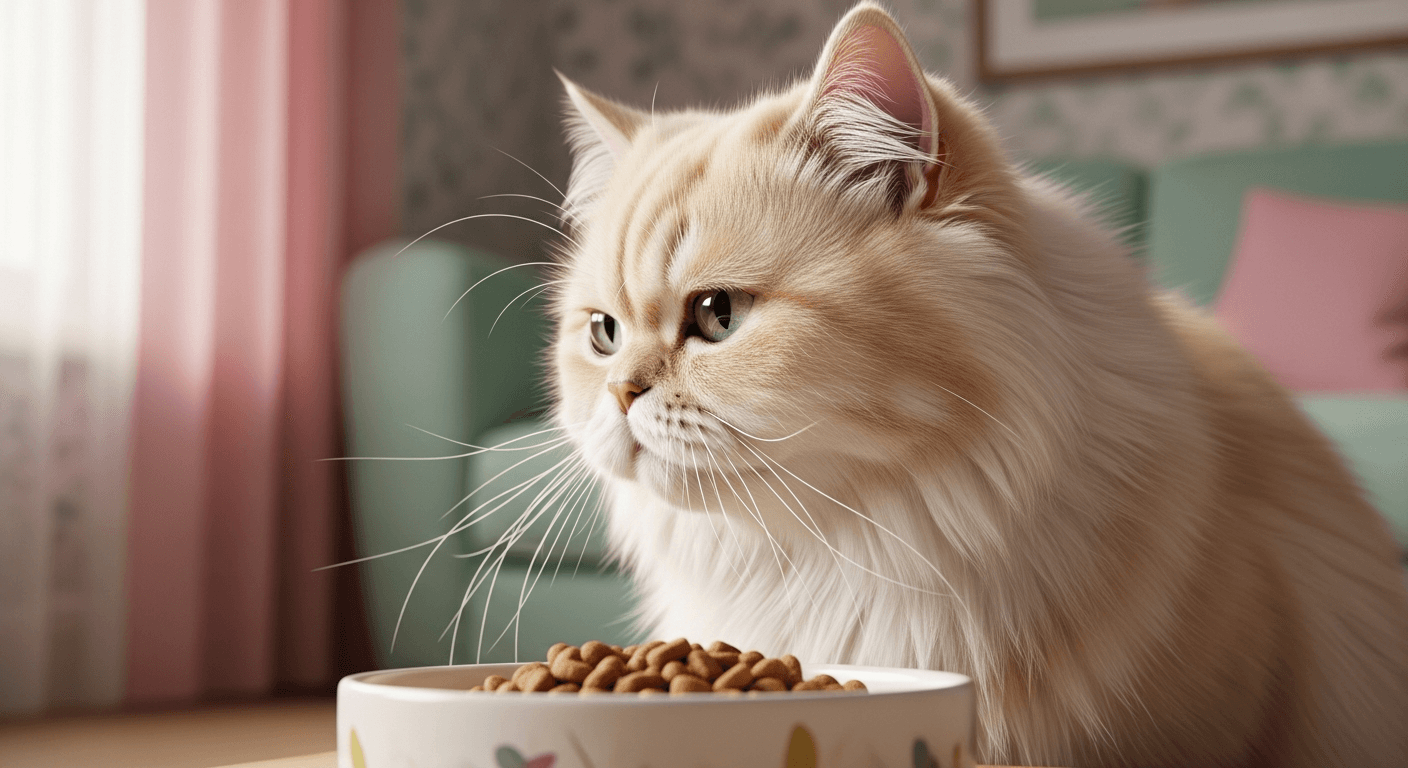
- Transition to a renal prescription diet immediately: This is the single most evidence-based intervention for slowing CKD progression. Renal diets are low in phosphorus and have modified protein levels. Phosphorus restriction specifically delays progression to late-stage disease.
- Ensure excellent hydration: CKD cats need to drink more to compensate for the kidneys' reduced concentrating ability. Switch fully to wet food, add a water fountain, and consider subcutaneous fluid administration at home if recommended by your vet.
When to Go to the Vet Immediately
- Sudden loss of appetite or vomiting in a known CKD cat — uremic crisis
- Extreme weakness, collapse, or muscle tremors
- Sudden blindness (hypertension secondary to CKD)
- Seizures in a cat with CKD
Follow-Up Care Checklist
- Recheck bloodwork and urinalysis every 3 months for CKD stage 2; more frequently for stage 3–4
- Monitor blood pressure at every visit — hypertension is common in CKD and requires treatment
- Phosphate binders may be prescribed if dietary restriction isn't sufficient
- Anti-nausea medication for cats with uremia-related nausea
- Track daily water intake and urine output as instructed
Track CKD Metrics with TailRounds
Water intake, appetite, weight, and litter box output are the daily metrics that signal CKD stability or progression. Log these every day using the TailRounds Daily Log and share the trends at every recheck visit.
Book a Vet Appointment
CKD requires regular monitoring to manage well. Book a renal recheck at Happy Paws — we offer full CKD monitoring panels and blood pressure assessment in one visit.
Summary for Your Clinic Visit
Bring your daily intake/output log, the date of last bloodwork and current results if available, note any changes since the last visit, and bring all current medications and supplements for review.
Continue Reading
 🐱 Cat Health
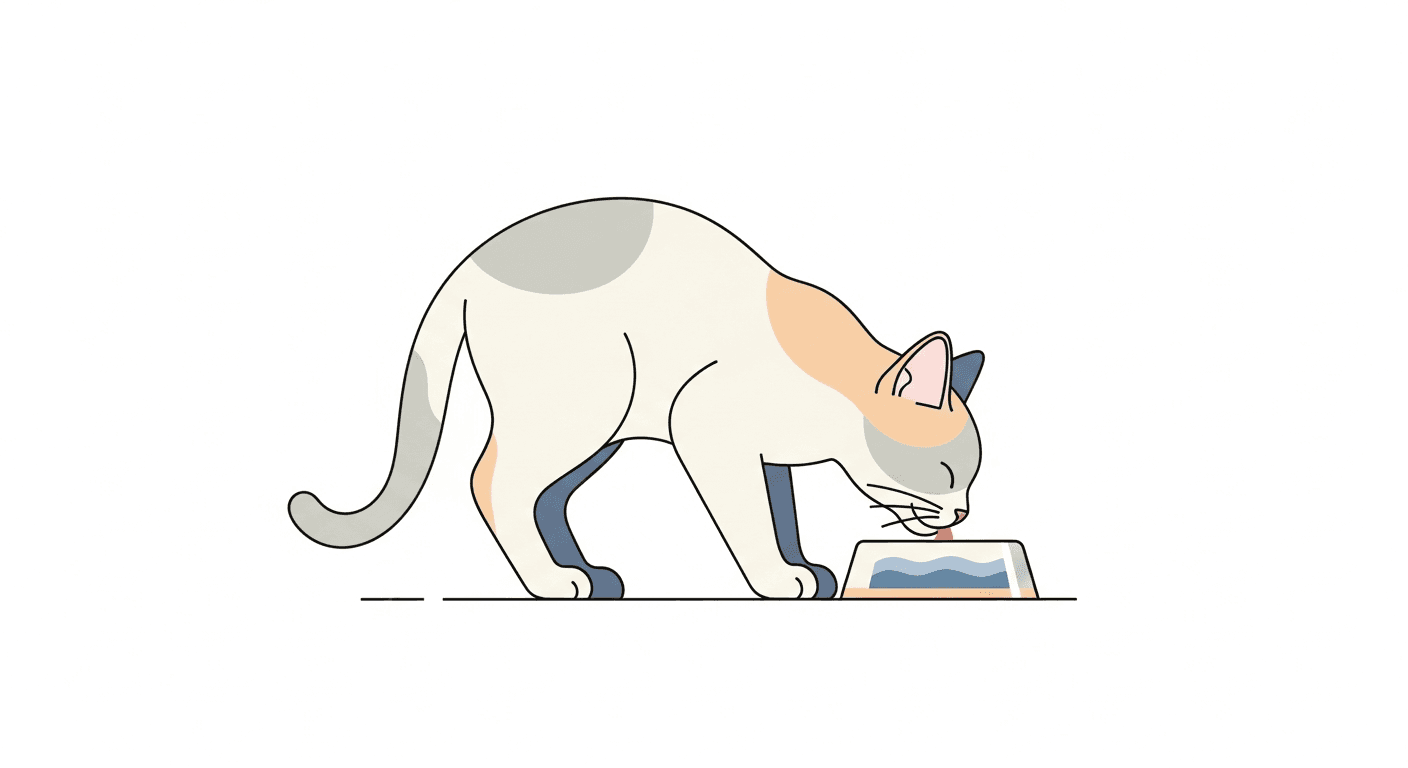
Cat Drinking More Water Than Usual: Causes and What to Do
Increased thirst in cats — called polydipsia — is a key symptom of kidney disease, diabetes, and hyperthyroidism. Here's how to recognize it and act.
 🐱 Cat Health
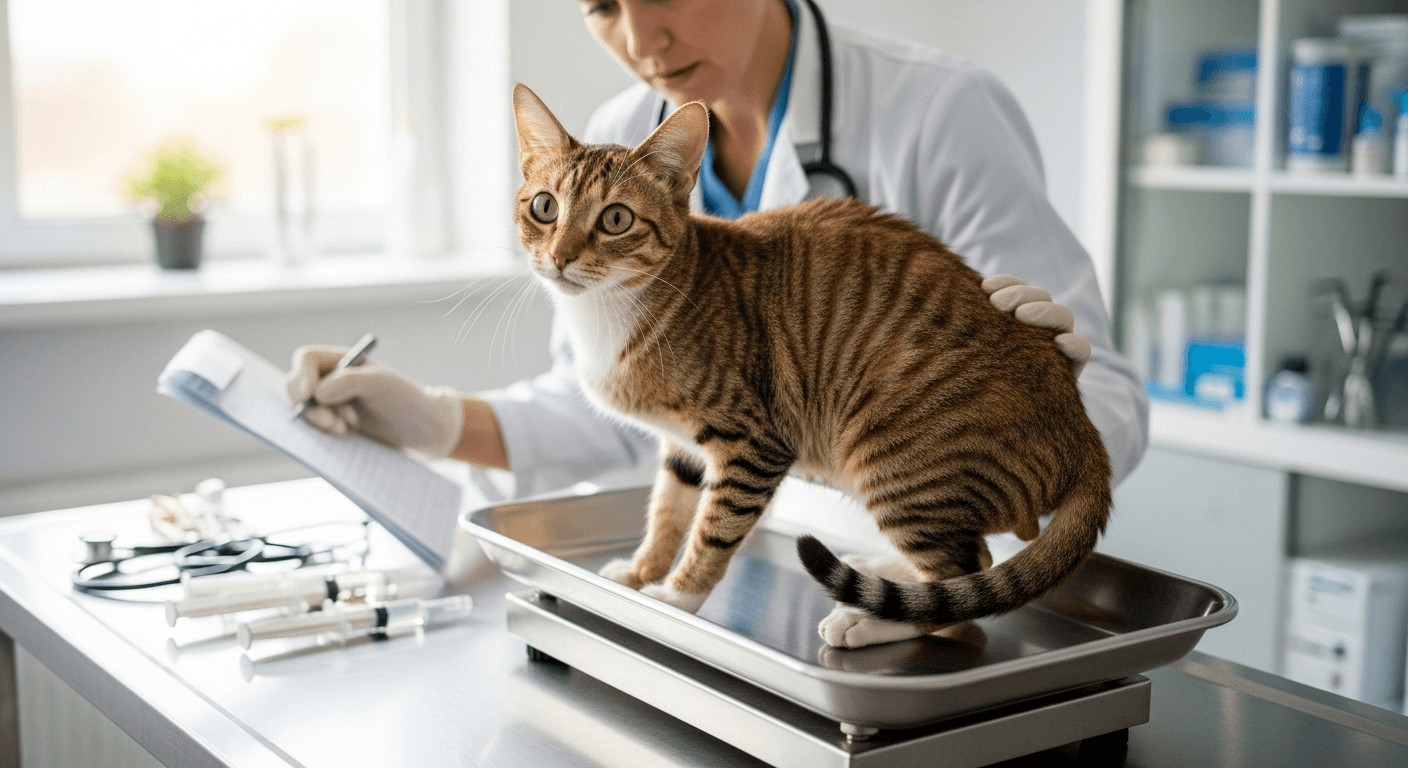
Cat Losing Weight But Still Eating: What's Going On?
When a cat loses weight despite eating well, something is preventing nutrient absorption or burning energy faster than food can supply it. Learn what to look for.
 ✂️ Cat Care
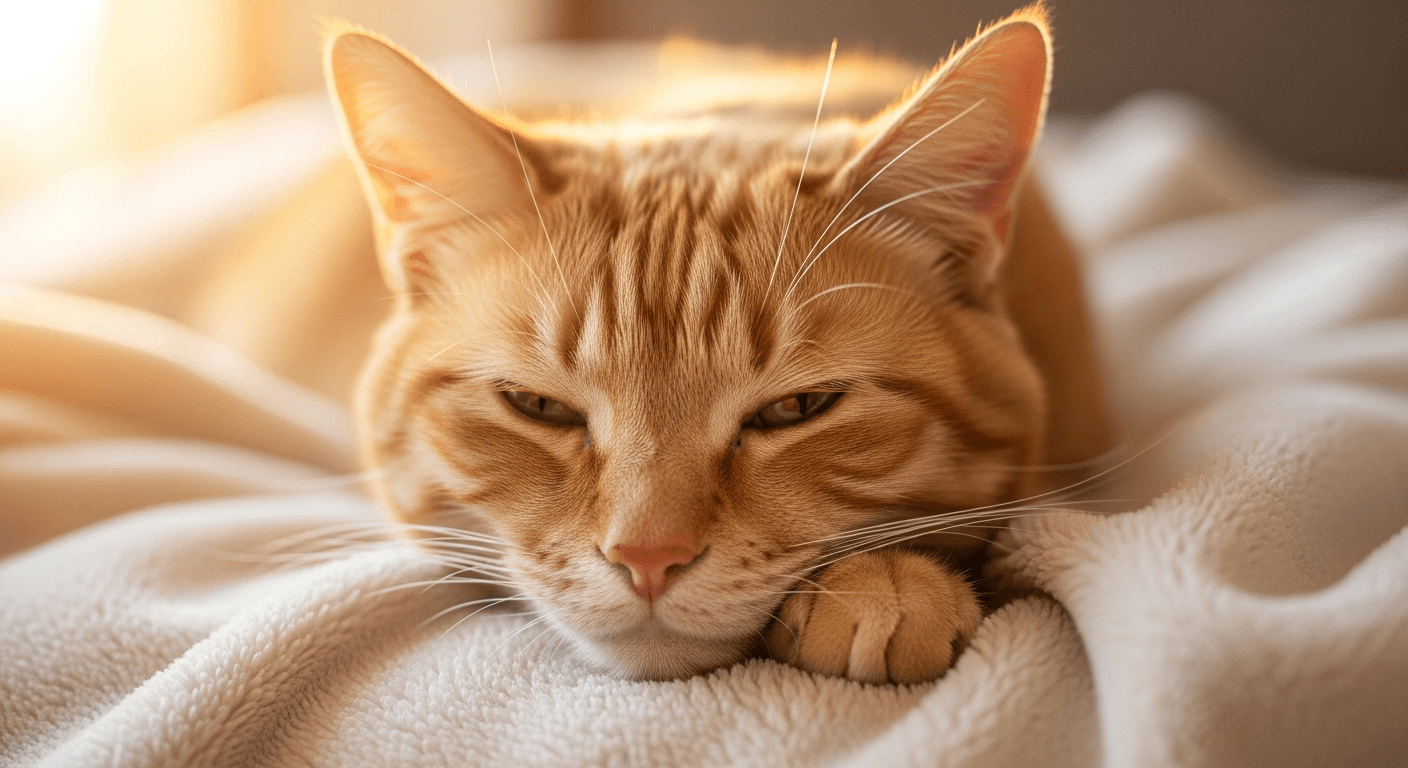
Senior Cat Care Guide: What Changes After Age 10
Cats are considered senior at age 10 and geriatric at 15. Learn how health needs change, which conditions to watch for, and how to keep senior cats comfortable.
 🐱 Cat Health
Cat Not Eating: When Is It an Emergency?
Learn why your cat has stopped eating, which symptoms require immediate vet care, and how to safely encourage appetite at home.