

When Is a Cat "Senior"?
Cats are generally considered senior from age 10 and geriatric from age 15. These distinctions matter because the frequency and type of health monitoring changes significantly with age. A senior cat is at substantially elevated risk for hyperthyroidism, chronic kidney disease (CKD), hypertension, diabetes, dental disease, arthritis, and cancer. The good news is that most of these conditions are manageable when detected early — and detection requires regular screening, not just waiting for symptoms.
First 3 Steps for Senior Cat Care
- Increase vet visits to twice yearly: Annual exams are insufficient for cats over 10. Semi-annual wellness visits allow earlier detection of the conditions listed above. Each visit should include a full physical, blood pressure measurement, and bloodwork (including thyroid panel and kidney values).
- Evaluate the home environment for comfort: Senior cats with arthritis (extremely common — X-rays show arthritis in over 90% of cats over 12) struggle with high-sided litter boxes, elevated food bowls, and limited warm resting spots. Low-entry litter boxes, ramps, and heated orthopedic beds make an enormous quality-of-life difference.
- Establish a weight and body condition baseline: Weigh monthly and track against a baseline. Unexplained weight loss is the number one red flag in senior cats and almost always signals a treatable underlying condition.
Key Conditions to Screen for in Senior Cats
- Hyperthyroidism: weight loss, increased appetite, yowling, hyperactivity
- Chronic kidney disease: weight loss, increased thirst/urination, poor coat
- Hypertension: often secondary to CKD or hyperthyroidism; can cause sudden blindness
- Diabetes: increased thirst/urination, weight loss, poor coat, hind leg weakness
- Arthritis: reluctance to jump, stiffness, reduced grooming of hindquarters
- Dental disease: virtually universal; causes chronic pain and systemic inflammation
When to Go to the Vet Immediately
- Sudden vision loss or bumping into things
- Rapid weight loss over 2–4 weeks
- Sudden changes in behavior (hiding, aggression, disorientation)
- Any vomiting or diarrhea lasting more than 24 hours
Follow-Up Care Checklist
- Blood pressure check at every vet visit from age 10 onward
- Full biochemistry and thyroid panel at least annually; twice yearly if any values are borderline
- Dental cleaning under anesthesia as needed — don't skip it for old cats; modern pre-anesthetic protocols make anesthesia very safe even for seniors
- Pain management for arthritis: discuss meloxicam, gabapentin, or joint support with your vet
Track Senior Health with TailRounds
Monthly weight, daily food intake, water consumption, and litter box frequency are the four metrics that most reliably detect early disease in senior cats. Log all four in the TailRounds Daily Log.
Book a Vet Appointment
If your cat is over 10 and hasn't had a semi-annual checkup recently, book one now. Book a senior cat wellness exam at Happy Paws — including bloodwork, blood pressure, and thyroid screening.
Summary for Your Clinic Visit
Bring your weight tracking data, note any changes in appetite, thirst, activity, or behavior, list all current medications and supplements, and provide the date of last bloodwork and dental cleaning.
Continue Reading
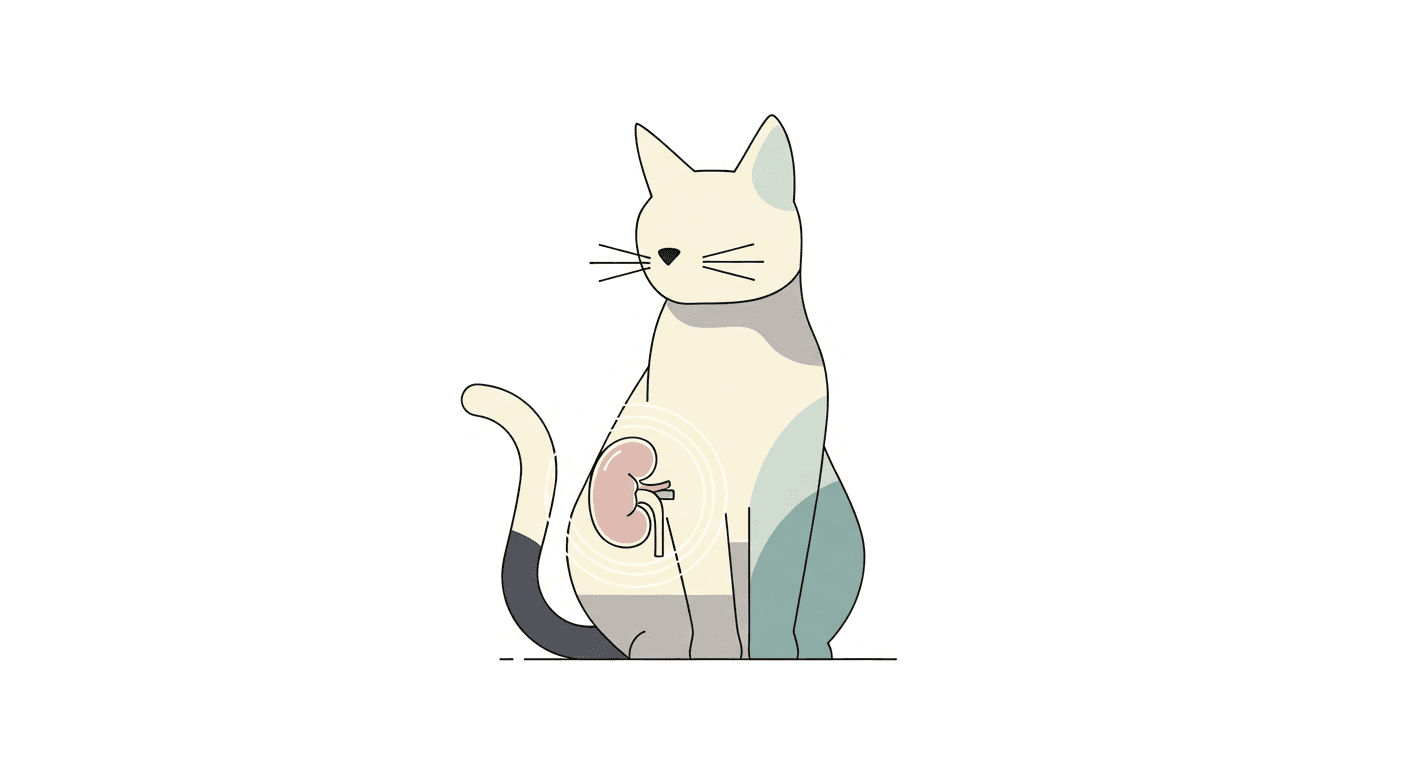 ✂️ Cat Care
Early Kidney Disease in Cats: Signs, Diagnosis, and Management
Chronic kidney disease is the leading cause of death in cats over 12. Learn the earliest signs, how it's diagnosed, and how to slow progression significantly.
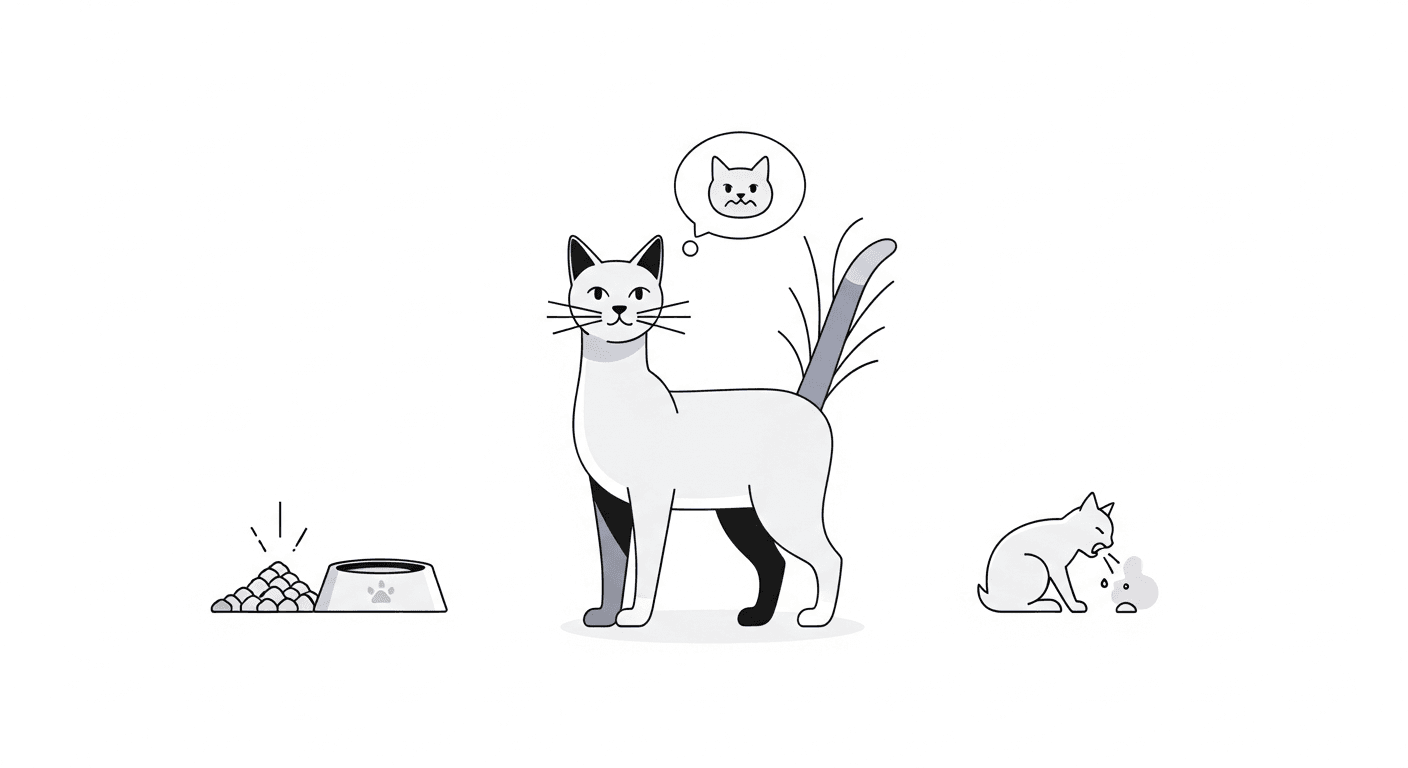 ✂️ Cat Care
Cat Hyperthyroidism: Signs, Treatment Options, and Monitoring
Hyperthyroidism is the most common hormonal disorder in older cats. Learn the signs, understand the four treatment options, and how to monitor your cat.
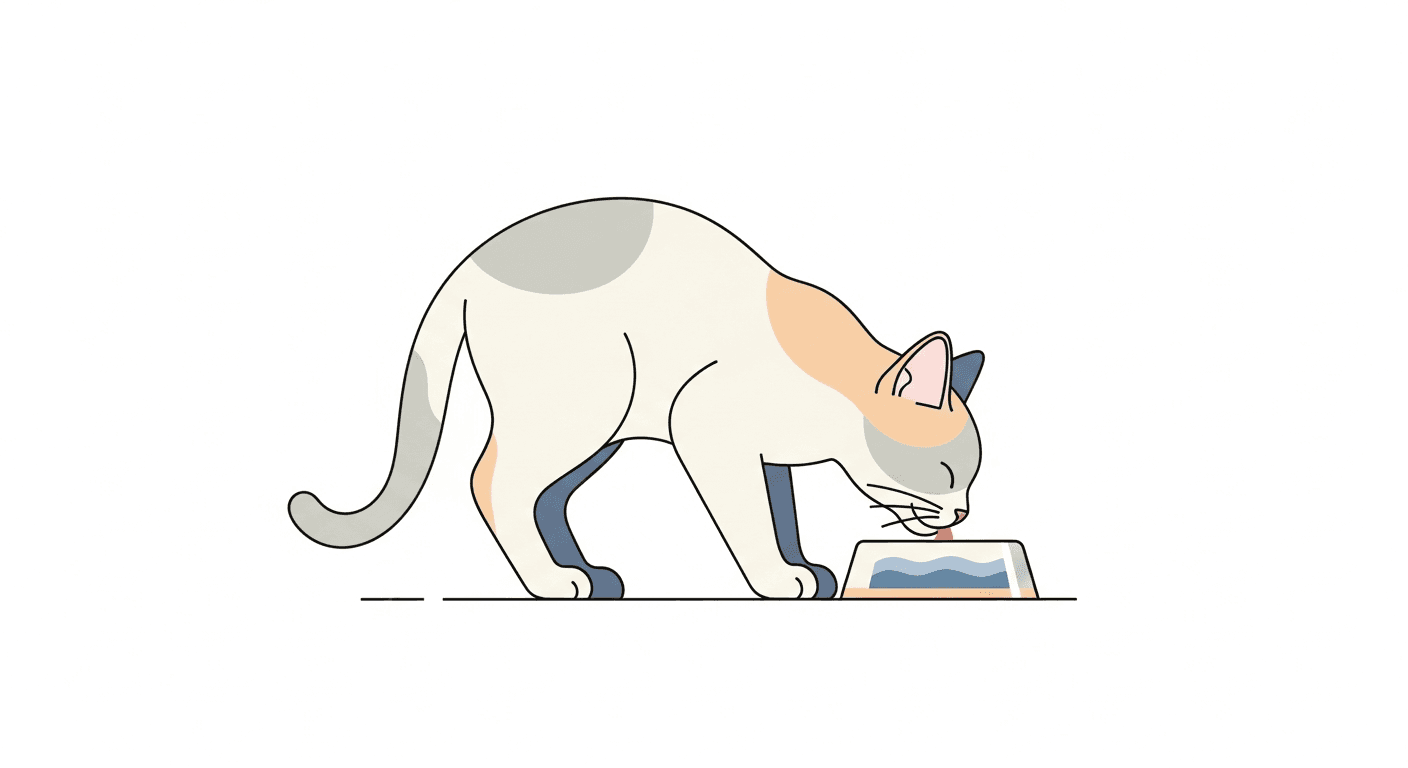 🐱 Cat Health
Cat Drinking More Water Than Usual: Causes and What to Do
Increased thirst in cats — called polydipsia — is a key symptom of kidney disease, diabetes, and hyperthyroidism. Here's how to recognize it and act.
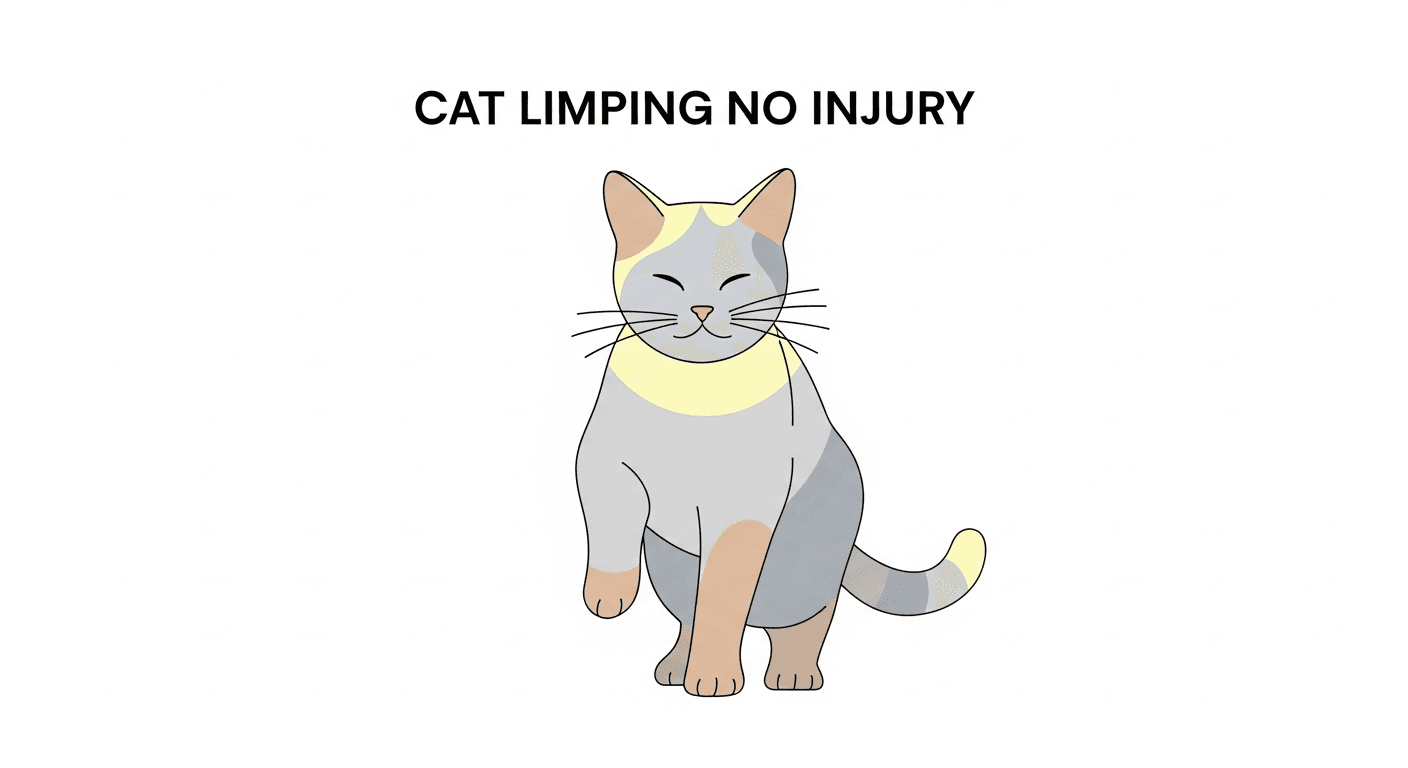 🐱 Cat Health
Cat Limping with No Obvious Injury: Possible Causes
A cat that limps without a visible wound might have arthritis, a pulled muscle, or a bone infection. Learn how to assess limping and when to seek help.