
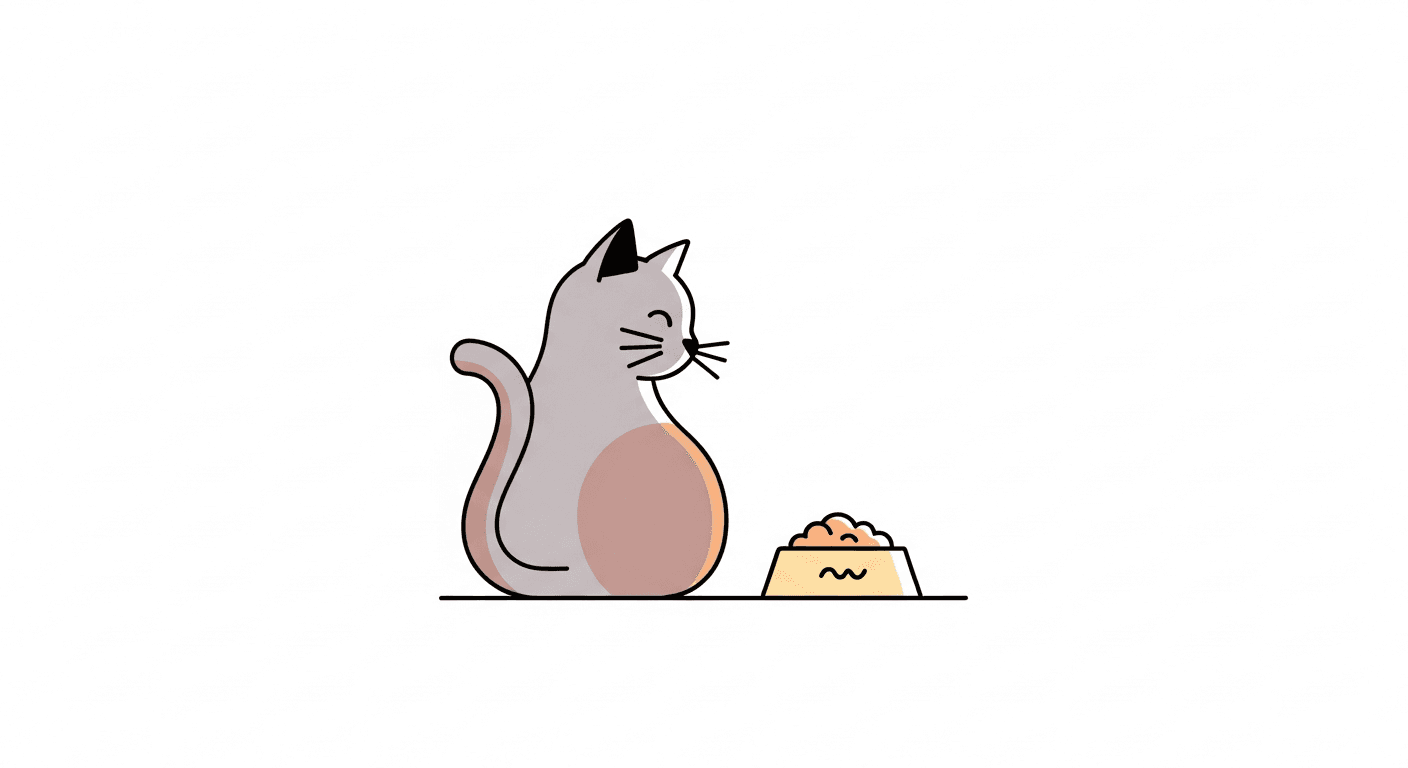
Why Do Cats Refuse Wet Food?
Cats develop strong food preferences through early experience — a kitten raised exclusively on dry kibble may genuinely find wet food unfamiliar and unappealing. The texture, temperature, smell, and consistency are all different. This is not stubbornness — it's a deeply ingrained preference that requires a structured transition rather than an abrupt switch. Trying to force the change by simply removing dry food causes food strikes and risks hepatic lipidosis in cats that go without eating for more than 48 hours.
First 3 Steps to Transition to Wet Food
- Start by offering wet food alongside dry food, not instead of it: Place a small amount of wet food next to the kibble at mealtimes. Don't force the issue. Let the cat investigate voluntarily. This can take several days to two weeks before the cat shows interest.
- Warm the wet food slightly: Refrigerator-cold wet food has reduced odor. Warming to just below body temperature releases aroma and makes it far more appealing. Never microwave directly — stir and test temperature.
- Try different textures and proteins: Some cats prefer pâté to chunky; some prefer chicken over fish. The "right" wet food for a specific cat requires some experimentation. Sample packs allow testing multiple options without waste.
When to See the Vet
- Cat is not eating anything — wet or dry — for more than 24 hours during the transition
- Weight loss or lethargy during transition
- Transition is medically necessary (kidney disease, urinary crystals) and the cat is refusing all wet options despite weeks of effort
Follow-Up Care Checklist
- Gradually increase wet food proportion over 2–4 weeks while decreasing dry food
- Consider mixing a tiny amount of the cat's current dry food into wet food initially to bridge familiarity
- For medical transitions (renal, urinary), work with your vet on prescription wet food options that may have better acceptance profiles
Track Food Acceptance with TailRounds
Log daily food offerings, types tried, and amounts eaten during the transition using the TailRounds Daily Log. This helps identify what's working.
Book a Vet Appointment
If wet food is medically required and the cat is refusing all options, book a dietary consultation at Happy Paws for professional guidance and prescription food options.
Summary for Your Clinic Visit
Tell your vet why the wet food transition is needed, which products you've tried, the cat's response, and whether appetite has been normal throughout the transition.
Continue Reading
 ✂️ Cat Care
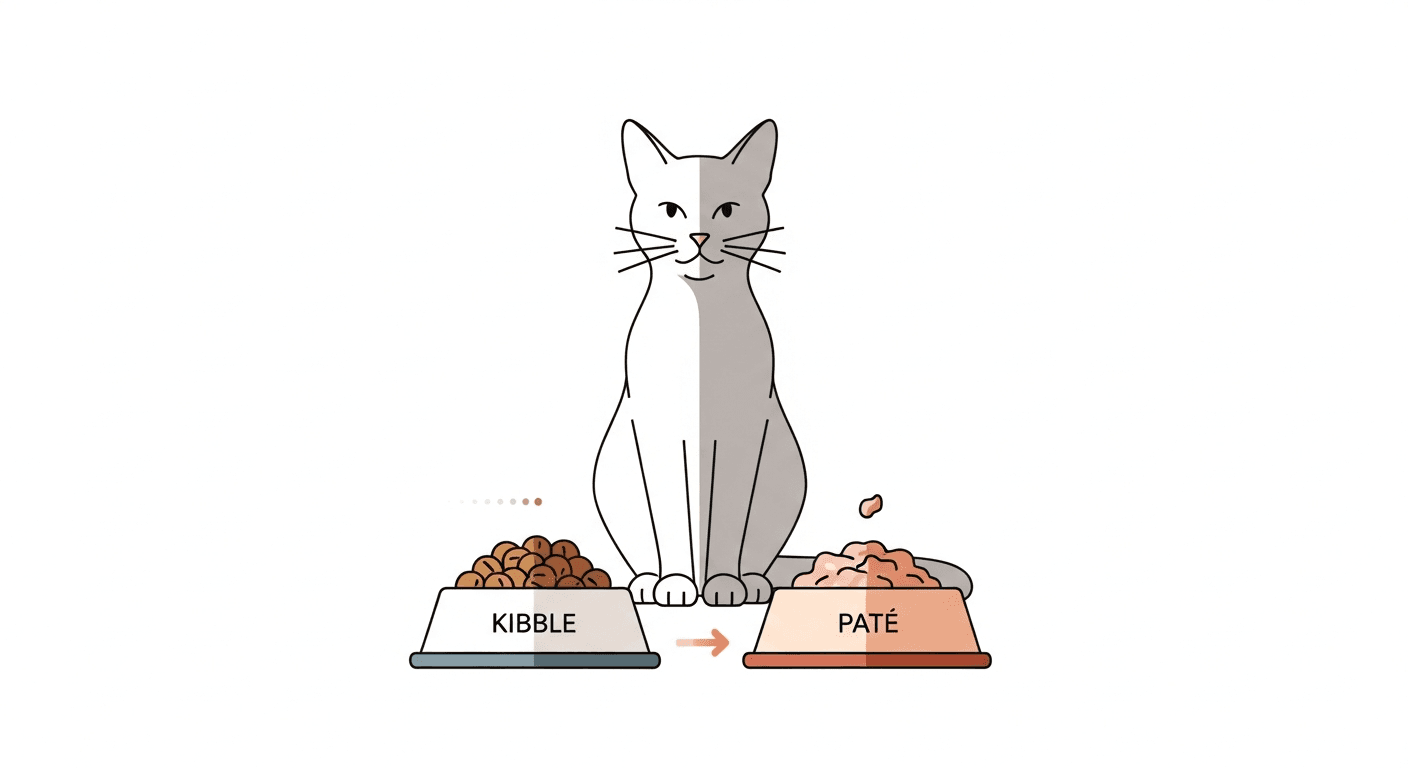
How to Change Your Cat's Food Without Causing Stomach Upset
Abrupt food changes cause vomiting and diarrhea in cats. Learn the right way to transition between foods, whether for medical reasons or a routine upgrade.
 🐱 Cat Health
Cat Not Eating: When Is It an Emergency?
Learn why your cat has stopped eating, which symptoms require immediate vet care, and how to safely encourage appetite at home.
 ✂️ Cat Care
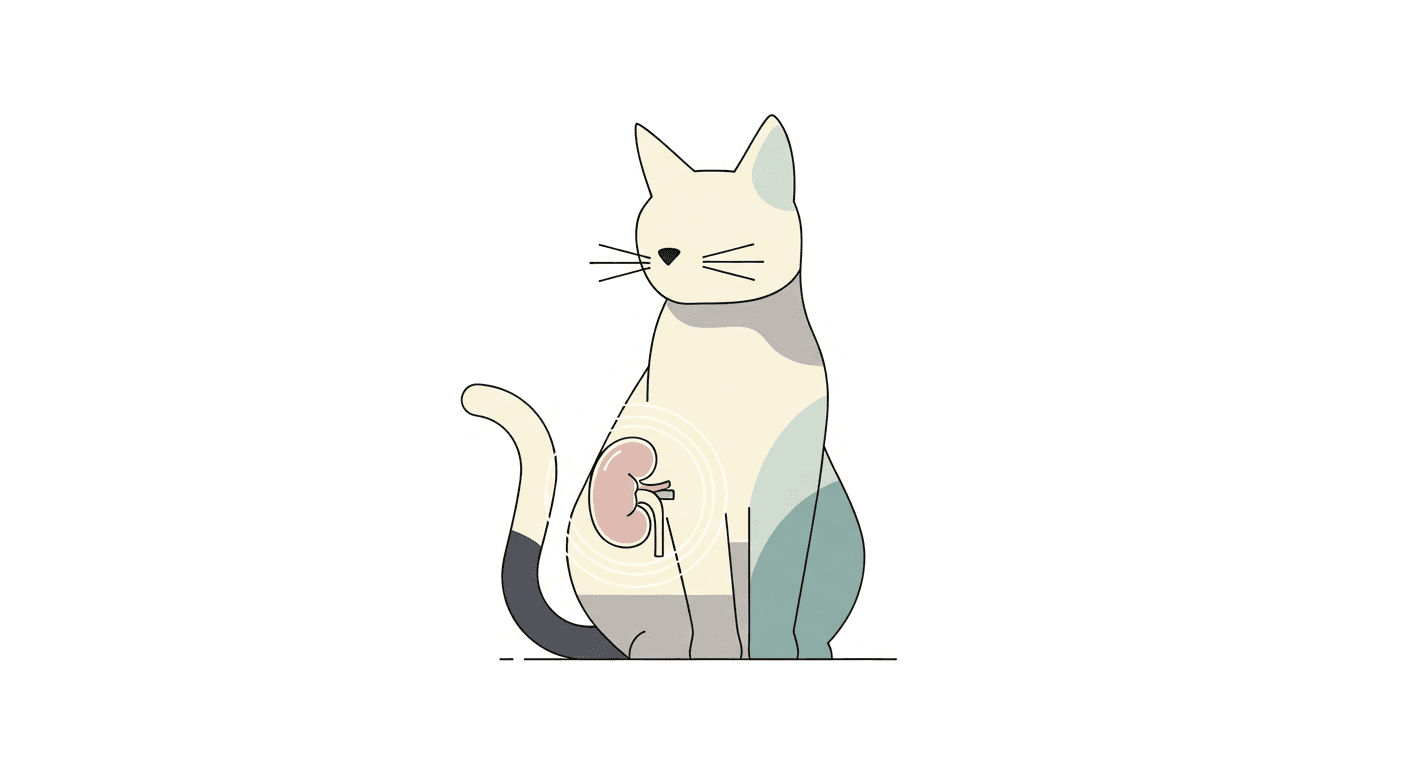
Early Kidney Disease in Cats: Signs, Diagnosis, and Management
Chronic kidney disease is the leading cause of death in cats over 12. Learn the earliest signs, how it's diagnosed, and how to slow progression significantly.
 ✂️ Cat Care
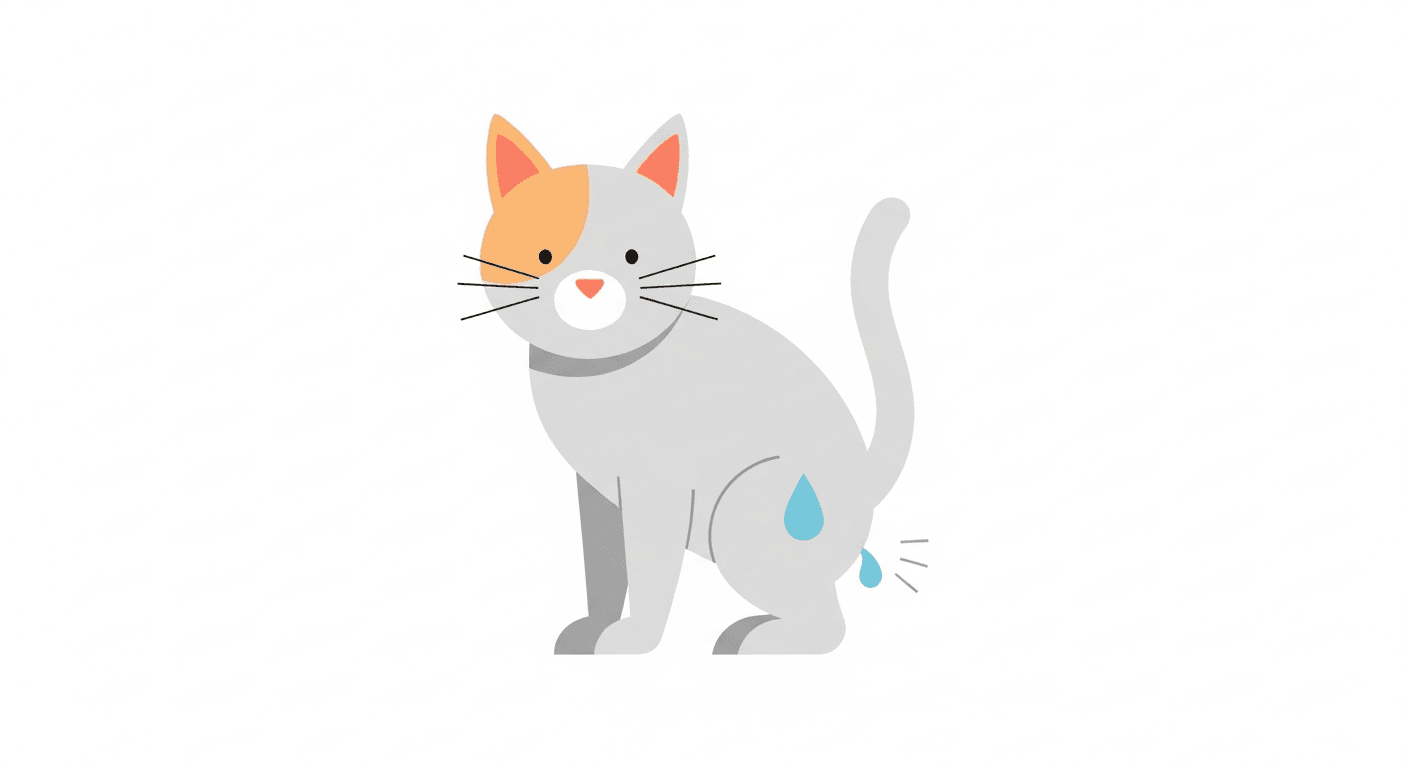
Cat Urinary Blockage: A Life-Threatening Emergency — Signs and Action
A blocked cat cannot urinate and will die within 24–72 hours without treatment. Know the signs so you can act in time.