

What Types of Wounds Do Cats Get?
Cats sustain wounds from fights with other cats (bites, scratches), accidents (lacerations from fences, glass), and self-inflicted damage from scratching at skin conditions. The type of wound determines the urgency: superficial scratches with no bleeding can often be managed at home. Bite wounds are deceptively dangerous — a small puncture on the surface can track deeply into tissue, creating a warm, moist pocket ideal for bacteria to multiply. Cat bite abscesses develop within 24–72 hours and are extremely painful.
First 3 Steps for Wound Care at Home
- Clip hair around the wound: Using small scissors, carefully clip the fur around the wound's edges. This allows you to see the wound's extent clearly and prevents hair from contaminating it.
- Flush gently with saline or clean water: Use a syringe or turkey baster to gently irrigate the wound with sterile saline or clean (ideally boiled and cooled) water. This removes debris and significantly reduces bacterial load. Do not use hydrogen peroxide — it damages tissue and delays healing.
- Assess whether veterinary care is needed: Small superficial cuts that stop bleeding can be managed at home with gentle cleaning and monitoring. Bite wounds, wounds with significant depth, wounds that won't stop bleeding, and any wound showing swelling or heat 24 hours later need veterinary treatment.
When to Go to the Vet Immediately
- Any bite wound — these virtually always abscess without antibiotics
- Wounds that are deep, gaping, or involving a joint
- Bleeding that won't stop with 5–10 minutes of gentle pressure
- Wound with signs of infection: swelling, heat, discharge, odor, or red streaking
- Cat seems in pain, lethargic, or is not eating after an injury
Follow-Up Care Checklist
- Complete the full antibiotic course prescribed — stopping early allows resistant bacteria to regrow
- Keep the wound area clean and check twice daily for signs of abscess formation (growing swelling, warmth)
- Use an e-collar to prevent licking — saliva introduces bacteria and delays healing
- Abscess wounds that need flushing: follow the vet's wound care protocol exactly
Track Wound Healing with TailRounds
Photograph the wound at the same time each day and log wound appearance, drainage, and the cat's energy level using the TailRounds Daily Log. Healing wounds should show improvement daily.
Book a Vet Appointment
Bite wounds in particular should never be watched at home without antibiotics. Book at Happy Paws for wound assessment, flushing, and appropriate antibiotic therapy.
Summary for Your Clinic Visit
Tell your vet how the wound was sustained, when it occurred, what the wound looks like, what first aid you've already applied, and whether the cat's behavior has changed since the injury.
Continue Reading
 ✂️ Cat Care
Cat Post-Surgery Care: A Complete Recovery Guide
After any surgical procedure, proper home care determines recovery speed. Learn the key steps, what to watch for, and how to prevent complications.
 ✂️ Cat Care
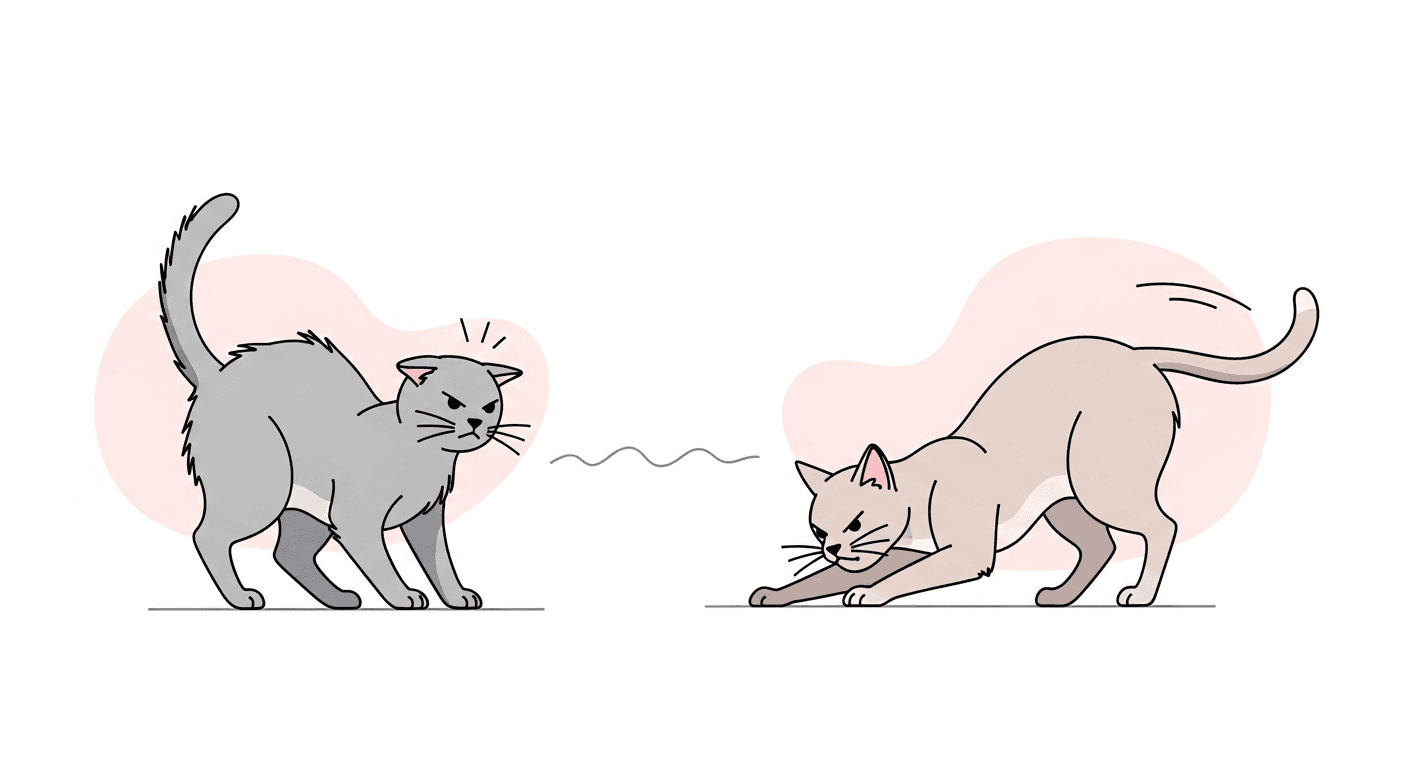
Cat-to-Cat Aggression: Why Cats Fight and How to Help
Inter-cat aggression ranges from play-fighting to serious injury. Learn to tell them apart and manage multi-cat household conflict effectively.
 🐱 Cat Health
Cat Limping with No Obvious Injury: Possible Causes
A cat that limps without a visible wound might have arthritis, a pulled muscle, or a bone infection. Learn how to assess limping and when to seek help.
 ✂️ Cat Care
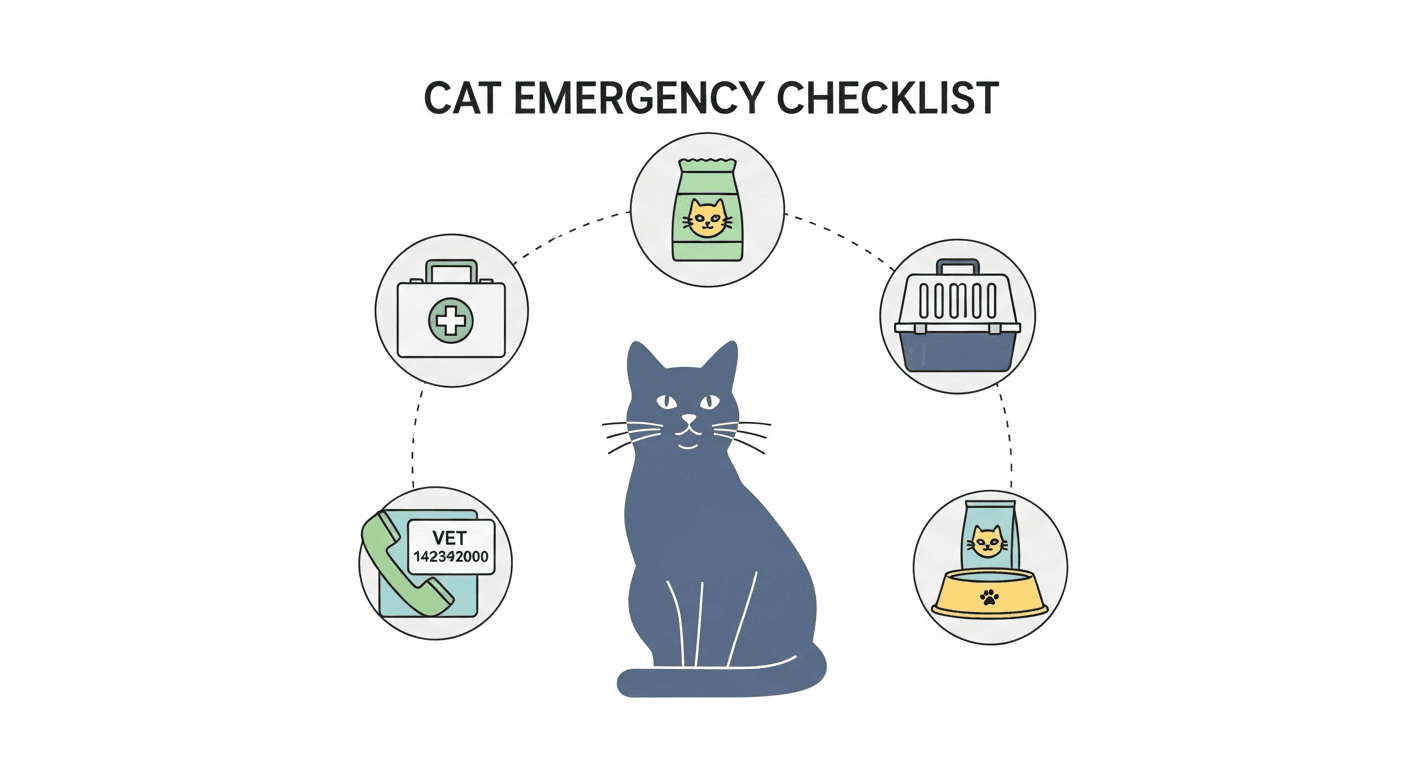
Cat Emergency Checklist: Be Prepared Before It Happens
Emergencies happen without warning. Know your emergency vet, have a first aid kit, and understand which symptoms need immediate action versus monitoring.