
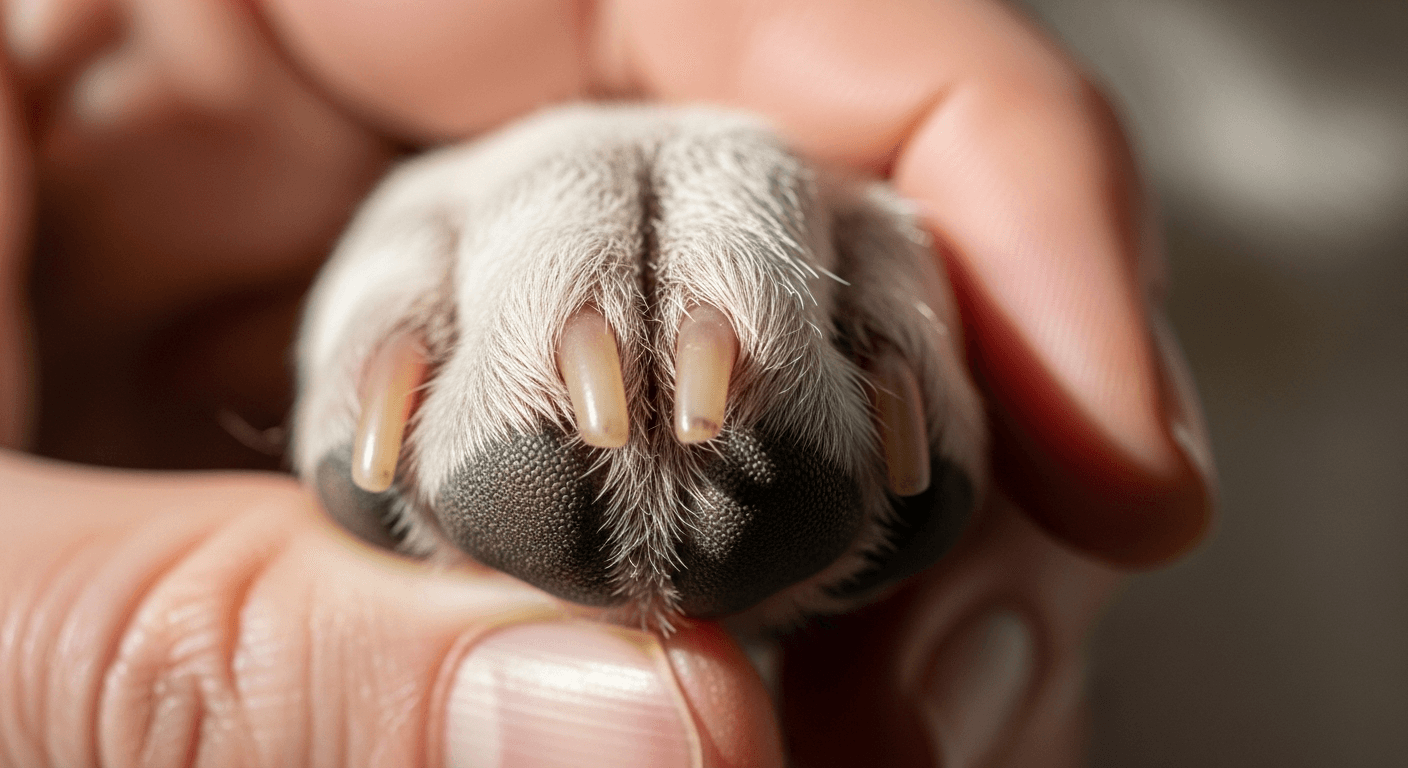
What Are Dog Skin Allergies?
Skin allergies — known medically as canine atopic dermatitis — are one of the most common chronic conditions vets treat in dogs. The immune system over-reacts to something harmless in the environment (pollen, dust mites, mold) or in the diet, triggering intense itching, skin inflammation, and secondary infections. It's important to understand that most dogs with skin allergies don't just have one type — environmental allergies and food allergies often co-exist, and flea allergy dermatitis can layer on top of both. Management is usually long-term, but modern treatments have dramatically improved quality of life for allergic dogs.
Signs Your Dog May Have Skin Allergies
Common symptoms include: persistent scratching (especially paws, ears, belly, groin, armpits), red or darkened skin, hair loss in scratched areas, recurring ear infections, recurrent hot spots, and a reddish-brown staining of the fur where your dog licks. Many allergy dogs also have gastrointestinal symptoms alongside skin signs — loose stools or vomiting. Seasonal patterns (worse in spring/fall) strongly suggest environmental allergies, while year-round symptoms may indicate food allergy or dust mite allergy.
First 3 Steps You Can Take at Home
- Start with rigorous flea control: Even if you don't see fleas, implement monthly flea prevention on every pet in the household and treat the home environment. A single flea bite can trigger weeks of symptoms in a flea-allergic dog. This step is non-negotiable before investigating other allergy causes, because flea allergy is so common that it must be ruled out first. Use a vet-recommended product rather than over-the-counter options — some have significantly lower efficacy.
- Try a food elimination trial if symptoms are year-round: True food elimination trials require feeding a novel protein and carbohydrate source (one your dog has never eaten before) strictly for 8–12 weeks — no treats, no human food, no flavored supplements. This is the only reliable way to diagnose food allergy. Common culprits include beef, chicken, dairy, and wheat — the most frequently fed ingredients. Hydrolyzed protein prescription diets are the gold standard for elimination trials.
- Rinse and reduce allergen load at home: Daily paw rinses after outdoor exposure, fragrance-free laundry detergent for bedding, regular vacuuming with a HEPA filter, washing your dog's bedding weekly in hot water, and avoiding synthetic perfumes and air fresheners can all significantly reduce the allergen burden your dog is exposed to daily. It won't cure the allergy, but it often reduces symptoms enough to improve quality of life noticeably.
When to Go to the Vet Immediately
- Open wounds, bleeding, or severe skin infections (hot, swollen, painful, pus)
- Scratching severe enough to interrupt sleep or eating
- Sudden swelling of face or throat alongside skin reaction — allergic emergency
- New symptom: severe ear inflammation or painful ears alongside skin issues
Follow-Up Care Checklist
- ☐ Implement flea prevention on all household pets — monthly, without gaps
- ☐ Try an 8-week elimination diet if year-round symptoms and no fleas
- ☐ Wash dog bedding weekly on a hot cycle
- ☐ Switch to fragrance-free cleaning and laundry products
- ☐ Consider allergy testing (intradermal or blood) via your vet for targeted treatment
- ☐ Ask your vet about newer targeted itch treatments (Apoquel, Cytopoint) — they're very effective
📋 Log This With TailRounds
A detailed allergy diary — logging itch scores, location, weather, foods eaten, and walks taken — in the TailRounds daily log is one of the most powerful tools in diagnosing what your dog is reacting to. Patterns emerge over weeks of data.
Start Free →Book a Vet Appointment
Skin allergies are rarely something you can fully manage without veterinary guidance. Allergy testing, prescription diets, and targeted medications like Apoquel or Cytopoint can transform life for an allergic dog. Getting the right diagnosis is the first step. Book an appointment at Happy Paws Veterinary Clinic — same-week slots are usually available.
Summary for Your Clinic
Pet concern: Dog Skin Allergies
Symptoms: Itching [location], [seasonal or year-round], [any secondary infections], [ear involvement]
Flea prevention: [up to date / brand used]
Diet trials attempted: [yes/no], current food
Questions for vet: Should we do allergy testing? Is Apoquel or Cytopoint appropriate? Can we do a food trial?
Related Articles
Continue Reading
 🐕 Dog Health
Dog Itching and Scratching: Likely Reasons
Discover why your dog keeps scratching — from fleas and allergies to dry skin and infections. Practical home care and vet advice.
 🐕 Dog Health
Dog Hot Spots: Early Treatment Steps
What dog hot spots are, why they happen, and the step-by-step approach to treating them at home before they spread.
 🐕 Dog Health
Dog Licking Paws Constantly: Causes and Care
Why dogs obsessively lick their paws, what it usually means, and how to get them to stop — with home care and vet guidance.
 🐕 Dog Health
Dog Hair Loss Patches: Causes and Care
Patchy hair loss in dogs — the most common causes from mange and ringworm to allergies and hormonal disease, and how each is treated.
 🐕 Dog Health
Dog Flea Treatment Guide
The complete guide to treating dog fleas — product types, treating the home, and preventing reinfestation effectively.