
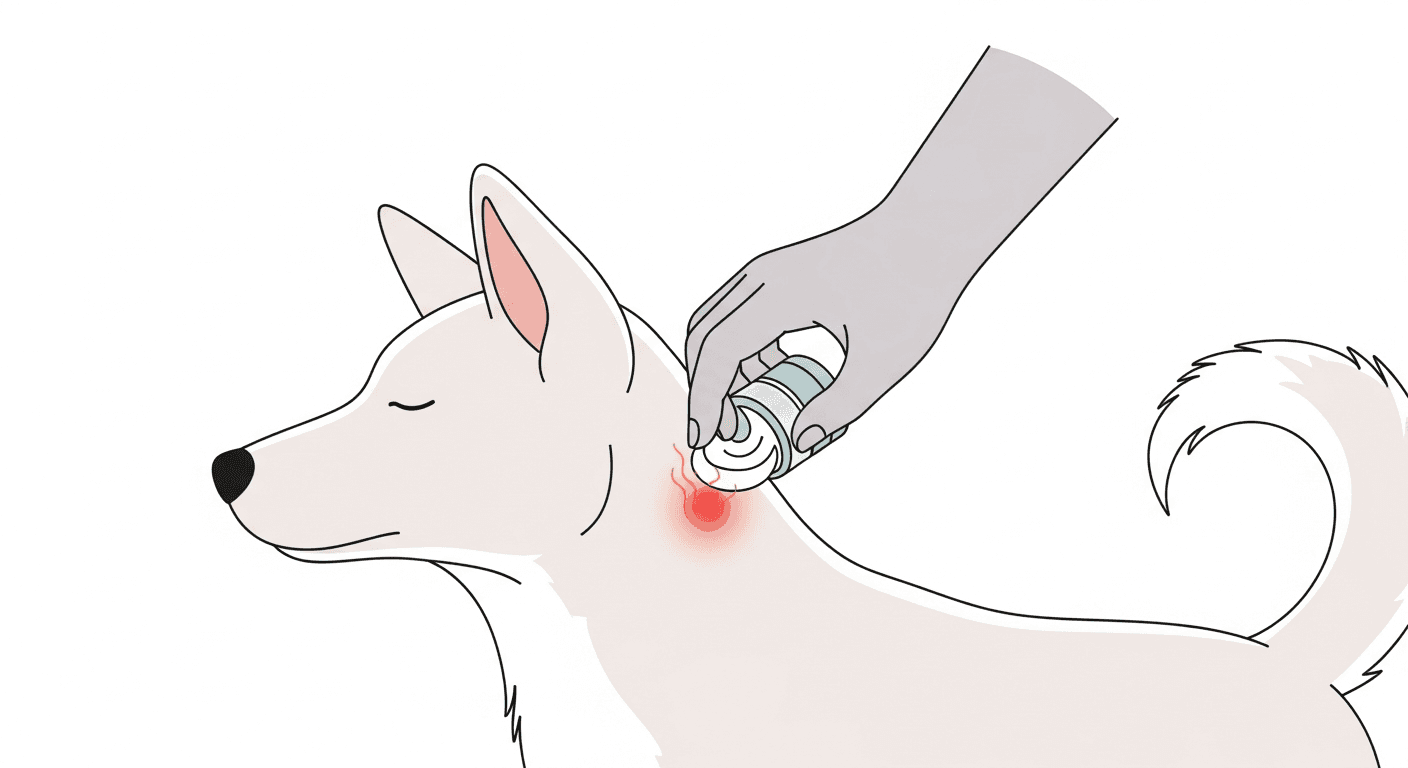
What Are Dog Hot Spots?
A hot spot — also called acute moist dermatitis — is a localized area of inflamed, infected, rapidly spreading skin that appears suddenly, often seemingly overnight. It typically starts as a small area your dog scratches, licks, or chews obsessively, causing skin trauma that allows bacteria to infect the damaged tissue. The result is a red, moist, weeping, often smelly lesion that can double in size within hours if left alone. Hot spots are more common in dogs with thick or long coats, in humid weather, and in dogs who are prone to allergies or ear infections. They're painful — and the more the dog licks, the worse they get.
First 3 Steps You Can Take at Home
- Clip the fur around the spot and clean it: The most critical first step is revealing the full extent of the hot spot by shaving or carefully trimming the fur around it. Hot spots are almost always larger than they appear through the coat. Use blunt-tipped scissors or electric clippers if your dog tolerates it. Then clean the area gently with dilute chlorhexidine solution (available at pet stores) or saline. Do not use hydrogen peroxide or alcohol — they damage healing tissue.
- Stop the licking — immediately: An Elizabethan collar (cone) or a dog donut collar is non-negotiable. Every lick re-infects the wound and removes the treatment you just applied. I know dogs hate cones, but even a few hours without interference can make a dramatic difference to how quickly a hot spot heals. Body wraps or recovery suits are an alternative if the hot spot is on the body rather than the face.
- Apply an appropriate topical and keep it dry: Your vet may prescribe a topical antibiotic/steroid spray or cream. If you're handling things at home short-term while waiting for a vet appointment, keeping the spot clean and dry is the priority. Do not cover with a bandage (this traps moisture and worsens infection). A light, cool air stream from a fan can help dry out the lesion. The lesion should show improvement — smaller, less weeping, developing a crust — within 24–48 hours of proper treatment.
When to Go to the Vet Immediately
- Hot spot growing rapidly (more than 50% larger within 12 hours)
- Spreading hot spot that looks deep, has thick pus, or is on the face/near an eye
- Fever alongside the skin lesion
- Your dog is in extreme pain or won't let you near the area
Follow-Up Care Checklist
- ☐ Keep the cone on until the wound is fully healed and dry — usually 1–2 weeks
- ☐ Keep the area clean and dry — check twice daily
- ☐ Complete any prescribed antibiotic course in full
- ☐ Investigate the underlying trigger — allergies, wet coat, insect bite, ear infection?
- ☐ For dogs prone to hot spots: dry thoroughly after swimming/bathing, keep coat trimmed
- ☐ Follow up with vet if not significantly improved within 3–4 days
📋 Log This With TailRounds
Log hot spot location, size, and daily progress photos in the TailRounds daily log. This helps you track whether it's healing properly and gives your vet a clear picture at follow-up.
Start Free →Book a Vet Appointment
Hot spots that are large, rapidly spreading, or in a location you can't treat easily (near the eyes, in the groin, or in thick fur) need professional treatment. A vet can clip the area properly, prescribe systemic antibiotics if needed, and identify the underlying trigger to prevent recurrence. Book an appointment at Happy Paws Veterinary Clinic — same-week slots are usually available.
Summary for Your Clinic
Pet concern: Dog Hot Spot
Location: [body area], size: approximately [cm], appearance: [moist/crusty/spreading]
Home treatment: Clipped fur, cleaned, cone applied
Suspected trigger: [allergy / ear infection / unknown]
Questions for vet: Do we need systemic antibiotics? What's the underlying cause?
Related Articles
Continue Reading
 🐕 Dog Health
Dog Skin Allergies: Signs and Home Support
How to recognize dog skin allergies, tell them apart from infections, and support your dog at home while working toward a diagnosis.
 🐕 Dog Health
Dog Itching and Scratching: Likely Reasons
Discover why your dog keeps scratching — from fleas and allergies to dry skin and infections. Practical home care and vet advice.
 🐕 Dog Health
Dog Hair Loss Patches: Causes and Care
Patchy hair loss in dogs — the most common causes from mange and ringworm to allergies and hormonal disease, and how each is treated.
 🐕 Dog Health
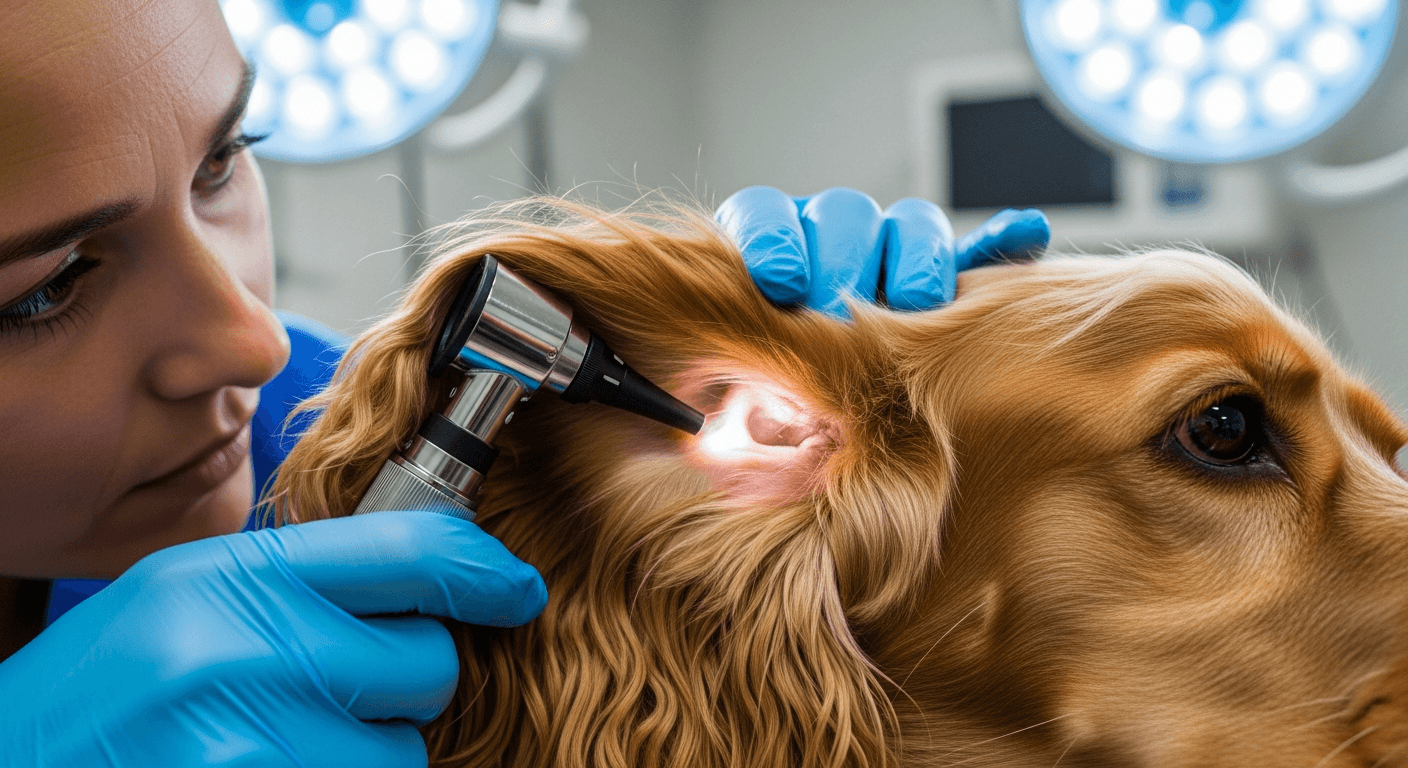
Dog Ear Infection Signs Every Owner Should Know
How to recognize a dog ear infection early, first steps you can take, and why prompt treatment prevents serious complications.