

What Causes Dog Itching and Scratching?
Itching — medically called pruritus — is one of the top complaints in veterinary dermatology. Dogs scratch for many reasons: fleas, allergies (environmental or food-based), dry skin, skin infections, mange, or even anxiety. The tricky part is that all these causes can look nearly identical from the outside. A dog with flea allergy dermatitis and a dog with a food allergy both scratch their ears, chew their paws, and develop hot spots. Figuring out the root cause requires careful attention to patterns — when it started, what time of year, where on the body, and what else changed.
First 3 Steps You Can Take at Home
- Do the flea comb test: Even if you don't see fleas, do a thorough flea comb through your dog's coat over a white piece of paper. Flea dirt (tiny dark specks that turn reddish-brown when wet) is a dead giveaway. Flea allergy dermatitis is incredibly common and caused by just one flea bite — you don't need an infestation for the reaction. If any flea evidence is found, treat all pets in the household and the home environment simultaneously.
- Look at what changed 4–6 weeks ago: Allergic reactions have a delay. New food, new laundry detergent on their bedding, a new seasonal plant in the garden, or even a different brand of flea treatment could be the trigger. Seasonal itching (worse in spring/summer, better in winter) strongly suggests environmental allergies. Year-round itching points more toward food or dust mite allergy.
- Check the skin under the fur: Part the coat in affected areas and look at the skin directly. Redness, bumps, crusting, dandruff, or a foul smell all point toward a skin infection (bacterial or yeast) that's either primary or secondary to the scratching. Hot, moist areas between toes, in ear canals, and in skin folds are particularly prone to yeast overgrowth.
When to Go to the Vet Immediately
Some symptoms require urgent veterinary attention. Do not wait — call your vet if you see:
- Open wounds or self-trauma from scratching — risk of serious infection
- Rapid hair loss in large patches alongside the itching
- Head shaking alongside ear scratching — may signal an ear infection that can progress to rupture
- Itching so intense it disrupts sleep and normal activity
- Swelling of the face, eyes, or throat alongside itching — potential allergic reaction emergency
Follow-Up Care Checklist
- ☐ Start or review monthly flea prevention — even for indoor dogs
- ☐ Wash all bedding and vacuuum carpets/furniture if fleas are suspected
- ☐ Consider a 6–8 week food elimination diet if food allergy is suspected (vet guidance needed)
- ☐ Use only fragrance-free, pet-safe laundry detergent for dog bedding
- ☐ Keep a scratching diary: time of day, location on body, triggers noted
- ☐ Keep nails short to reduce skin damage from scratching
📋 Log This With TailRounds
Itching diaries are invaluable for allergy diagnosis. Log scratching intensity, location, and anything unusual in the TailRounds daily log. Your vet will be able to identify seasonal vs. food-based patterns much more quickly with this data.
Start Free →Book a Vet Appointment
Chronic itching is rarely self-resolving when there's an underlying allergy or infection. A skin scraping, cytology, or allergy testing can pinpoint the cause and lead to targeted treatment rather than guesswork. Book an appointment at Happy Paws Veterinary Clinic — same-week slots are usually available.
Summary for Your Clinic
Pet concern: Dog Itching and Scratching
Symptoms: Constant scratching, [location: paws/ears/belly/back], [with/without visible skin changes]
Home steps taken: Flea comb check, reviewed diet/bedding changes
Duration: Began approximately [X weeks/months] ago
Questions for vet: Is this likely allergies or infection? Should we do a food trial? What's the safest long-term itch management?
Related Articles
Continue Reading
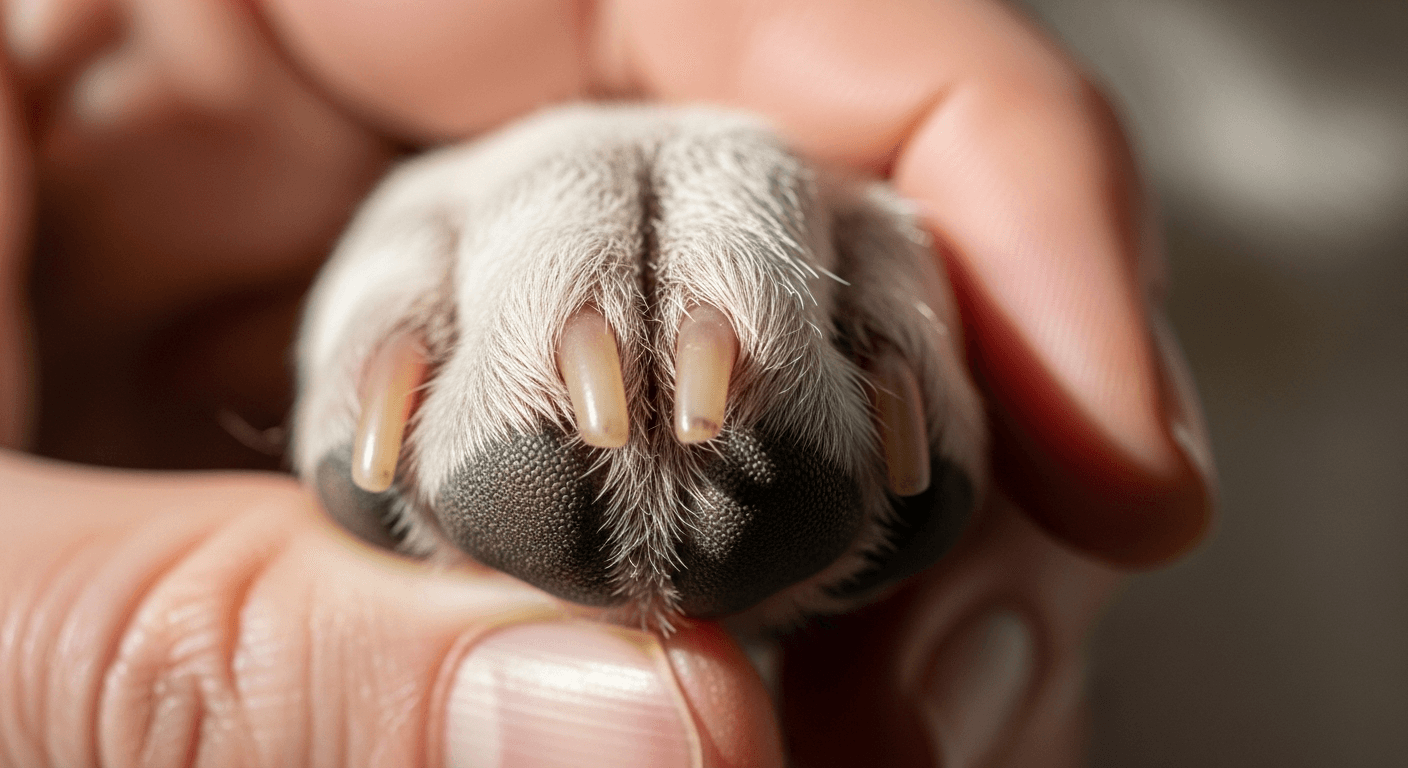 🐕 Dog Health
Dog Skin Allergies: Signs and Home Support
How to recognize dog skin allergies, tell them apart from infections, and support your dog at home while working toward a diagnosis.
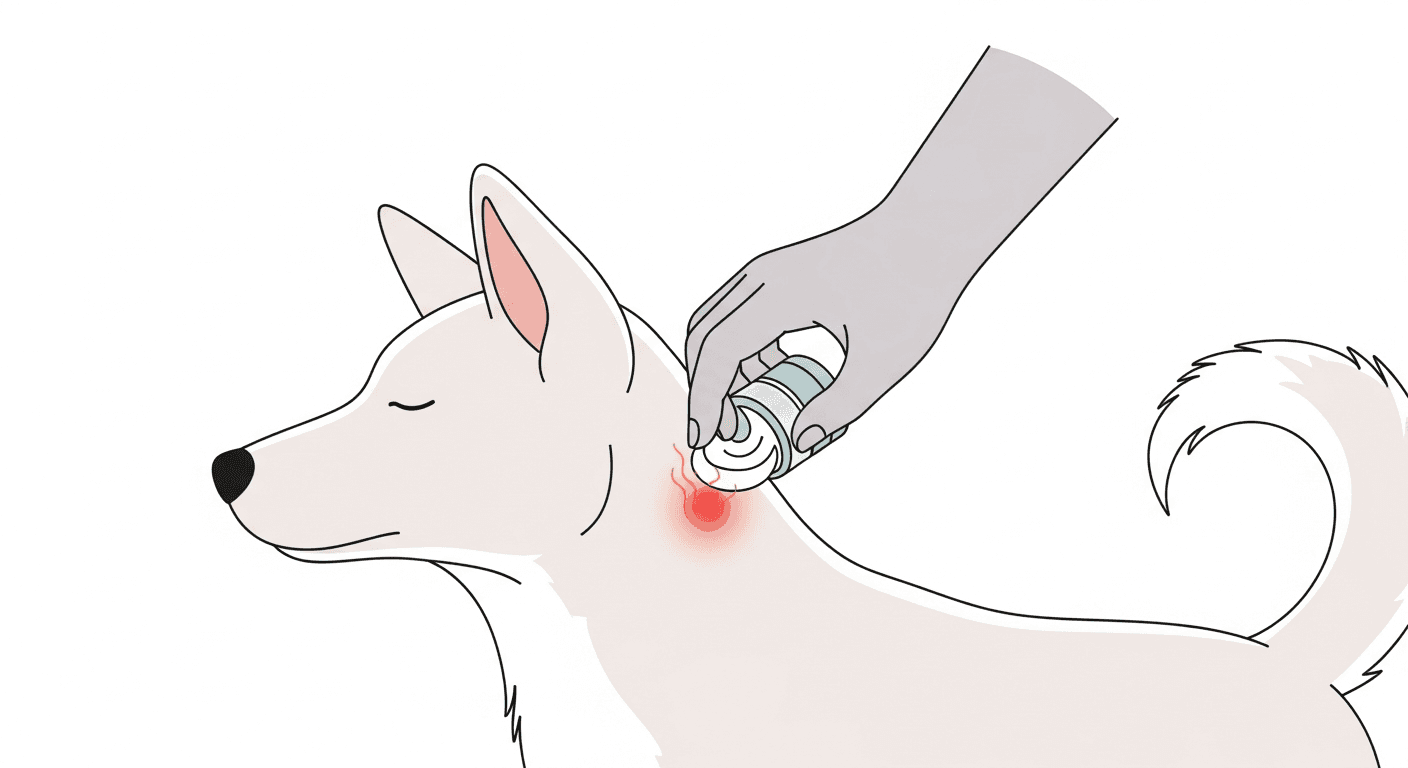 🐕 Dog Health
Dog Hot Spots: Early Treatment Steps
What dog hot spots are, why they happen, and the step-by-step approach to treating them at home before they spread.
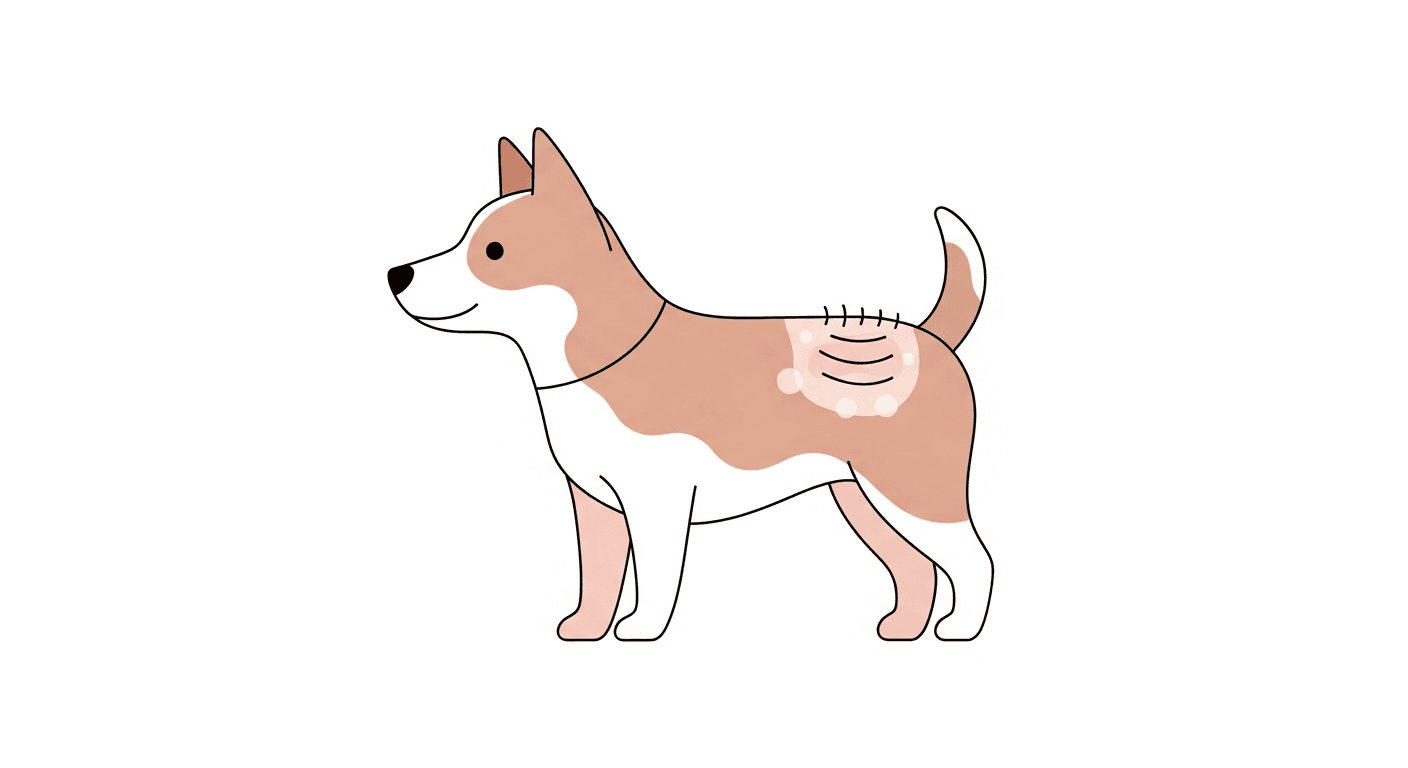 🐕 Dog Health
Dog Hair Loss Patches: Causes and Care
Patchy hair loss in dogs — the most common causes from mange and ringworm to allergies and hormonal disease, and how each is treated.
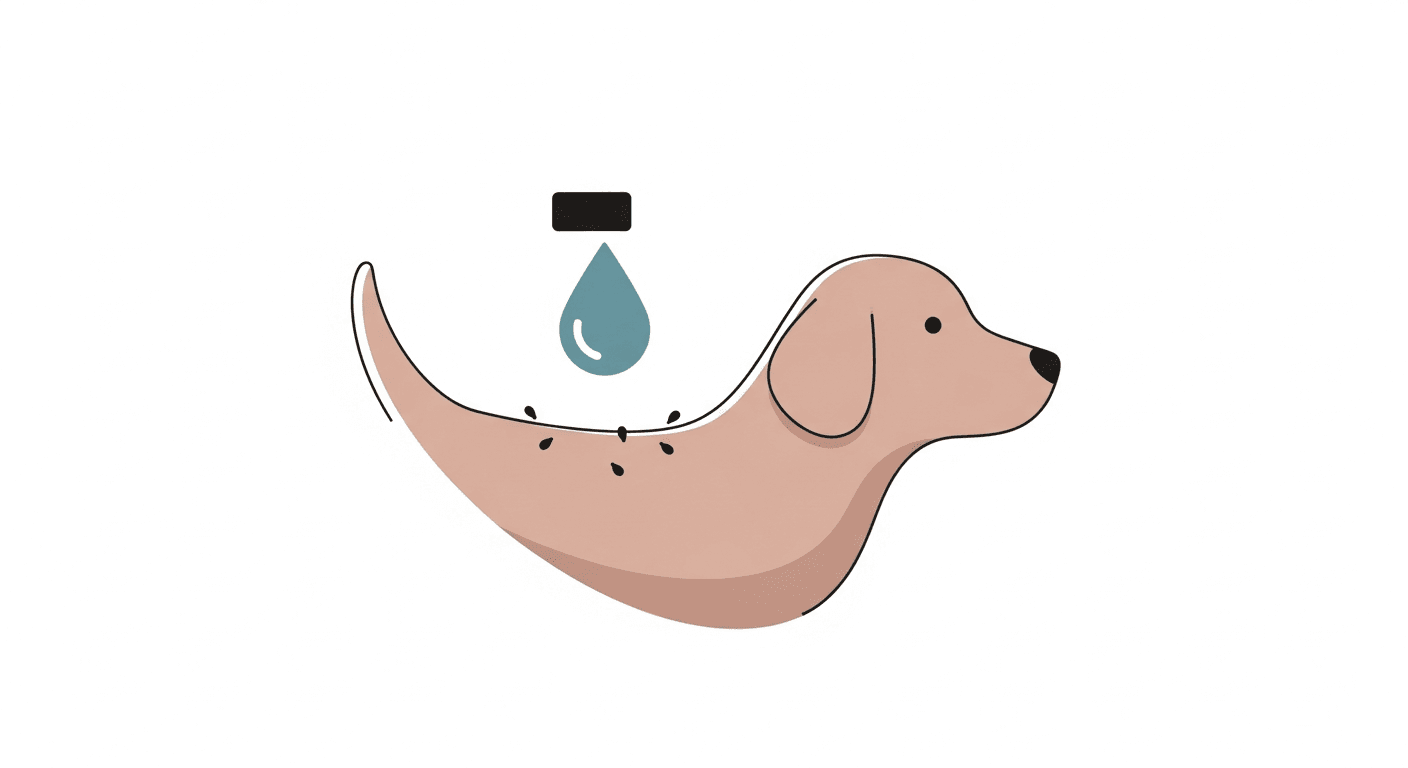 🐕 Dog Health
Dog Flea Treatment Guide
The complete guide to treating dog fleas — product types, treating the home, and preventing reinfestation effectively.
 🐕 Dog Health
Dog Licking Paws Constantly: Causes and Care
Why dogs obsessively lick their paws, what it usually means, and how to get them to stop — with home care and vet guidance.