
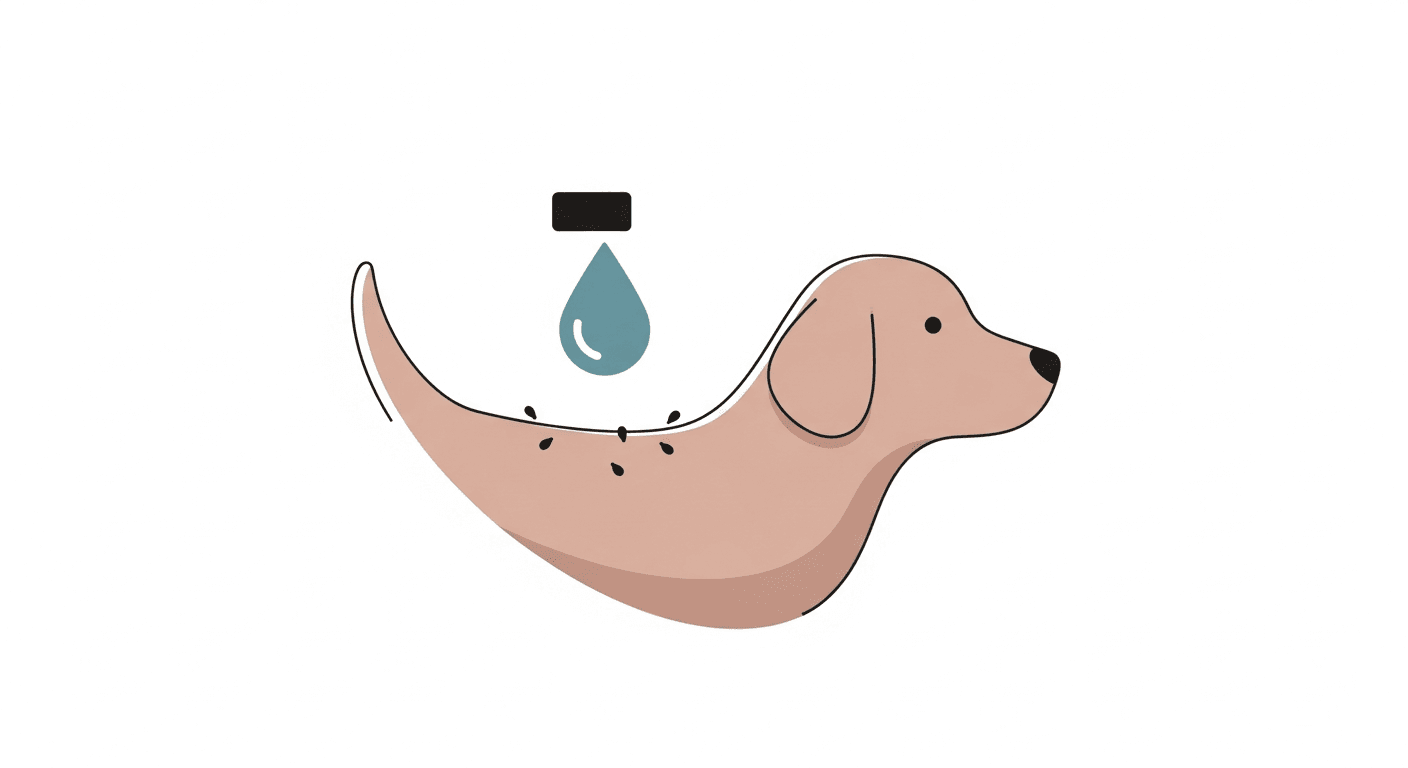
What Are Dog Fleas and Why Are They So Hard to Eliminate?
Fleas are tiny, fast-moving external parasites that feed on blood. They can cause intense itching, skin infections, tapeworm transmission, and in severe infestations, anemia — especially in puppies. What makes fleas so difficult to eliminate is their life cycle: adult fleas on your dog represent only about 5% of the total flea population. The remaining 95% are eggs, larvae, and pupae living in your carpets, bedding, and furniture. This is why treating only the pet without treating the environment almost always leads to reinfestation within weeks. Effective flea treatment requires a simultaneous, multi-front approach.
First 3 Steps You Can Take at Home
- Apply a vet-recommended flea treatment to every pet in the household: Use a veterinary-grade spot-on, oral tablet, or collar — not the supermarket products, which have significantly lower efficacy and are sometimes associated with neurological side effects. Products like Bravecto, NexGard, Simparica, or Frontline Plus are effective choices (your vet will recommend the right one for your dog's size and health). Treat all cats in the household too — cats carry fleas even if they show fewer signs.
- Treat the home environment simultaneously: Vacuum all carpets, furniture, and soft furnishings — including under furniture, along skirting boards, and in any area your dog frequents. Dispose of the vacuum bag immediately after. Wash all pet bedding on a hot cycle (60°C or higher). Apply a household flea spray containing an IGR (insect growth regulator) to carpets and furniture — IGRs prevent flea eggs and larvae from developing into adults, breaking the cycle. Re-vacuum 48 hours after spraying.
- Continue monthly treatment without gaps: This is where most flea battles are lost. A single missed month allows the flea population in the environment to recover. Continue monthly flea prevention on all pets without a break for at least 3 consecutive months after an infestation — this covers the full development time of any flea eggs that were in the environment when treatment started. After that, maintain monthly prevention year-round.
When to Go to the Vet Immediately
- Puppy with severe flea infestation and pale gums — anemia risk
- Dog with skin infections secondary to flea allergy that won't settle with home treatment
- Reaction to a flea treatment product (trembling, drooling, vomiting)
Follow-Up Care Checklist
- ☐ Treat all household pets simultaneously
- ☐ Vacuum and hot-wash all bedding same day as treating pets
- ☐ Apply household IGR spray to carpets and soft furnishings
- ☐ Set monthly reminders for ongoing flea prevention
- ☐ Re-check for flea dirt after 6 weeks — should be none if treatment was effective
- ☐ Note: flea population in the environment may cause occasional new fleas for 2–3 months before the full cycle breaks
📋 Log This With TailRounds
Log flea treatment dates for every pet in your household in the TailRounds health log. Seeing all pets' treatment history in one place makes gaps immediately obvious.
Start Free →Book a Vet Appointment
If your dog is suffering from flea allergy dermatitis, a vet can provide relief while flea control takes effect — anti-inflammatories, antihistamines, or prescription itch relief like Apoquel can dramatically improve quality of life during the treatment period. Book an appointment at Happy Paws Veterinary Clinic — same-week slots are usually available.
Summary for Your Clinic
Pet concern: Flea Infestation
Current treatment: [product name, last date applied], all pets treated: [yes/no], home treated: [yes/no]
Skin reaction: [yes — describe / no]
Duration of problem: [when first noticed]
Questions for vet: Is the current product effective? Does my dog have flea allergy? Is there a skin infection that needs treating?
Related Articles
Continue Reading
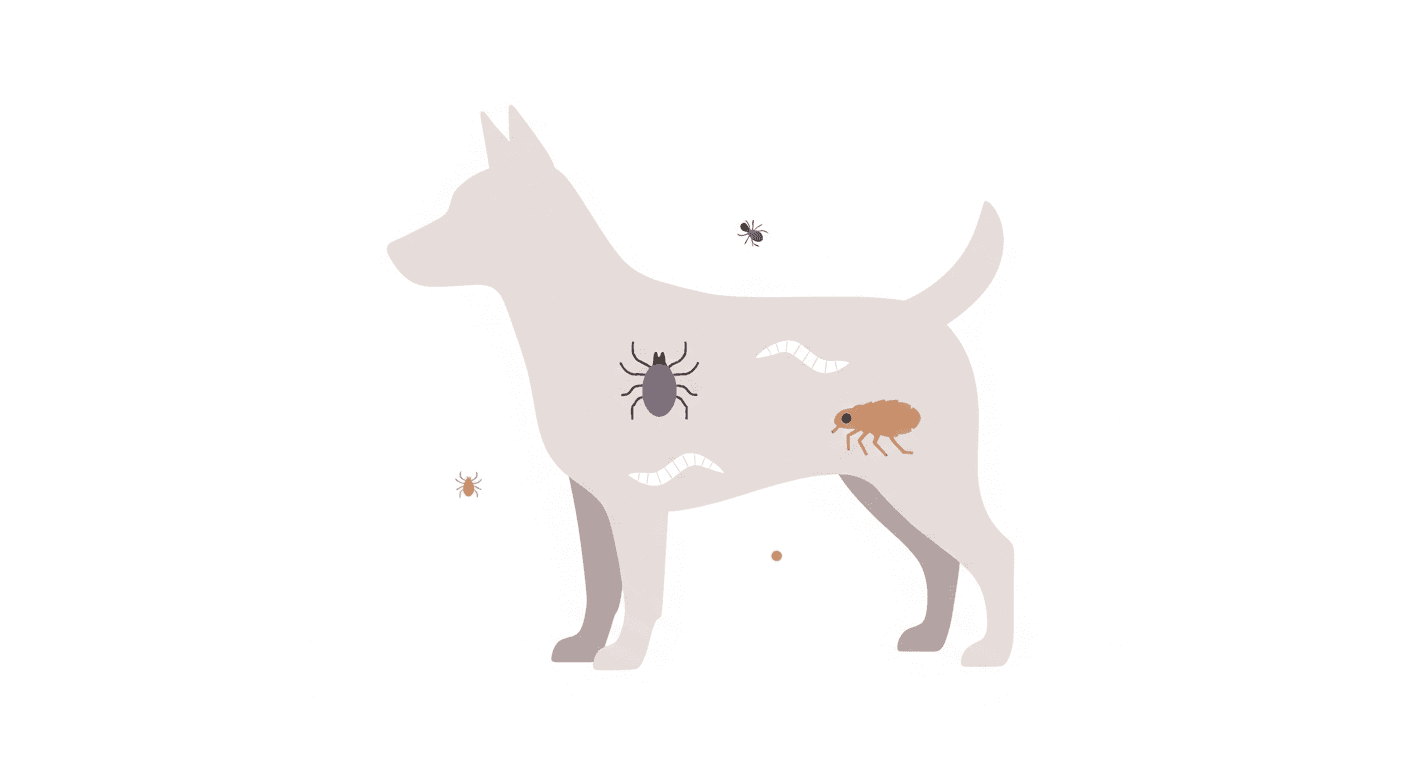 🐕 Dog Health
Dog Parasite Control Schedule
A complete year-round parasite prevention guide for dogs — fleas, ticks, heartworm, and intestinal worms with recommended treatment intervals.
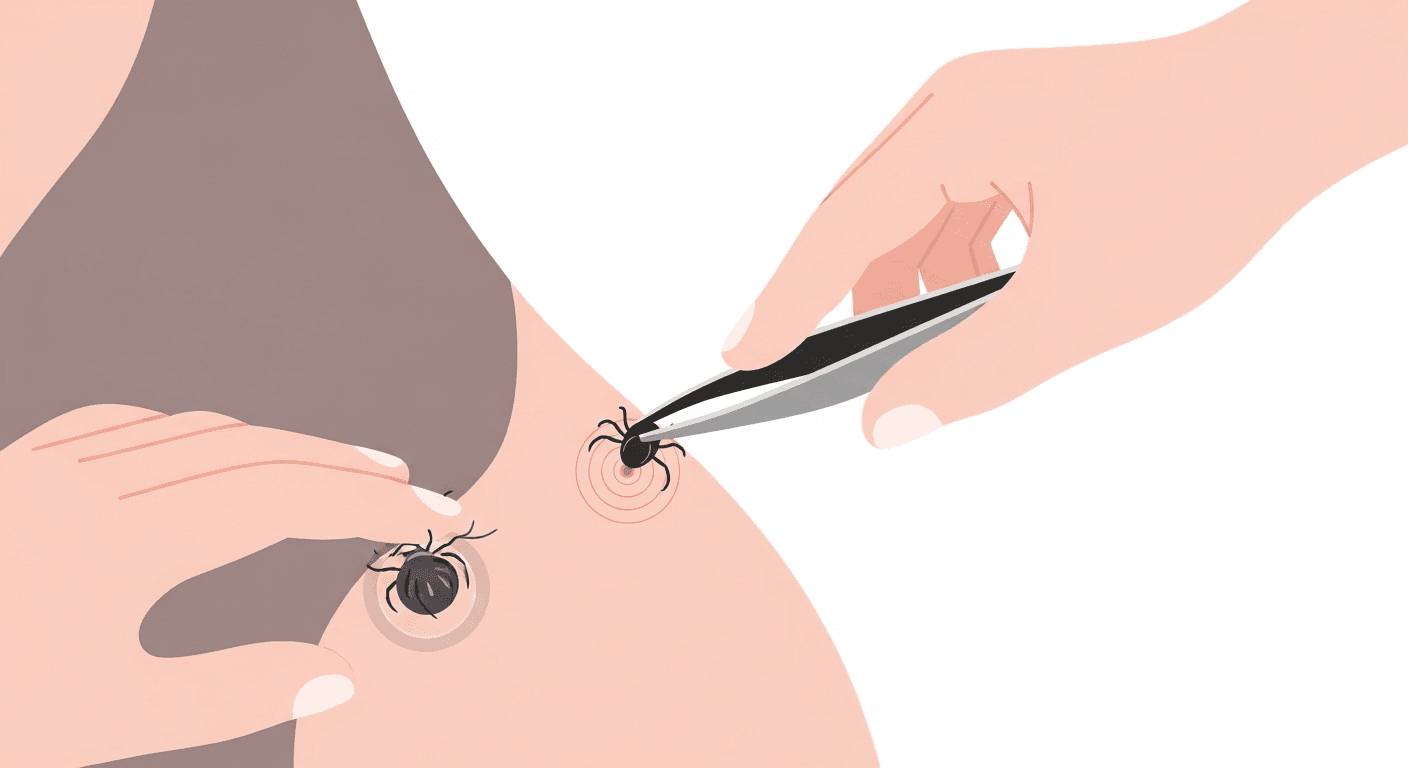 🐕 Dog Health
Dog Tick Bite: What Pet Owners Should Do
How to safely remove a tick from your dog, what diseases ticks transmit, and which symptoms to watch for in the weeks after a tick bite.
 🐕 Dog Health
Dog Itching and Scratching: Likely Reasons
Discover why your dog keeps scratching — from fleas and allergies to dry skin and infections. Practical home care and vet advice.
 🐕 Dog Health
Dog Skin Allergies: Signs and Home Support
How to recognize dog skin allergies, tell them apart from infections, and support your dog at home while working toward a diagnosis.