

What Causes Dogs to Shake and Tremble?
Dog shaking can be completely normal — a wet dog shaking off water, a dog shivering because the room is cold, or a dog trembling with excitement when you pick up the leash. These are benign. But trembling or shaking that seems involuntary, happens repeatedly, or is paired with other symptoms is worth understanding more carefully. Pain is one of the most underrecognized causes of shaking in dogs — a dog in significant discomfort will often shake or tremble as a stress response. Toxins, low blood sugar, neurological conditions, and certain metabolic diseases also cause shaking. Reading the full context of your dog's behavior matters enormously.
First 3 Steps You Can Take at Home
- Note when and how the shaking happens: Does it come and go? Is it constant? Is it the whole body or just one part (head tremor, rear leg trembling)? Does it happen at rest or only when moving? Is your dog conscious and responsive, or is the shaking accompanied by falling, stiffening, or loss of awareness? Seizures are often confused with shaking — a seizure involves rhythmic, whole-body muscle contractions, often with the dog falling, paddling limbs, and being unresponsive or confused afterward.
- Check for obvious causes: Is the room cold? Has your dog recently been bathed or swum? Is this happening in a situation of excitement or fear (fireworks, thunderstorms, vet visits)? Context can immediately tell you whether the shaking is situational. If you remove the stressor and shaking stops, you likely have an anxiety-related cause. If shaking continues regardless of environment, the cause is more likely physical.
- Rule out toxic exposure: Xylitol, chocolate, grapes, certain medications, and many household chemicals can all cause trembling as part of toxin poisoning. If you have any reason to suspect your dog got into something they shouldn't have — check your house, yard, and anything they may have chewed. Call your vet or poison control immediately if toxin exposure is possible — don't wait to see how they do.
When to Go to the Vet Immediately
- Shaking accompanied by loss of consciousness, paddling, or unresponsiveness (seizure)
- Suspected toxin ingestion — don't wait for more symptoms
- Shaking with vomiting, collapse, pale gums, or extreme lethargy
- Sudden onset of severe trembling in an older dog with no obvious cause
- Head tremor that seems neurological — rhythmic head bob at rest
Follow-Up Care Checklist
- ☐ Video the shaking episode on your phone to show the vet
- ☐ Note timing — after meals? At night? When cold? During anxiety?
- ☐ Check for pain responses: does your dog flinch when certain areas are touched?
- ☐ Remove access to any potential toxins in the home or yard
- ☐ Keep your dog warm and calm while monitoring
📋 Log This With TailRounds
Video clips and time-stamped logs in the TailRounds daily log are invaluable for neurological or pain-related conditions — helping your vet understand frequency and context without waiting for it to happen during the appointment.
Start Free →Book a Vet Appointment
Unexplained shaking that doesn't have an obvious cause (cold, excitement) warrants a vet visit, especially if it's new and recurring. Pain assessment and basic blood work can often identify the cause. Book an appointment at Happy Paws Veterinary Clinic — same-week slots are usually available.
Summary for Your Clinic
Pet concern: Dog Shaking/Trembling
Description: [whole body/localized], [at rest or moving], [conscious or not], duration of each episode
Other symptoms: [vomiting/lethargy/pain response], possible toxin exposure: [yes/no]
Onset: [X days ago], frequency: [how often]
Questions for vet: Is this pain-related? Could it be neurological? Do we need blood work?
Related Articles
Continue Reading
 🐕 Dog Health
Dog Vomiting: What to Do First at Home
Learn the first steps to take when your dog vomits, which signs mean danger, and when to call your vet immediately.
 🐕 Dog Health
Dog Not Eating: Common Causes and What to Do
Why your dog might stop eating, which causes are harmless, and which ones need a vet visit. Practical home steps included.
 🐕 Dog Health
Dog Anxiety When Left Alone: Practical Solutions
Understanding and managing dog separation anxiety — from mild distress to severe panic, with practical strategies that actually work.
 🐕 Dog Health
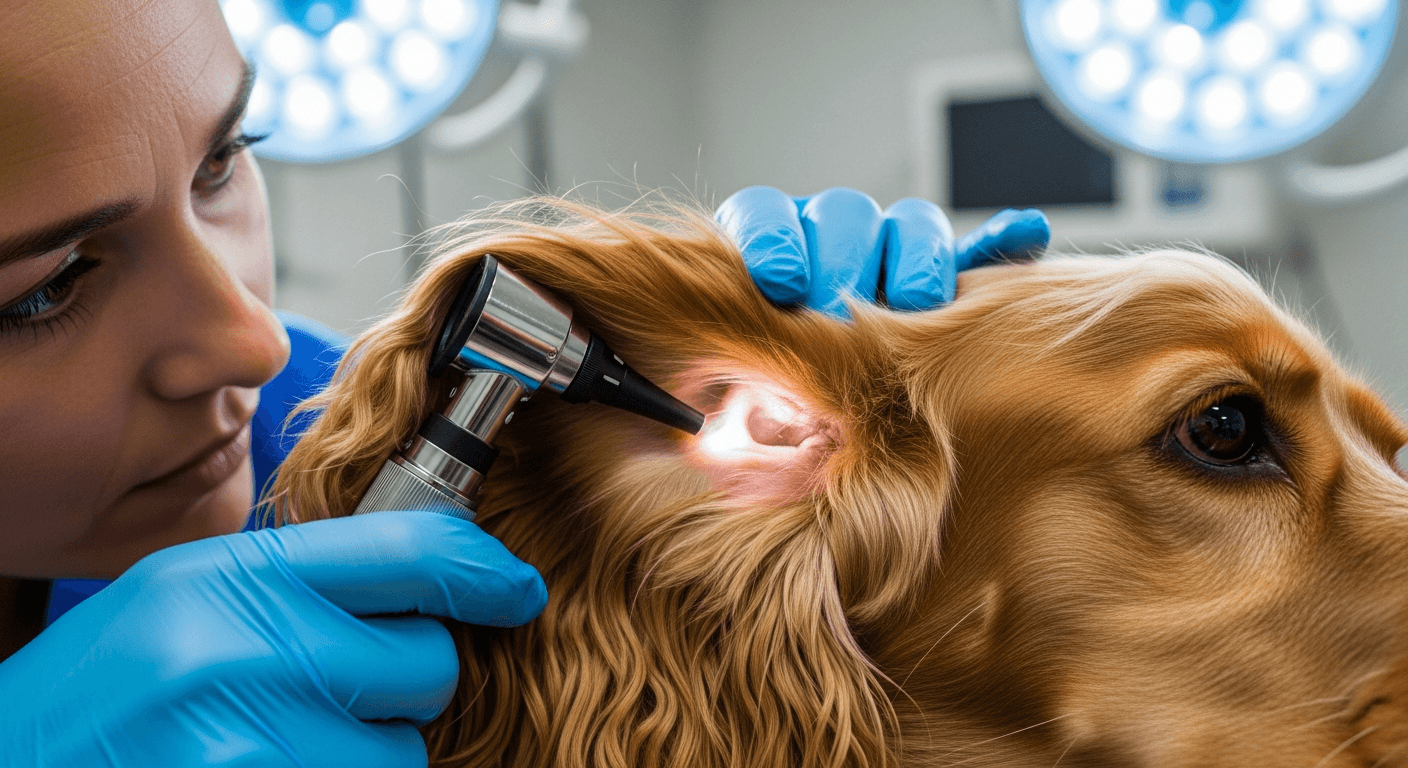
Dog Ear Infection Signs Every Owner Should Know
How to recognize a dog ear infection early, first steps you can take, and why prompt treatment prevents serious complications.