
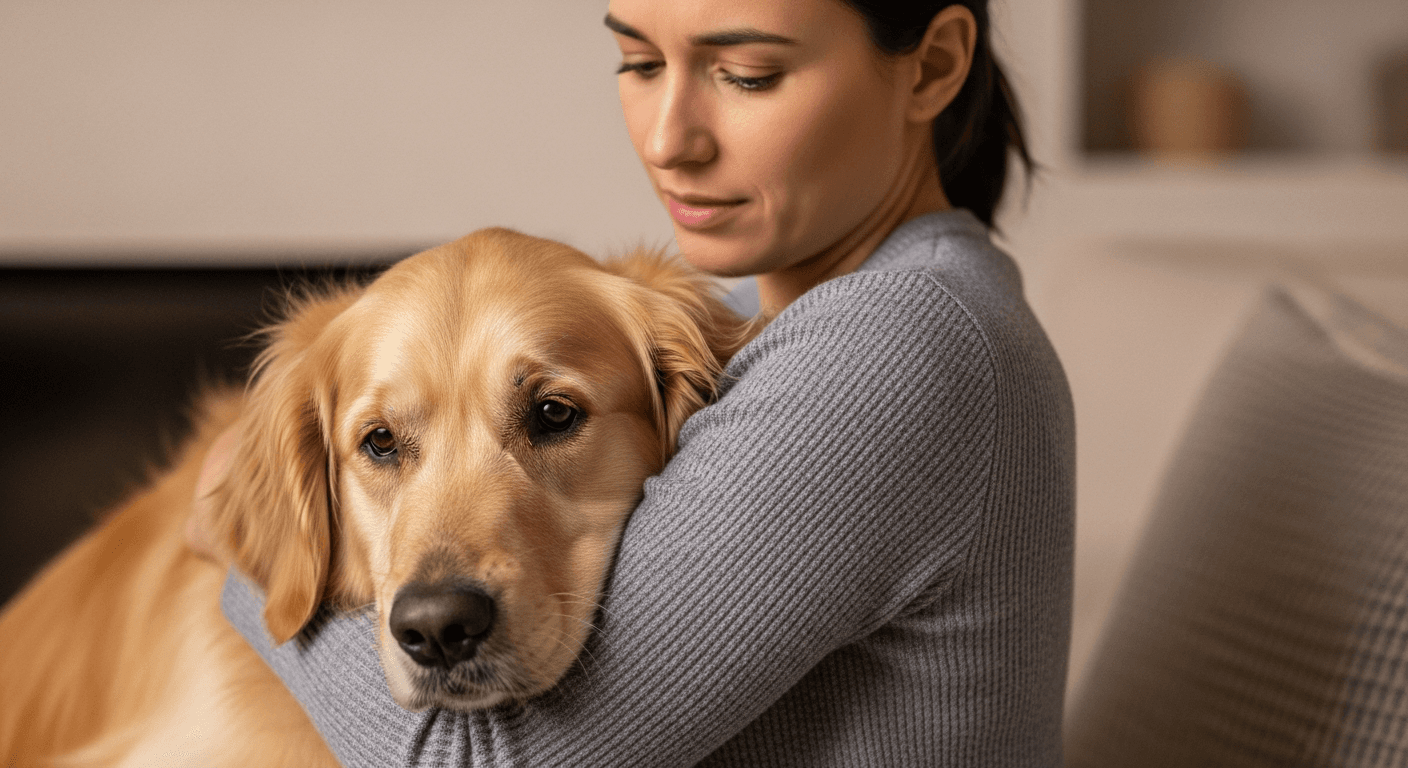
What Is Dog Vomiting?
Dog vomiting is one of the most common reasons pet owners rush to the clinic — and honestly, most of the time it's not a crisis. Dogs vomit because their digestive systems are quite sensitive and reactive. A quick retch after eating grass, gulping food too fast, or even feeling anxious are all normal triggers. That said, vomiting can also be your dog's body signaling something more serious — a foreign object, infection, or organ trouble. Knowing the difference between "wait and see" and "get to the vet now" is the most valuable thing you can learn as a dog owner.
First 3 Steps You Can Take at Home
- Withhold food for 2–4 hours: This gives your dog's stomach a chance to settle. Don't panic and try to feed them immediately — an empty stomach rest period is often all they need for a mild upset. Keep fresh water available in small amounts to prevent dehydration, but don't let them drink a large amount at once as this can trigger more vomiting.
- Check the vomit closely (gross but important): Look at what came up. Yellow or green bile usually means they vomited on an empty stomach. White foam is similar. Blood — even small streaks — or something that looks like coffee grounds means emergency vet visit. Undigested food is usually just a case of eating too fast. Note the color, consistency, and any foreign material.
- Offer a bland meal after the fast: Once your dog has been vomit-free for 2–3 hours and seems calm, offer a small portion of plain boiled chicken and white rice (no salt, no seasoning). This is gentle on the gut and helps firm things back up. Stick with tiny portions every few hours rather than one big meal.
When to Go to the Vet Immediately
Some symptoms require urgent veterinary attention. Do not wait — call your vet or head to an emergency clinic if you see:
- Blood in the vomit (bright red or dark, coffee-ground appearance)
- Vomiting more than 3 times in an hour, or continuously for more than 24 hours
- Your dog's abdomen looks bloated, hard, or distended — this could signal bloat (GDV), a life-threatening emergency
- Your dog is lethargic, pale-gummed, or collapsing alongside the vomiting
- You suspect they ate something toxic (chocolate, grapes, xylitol, household chemicals)
- A puppy under 16 weeks is vomiting — young puppies dehydrate dangerously fast
Follow-Up Care Checklist
After the immediate concern is handled, use this checklist to monitor your dog's recovery:
- ☐ Offer small sips of water every 30 minutes for the first 2 hours
- ☐ Transition back to regular food gradually over 2–3 days (bland diet first)
- ☐ Watch for repeat vomiting after each meal — log the time and what was in it
- ☐ Check your dog's gums — they should be pink and moist, not pale or tacky
- ☐ Monitor energy levels, is your dog playing and interested in surroundings?
- ☐ Keep a note of anything unusual they may have eaten in the last 24 hours
📋 Log This With TailRounds
Track your dog's vomiting episodes, meal times, and symptoms with the TailRounds daily log. A pattern over time helps your vet identify the root cause much faster — is it always after a specific food? Always in the morning? The data tells the story.
Start Free →Book a Vet Appointment
If vomiting keeps coming back or your dog isn't bouncing back within 24 hours, a vet check is the right call. Recurrent vomiting can point to issues like gastritis, pancreatitis, kidney disease, or a partial obstruction — all conditions that are much easier to treat when caught early. Book an appointment at Happy Paws Veterinary Clinic — same-week slots are usually available.
Summary for Your Clinic
Copy and share this summary with your vet before the appointment:
Pet concern: Dog Vomiting
Symptoms noticed: Vomiting [X times], appearance of vomit [color/contents], [with or without food], timing [after meals / on empty stomach]
Home steps taken: Withheld food for [X hours], offered bland diet, monitored water intake
Duration: Started [X hours/days] ago
Questions for vet: Could this be related to diet? Should we run blood work to rule out organ issues? Is there a preventive approach if this keeps happening?
Related Articles
You might also find these guides helpful:
Continue Reading
 🐕 Dog Health
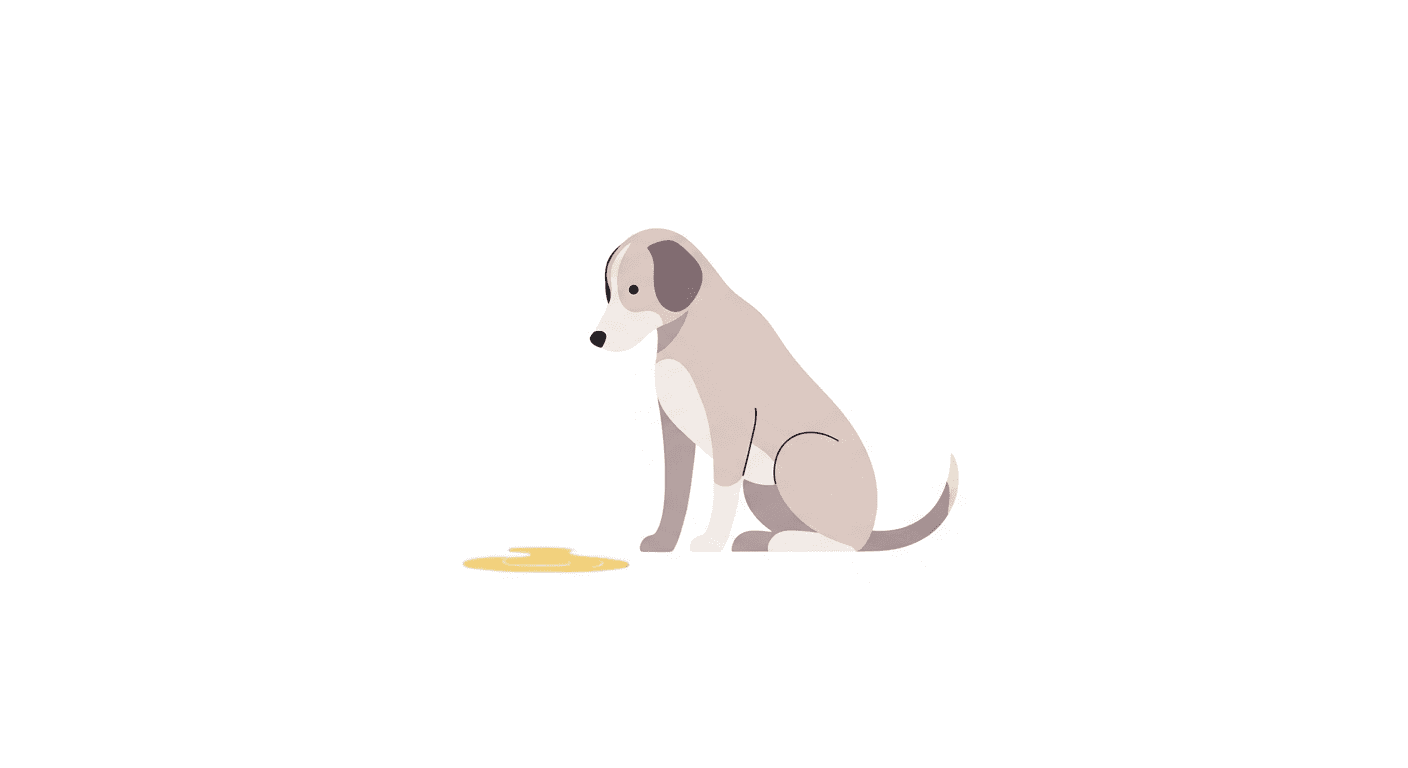
Dog Vomiting Yellow Bile: Causes and Home Care
Why dogs vomit yellow bile (usually on an empty stomach), what it means, and when the simple fix isn't enough.
 🐕 Dog Health
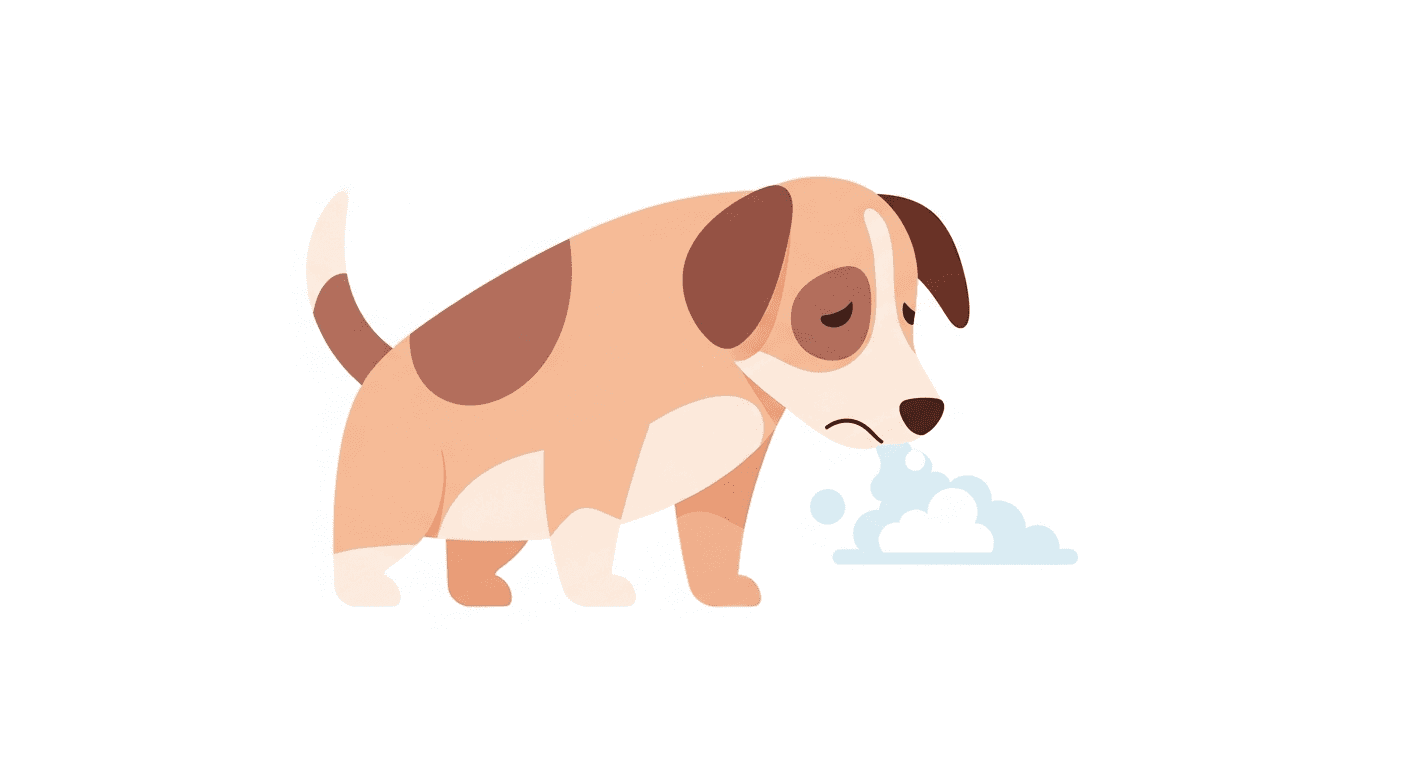
Dog Vomiting White Foam: What It Signals
What white foamy vomit in dogs usually means, when it's kennel cough or an empty stomach, and when bloat makes it an emergency.
 🐕 Dog Health
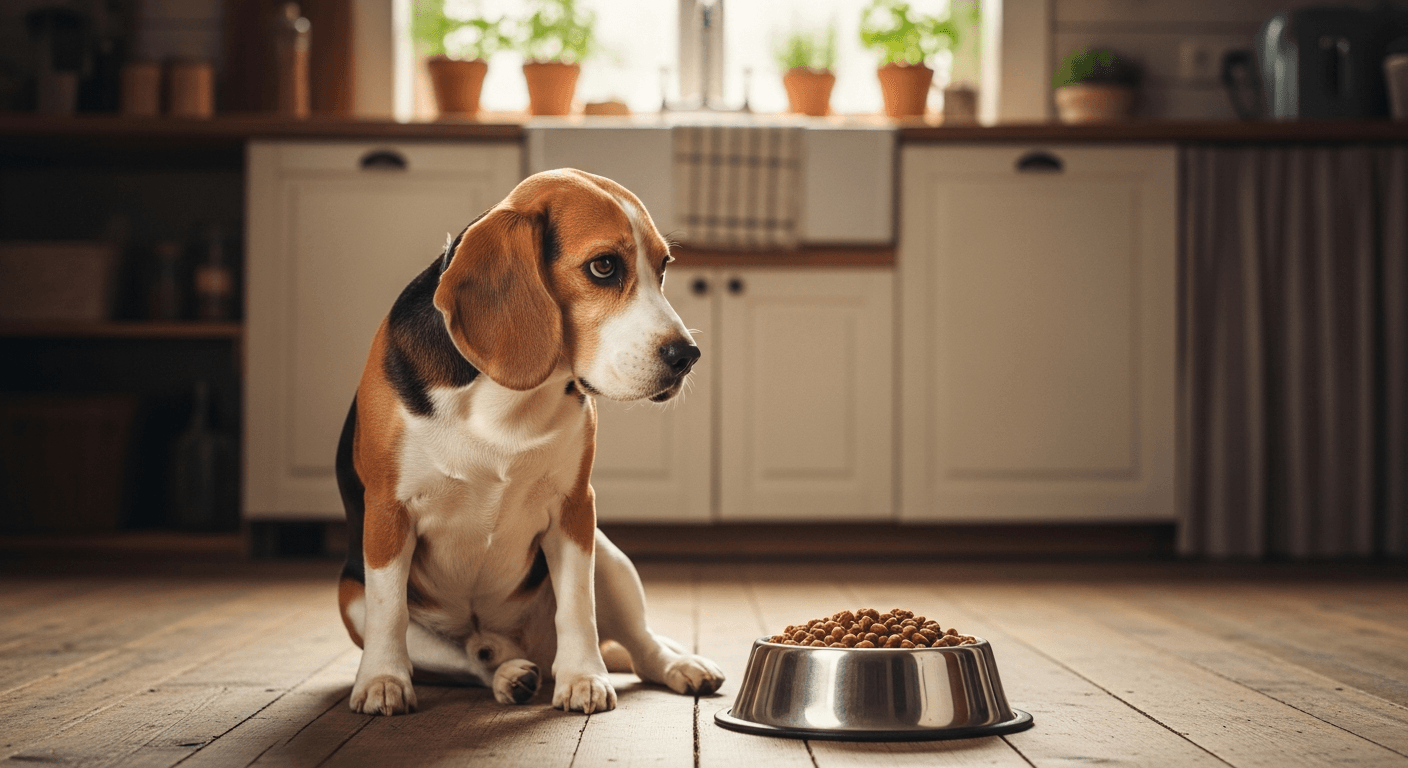
Dog Not Eating: Common Causes and What to Do
Why your dog might stop eating, which causes are harmless, and which ones need a vet visit. Practical home steps included.
 🐕 Dog Health
Dog Diarrhea: When to Worry and When to Wait
A practical guide to dog diarrhea — home care steps, warning signs that need a vet, and how to firm up loose stools safely.