
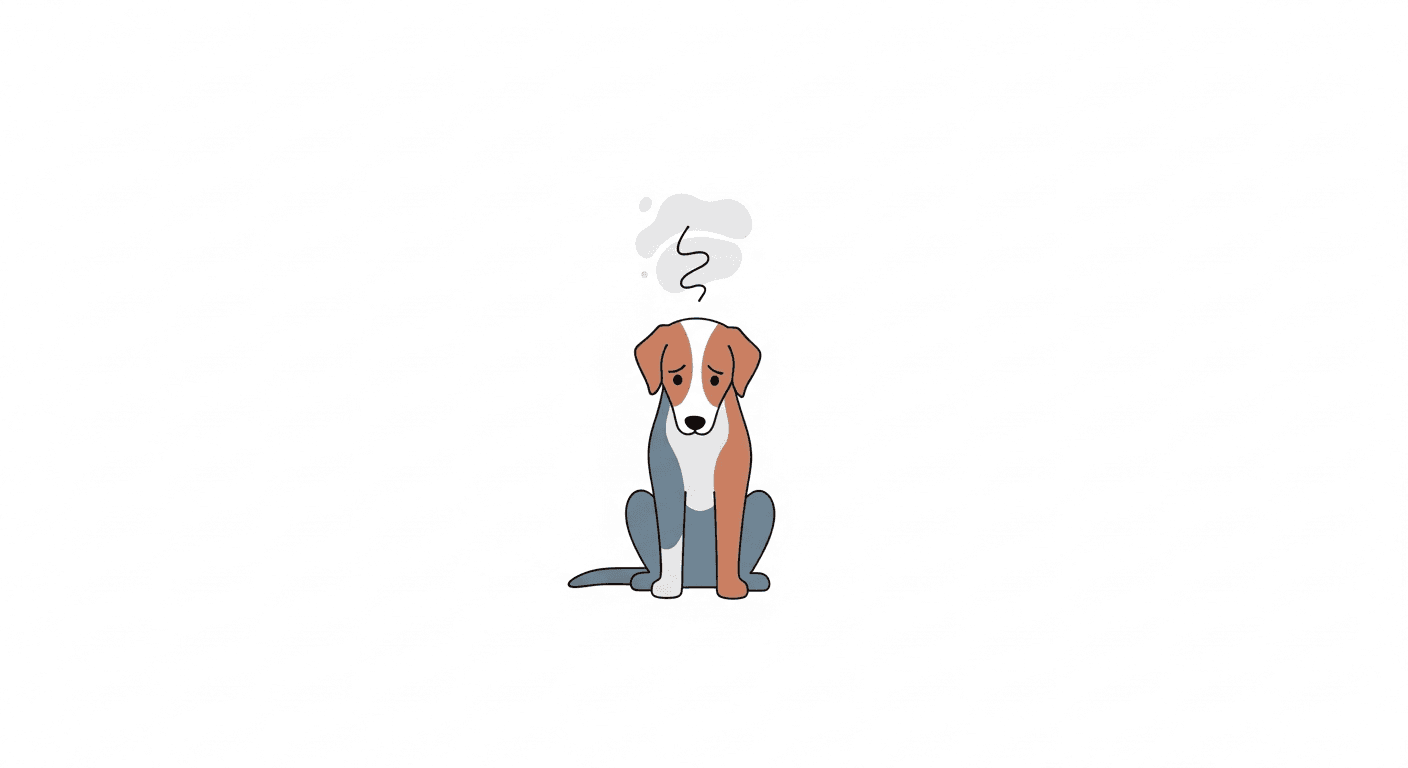
What Is Dog Separation Anxiety?
Separation anxiety is more than a dog being sad when you leave — it's a genuine panic response. Dogs with separation anxiety are in a state of distress when their primary attachment figure is absent. Common signs include: destructive behavior (chewing furniture, doors, walls near exits), excessive barking or howling that starts as soon as you leave, inappropriate elimination despite being housebroken, drooling excessively, and in severe cases, self-injury from attempts to escape. It's important to understand that these behaviors are not spite or disobedience — they're fear responses. Punishing a dog for separation anxiety makes it significantly worse.
First 3 Steps You Can Take at Home
- Make departures and arrivals low-key: One of the most counterintuitive but effective adjustments is to stop making a big deal of leaving and coming home. Long, emotional goodbyes ramp up a dog's anticipatory anxiety before you've even left. Brief, matter-of-fact exits (no big hugs, no "I'll miss you!") and calm, relaxed greetings when you return help desensitize your dog to the departure event itself. Ignore your dog for 5–10 minutes after arriving home before giving calm, quiet affection.
- Practice planned short absences: Systematic desensitization starts with extremely short separations — going outside for 30 seconds and coming back before your dog has time to spiral into panic. Over days and weeks, you gradually extend the time. The key is to never let the dog reach their anxiety threshold during practice. This requires patience and consistency. Apps and a cheap camera let you monitor your dog's behavior remotely during practice absences.
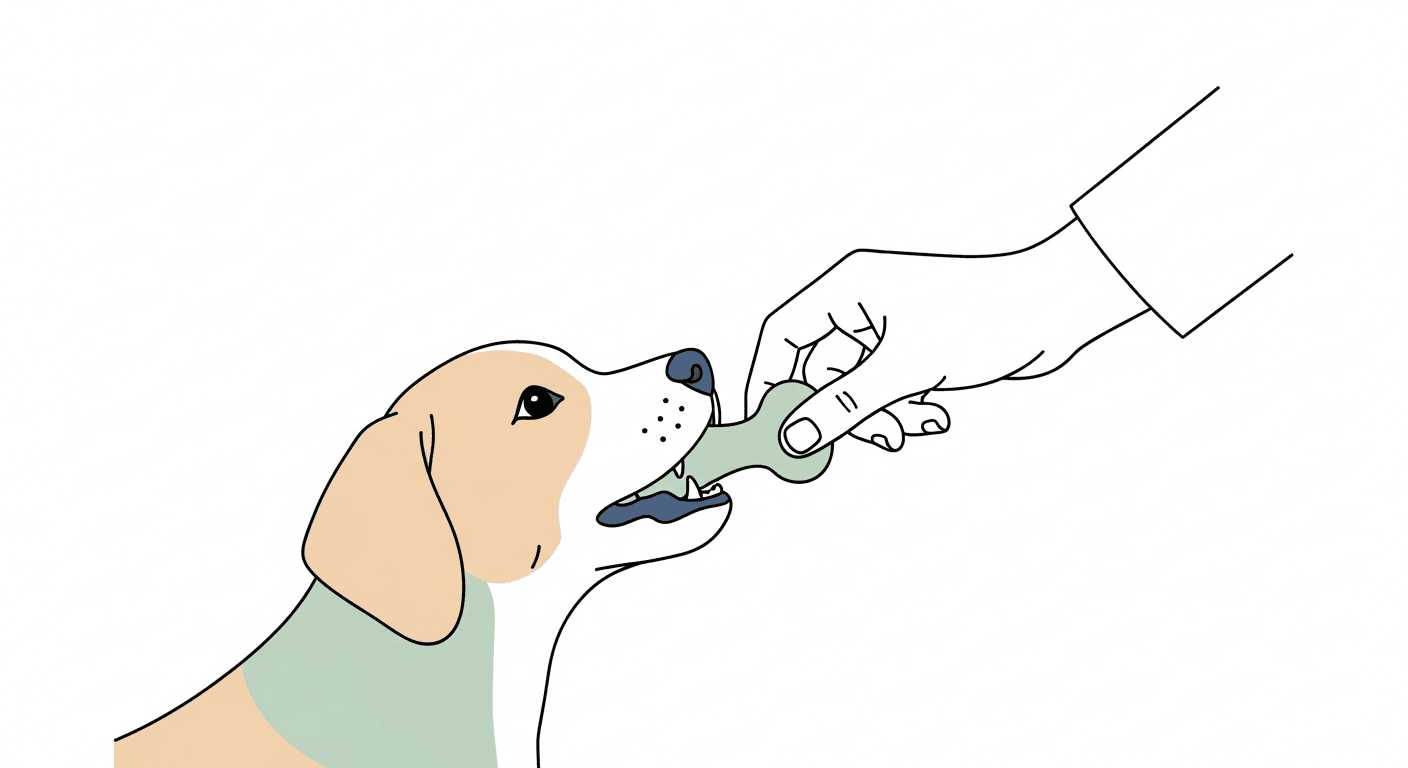
- Provide meaningful enrichment before leaving: A food puzzle or stuffed Kong given 5 minutes before you leave can create a positive association with your departure and keep your dog occupied through the hardest part — the first 20 minutes. Frozen Kongs (stuff with kibble, banana, peanut butter, freeze overnight) are especially effective as they take longer to work through. Regular exercise before a long alone period also helps significantly — a tired dog sleeps more and panics less.
When to Go to the Vet Immediately
- Self-injury from escape attempts or compulsive behaviors
- Your dog is unable to eat, drink, or rest at any time when left alone
- Separation anxiety is new in an older dog — can signal a medical trigger (pain, cognitive decline)
Follow-Up Care Checklist
- ☐ Set up a pet camera to observe your dog's behavior during absences
- ☐ Practice departure cues (picking up keys, putting on shoes) without actually leaving
- ☐ Create a calm, enriched space (not punishment — a comfortable den with music/TV)
- ☐ Consider a dog walker or doggy daycare to reduce the total time alone
- ☐ Ask your vet about short-term anti-anxiety medication to help training take hold in severe cases
- ☐ Work with a certified animal behaviorist for moderate-to-severe cases
📋 Log This With TailRounds
Log daily anxiety observations, training sessions, and any medication in the TailRounds daily log. Progress with separation anxiety can be slow and inconsistent — a log helps you see the longer-term trend and adjust your approach.
Start Free →Book a Vet Appointment
Moderate to severe separation anxiety often responds best to a combination of behavior modification and short-term medication. A vet can prescribe anti-anxiety medications that lower the baseline panic enough for training to actually work — without medication, severe cases rarely improve through training alone. Book an appointment at Happy Paws Veterinary Clinic — same-week slots are usually available.
Summary for Your Clinic
Pet concern: Separation Anxiety
Behaviors observed: [destructive/vocalization/elimination/self-injury], when alone for: [X minutes]
Home steps taken: Low-key departures, short absence training, enrichment
Duration: Has been occurring for [X months]
Questions for vet: Would medication help? Should we work with a behaviorist? Is there a medical component?
Related Articles
Continue Reading
 🎾 Dog Training
Stopping Excessive Barking: What Works and What Doesn't
Understand why your dog barks excessively and learn proven training strategies to reduce nuisance barking without punishment.
 🦴 Dog Care
Dog Aggression Toward Visitors
Why some dogs become aggressive around unfamiliar people, and a practical step-by-step approach to managing and reducing this behavior.
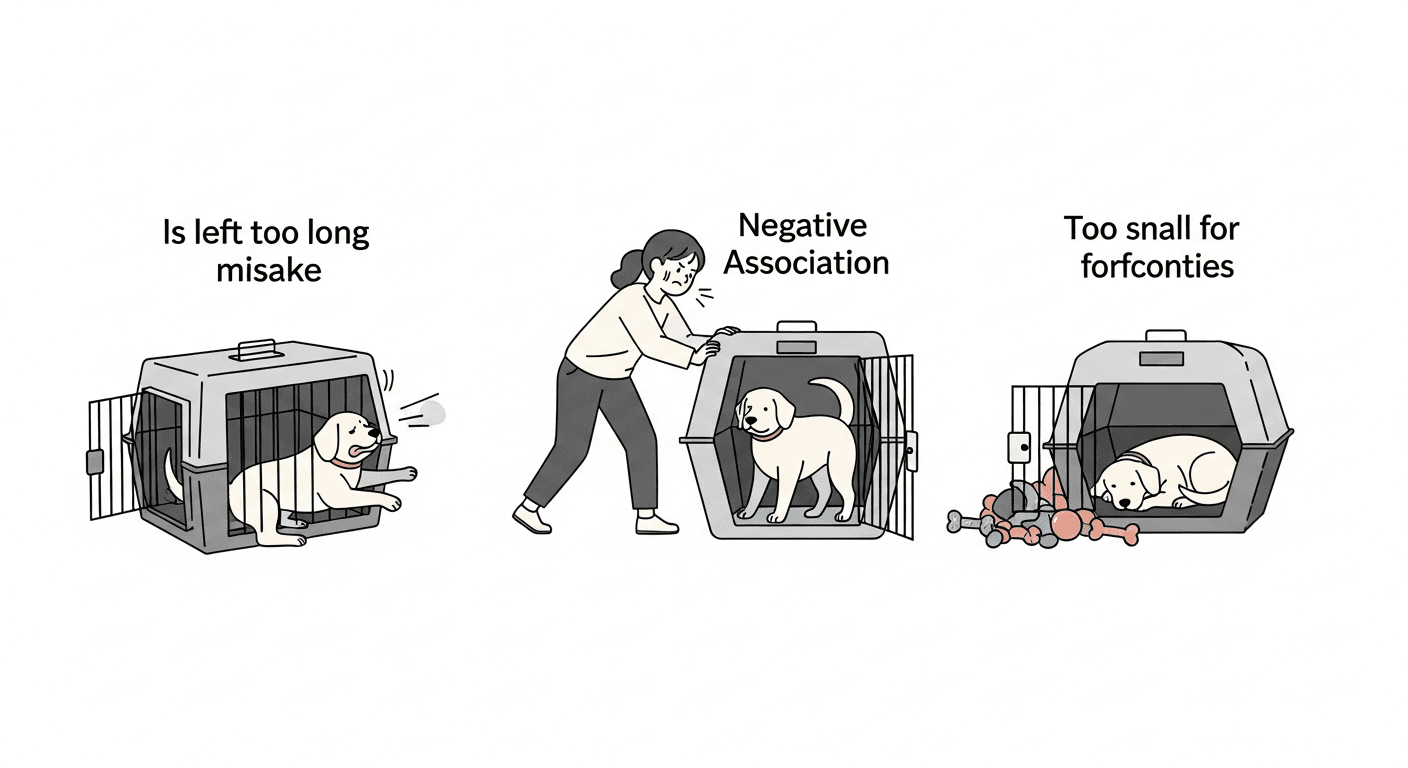 🦴 Dog Care
Dog Crate Training Mistakes to Avoid
The most common mistakes owners make with crate training and how to build genuine crate comfort that helps your dog feel safe, not trapped.
 🦴 Dog Care
Puppy Biting: How to Manage It
Why puppies bite and nip, what's normal vs. concerning, and the most effective techniques for teaching bite inhibition.