
What Is a Dog Ear Infection?
Dog ear infections (otitis externa) are incredibly common — especially in breeds with floppy ears, heavy ear canals, or dogs who love swimming. The warm, dark ear canal is a perfect environment for bacteria and yeast to overgrow. What starts as mild redness and a bit of dark discharge can escalate quickly to a painful, swollen infection that reaches deep into the ear canal. Left untreated, ear infections can rupture the eardrum or become chronic, requiring more intensive treatment. The good news: caught early, most ear infections respond well to a short course of topical medication.
First 3 Steps You Can Take at Home
- Look and smell — both tell you a lot: Gently fold back your dog's ear flap and look at the canal entrance. Healthy ears are light pink, have minimal waxy buildup, and no strong odor. Signs of infection include: dark brown or black discharge, redness, swelling, white/yellow pus, or a distinctly yeasty or rancid smell. Note what you see so you can describe it accurately to your vet — the color and texture of discharge often helps identify bacterial vs. yeast infections.
- Don't attempt to deep-clean an infected ear at home: This is important. If you suspect an infection, resist the urge to pour ear cleaner in and clean vigorously. If there's a ruptured eardrum (you can't always tell by looking), putting liquid in the canal can cause serious damage. A light wipe of the visible outer ear flap with a dry cotton ball is safe. Leave the rest to your vet, who can properly examine the canal with an otoscope.
- Keep the ear dry: Moisture is the enemy. If your dog swims or gets bathed regularly, make sure ears are thoroughly dried afterward — gently place a dry cotton ball at the ear opening to absorb moisture and use a pet-safe ear drying solution if your vet recommends it. For dogs prone to ear infections, prevention through regular ear checks and drying is the best strategy.
When to Go to the Vet Immediately
- Head shaking so violent it causes bruising or swelling of the ear flap (hematoma)
- Your dog is crying or flinching when you touch near the ear
- Head tilting persistently to one side — could indicate middle/inner ear involvement
- Loss of balance or walking in circles — inner ear infection emergency
- Thick pus or blood coming from the ear canal
Follow-Up Care Checklist
- ☐ Complete the full course of prescribed ear medication — don't stop when it looks better
- ☐ Return for the follow-up check your vet recommends (usually 2 weeks)
- ☐ Keep ears dry after swimming and bathing going forward
- ☐ For floppy-eared breeds: check ears weekly as part of grooming routine
- ☐ Ask your vet about regular maintenance ear cleaning with the right product
- ☐ If this is a recurrent problem, discuss allergy testing — allergies are the #1 underlying cause of repeated ear infections
📋 Log This With TailRounds
Log ear check results, treatment dates, and swimming trips in the TailRounds daily log. For dogs with recurrent ear infections, this data is invaluable in identifying the pattern and trigger.
Start Free →Book a Vet Appointment
Ear infections don't clear up on their own and can worsen significantly within days. A vet can identify whether it's bacterial or yeast (or both), prescribe the right medication, and check if the eardrum is intact before treatment starts. Book an appointment at Happy Paws Veterinary Clinic — same-week slots are usually available.
Summary for Your Clinic
Pet concern: Dog Ear Infection
Symptoms: Head shaking, ear scratching, [color of discharge], [odor present], [one or both ears]
Home steps taken: Light outer cleaning, kept ear dry
Duration: Noticed symptoms [X days] ago
Questions for vet: Is this bacterial or yeast? Could allergies be the underlying cause? How do I prevent this going forward?
Related Articles
Continue Reading
 🐕 Dog Health
Dog Itching and Scratching: Likely Reasons
Discover why your dog keeps scratching — from fleas and allergies to dry skin and infections. Practical home care and vet advice.
 🐕 Dog Health
Dog Bad Breath: Dental Warning Signs
Bad dog breath is rarely just "dog breath" — learn what causes it, when it signals dental disease, and how to protect your dog's mouth.
 🐕 Dog Health
Dog Skin Allergies: Signs and Home Support
How to recognize dog skin allergies, tell them apart from infections, and support your dog at home while working toward a diagnosis.
 🐕 Dog Health
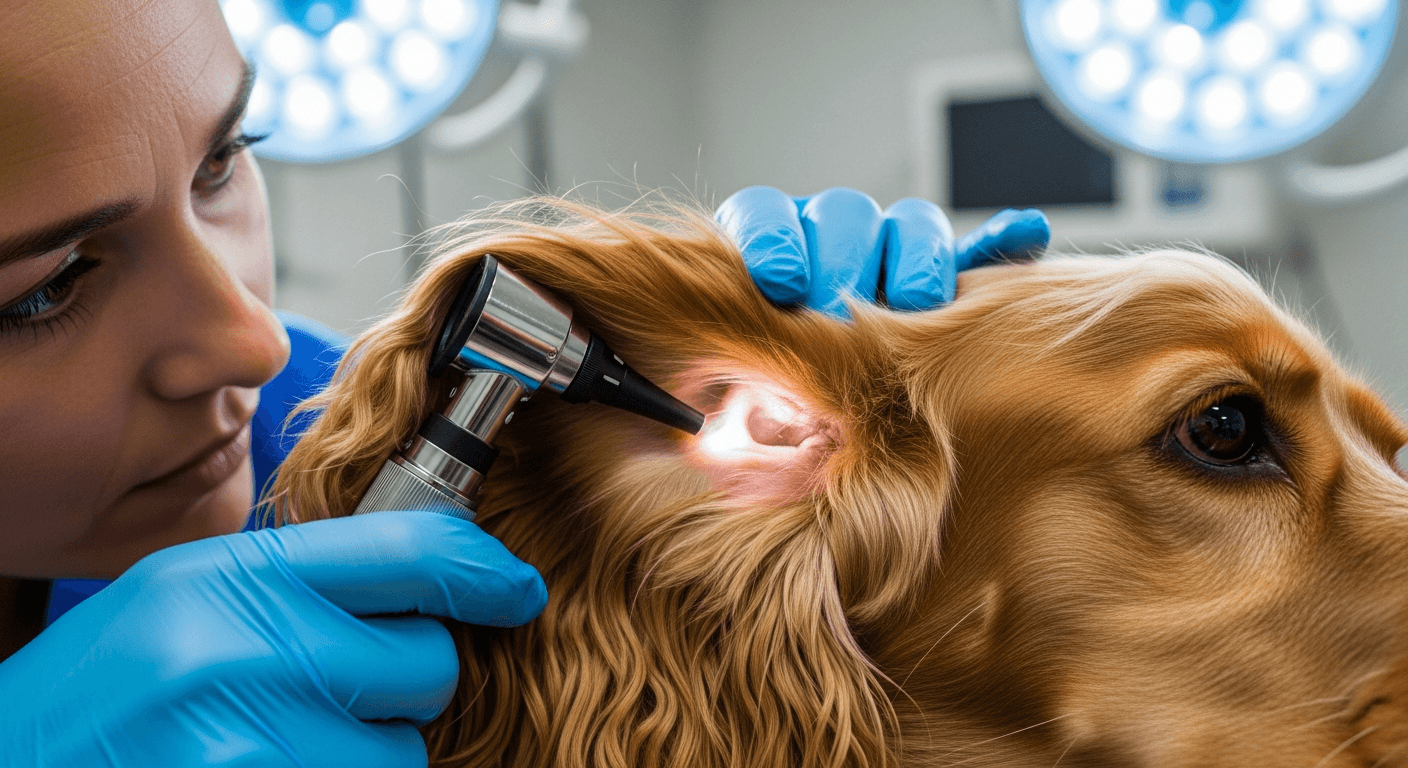
Dog Ear Infection Signs Every Owner Should Know
How to recognize a dog ear infection early, first steps you can take, and why prompt treatment prevents serious complications.