
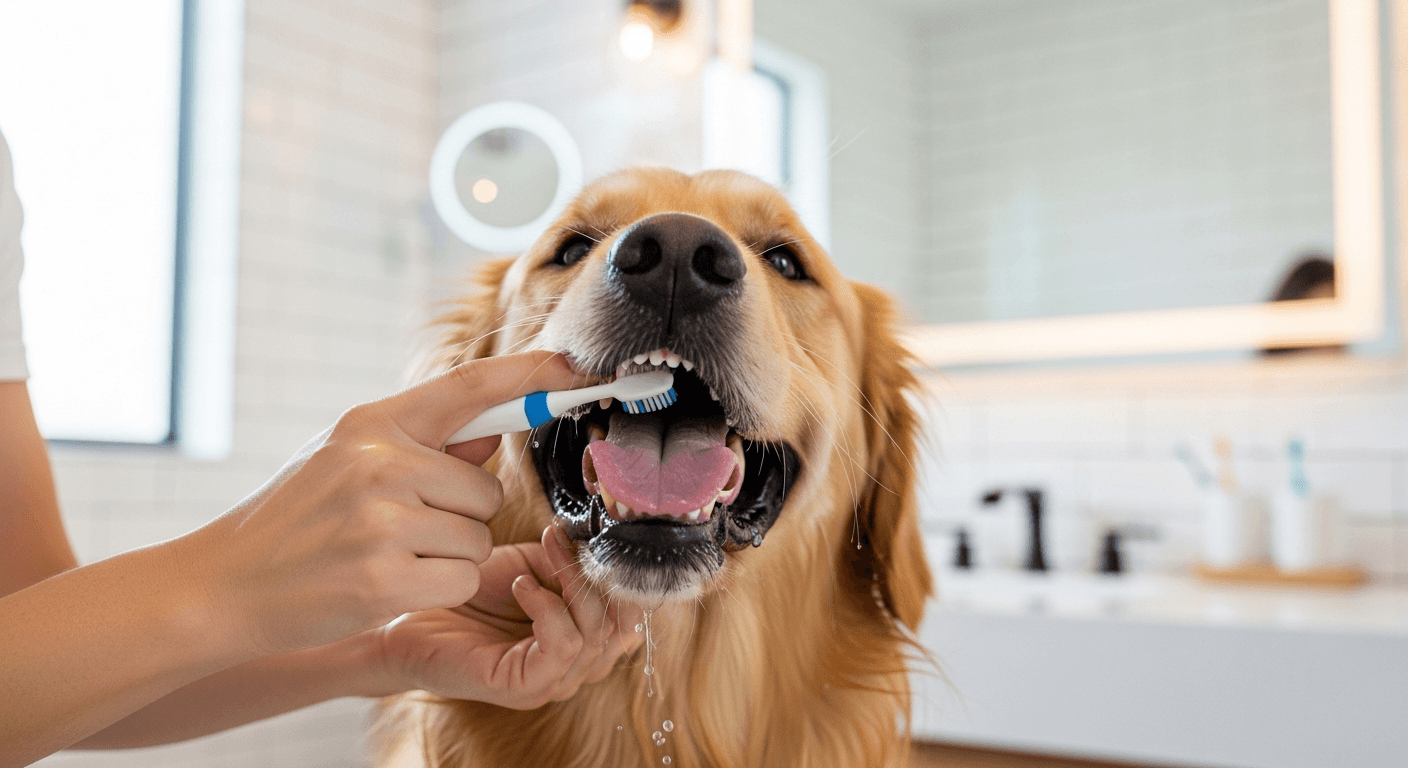
What Causes Bad Breath in Dogs?
Most people chalk up stinky dog breath to normal "dog smell" — but genuinely bad breath in dogs is almost always a sign of dental disease. By age 3, more than 80% of dogs have some form of periodontal disease, a progressive bacterial infection of the gums and supporting bone. The bacteria that cause gum disease produce sulfur compounds — the same chemicals that give bad breath its signature unpleasant smell. Left untreated, periodontal disease causes tooth loss, pain, and can even affect the heart, kidneys, and liver as bacteria enter the bloodstream.
First 3 Steps You Can Take at Home
- Look inside that mouth: With your dog calm and comfortable, gently lift the lips on both sides and look at the teeth and gums. Healthy gums are pink (not red or swollen), teeth should be white to slightly yellow (tartar builds naturally but shouldn't be thick brown crust), and there shouldn't be any visible pus, loose teeth, or bleeding. The back molars and upper canine teeth are most prone to buildup — check these specifically.
- Start brushing — even if imperfectly: Dog-specific toothbrushes and enzymatic toothpaste (never human toothpaste — xylitol is toxic to dogs) can make a real difference if used consistently. Even 3–4 times per week is meaningful. Start slowly: let your dog lick the toothpaste, then touch the teeth with a soft cloth, then gradually introduce the brush. Enzymatic pastes work even without brushing motion by breaking down plaque chemically.
- Rule out non-dental causes: Occasionally, bad breath signals something other than dental disease. A sweet or fruity smell can indicate diabetic ketoacidosis. A urine-like smell may suggest kidney disease. Fishy breath unrelated to food can come from anal glands. If the smell is unusually chemical or very different from typical bad breath, mention this to your vet — it changes what tests they might run.
When to Go to the Vet Immediately
- Dropping food, reluctance to chew, or crying when eating — suggests significant oral pain
- Visibly broken tooth or swollen face (abscess)
- Bleeding gums or loose teeth
- Sudden, dramatically different smell — especially sweet/fruity or ammonia-like
Follow-Up Care Checklist
- ☐ Start a tooth-brushing routine — aim for at least 3x per week
- ☐ Add dental chews approved by the Veterinary Oral Health Council (VOHC)
- ☐ Ask your vet about a professional dental cleaning under anesthesia if tartar is significant
- ☐ Annual or bi-annual dental exam is best practice for all adult dogs
- ☐ Avoid hard bones and antlers that can fracture teeth
📋 Log This With TailRounds
Log dental brushing sessions and schedule annual dental checks in the TailRounds health log. Consistent tracking keeps dental health from slipping off the radar.
Start Free →Book a Vet Appointment
A dental exam is the only way to properly assess what's happening below the gumline, where most periodontal disease lives. Your vet can recommend whether a professional cleaning is needed and identify any painful teeth that need extraction. Book an appointment at Happy Paws Veterinary Clinic — same-week slots are usually available.
Summary for Your Clinic
Pet concern: Dog Bad Breath / Dental Health
Symptoms: Persistent bad breath, [visible tartar / gum redness / reluctance to eat]
Home steps taken: Tried tooth brushing, examined mouth
Duration: Noticed for approximately [X months]
Questions for vet: Is a dental cleaning needed? Are there painful teeth? What's the best home dental routine for my dog?
Related Articles
Continue Reading
 🐕 Dog Health
Dog Not Eating: Common Causes and What to Do
Why your dog might stop eating, which causes are harmless, and which ones need a vet visit. Practical home steps included.
 🐕 Dog Health
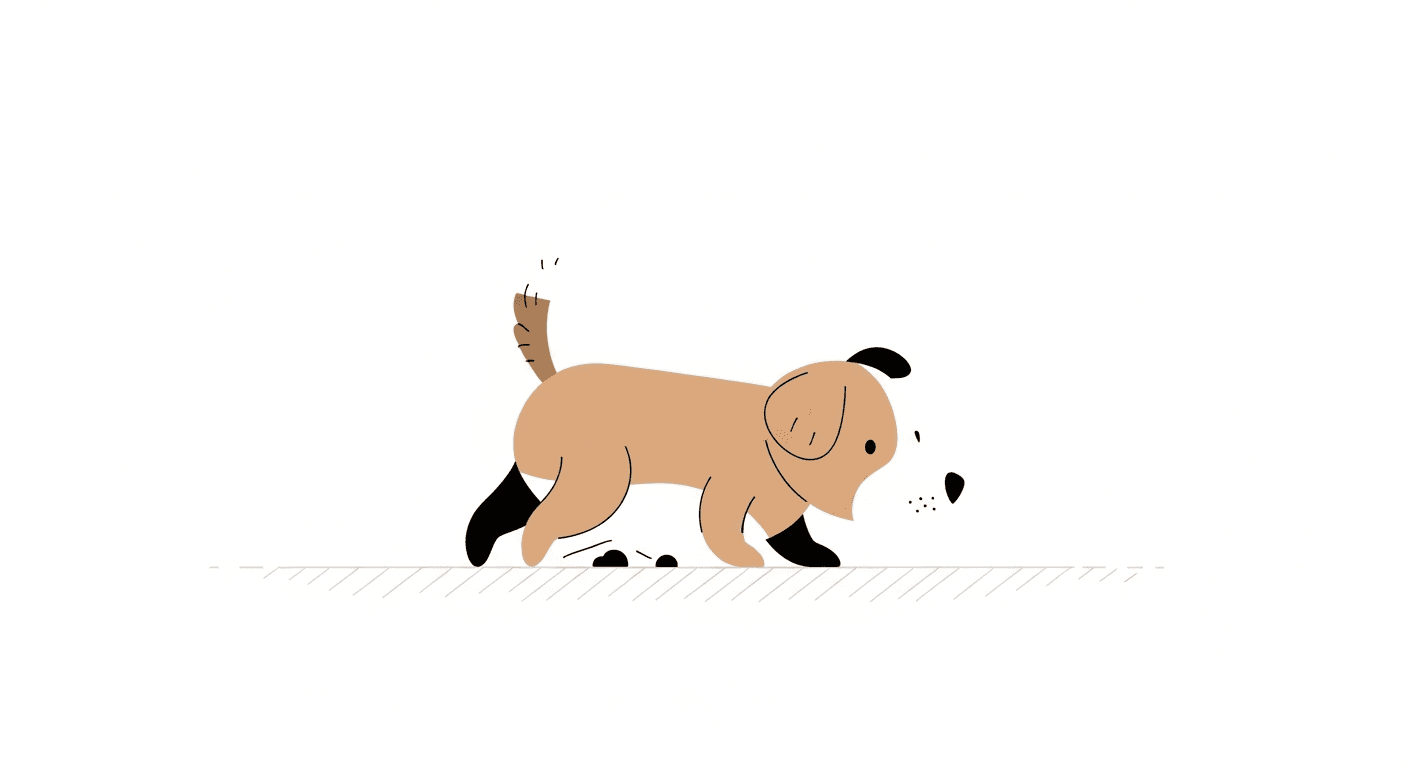
Dog Scooting on the Floor: Causes and Solutions
Why dogs drag their bottoms on the floor and what you can actually do about it — from anal glands to parasites and irritation.
 🐕 Dog Health
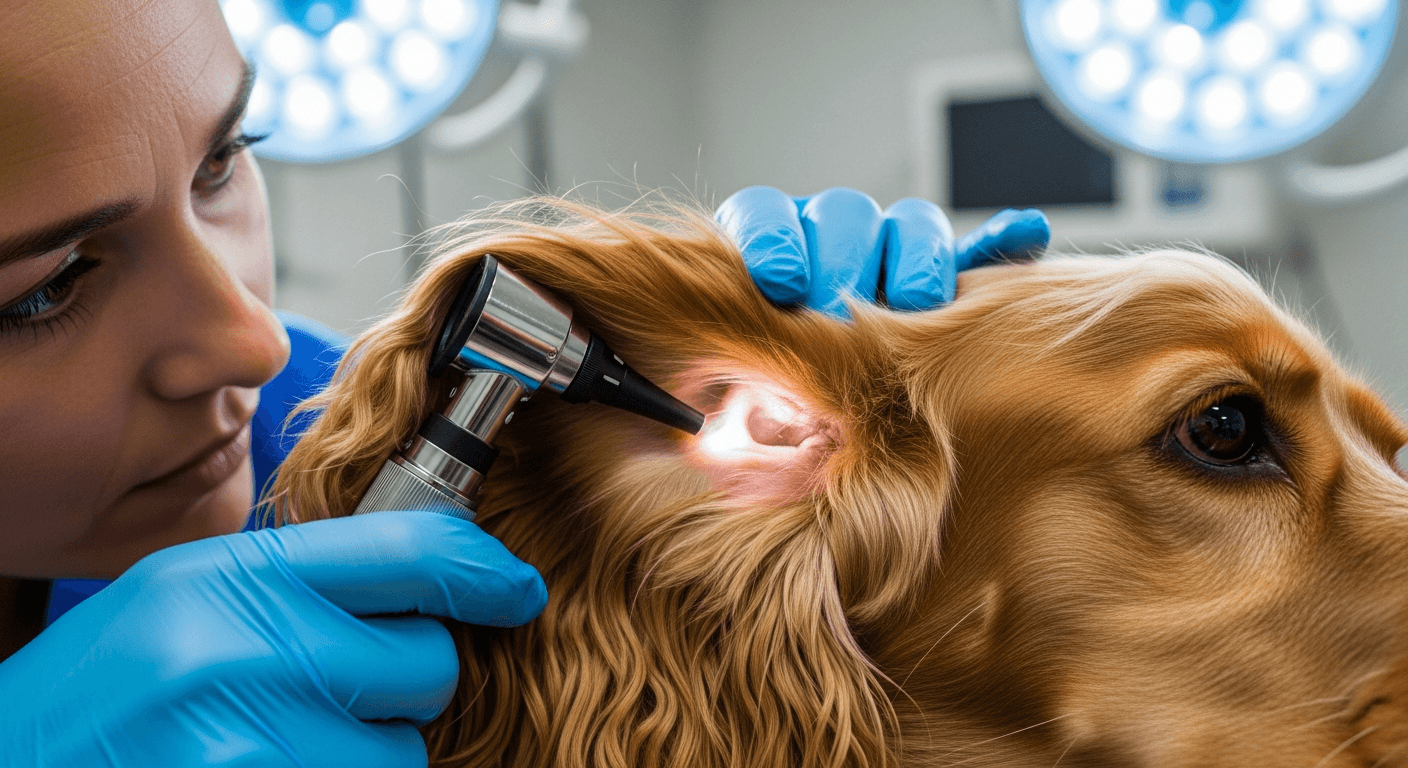
Dog Ear Infection Signs Every Owner Should Know
How to recognize a dog ear infection early, first steps you can take, and why prompt treatment prevents serious complications.