
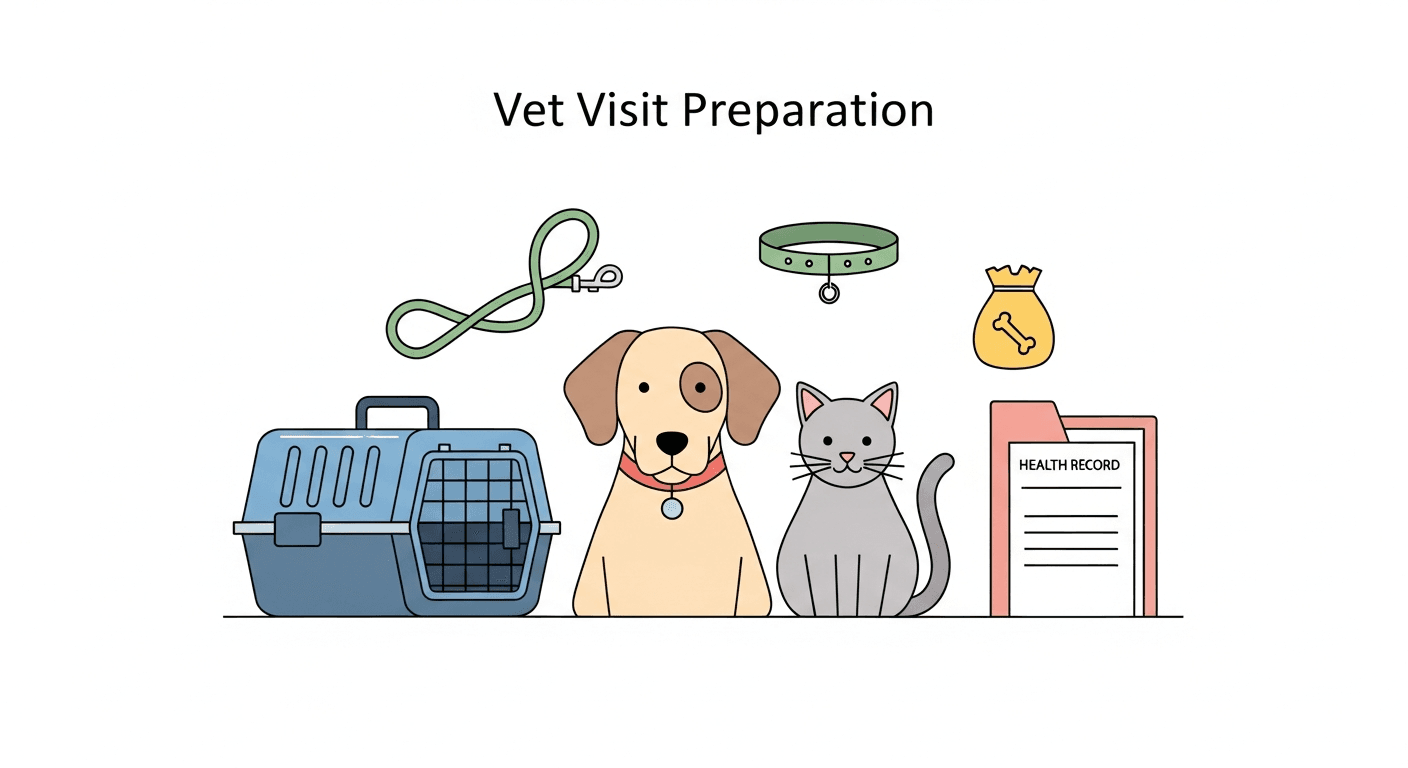
Why Preparation Makes a Real Difference
A stressed pet makes veterinary examination harder, less accurate, and more unpleasant for everyone involved. Pets that are extremely anxious may require sedation just to be examined safely — which adds cost, risk, and delays. Conversely, a calm, well-prepared pet allows the vet to do a thorough exam, reduces the chance of stress-related false readings (elevated heart rate, blood pressure), and makes the experience far more positive for your pet and you.
The good news is that most pet anxiety around vet visits is learned and can be unlearned — or at least significantly reduced — with consistent preparation. Book a vet appointment at Happy Paws when your pet is ready, or find a clinic near you that prioritizes low-stress handling.
Before the Appointment: Days Ahead
- Practice carrier or car comfort: For cats especially, leave the carrier out at home with a familiar blanket inside so the carrier becomes a safe, familiar space rather than something that only appears before a vet visit. For dogs, practice short car rides that end happily (at a park, not just the vet).
- Withhold food before the appointment: For most routine visits, feed your pet a light meal 3–4 hours before rather than immediately before. A slightly hungry pet is more motivated by treats used during the exam. If bloodwork requiring fasting is planned, follow your vet's specific instructions.
- Ask about pre-visit medication: Pets with severe anxiety genuinely benefit from pharmaceutical assistance. Gabapentin is commonly used in cats and dogs before vet visits. Trazodone is another option for dogs. These are not sedatives — they reduce anxiety without impairing the pet. Ask your vet at a previous visit so you have medication on hand.
- Schedule at low-traffic times: Early morning appointments or mid-week slots often have quieter waiting rooms, reducing exposure to other animals and the associated stress.
On the Day of the Appointment
- Keep your own energy calm — pets read anxiety from their owners and often escalate their own
- Bring high-value treats your pet does not normally receive — these can dramatically change the emotional tone of an exam
- For dogs: a brisk walk before the appointment can reduce nervous energy
- For cats: spray the carrier interior with feline pheromone spray (Feliway) 30 minutes before loading the cat — this has genuine evidence behind it
- Cover the cat carrier with a towel to reduce visual stimulation in the waiting room
- Keep dogs and cats separated in the waiting room whenever possible — sit away from other animals
What to Tell the Clinic When You Arrive
Let the front desk know immediately if your pet:
- Is aggressive toward other animals or people when stressed
- Has a history of biting or scratching during handling
- Is extremely fearful and may need extra time
- Has received pre-visit medication
Many clinics now use fear-free or low-stress handling protocols. Clinics using these approaches ask fearful pets to wait in the car rather than the waiting room and use specific handling and positioning techniques to reduce restraint-related stress. It is always worth asking about these practices. Track how each visit went in the TailRounds Daily Log so you can identify what preparation strategies work best for your individual pet.
Building Positive Associations Over Time
The most effective long-term strategy is changing how your pet feels about the vet — not just managing stress at each individual visit. This involves "happy visits" — stopping by the clinic without an appointment just to say hello, receive treats from the staff, and leave. Over time, this teaches your pet that the clinic predicts good things. Ask your clinic if they support this practice. Many do. Use the TailRounds AI Triage tool to help decide when symptoms actually warrant a trip, so you are not making unnecessary visits that add to anxiety.
Continue Reading
 🏥 Vet Guide
What to Expect at Your First Vet Visit
New pet? First vet visit does not need to be stressful. Here is exactly what happens, what information to bring, and how to get the most from the appointment.
 🏥 Vet Guide
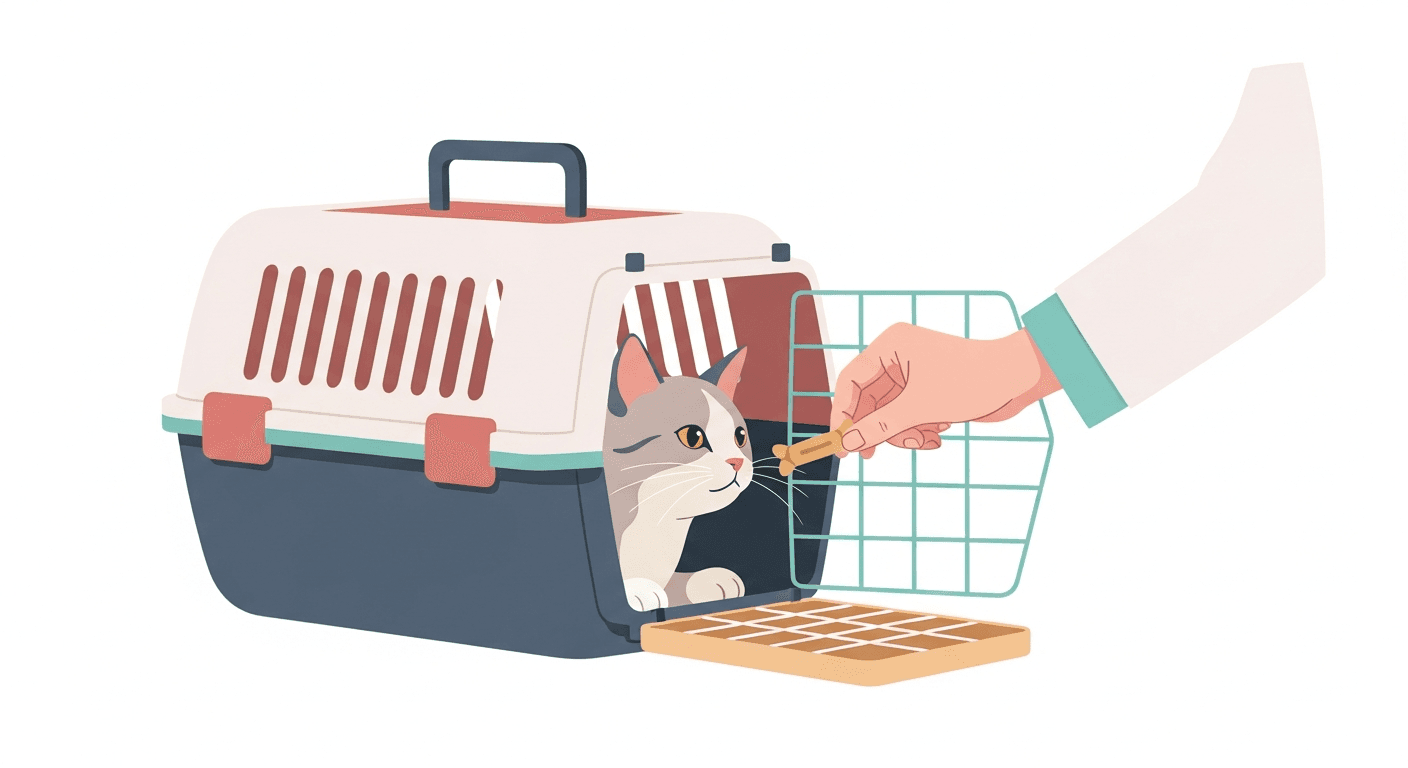
Getting Your Cat to the Vet Without Stress
Cat vet visits do not have to be a battle. These evidence-based strategies help your cat tolerate travel and the clinic with far less fear and resistance.
 🏥 Vet Guide
Dog Anxiety at the Vet: Tips That Work
Many dogs dread vet visits. Learn how to reduce anxiety before and during appointments so your dog is calmer, safer, and easier to examine.
 🏥 Vet Guide
How to Communicate Effectively With Your Vet
Great communication with your vet leads to better care for your pet. Learn how to describe symptoms accurately, ask productive questions, and advocate confidently.