
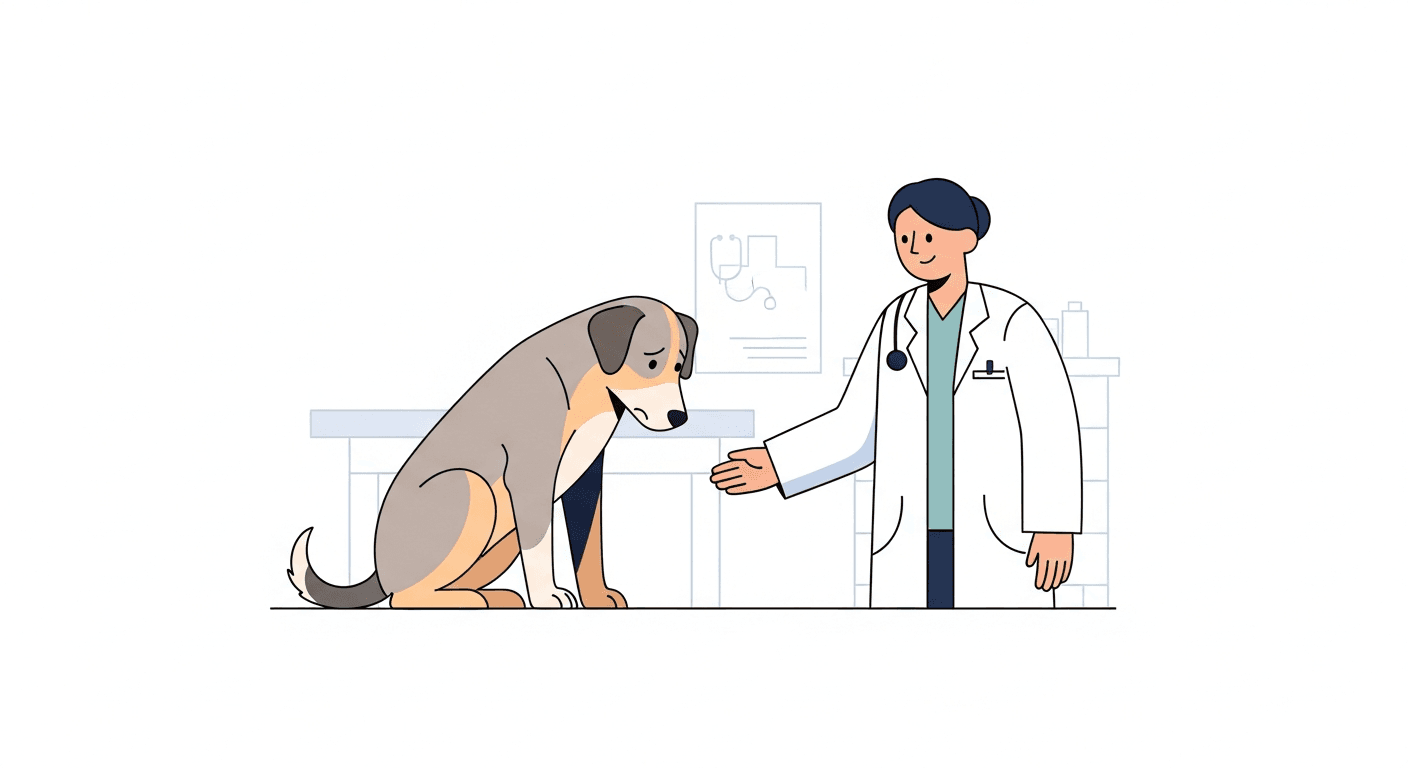
Understanding Why Dogs Fear the Vet
Vet visit anxiety in dogs is extremely common — surveys suggest that nearly 75% of dogs show at least some signs of stress at veterinary clinics. The reasons are logical: the clinic smells of other stressed animals and clinical chemicals, the handling that occurs there (needle pokes, thermometers, manipulating painful body parts) is uncomfortable, and for many dogs, the first formative visits occurred when they were young and were not specifically designed to be positive experiences.
The result is a dog that associates the clinic — the smell of the parking lot, the vet's uniform, the scale — with an unpleasant experience, and begins reacting with anxiety (shaking, drooling, hiding) or defense (growling, snapping) before anything has even happened. This makes examinations harder, less accurate, and stressful for everyone — but it is not inevitable, and it can be changed.
Building a Positive Association: The Happy Visit
The most powerful long-term strategy is changing what the vet clinic predicts for your dog. This is done through "happy visits" — visits to the clinic where nothing unpleasant happens:
- Call ahead and ask if your dog can visit briefly during a quiet time without an appointment
- Bring extremely high-value treats — real meat, cheese, peanut butter — that your dog does not normally receive
- Have the front desk staff offer treats, pet the dog if welcomed, and create a positive interaction
- Weigh the dog on the scale, get back on the table briefly, receive treats, and leave
- No injections, no restraint, no unpleasant procedures — just the clinic environment and good things happening
Over 5–10 such visits, most dogs begin to change their emotional response to the clinic. A dog that runs eagerly into the clinic is a fundamentally different patient than one being dragged in. Many clinics actively support this practice. Book a vet appointment at Happy Paws and ask about their approach to fear-free visits.
Immediate Strategies for the Next Appointment
For dogs already anxious, use these strategies at the next visit:
- Exercise beforehand: A good walk or play session 30–60 minutes before the appointment burns off nervous energy and makes the dog calmer in the clinic
- Light meal only: A slightly hungry dog is more motivated by treats used during the exam
- High-value treats: Use treats your dog finds irresistible — these can redirect focus and create positive moments even in a stressful setting
- Calm energy from you: Dogs read their owner's emotional state. If you are anxious about the visit, they feel it. Breathe calmly, use a normal relaxed voice, and avoid over-reassurance (which can reinforce anxious behavior)
- Wait in the car: Ask the clinic to text you when the exam room is ready — avoiding the waiting room reduces exposure to other stressed animals
- Non-slip surface: Bring a yoga mat or towel to place on the stainless steel table — the slippery surface is genuinely stressful and removing it helps significantly
Pre-Visit Medication for Very Anxious Dogs
For dogs with severe anxiety, pharmaceutical support is genuinely helpful and humane:
- Trazodone: An oral medication given 1–2 hours before the appointment. Produces anxiolytic (anti-anxiety) effects without heavy sedation. Many vets now prescribe this proactively for anxious dogs.
- Gabapentin: Also used for dogs with vet anxiety, particularly helpful when combined with trazodone.
- Sileo (dexmedetomidine oromucosal gel): An FDA-approved gel applied to the gum for acute situational anxiety in dogs.
Ask your vet about a pre-visit prescription at your next routine appointment. For dogs with very severe anxiety or aggression at the vet, a referral to a veterinary behaviorist may also be warranted to develop a longer-term desensitization plan. Track each visit in the TailRounds Daily Log to monitor whether strategies are making a difference over time.
Continue Reading
 🏥 Vet Guide
How to Prepare Your Pet for a Vet Visit
Reduce stress for your pet and yourself at every vet appointment. Practical preparation strategies for dogs, cats, and anxious pets of any species.
 🏥 Vet Guide
Getting Your Cat to the Vet Without Stress
Cat vet visits do not have to be a battle. These evidence-based strategies help your cat tolerate travel and the clinic with far less fear and resistance.
 🏥 Vet Guide
What to Expect at Your First Vet Visit
New pet? First vet visit does not need to be stressful. Here is exactly what happens, what information to bring, and how to get the most from the appointment.
 🏥 Vet Guide
How to Communicate Effectively With Your Vet
Great communication with your vet leads to better care for your pet. Learn how to describe symptoms accurately, ask productive questions, and advocate confidently.