

When to Book the First Appointment
Whether you have a new puppy, kitten, adult rescue, or senior pet, the first vet visit should happen within the first week of bringing your pet home. This timing matters for several reasons: it establishes a baseline health record, identifies any existing health problems, starts or updates the vaccination schedule, and allows your vet to assess weight, parasite status, and general development. Early problems caught at this visit are almost always easier and cheaper to treat than issues discovered later.
If you do not yet have a vet, find a clinic near you or book a vet appointment at Happy Paws to schedule your first visit.
What to Bring
Being prepared makes the visit more productive. Gather the following before your appointment:
- Previous medical records: Vaccine history, deworming records, any prior health issues or surgeries — whatever came with the pet. Even incomplete records are useful.
- A fresh fecal sample: Collected within 4–6 hours of the appointment if possible. Your vet will test it for intestinal parasites. Bring it in a clean sealed container or a zip-lock bag.
- A list of current food and supplements: The brand, formula, and how much your pet eats per day.
- A list of any medications: Even over-the-counter products or supplements.
- Your questions: Write them down beforehand. In the moment, it is easy to forget what you meant to ask.
- A secure carrier or leash: Cats and small pets should always be in a carrier for safety in the waiting room.
What the Vet Will Do at the First Visit
The first visit is usually a comprehensive exam that includes:
- History taking: The vet or technician will ask about where you got the pet, their diet, behavior at home, any previous health issues, and your primary concerns.
- Weight and vital signs: Temperature, heart rate, respiratory rate, and weight. These establish your pet's baseline.
- Full physical exam: Eyes, ears, mouth, skin, coat, heart, lungs, abdomen, lymph nodes, joints — a head-to-tail assessment to identify any existing problems.
- Fecal test: Checks for roundworms, hookworms, whipworms, coccidia, giardia, and other parasites.
- Vaccine assessment: Based on the pet's age, species, and existing records, the vet will determine which vaccines are due today and create a schedule for upcoming vaccines.
- Heartworm test (dogs): Typically performed at the first visit for dogs over 7 months old or with unknown history.
- Microchip check: Scan for an existing chip; recommend implantation if none is present.
Common Topics Covered in the First Discussion
Expect a thorough conversation covering:
- Nutrition recommendations for your pet's species, age, and size
- Parasite prevention — heartworm, flea, tick, and deworming options
- Spay/neuter timing if your pet is not already altered
- Dental care habits to establish early
- Socialization and behavioral development (for puppies and kittens)
- When to return for vaccines and wellness exams
Use the TailRounds Daily Log to record your pet's behaviors and health observations from the very first day, so you have accurate data to share at future appointments. Store all records and upcoming vaccine dates in My Pets on TailRounds.
After the First Visit: What Comes Next
The vet will give you a summary of findings, a vaccine and wellness schedule, and any treatment or follow-up recommendations. Write down or photograph any specific instructions before leaving. If your pet received vaccines today, monitor for side effects for 24–48 hours — mild tiredness and soreness are normal. If you have any concerns afterward, use the TailRounds AI Triage tool for quick guidance.
Continue Reading
 🏥 Vet Guide
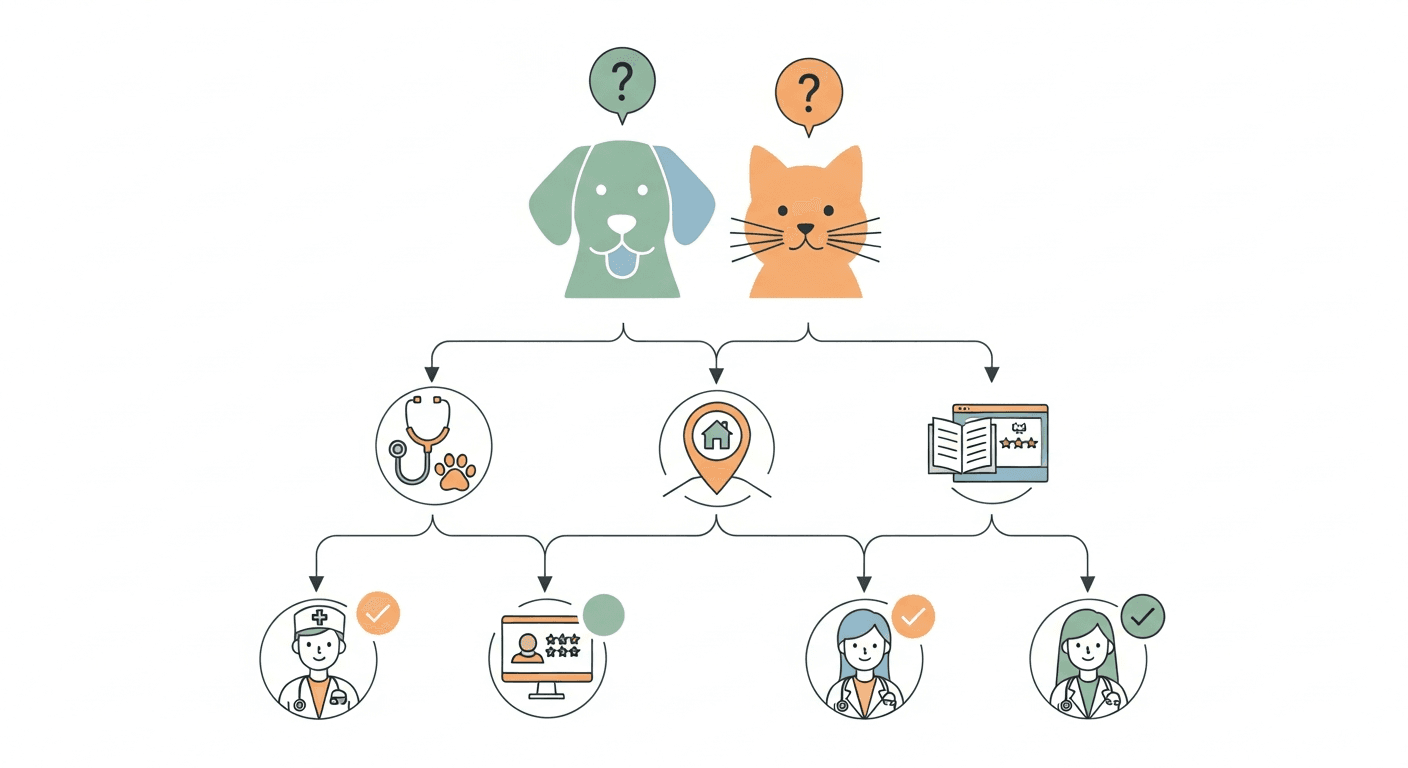
How to Choose the Right Vet
Choosing the right veterinarian is one of the most important decisions you will make for your pet. Here is a practical framework for making a great choice.
 🏥 Vet Guide
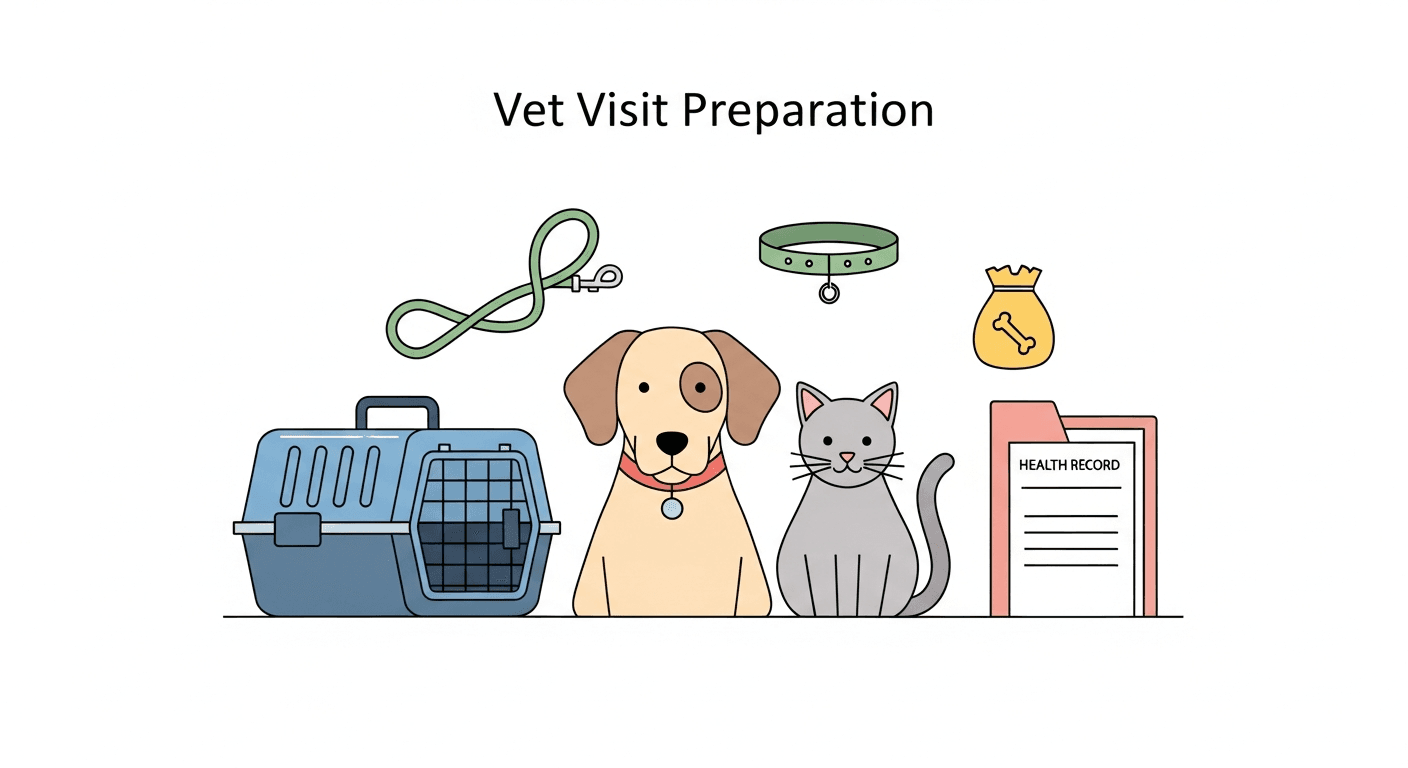
How to Prepare Your Pet for a Vet Visit
Reduce stress for your pet and yourself at every vet appointment. Practical preparation strategies for dogs, cats, and anxious pets of any species.
 🏥 Vet Guide
How to Communicate Effectively With Your Vet
Great communication with your vet leads to better care for your pet. Learn how to describe symptoms accurately, ask productive questions, and advocate confidently.
 🏥 Vet Guide
New Pet Checklist: First 30 Days
The first 30 days with a new pet sets the foundation for a lifetime of good health and behavior. Here is your comprehensive action plan.