

Why Communication Quality Affects Care Quality
Veterinary medicine is fundamentally a collaboration between the vet and the owner. The vet brings clinical expertise — diagnostic skills, pharmacological knowledge, surgical training. The owner brings something equally irreplaceable: daily observation of the animal, knowledge of their baseline personality and behavior, history of what has and has not worked before, and the ability to monitor progress at home between appointments.
A vet working with an articulate, prepared owner who can accurately describe symptoms and concerns will arrive at the correct diagnosis faster and implement treatment more effectively than one working with sparse or vague information. Communication is genuinely part of your pet's care.
Describing Symptoms Accurately
Vets are trained to think in terms of specific clinical signs. The more precisely you can describe what you are observing, the more useful the information is:
- When did it start? "A few days ago" is less useful than "Tuesday evening."
- Is it getting better, worse, or staying the same?
- How often does it occur? "Limping" tells a different story from "limps only after rest" versus "limps all the time."
- What does it look like? Video recordings of an intermittent behavior, an abnormal gait, or a seizure are worth more than a description.
- What makes it better or worse? Is the vomiting related to eating? Does the cough worsen at night?
- What has changed recently? New food, new medication, change in environment, new pet in the household, recent boarding.
Use the TailRounds Daily Log to track symptoms with dates so you arrive with accurate, dated observations rather than reconstructed memory.
Asking Productive Questions
Many owners feel reluctant to ask questions at the vet, worried about seeming difficult or wasting time. This reluctance leads to misunderstandings, incomplete compliance, and sometimes worse outcomes. Good questions to ask include:
- "What is the most likely explanation for these symptoms, and what other possibilities are you considering?"
- "What signs of improvement or worsening should I watch for in the next 48–72 hours?"
- "At what point should I call or come back in?"
- "What are the options for treatment, and what are the trade-offs between them?"
- "Are there generic versions of this medication available?"
- "Is there anything we can do at home that would support the treatment?"
When You Disagree or Have Concerns
If you disagree with a recommendation, do not leave the appointment in silent disagreement and then not comply with the treatment plan. That harms your pet and wastes everyone's time. Instead:
- Say directly: "I'm not sure I understand why that's necessary — can you explain?"
- Or: "I'm worried about the cost — is there a more affordable option that would still address the problem?"
- Or: "I'd like to think about this for a day and call you back — is there any urgency to deciding now?"
A good vet will welcome these conversations. They would rather you be honest about barriers than discover two weeks later that the treatment was never started. If you consistently feel unheard, see our article on signs of a bad vet and our guide on how to choose the right vet.
Continue Reading
 🏥 Vet Guide
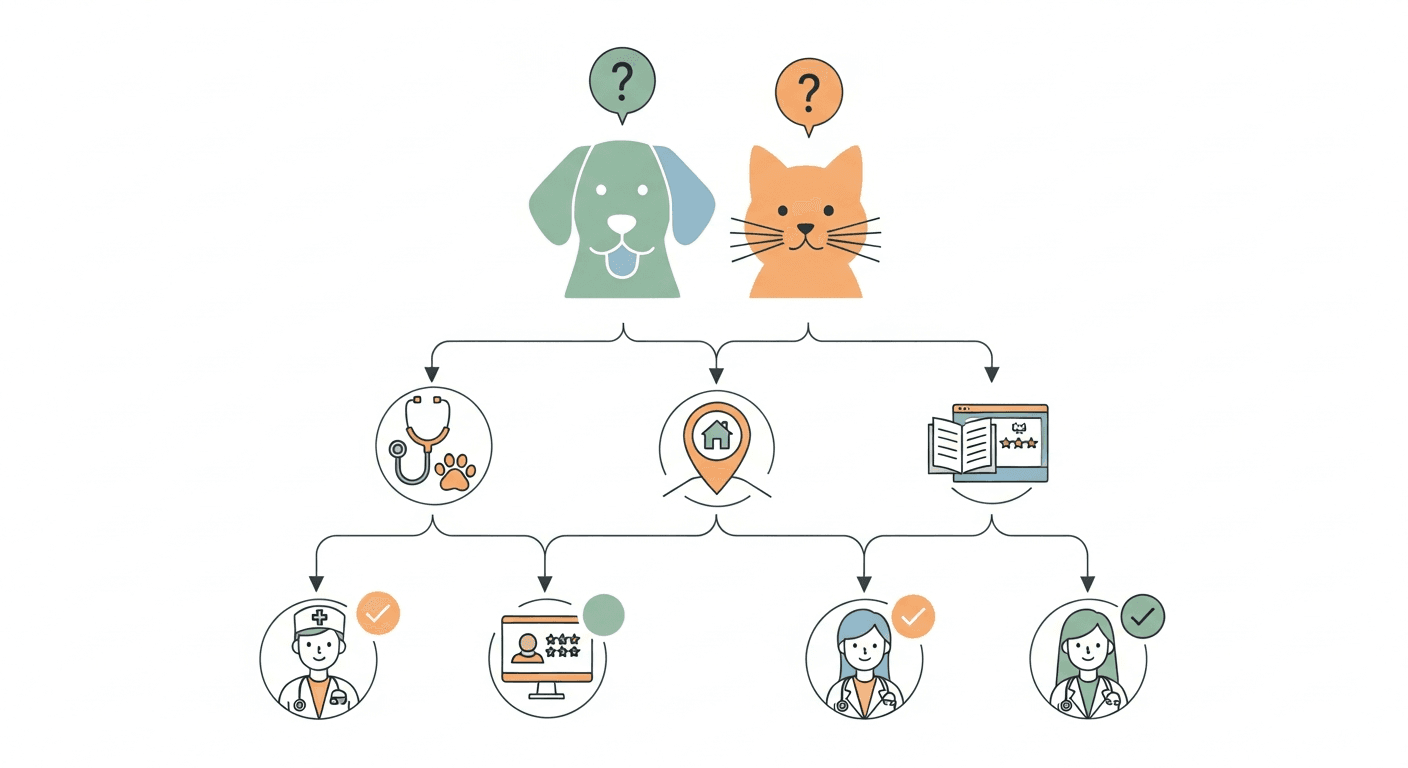
How to Choose the Right Vet
Choosing the right veterinarian is one of the most important decisions you will make for your pet. Here is a practical framework for making a great choice.
 🏥 Vet Guide
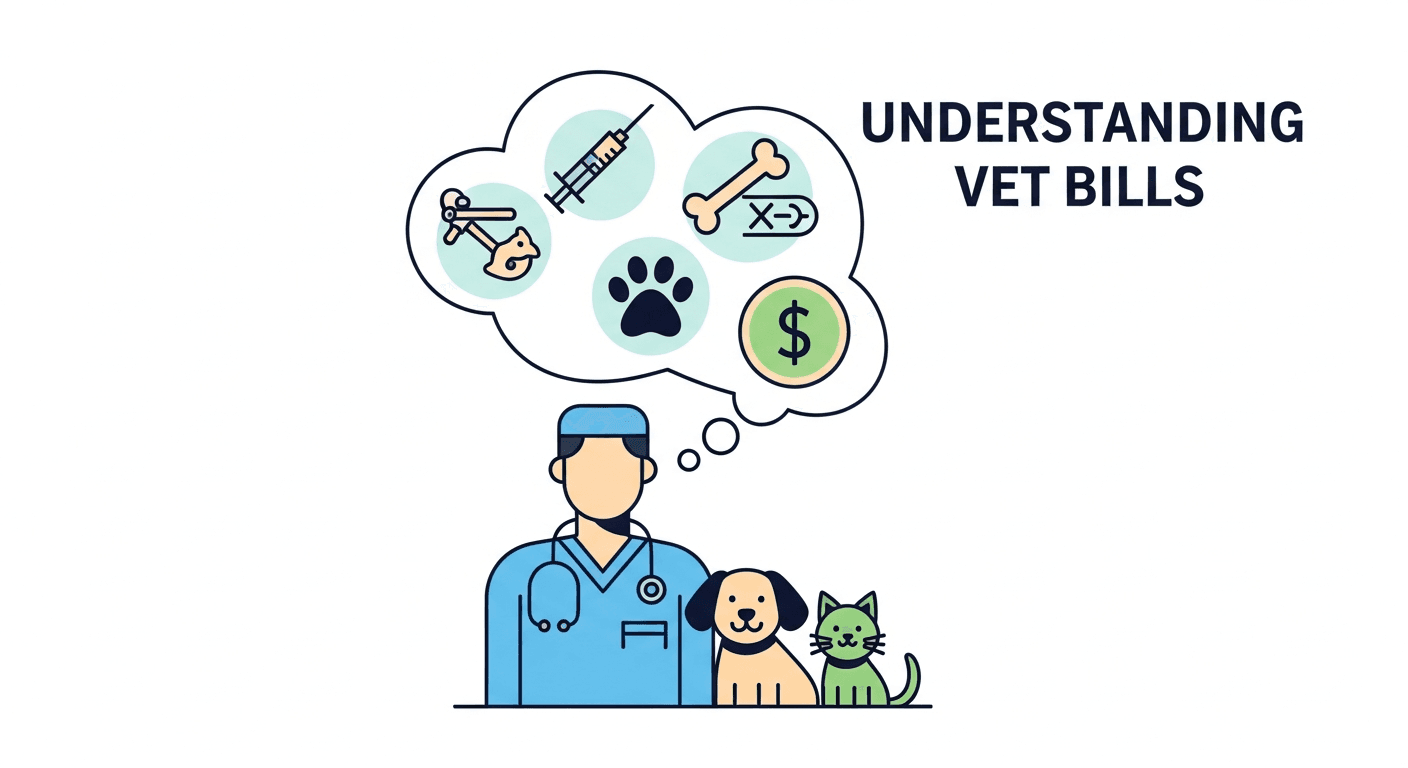
Understanding Your Vet Bill
Vet bills can feel overwhelming and confusing. Learn how to read an itemized invoice, what drives costs, and how to manage veterinary expenses responsibly.
 🏥 Vet Guide
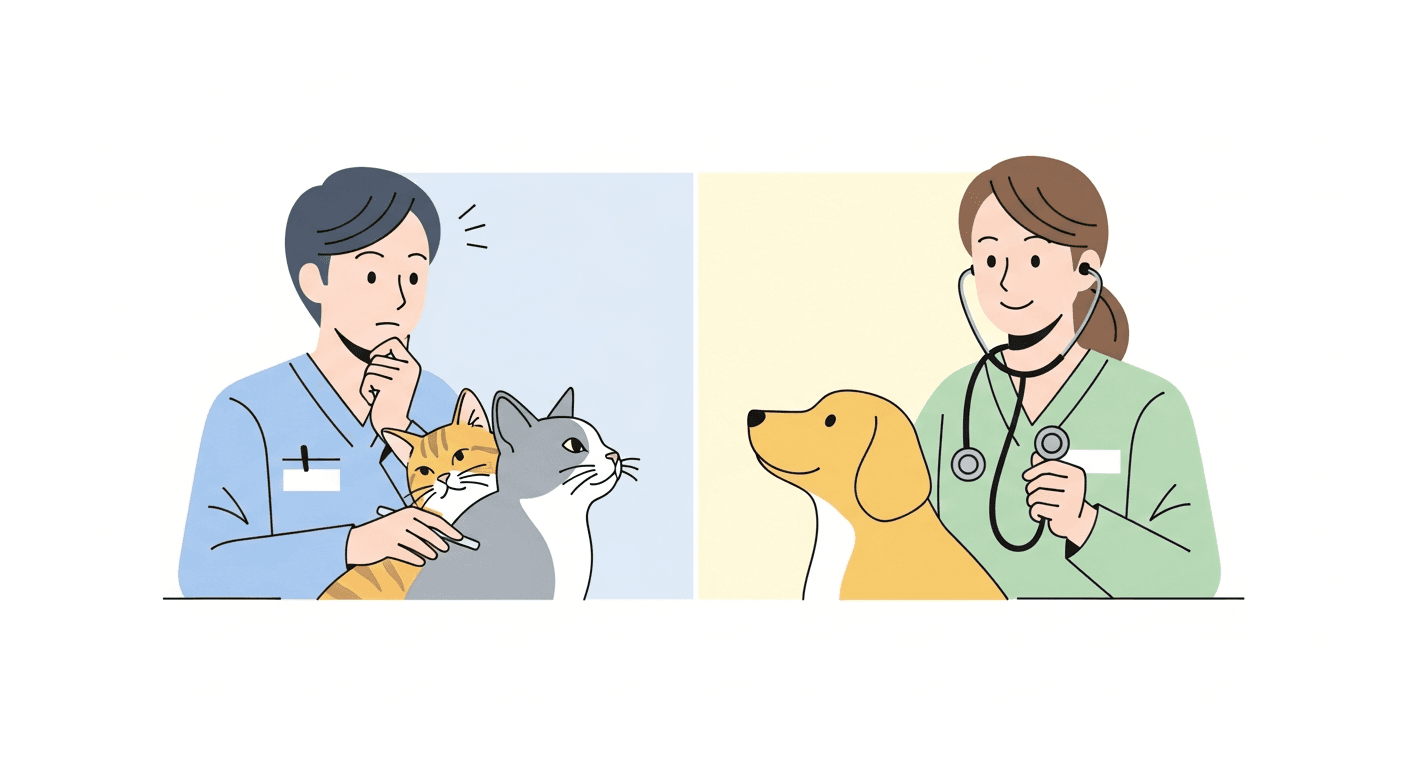
When and How to Get a Second Vet Opinion
Getting a second opinion is a responsible thing to do for major diagnoses or treatments. Here is how to approach it professionally without damaging the vet relationship.
 🏥 Vet Guide
What to Expect at Your First Vet Visit
New pet? First vet visit does not need to be stressful. Here is exactly what happens, what information to bring, and how to get the most from the appointment.