
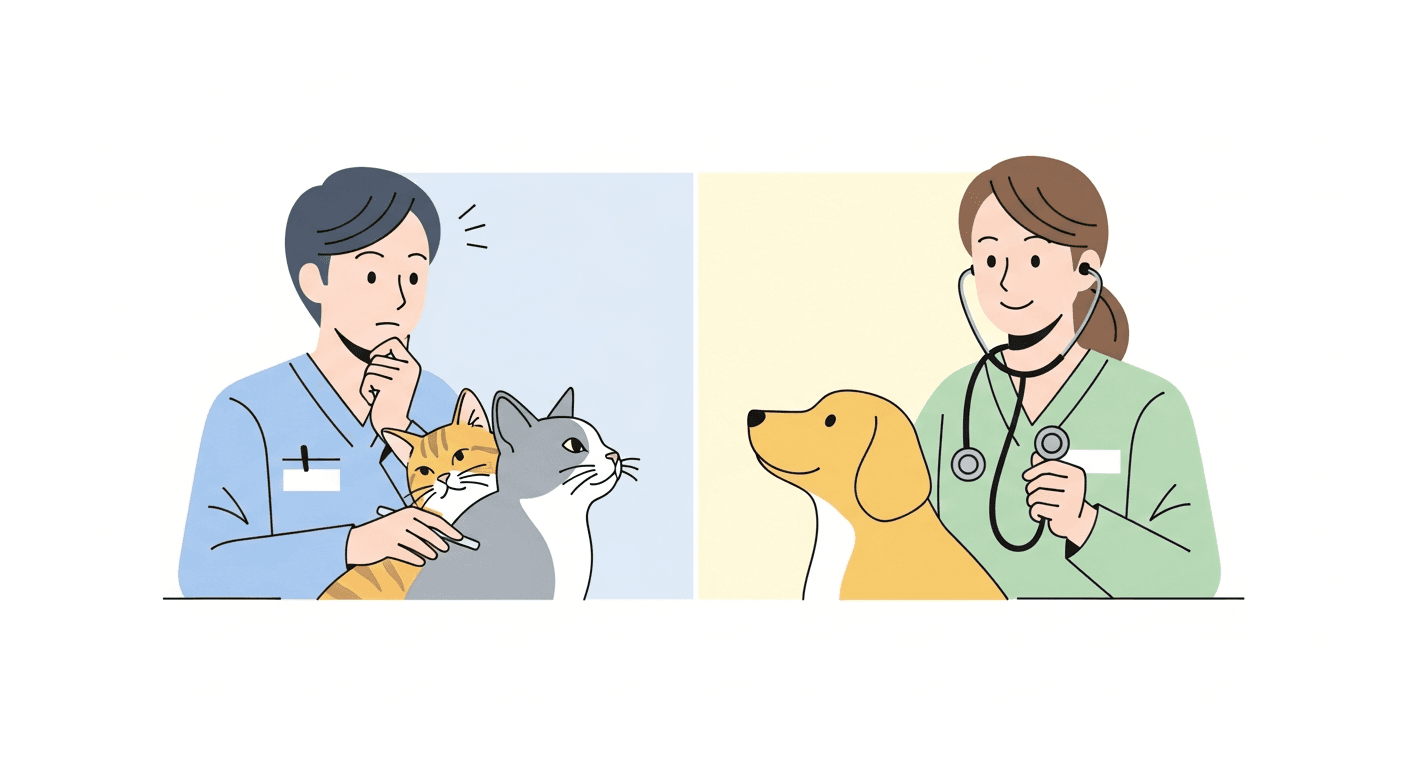
When a Second Opinion Is Appropriate
Seeking a second opinion is not a sign of distrust — it is a sign of engaged, responsible pet ownership. Veterinarians understand this and the vast majority welcome it. There are specific situations where getting a second opinion is not just acceptable but genuinely advisable:
- A serious or life-altering diagnosis: Cancer, a neurological condition, a heart disease diagnosis requiring lifelong medication, a recommendation for major surgery — these warrant confirmation.
- The recommended treatment is very expensive or high-risk: Before committing to $5,000+ surgery or a treatment protocol with significant side effects, confirming the diagnosis and treatment plan with another vet is prudent.
- The diagnosis does not fit your pet's symptoms or history: If something does not feel right or the explanation does not make sense to you, trust that instinct enough to ask another professional.
- Your pet is not improving as expected: If treatment has been underway for an appropriate amount of time and there has been no response, seeking fresh eyes is reasonable.
- You are considering euthanasia: This is one of the most important moments to ensure you are receiving the best possible medical guidance.
How to Request Records Professionally
You have a legal right to your pet's medical records. Requesting them should be straightforward and your clinic is obligated to provide them. Steps:
- Call or email the clinic and request a complete copy of your pet's records, including all examination notes, diagnostic results, imaging, and any specialist reports
- Request images (X-rays, ultrasound) digitally or on a disc — not just the written reports
- You do not need to explain why you are requesting records
- Most clinics provide records within a few business days; there may be a small administrative fee
How to Approach the Second Opinion Vet
When you call to schedule a second opinion consultation, be upfront about what you are doing:
- Tell the clinic you are seeking a second opinion on a diagnosis or treatment plan
- Bring all records and imaging to the appointment
- Present the facts, not a narrative shaped by your feelings about the first vet — let the second vet reach their own conclusions
- Ask the second vet to explain their reasoning, not just give a yes/no verdict
What to Do With Conflicting Opinions
If the two vets agree, you have confirmation. If they disagree, you have important information that tells you the diagnosis or treatment is not clear-cut. Options at this point:
- Consult a board-certified specialist in the relevant discipline to get expert resolution
- Ask each vet specifically what additional testing would help resolve the uncertainty
- Research the specific condition to understand why it might be diagnostically ambiguous
Store all medical records, reports, and opinions in My Pets on TailRounds so you have a complete picture at each stage of the process. If you need guidance on whether to pursue a second opinion, try the TailRounds AI Triage tool to help frame your concerns.
Continue Reading
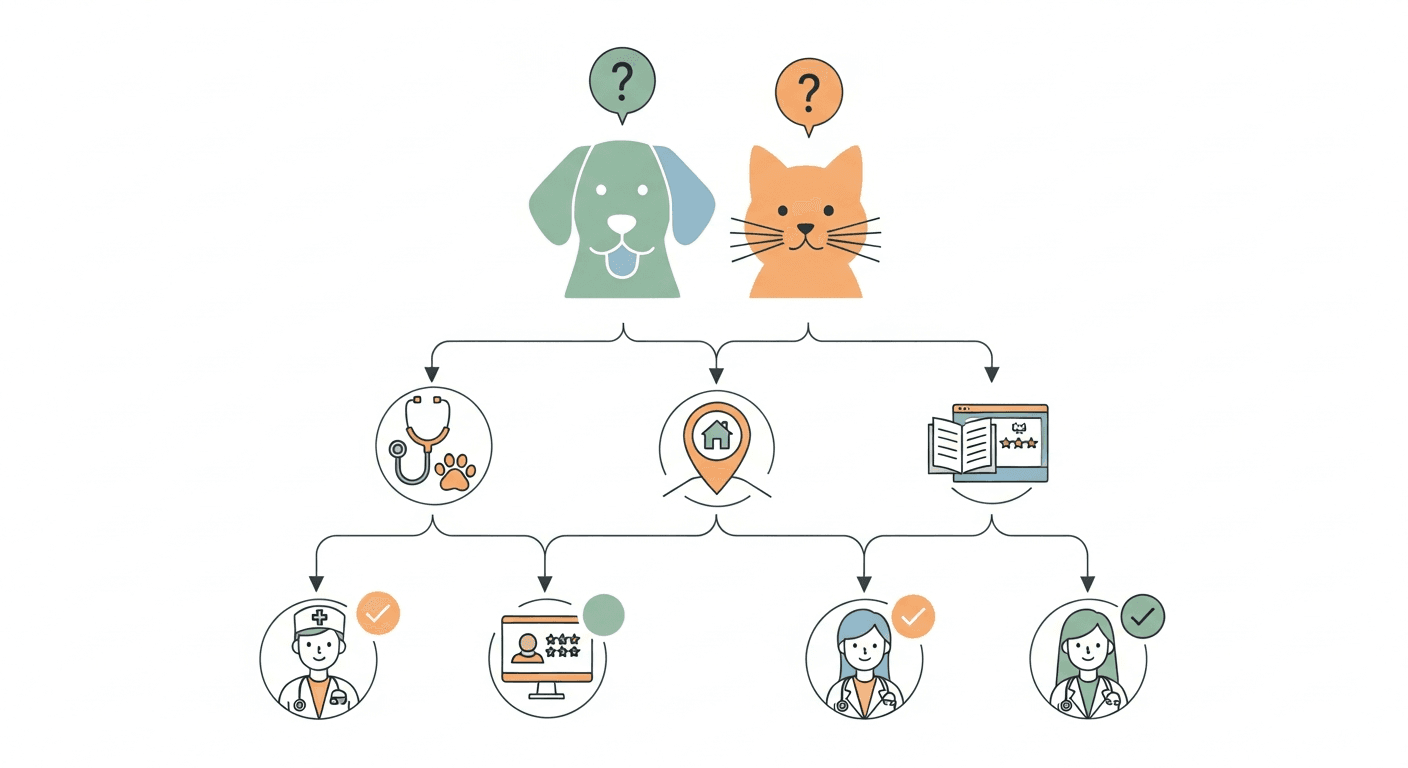 🏥 Vet Guide
How to Choose the Right Vet
Choosing the right veterinarian is one of the most important decisions you will make for your pet. Here is a practical framework for making a great choice.
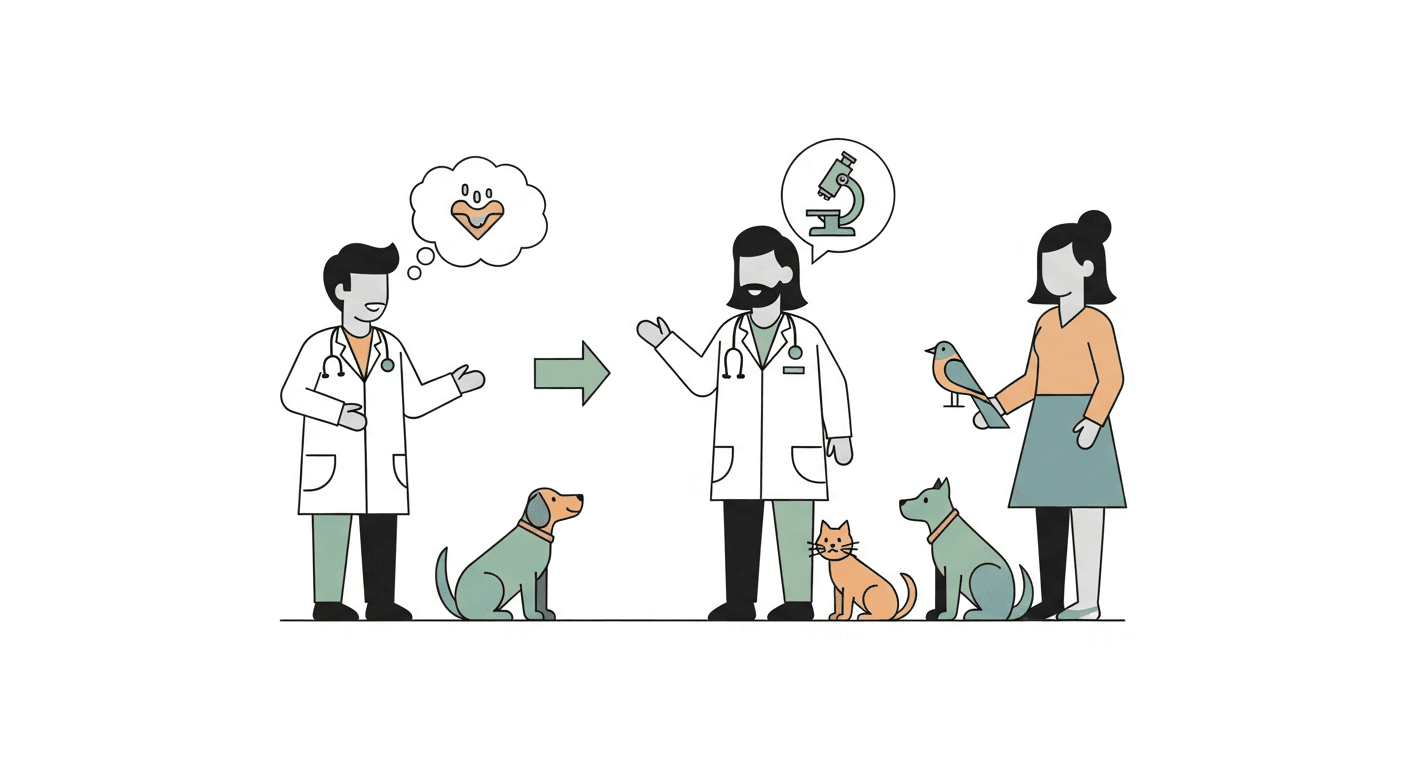 🏥 Vet Guide
When Does Your Pet Need a Specialist?
Veterinary specialists provide expert care for complex conditions that go beyond general practice. Learn what specialists do, when your pet needs one, and how referrals work.
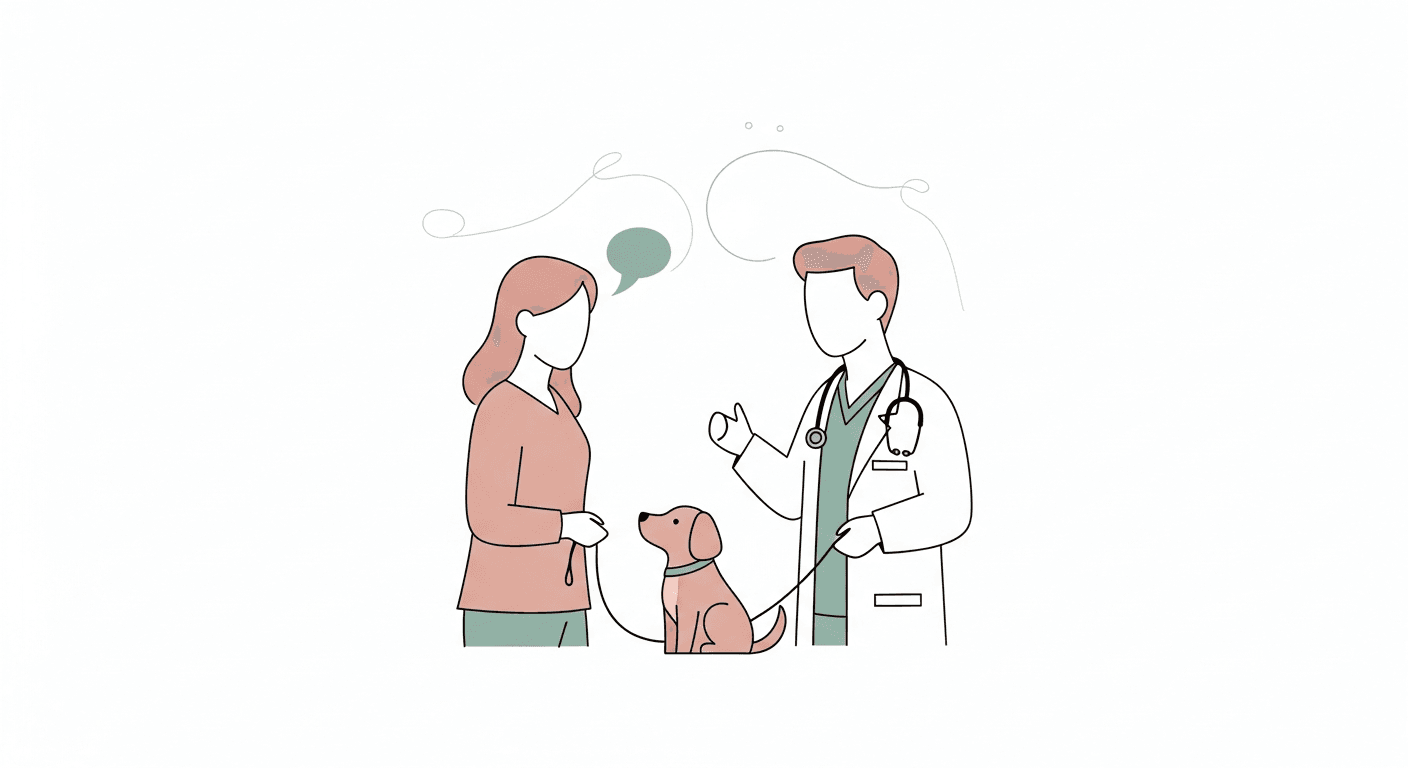 🏥 Vet Guide
How to Communicate Effectively With Your Vet
Great communication with your vet leads to better care for your pet. Learn how to describe symptoms accurately, ask productive questions, and advocate confidently.
 🏥 Vet Guide
Red Flags: Signs of a Bad Vet
Not all veterinary practices meet the standard your pet deserves. Here are the concrete warning signs that should prompt you to find a new vet.